
Reviewed · CITY TOURS & HOP-ON BUSES
Scratch this city’s underbelly @ Singapore Uncut
Singapore has a darker side. This 2.5-hour walk shows you an under-discussed Singapore through six stops and street-level storytelling that goes way past the postcard version.
I love how the tour turns history into something you can see and point at. You’ll get the counter-cultural angle on the city, plus a steady energy boost with snacks, including a soya dessert.
One thing to plan for: it’s mostly a walking experience with a late afternoon/early evening start, and the cost of public transport is not included, so bring a transport card and comfy shoes.
In This Review
- Key things that make this tour worth your time
- Why this 5pm underbelly walk feels different from the usual sightseeing
- Price and value: what $64 buys you (and what it doesn’t)
- Getting there: Farrer Park start and Lavender finish
- Stop 1: City Square Mall area and the idea of entertainment hotspots
- Stop 2 and Stop 3 on Petain Road: a WWII street-name puzzle plus shop-house reality
- Petain Road Stop 2: why a WWI connection shows up in a WWII story
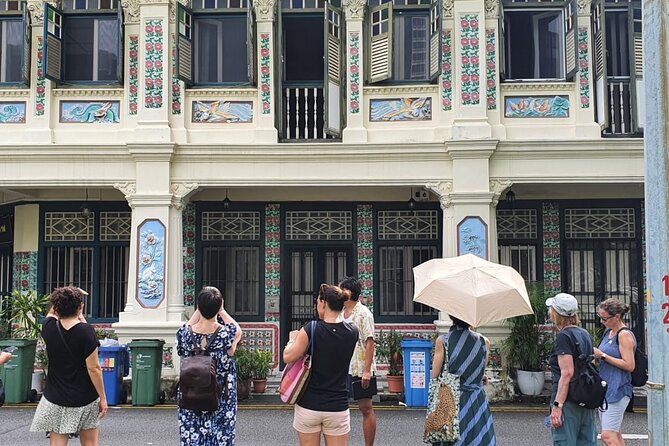
- Petain Road Stop 3: baroque-style houses where homes sat above shops
- Stop 4: Jalan Besar, Big Street, and the food-and-nightlife truth
- Stop 5: Fuqing Association and how migrant life organized itself
- Stop 6: Jalan Besar Stadium and the New Town concept you can actually understand
- Snacks that keep the walk enjoyable
- Group size, tickets, and the pacing you should expect
- Who should book this and who might skip it
- Should you book Scratch this city’s underbelly @ Singapore Uncut?
- FAQ
- How much does this tour cost?
- How long is the tour?
- Where do I meet the tour and when does it start?
- What is included in the price?
- Is public transportation included?
- How many people are in the group?
- What’s the cancellation policy for a full refund?
Key things that make this tour worth your time
- Six stops, one tight theme: a Singapore you don’t get from tourist to-do lists
- Back-alleys and street-name detective work: you’ll connect places to bigger stories
- Petain Road twice, for a reason: wartime name clues plus baroque shop-house layout
- Jalan Besar beyond the food crawl: dining, nightlife reality, and local perspective
- Fuqing Association explained in plain terms: how migrant community life centered on worship and support
- Jalan Besar Stadium and real planning: the New Town concept you can understand on the street
Why this 5pm underbelly walk feels different from the usual sightseeing
Most Singapore tours feel like checklists: see, snap, move on. This one starts you at 5:00 pm, when the city is shifting into night mode and streets feel more human. Instead of trying to cover everything, it focuses on patterns: who lived where, what people did, and why certain neighborhoods evolved the way they did.
I also like that the tone is practical. You’re not just hearing dates. You’re learning how a place works—socially and physically—so when you wander later, you’ll recognize the logic behind what you see.
And yes, the guide matters. One of the strongest reasons to book is the quality of explanation—guides like Jan are known for delivering lots of information in a way that stays engaging, not lecture-y.
Price and value: what $64 buys you (and what it doesn’t)
$64 is a fair price for a 2.5-hour group walk where the main “payment” is time with a guide who can connect dots. The stops themselves don’t require paid entry—admission is free at the stops—so your money goes toward the guiding and the experience design.
You also get included snacks, including a favorite soya dessert, which helps a lot if you’re eating around town later anyway. And you get a mobile ticket, which makes it easier to show up without fuss.
What’s not covered is the cost of public transport, if you need it to get to the start and from the end. For me, that’s normal for Singapore tours, but it’s still something to factor into your personal budget.
The whole island from a seat, more loops
Getting there: Farrer Park start and Lavender finish
You start near Farrer Park MRT on Rangoon Rd. Then you end at Lavender MRT station. The guide will point and show you differing transportation options at the finish, which is useful when you’re tired and just want the simplest route home.
Timing-wise, starting at 5:00 pm is smart. You’re not fighting the morning rush, and you’ll catch a mix of day-to-evening activity in the neighborhoods you pass.
Stop 1: City Square Mall area and the idea of entertainment hotspots
At the first stop, you’ll quickly learn that this isn’t about going into another mall for a photo. The area around City Square Mall is treated like a neighborhood story, tied to early entertainment and how the city structured leisure in different eras.
A key detail you’ll hear: this area was one of four entertainment hotspots until the 1980s. That single point changes how you read the blocks. Instead of seeing a modern retail landmark, you start noticing how entertainment used to cluster—and how the city’s priorities shifted.
What I like here is the framing. It tells you to watch for clues: where people gathered, what kinds of venues clustered, and how urban life spills into the streets around major hubs.
Stop 2 and Stop 3 on Petain Road: a WWII street-name puzzle plus shop-house reality
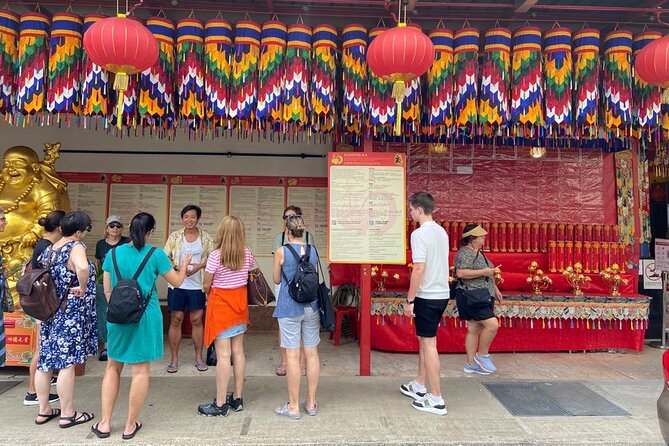
Petain Road is one of those streets where the name alone makes you curious. The tour uses that curiosity well.
- Lion City Bike Tour of Singapore★ 5.0 · 6,211 reviews
- Singapore: Gardens by the Bay Bundle Entry Ticket★ 4.3 · 3,726 reviews
- Singapore: Big Bus Hop-On Hop-Off Tour by Open-Top Bus★ 4.5 · 3,261 reviews
- Singapore: Lion City Highlights Bike Tour★ 4.9 · 2,010 reviews
Petain Road Stop 2: why a WWI connection shows up in a WWII story
You’ll get an explanation of how a street named after a WWI general links to broader WWII narratives—specifically tied to Hitler—and you’ll also hear what the area was associated with for men seeking quick fixes. The payoff is learning how history hides in plain sight: street names can act like breadcrumbs to bigger stories.
Petain Road Stop 3: baroque-style houses where homes sat above shops
Then the tour returns to Petain Road for a physical contrast. Here you’ll focus on buildings: baroque-style houses where the layout was once practical—homes on the second floor and shops on the ground floor.
That arrangement might sound simple, but it’s a powerful way to understand daily life. People could live close to work. Commerce was right downstairs. And today, the guide points out that these places are worth a lot of money—which adds a sharper edge to the story. Urban change isn’t abstract; it shows up in the value of old structures.
A small drawback to consider: these two Petain Road stops are close together (it’s the same street theme, twice). If you’re the kind of traveler who loves variety of neighborhoods every five minutes, you might prefer faster location changes. But if you enjoy deeper meaning in one corridor, Petain Road delivers.
Stop 4: Jalan Besar, Big Street, and the food-and-nightlife truth
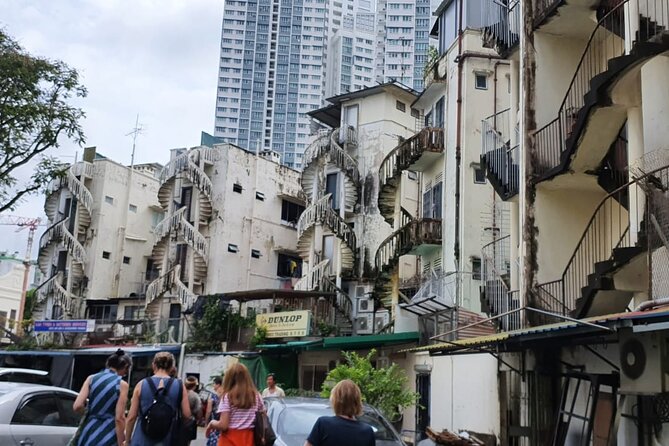
Jalan Besar is where the tour leans into sensory Singapore. It’s also where you get a balancing act: a street known for top-tier dining and everyday eats, plus nightlife stories that aren’t always flattering.
You’ll learn the feel of Jalan Besar, which is often described as the Big Street. The guide also ties it to language and identity, including the Malay term meaning behind the name.
On the food side, expect a mix: places with Michelin-star reputation and places without that still matter. The point isn’t to send you on a food mission. It’s to show you how a neighborhood earns its reputation through both prestige and routine.
Then comes the harder part: the tour includes commentary on clubs and how parts of the nightlife scene weren’t enjoyable for female patronage. I appreciate that they don’t sand that detail away. It’s uncomfortable, but it’s real context that helps you understand why some streets feel different depending on who you are.
Practical tip: if you’re using this tour as your pre-dinner warm-up, Jalan Besar is a good area to keep exploring afterward. The guide’s tone helps you spot what’s tourist-friendly versus what’s more local.
Stop 5: Fuqing Association and how migrant life organized itself
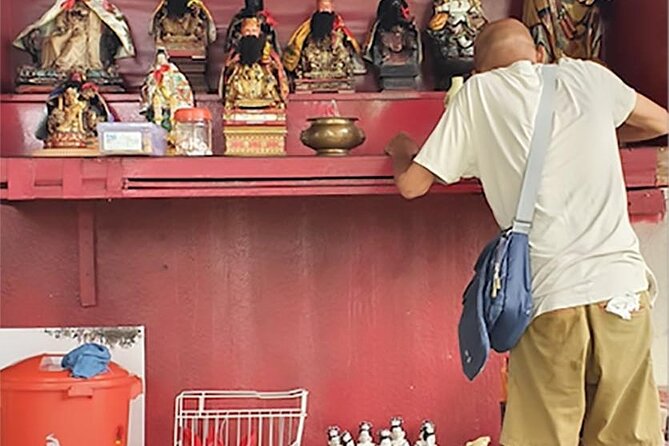
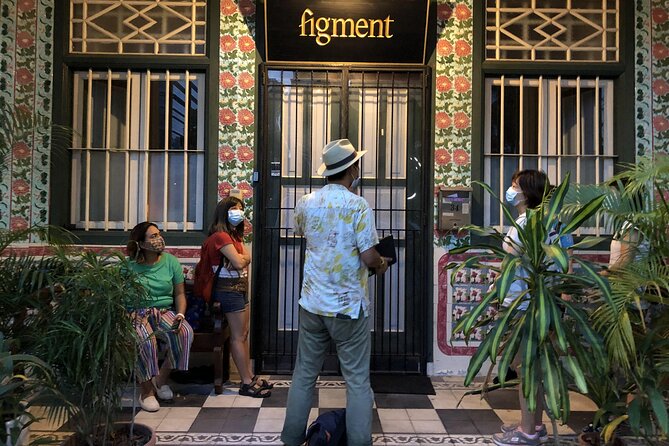
Stop 5 shifts from streetscapes to community structure, and that’s one reason this tour stands out. You’ll visit the Fuqing Association, and you’ll hear about early migrants who arrived, went to worship, and then formed a clan or association afterward.
This is one of those stories that sounds like sociology class until you realize what it means on the ground. These associations weren’t just about ceremonies. They helped people manage spiritual needs and physical support. In a new country, those two categories are inseparable.
I like how this stop adds depth to your mental map. After you hear it, you won’t think of Singapore only as high-rise districts and strict order. You’ll understand how community groups served as early networks—smoothing the hard edges of arriving, finding footing, and staying connected.
Stop 6: Jalan Besar Stadium and the New Town concept you can actually understand
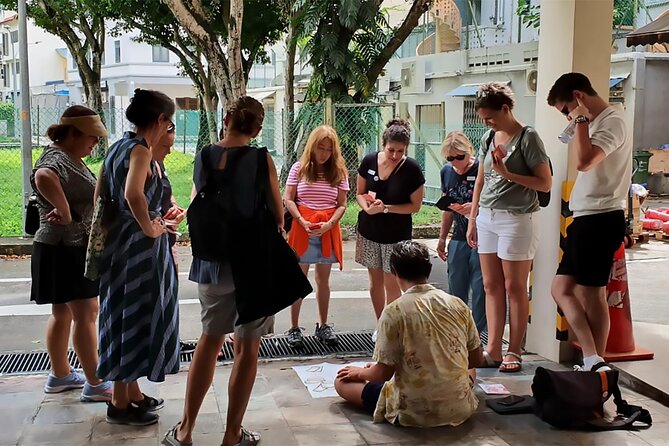
The final stop lands you at Jalan Besar Stadium, where the tour explains the New Town concept. The basic idea is simple: urban planning to keep people away from the downtown rush and keep them safely within neighborhood boundaries.
Even if you’ve heard the words before, hearing it tied to where you are makes it click. You start to see planning as a tool for daily life—commuter patterns, access, and the idea that neighborhoods should handle more than just housing.
There’s also a practical angle mentioned: part of the tour’s design is to avoid stepping on tourists’ toes. In other words, you get a plan that respects how busy parts of the city can be, while still letting you learn what matters.
Snacks that keep the walk enjoyable
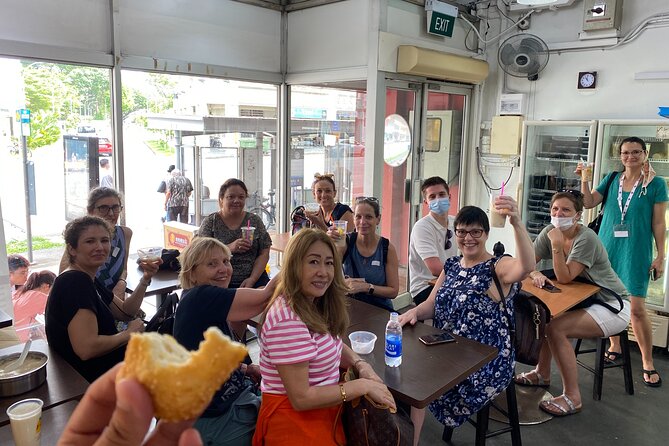
Food is included, and it’s not an afterthought. You get snacks plus a soya dessert, described as a favorite local dessert made from Soya.
This matters on a tour like this because the learning is continuous. You’ll be listening, walking, and stopping often enough that hunger can quietly drain your attention. A snack break keeps the mood steady, so you can focus on the street stories instead of thinking about dinner.
Group size, tickets, and the pacing you should expect
The tour caps at 20 travelers, which usually helps keep questions from getting lost. You’ll be in a group, but not jammed into one giant knot of people that turns every street stop into a bottleneck.
You’ll also use a mobile ticket, which is convenient in a city where most people already live on their phones. And each stop is structured to be a short encounter—enough time to absorb meaning without turning the whole thing into a marathon.
Expect an end-to-end walking rhythm: stop, listen, look, move. If you’re planning other evening activities after, you’ll want to factor in that you’ll finish at Lavender and then reposition yourself.
Who should book this and who might skip it
This tour is a great fit if you want a different Singapore—the kind that explains street names, building layouts, and community organization. If you enjoy hearing how neighborhoods evolved, you’ll likely love the way Petain Road and Fuqing Association broaden the story beyond what’s usually said in quick sightseeing loops.
It’s also ideal if you like tours led by guides who communicate clearly and keep information flowing without making it feel heavy. The mention of Jan as a strong guide is a good sign that the explanations land.
You might skip it if you’re only interested in major landmarks and you want sweeping views and famous sights every few minutes. This experience is more about texture: alleyways, street cues, and city planning logic.
Should you book Scratch this city’s underbelly @ Singapore Uncut?
Yes, if you want a Singapore walk that feels like it has a point. For $64, you get a focused route with six themed stops, free admissions at each stop, and included soya-based snacks that keep you comfortable through the learning.
I’d book it especially if you’re the type of traveler who likes to understand why a place looks the way it does. The Petain Road segment, the migrant-community story at Fuqing Association, and the New Town concept at the end are three parts that can change how you see the city long after the tour stops.
Book it if you can make the 5:00 pm start. Then wear shoes you trust, bring your MRT card for transport costs, and show up ready to look at streets like they’re telling a story.
FAQ
How much does this tour cost?
The price is $64.
How long is the tour?
It runs about 2 hours 30 minutes to 2 hours 35 minutes.
Where do I meet the tour and when does it start?
The tour starts at Farrer Park (Rangoon Rd), Singapore at 5:00 pm. You’ll end at Lavender MRT station.
What is included in the price?
Snacks are included, including a favorite local dessert made from soya. The tour also uses a mobile ticket and admission at the stops is free.
Is public transportation included?
No. Cost of public transportation is not included, if you need it.
How many people are in the group?
This tour has a maximum of 20 travelers.
What’s the cancellation policy for a full refund?
You can cancel up to 24 hours in advance of the experience for a full refund.
If you cancel less than 24 hours before the start time, the amount paid is not refunded.
Singapore in a Single Sweep


Fresh Reviews from the Little Red Dot
- Night Safari Tickets with Tram Ride
★ 4.5 · 3 reviews - Singapore: Architecture and Food Tour with Tastings
★ 5.0 · 3 reviews - Singapore Private Full-Day Sightseeing Tour
★ 5.0 · 3 reviews - Private Chinatown Heritage Tour with Best 8 Local Tastings
★ 5.0 · 3 reviews
City Tours & Hop-On Buses, compared.
 ★ 5.0Lion City Bike Tour of SingaporeFrom $686,211 reviews
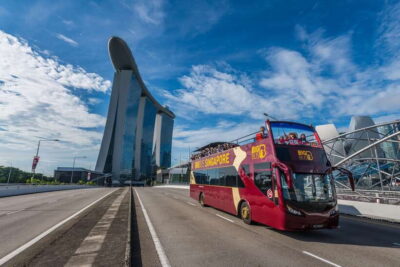 ★ 4.5Big Bus Hop-On Hop-Off Tour by Open-Top BusFrom $513,261 reviews
 ★ 4.9Lion City Highlights Bike TourFrom $672,010 reviews
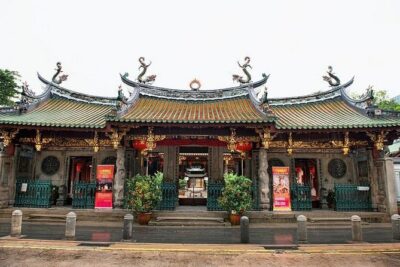 ★ 4.0Singapore Morning City TourFrom $391,400 reviews
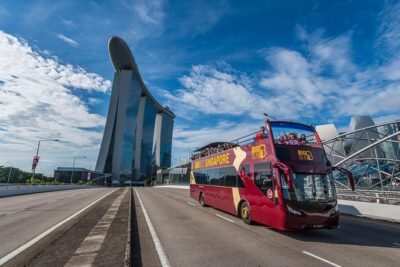 ★ 4.0Big Bus Singapore Hop-On Hop-Off TourFrom $52788 reviews
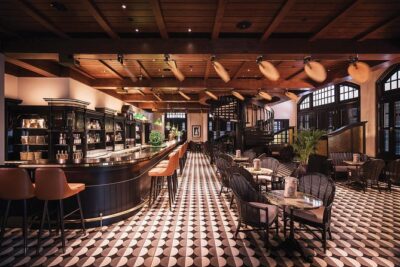 ★ 3.5Nightout at Colonial Charms of the CityFrom $135733 reviews
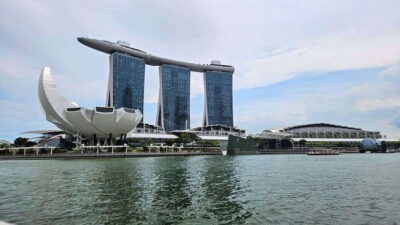 ★ 4.5Guided City Tour by Amphibious Duck BoatFrom $38479 reviews
 ★ 4.0Big Bus Singapore Night Tour with Gardens by the Bay Light ShowFrom $52315 reviews
Browse the lists this tour appears in