
Reviewed · KAYAK, MANGROVE & FISHING TRIPS
Beginner Angler’s Course
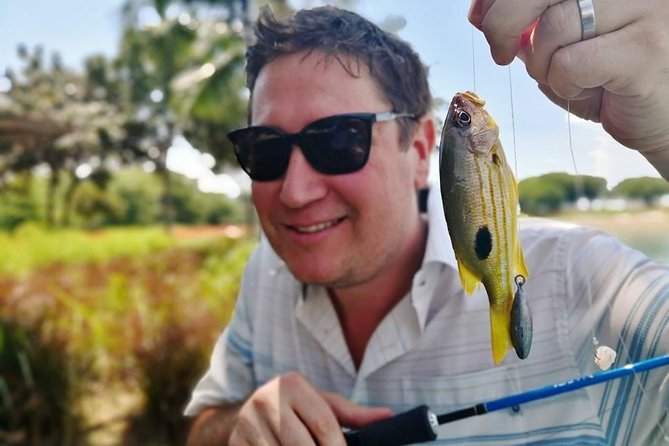
Knots, salt air, and your first catch plan. This beginner fishing course runs on Lazarus Island and blends theory with hands-on practice so you’re not guessing once you’re on the water.
I love the clear learning flow: you’ll practice knots (including the paternoster rig) before you cast, instead of learning by trial and error. I also love the small-group feel, capped at 10 travelers, so instructors can correct technique and answer questions in real time.
One drawback to plan for: you’ll be near the sea, and bottled water isn’t included, so bring at least 1 liter of water per person and pack food since there are no food stalls on the island.
In This Review
- Quick Takeaways
- Getting To 11 Cove Dr and Why the Yacht Setup Matters
- The Online Prep: What You Should Do Before You Step Onboard
- Morning Theory: Gear, Fish Behavior, and Knots That Actually Work
- Afternoon Fishing: Rod Use, Landing Fish, and Responsible Handling
- Why the Small Class Feels Different (Meet the Instructors Behind It)
- What’s Included, What’s Not, and What to Pack for Lazarus Island
- Price and Value: Is $104.10 Fair for a Beginner Course?
- Who This Course Fits Best
- Should You Book the Beginner Angler’s Course?
- FAQ
- Where does the course start?
- What time does it start and how long is it?
- Is prior fishing experience required?
- What’s included in the price?
- What should I bring since bottled water isn’t included?
- What are the group size limits?
- What do I need to do before my practical session?
- Can I cancel for a full refund?
Quick Takeaways
- Small group size (max 10) so you get hands-on help instead of watching from the sidelines
- Theory first, then fishing: equipment, fish behavior, knots, and fish handling before you try for bites
- Online prep is part of the course: watch tutorials, take the quiz, and tie a paternoster rig ahead of time
- Offshore Lazarus Island setting: you’re learning on the water, not in a classroom far from reality
- Experienced instructors (examples include Franky, Aloysius, Raymond, Francis) with lots of patience during knot practice
- Bring your own water and plan for no stalls on Lazarus Island
Getting To 11 Cove Dr and Why the Yacht Setup Matters
Your day starts at 11 Cove Dr, Singapore 098497 with the activity beginning at 9:00 am. The experience is about 4 hours total and ends back at the same meeting point. It also runs with a mobile ticket, which is convenient if you’re juggling plans on a travel day.
Why I think the yacht-and-island format matters for beginners: fishing is physical and a little awkward at first. When you learn knots, rod use, and fish handling away from a screen, your brain connects the steps faster. You also get the kind of coaching that’s hard to recreate online.
The trip is limited to a maximum of 10 people, which is a big deal when you’re new. With smaller numbers, it’s easier for your instructor to spot what’s going wrong—like a knot that’s tied correctly but seated wrong on the rig, or a rod grip that makes casting harder than it should be.
One practical note: you’re near the sea from the start. If you’re uneasy standing by the water, this might be a real consideration, not a minor one.
The Online Prep: What You Should Do Before You Step Onboard
The course isn’t just “show up and learn.” You’ll get a link to online tutorials and you’re expected to do some work ahead of time. The goal is simple: arrive with the basics already in your hands.
Here’s what you’re asked to complete before your practical session:
- Watch the online tutorials sent to you
- Tie at least a set of paternoster rig ahead of time
- Complete the online quiz
That prep is valuable because knots feel frustrating when you’re learning them cold. By the time you meet your instructor, you’re not starting from zero—you’re starting from a first attempt. Then the teaching becomes “fix and improve” rather than “learn from scratch while you’re nervous.”
Also, the pre-course guidance is clear: no fishing experience is required, but you should be comfortable standing near the sea. If you know you’ll tense up when you’re close to open water, you’ll lose some of the calm focus that makes knot practice easier.
Paddles, mangroves and rod hours nearby
Morning Theory: Gear, Fish Behavior, and Knots That Actually Work
The schedule is built around a “learn the why, then do the how” approach. In the morning you get theory on:
- Fishing equipment
- Fish behavior
- How to tie knots
- How to handle caught fish
This matters for beginners because fishing isn’t just about casting. If you understand fish behavior—even at a basic level—you’re more likely to adjust when things aren’t working. And if you understand fish handling, you can keep control when you get a catch.
Knot practice is the standout focus here. The course specifically trains you on tying rigs, starting with the paternoster rig. When you’re new, this is where confidence is built. A good rig setup changes everything: it affects how your bait sits, how your line behaves, and how easy it is to fish without getting tangled.
In feedback from past classes, instructors were praised for staying patient while working through knots step by step. Names that came up include Franky and Aloysius, both credited with friendly, clear explanations and lots of time for questions. That’s exactly what you want when your hands are still learning.
You’ll also get instruction on the rod side of things—so by the time you head into actual fishing, the rod isn’t a mysterious stick. You’re using a tool you were shown how to operate.
Afternoon Fishing: Rod Use, Landing Fish, and Responsible Handling
Once the theory portion is done, you shift into practice. This is where the course earns its keep: you spend the afternoon fishing on the water around Lazarus Island.
By the end of the course, the aim is straightforward: you should be able to use a fishing setup confidently and handle any fish you catch. That last part is easy to ignore in casual fishing plans, but it’s a huge part of doing it responsibly—and beginners really benefit from direct instruction.
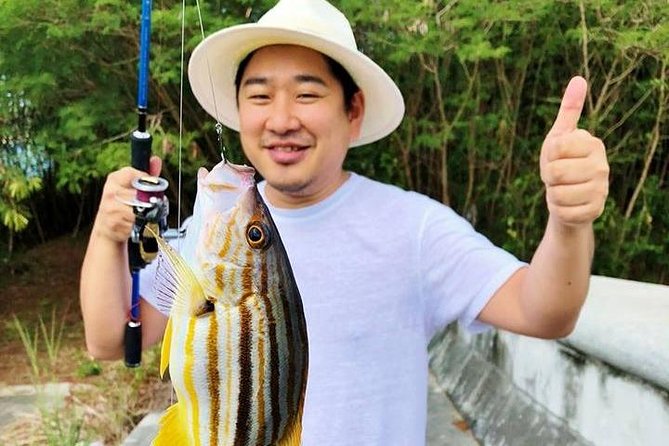
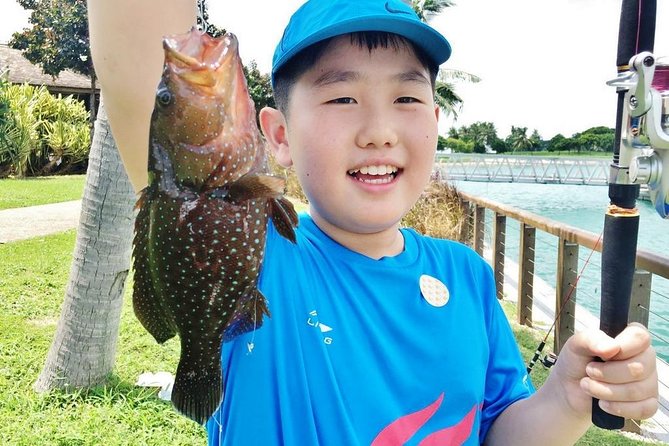
A detail worth taking seriously: the course includes training for fish handling, and it’s not just “catch and celebrate.” In the class experiences shared, people reported catching a puffer fish and applying what they learned. That’s a reminder that you shouldn’t treat fish handling as an afterthought. Listen carefully and follow your instructor’s guidance on keeping control once the line pays out and the fish comes close.
For you, the practical win is this: you’ll stop guessing about what to do next. When you understand knots, rod movement, and fish behavior, the session becomes more about steady technique and less about luck.
Why the Small Class Feels Different (Meet the Instructors Behind It)
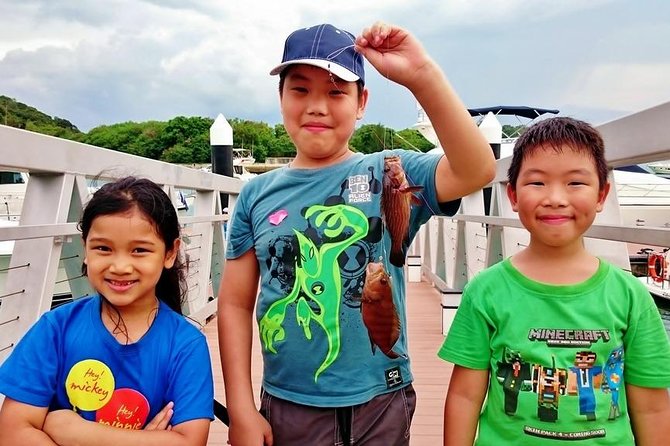
A beginner course lives or dies by how it handles confusion. The teaching style here seems built for that.
In feedback, instructors were consistently described as:
- Patient, especially during knot instruction
- Friendly and welcoming, with clear explanations
- Quick to answer questions instead of rushing people through
In particular, names that were repeatedly credited include Franky, Aloysius, Raymond, and Francis. That’s useful because you know what to look for when you get assigned: calm coaching, step-by-step knot help, and guidance that keeps you from getting stuck.
There’s also a subtle plus: customer support came up in a positive way, with Patsy noted for being helpful and responsive. That matters if you run into booking questions or need confirmation clarity before your practical day.
- Lion City Bike Tour of Singapore★ 5.0 · 6,211 reviews
- Singapore: Gardens by the Bay Bundle Entry Ticket★ 4.3 · 3,726 reviews
- Singapore: Big Bus Hop-On Hop-Off Tour by Open-Top Bus★ 4.5 · 3,261 reviews
- Singapore: Lion City Highlights Bike Tour★ 4.9 · 2,010 reviews
What’s Included, What’s Not, and What to Pack for Lazarus Island
The course includes fishing equipment, so you’re not hunting down a rod, reel, line, or rig parts. That alone is part of the value. You can focus on learning the correct basics instead of spending your trip time shopping.
But you should plan carefully for what’s missing:
- Bottled water isn’t included
- You should bring at least 1 liter of water per person
Food is another real-world factor. One clear piece of advice from past experience: there are no food stalls on Lazarus Island. So if you’re used to grabbing snacks casually, don’t rely on that plan. Pack enough food for your time on the water and the island portion of the day.
Also consider waste and cleanliness. Extra advice included bringing extra plastic bags for trash, especially because you may need to carry your waste back.
Finally, bring gear that helps you move comfortably near the sea. The course is very hands-on, and you’ll be tying knots and managing your line, so comfort beats fashion.
Price and Value: Is $104.10 Fair for a Beginner Course?
At $104.10 per person, this isn’t a casual $20 hobby try. But for a beginner, it can be good value when you look at what you get:
- 4 hours on the water with instruction
- Equipment included, so you’re not paying extra for basic gear
- Small group size (max 10), which raises the odds you’ll actually learn instead of just watching
- Training that covers both knots and fish handling, two areas where beginners often struggle
A typical weak beginner experience is one where you get a quick demo, then you’re left to work things out alone. Here, the emphasis on knots, equipment basics, and patient coaching shifts it toward true learning.
It also helps that the course has you prepare ahead by tying a rig and completing an online quiz. That reduces the “blank page” feeling and helps you start the practical session ready to learn.
Who This Course Fits Best
This course is built for complete beginners. No prior experience is required, and the teaching plan is designed to bring you up to the point where you can use the setup and handle a catch.
You’ll likely enjoy it most if:
- You want a structured intro to fishing, not random trial-and-error
- You like small-group instruction where questions are answered
- You’re comfortable standing near the sea and you don’t mind being out on the water
It may be less appealing if you hate being near open water or you want a purely relaxing sightseeing cruise. This is an activity where you’ll tie knots and practice technique.
Should You Book the Beginner Angler’s Course?
If you want to learn fishing the right way from day one, I’d put this on your short list. The best reason is simple: you’re not only learning theory. You’re practicing knots and rod basics, then fishing in the same setup so your learning sticks.
Book it if you’re excited by the idea of mastering a rig like the paternoster, getting clear guidance from instructors such as Franky or Aloysius, and leaving with the confidence to handle fish safely.
Hold off or reconsider if you’re uncomfortable near the sea or if you don’t want to plan for essentials like water and food since Lazarus Island has no food stalls.
If you’re a first-timer who likes hands-on coaching, this is a solid use of a few hours in Singapore.
FAQ
Where does the course start?
The course starts at 11 Cove Dr, Singapore 098497. The experience ends back at the same meeting point.
What time does it start and how long is it?
It starts at 9:00 am and lasts about 4 hours.
Is prior fishing experience required?
No fishing experience is required. The course is designed for complete beginners.
What’s included in the price?
Fishing equipment is included.
What should I bring since bottled water isn’t included?
Bring at least 1 liter of water per person. Bottled water is not included, and there are no food stalls on Lazarus Island, so you should bring food too.
What are the group size limits?
The experience has a maximum of 10 travelers.
What do I need to do before my practical session?
You’ll watch the online tutorials, tie at least a set of paternoster rig, and complete an online quiz.
Can I cancel for a full refund?
Yes. You can cancel up to 24 hours in advance of the experience’s start time for a full refund. If you cancel less than 24 hours before, the amount paid won’t be refunded.
Out on the Quiet Water

Fresh Reviews from the Little Red Dot
- Night Safari Tickets with Tram Ride
★ 4.5 · 3 reviews - Singapore: Architecture and Food Tour with Tastings
★ 5.0 · 3 reviews - Singapore Private Full-Day Sightseeing Tour
★ 5.0 · 3 reviews - Private Chinatown Heritage Tour with Best 8 Local Tastings
★ 5.0 · 3 reviews
Kayak, Mangrove & Fishing Trips, compared.
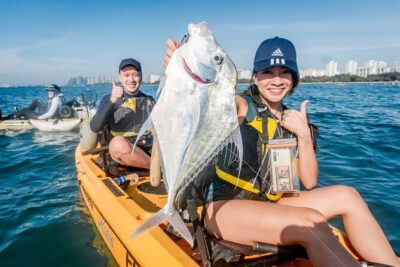 ★ 5.0Kayak Fishing in Singapore, Sentosa, East Coast: Day, Sunset & Night AdventuresFrom $120411 reviews
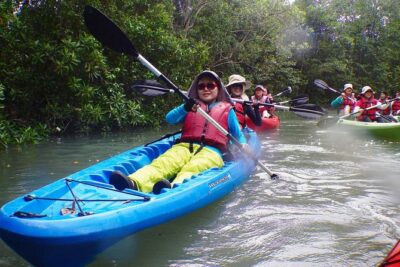 ★ 5.0Mangrove Kayaking Adventure in SingaporeFrom $85145 reviews
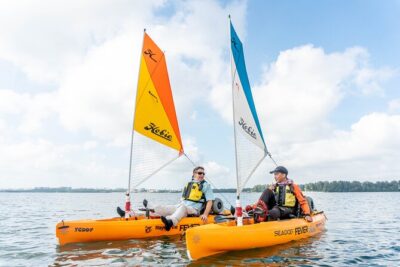 ★ 5.0Kayak Sailing in Singapore, Mangrove, Kelong & Pulau Ubin, Seafood Meal IncludedFrom $120102 reviews
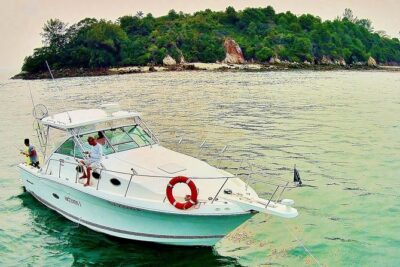 ★ 5.0Join-in Catch and Cook Fishing Trip at Southern Islands SingaporeFrom $12052 reviews
 ★ 5.0Glow Kayak Night Adventure in the MangrovesFrom $5614 reviews
 ★ 4.5Join-in Yacht Fishing at the Southern Islands of SingaporeFrom $1039 reviews
 ★ 3.94-hour Kayak Fishing ExperienceFrom $1498 reviews
 ★ 5.0Stand up Paddle board – Ola Beach Club TicketFrom $294 reviews
Browse the lists this tour appears in