
Reviewed · SINGAPORE MUSEUMS & GALLERIES
Singapore: Asian Civilisations Museum E-Ticket
Asia’s stories connect fast inside this museum. The Asian Civilisations Museum (ACM) in Singapore uses a mix of old objects and smart gallery design to help you see how cultures traded ideas across the region over centuries. I love the way the building and galleries balance traditional and modern visual cues, and I also love the focus on hands-on materials like textiles, jewelry, and everyday artifacts that make history feel real.
One thing to keep in mind: this e-ticket covers permanent galleries only, so if you’re hoping to see special exhibitions and events on-site, you may need extra attention to what’s running during your visit.
In This Review
- Key highlights worth your attention
- Entering ACM: a museum layout built for comparisons
- How the e-ticket works for permanent galleries
- Gallery 1: the chronological route through Asia’s civilizations
- Textiles and batik-style prints: craft you can read
- Jewelry gallery: power, belief, and status in metal and stone
- Southeast Asia gallery: Thai ceramics and Indonesian woodcarving
- A shipwreck pottery highlight that turns history into story
- Special exhibitions and programs: what you may see, and what you won’t
- Price and value: $8 for permanent access in a top Singapore museum
- Practical tips to enjoy ACM without feeling rushed
- Who should book this ACM permanent-galleries ticket
- Should you book this Asian Civilisations Museum ticket?
- FAQ
- Is this ticket for permanent galleries or special exhibitions?
- What is the price for the ticket?
- Where do I redeem the e-ticket?
- Do children need tickets?
- Are seniors allowed, and do they need proof of age?
- Is there wheelchair access and stroller access?
- Do children need to be accompanied by adults?
- Who gets free admission?
Key highlights worth your attention
- Permanent-galleries focus: You get guaranteed access to the core collections rather than a mix-and-match ticket.
- Chronological gallery flow: You’ll move through a timeline that connects origins to later cultures.
- Textiles you can actually study: Embroidered fabrics and batik-style prints show technique, not just decoration.
- Ornament and meaning: Jewelry displays help you understand status, belief, and craft traditions.
- Southeast Asia gallery variety: Thai ceramics and Indonesian woodcarving give you a wider regional view.
- Shipwreck pottery moment: One of the standout highlights is pottery linked to a shipwreck, which turns artifacts into stories.
Entering ACM: a museum layout built for comparisons
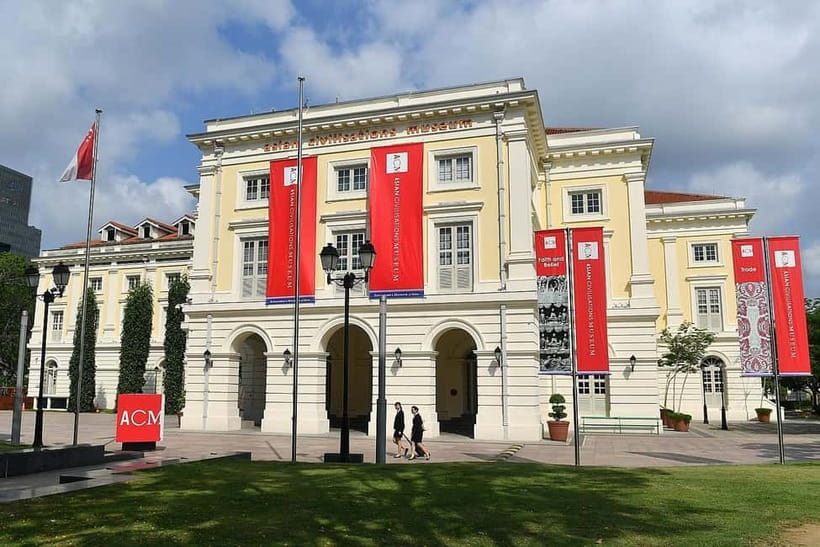
The Asian Civilisations Museum is in central Singapore and designed for visitors who like to make connections. You’re not thrown into a single “history lesson.” Instead, you walk into a set of thematic spaces that help you compare religions, trade, craft styles, and daily life across Asia.
The building itself matters. The museum’s architecture is meant to feel like a bridge between eras, with traditional forms meeting contemporary lines. That matters more than it sounds: it primes you to think about continuity and change, not just dates on a timeline.
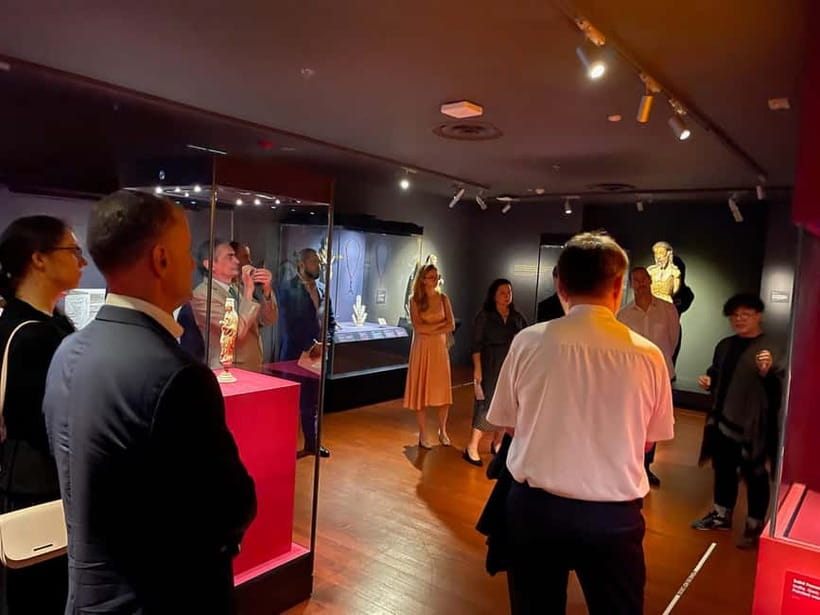
The galleries are the next win. Each room is organized so you can move from broad patterns to specific objects. That makes it easier to study details without losing the bigger story. And if you like to pause and look closely, ACM gives you enough breathing room to do that.
How the e-ticket works for permanent galleries
This is an admission e-ticket for ACM’s permanent galleries only. That’s important for value. You pay for the museum’s core collections, so you don’t have to guess whether you’ll spend your money on temporary rooms that might change week to week.
To use it, you go straight to the Asian Civilisations Museum for redemption. The experience ends back where you started, which is handy when you’re building the rest of your Singapore day.
Tip: if you’re aiming to see the best mix, go with a plan. ACM is built around multiple galleries, so you’ll enjoy it more if you enter knowing you want to compare categories like ceramics, textiles, and religious art.
Air-conditioned history, more halls to wander
Gallery 1: the chronological route through Asia’s civilizations

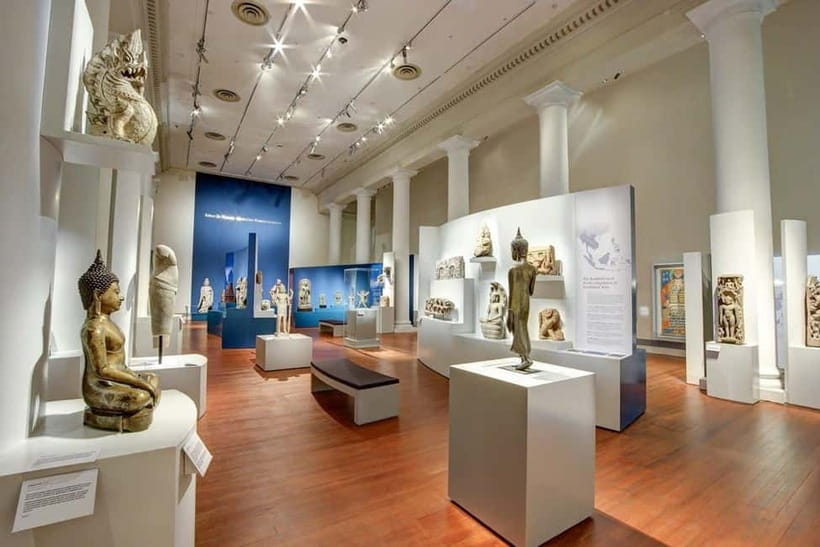
ACM’s first major space is arranged like a journey through time. You start at the origins and follow an evolution of Asian civilizations through artifacts and archaeological finds. This is a good approach for visitors who feel lost in “everything, everywhere” museums. Here, you get a route.
What I like about this timeline section is that it doesn’t treat artifacts like museum-polished trophies. It treats them like evidence. You’ll see how objects reflect belief systems, trade networks, and artistic preferences that changed as societies changed.
A couple of examples that help anchor the timeline:
- Sculptures of Hindu gods, which give you a sense of religious iconography and craftsmanship.
- Ceramics from ancient China, which show how material culture can travel through centuries and remain recognizable.
If you’re the type who enjoys making links between regions, this chronological room is your starter course. It sets up the comparison mindset you’ll need for the later craft-focused galleries.
Textiles and batik-style prints: craft you can read
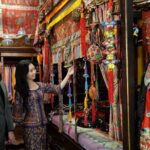
If you’ve ever wondered why a fabric can feel more powerful than a painting, ACM answers that. The textile-focused gallery is where you’ll slow down. The displays are built around technique and materials: embroidered work, pattern logic, and color choices.
The museum highlights the work of Asian weavers, including embroidered fabrics and batik-style prints. This matters because textile traditions often carry identity across generations. Even when political borders shift, weaving skills and motifs can persist.
Also, textiles let you connect history with something practical. Jewelry might feel separate from daily life, but fabrics were used every day. They also travel. Patterns can spread through trade and migration, which is exactly the kind of cultural connection ACM tries to show.
Practical tip: give yourself a moment at each display to look for repeating elements. If you do that, the gallery stops being just pretty patterns and starts becoming a visual language.
Jewelry gallery: power, belief, and status in metal and stone
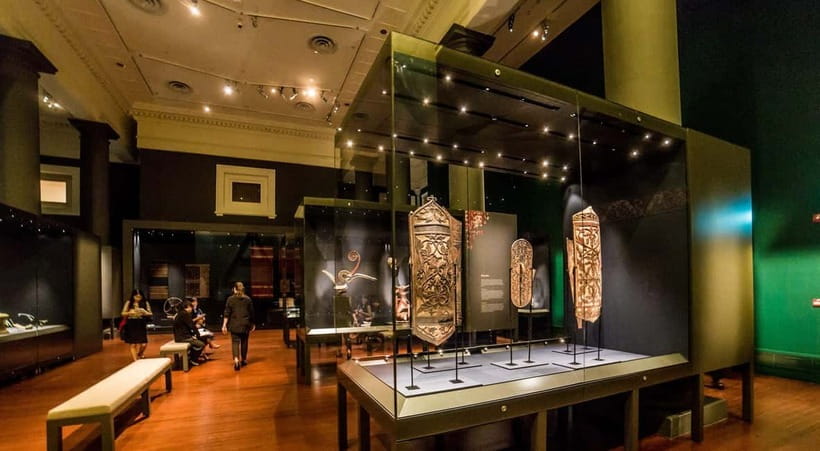
Next up is the jewelry gallery, and it’s more than a shiny break from ceramics and cloth. The displays cover ornate adornments that reflect the sophistication of Asian societies across different periods.
Jewelry is a smart museum choice because it tells multiple stories at once. It can signal status. It can reflect religious meaning. It can show local materials and global influences. The result is that you can learn a lot without needing a long explanation.
If you like objects with strong symbolism, this is the room to linger in. Even when you don’t know every term, you’ll notice how designs change—how certain motifs appear in one era more than another, and how craftsmanship levels vary across regions.
Other entries worth pre-booking
- Singapore: Gardens by the Bay Bundle Entry Ticket★ 4.3 · 3,726 reviews
- Singapore: Singapore Flyer Entry Ticket★ 4.7 · 907 reviews
- Singapore: Sentosa Wings of Time Fireworks Symphony Ticket★ 4.3 · 321 reviews
- Singapore: Museum of Ice Cream Entrance Ticket★ 4.3 · 225 reviews
Southeast Asia gallery: Thai ceramics and Indonesian woodcarving
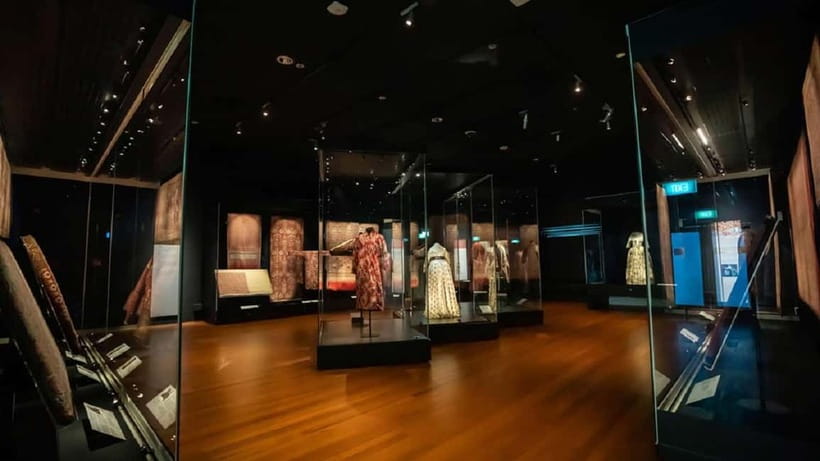
One of the most satisfying parts of ACM is the Southeast Asia-focused section. It expands what “Asian art” means by showing regional variety instead of one single style.
You can see examples like:
- Thai ceramics with distinct character in shapes and finishes
- Indonesian woodcarving that reflects skill and cultural themes
This gallery helps you move from general Asia-wide comparisons into more specific regional identities. And it’s also a good reality check. When you look closely, you realize that “shared influences” doesn’t mean everything looks the same. It means ideas move, then local artists adapt them.
If you enjoy travel museums where you come away with clearer mental maps, this room helps a lot.
A shipwreck pottery highlight that turns history into story
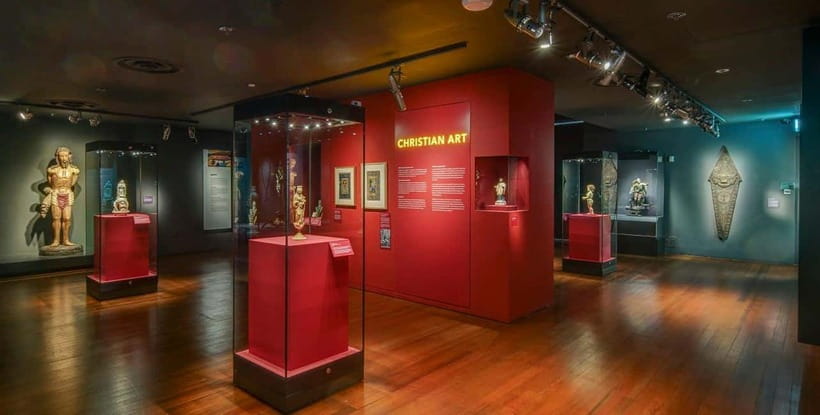
One of the most memorable moments people point out is pottery linked to a shipwreck. That detail changes how you experience the museum.
Instead of artifacts staying safely in the past, a shipwreck clue adds tension and movement—cargo routes, storms, loss, and the harsh randomness of survival. You start imagining what was loaded, where it was heading, and what people later did with the recovered goods.
That’s a big reason ACM can feel more human than you expect. Many museums show objects. This one often helps you feel the journey behind them.
Special exhibitions and programs: what you may see, and what you won’t
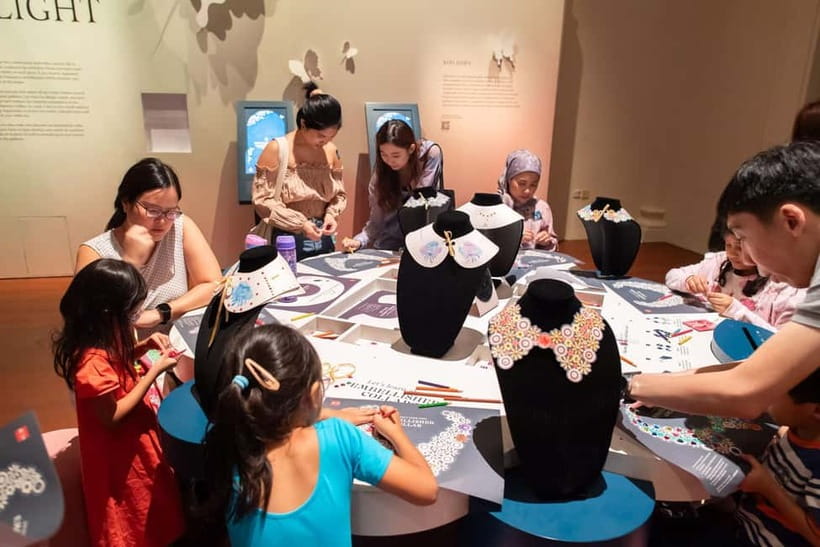
ACM doesn’t only run permanent galleries. It also hosts special exhibitions and cultural events, and the museum offers programs like interactive workshops and lectures.
However, your e-ticket is for permanent galleries only. So treat special exhibitions and events as bonus possibilities, not guaranteed parts of your ticket. If you’re traveling with a tight schedule and those temporary elements matter, plan to check what’s running on your day.
This approach protects your time. You won’t waste energy chasing something that isn’t included. You’ll enjoy the permanent collections no matter what.
Price and value: $8 for permanent access in a top Singapore museum
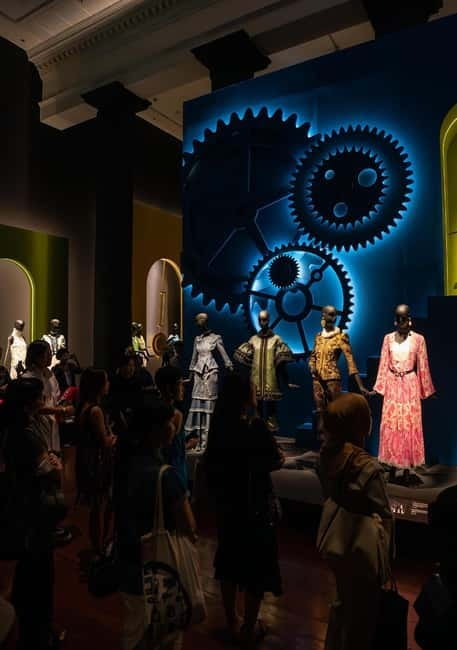
At about $8 per person, the value is straightforward: you’re paying for entry to the permanent galleries, which are where ACM’s core story lives. Since the e-ticket covers the main collections, you’re not taking a risk on whether temporary rooms will impress you more.
For Singapore, where museum pricing can add up, this is a sensible spend if you want real object-focused learning. And because the galleries cover multiple categories—ceramics, religious art, textiles, jewelry, and Southeast Asia craft—you get variety without needing separate tickets for different themes.
Also, ACM’s rating is strong, with a community score around 4.5 out of 5 from 24 reviews. That doesn’t replace your own interests, but it’s a good sign the museum’s core collections land well for most people.
Practical tips to enjoy ACM without feeling rushed
ACM works best when you slow down and treat it like a study session. The categories are arranged so you can compare details room to room. Here’s how to do that without turning it into homework.
- Start with the timeline room to get your bearings. Then move into textiles and jewelry where you can focus on craft and symbolism.
- In the Southeast Asia gallery, look for what feels consistent and what feels different. That mental comparison is what makes the experience click.
- Keep an eye out for object stories, like the shipwreck pottery highlight. Those are the moments that turn the museum from visual to memorable.
If you’re traveling with kids, ACM can work well, especially because the museum includes galleries that are visually readable even without deep background. Just remember: children 7 and above need a ticket.
Who should book this ACM permanent-galleries ticket
This ticket suits you if:
- You like museum time where you can actually study artifacts
- You want a structured path through Asian civilizations
- You care about textiles, ceramics, religious iconography, and craft traditions
- You’re looking for an affordable museum stop that still feels substantial
It might be less ideal if:
- You’re only interested in temporary special exhibitions and events
- You need a very fast, checklist-style visit where nothing requires careful looking
If your Singapore day includes shopping or skyline views, ACM is a nice counterbalance. It’s grounded in materials and design, not just scenery.
Should you book this Asian Civilisations Museum ticket?
Yes, I’d book it if you want a solid dose of permanent collections at a fair price and you’re open to learning through objects. The museum’s strength is its gallery organization: timeline first, then craft categories like textiles and jewelry, plus a Southeast Asia section that keeps the story from turning into a single-style lecture.
Skip booking only if you know you specifically want a particular special exhibition or event that isn’t covered by permanent-gallery entry. In that case, you’ll want to confirm what’s included for your chosen date.
Overall, ACM is the kind of museum where you come away with clearer connections: how religious art, everyday craft, and trade history can share the same space—and still feel personal when you study the details.
FAQ
Is this ticket for permanent galleries or special exhibitions?
This e-ticket includes admission to the permanent galleries only.
What is the price for the ticket?
The price is listed as $8 per person.
Where do I redeem the e-ticket?
You should proceed directly to the Asian Civilisations Museum for redemption.
Do children need tickets?
Children 7 years old and above must purchase a ticket for entry. Children 6 years and below get free admission to all permanent galleries.
Are seniors allowed, and do they need proof of age?
Yes. Seniors 60 years and above can qualify with valid proof of identity (for example, a passport or school pass) presented at the Visitor Services counter.
Is there wheelchair access and stroller access?
Yes. The galleries allow wheelchair access and stroller access.
Do children need to be accompanied by adults?
Yes. Children must be accompanied by adults at all times.
Who gets free admission?
Singapore Citizens, Permanent Residents, and Children 6 years and below (any nationality) have free admission to all permanent galleries.
Tickets People Pre-Book Here

Museum Hours on the Island


Fresh Reviews from the Little Red Dot
- Night Safari Tickets with Tram Ride
★ 4.5 · 3 reviews - Singapore: Architecture and Food Tour with Tastings
★ 5.0 · 3 reviews - Singapore Private Full-Day Sightseeing Tour
★ 5.0 · 3 reviews - Private Chinatown Heritage Tour with Best 8 Local Tastings
★ 5.0 · 3 reviews
Singapore Museums & Galleries, compared.
 ★ 4.3Museum of Ice Cream Entrance TicketFrom $37225 reviews
 ★ 4.3National Gallery Singapore Admission TicketFrom $12159 reviews
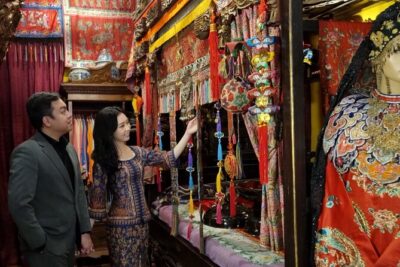 ★ 5.0The Peranakan Mansion – Experience Singapore’s Unique CultureFrom $30117 reviews
 ★ 5.0Chinatown Heritage Centre (Admission Ticket)From $2065 reviews
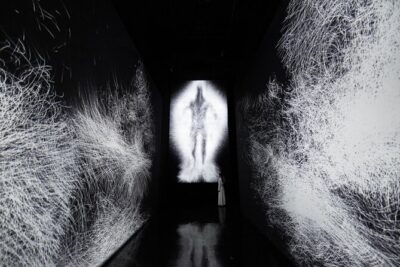 ★ 3.5Singapore ArtScience Museum Admission TicketFrom $425 reviews
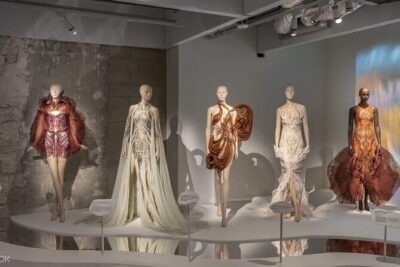 ★ 4.0Singapore ArtScience Museum Admission E-TicketFrom $3318 reviews
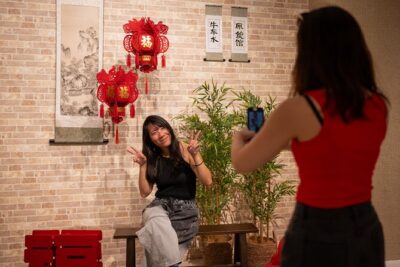 ★ 5.0Chinatown Heritage Centre Tour ExperienceFrom $3613 reviews
 ★ 3.9Omni Theatre IMAX Show Admission TicketFrom $1113 reviews
Browse the lists this tour appears in