
Reviewed · LITTLE INDIA & KAMPONG GLAM TOURS
Singapore: Chinese, Indian & Arabic Quarters, Culture & Food Tour
Street food, mosques, markets, and great stories.
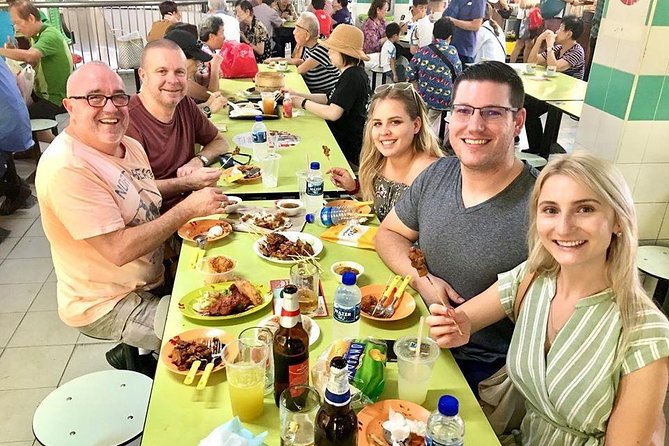
This small-group tour led by fourth-generation Singapore-Chinese-Peranakan host Gerry Tan turns three neighborhoods into one easy day of UNESCO hawker centre tastings plus history. I like that the food is the centerpiece and the context comes right along with it, so you’re not just sampling dishes in random spots. One drawback to plan around: if you’re vegetarian or have dietary restrictions, the tour’s food focus may not work for you.
You get a full half-day that starts in Chinatown and ends back near the start, with time to look around and eat your way across Singapore’s Chinese, Indian, and Malay quarters. The day runs about 5 hours 30 minutes, caps at 8 people, and includes pickup options plus a mobile ticket.
In This Review
- Key highlights that matter on the ground
- A 5½-hour street-food primer across Chinatown, Little India, and Kampong Glam
- Price and included food: why $148 can actually feel fair
- Your guide day: what makes Gerry Tan’s style work
- Stop 1: Chinatown streets, early community stories, and classic bites
- Stop 2: Little India’s markets, incense streets, and spice-forward food
- Stop 3: Kampong Glam and the Sultan Mosque for Malay Quarter history
- How the walking, timing, and public transit fit together
- What you’ll eat and drink: how to pace yourself
- Who this tour is best for (and who should skip it)
- Should you book this Singapore Chinatown, Little India, and Kampong Glam food tour?
- FAQ
- How long is the Singapore Chinatown, Little India & Kampong Glam tour?
- Where does the tour start and end?
- What’s included in the price?
- Is pickup offered?
- What time does the tour start?
- How large is the group?
- Are there any admissions fees included for stops?
- Is the tour suitable for vegetarians or people with dietary restrictions?
- Is the tour recommended for people with gluten intolerance?
- What happens if weather is poor?
Key highlights that matter on the ground
- A guide with local roots: Gerry Tan blends neighborhood stories with food culture, and he has a very personal way of explaining how Singapore formed.
- UNESCO-inscribed hawker centres as your food map: you’re eating where locals actually go, not just stand-in restaurants.
- Drinks are part of the deal: alcoholic and non-alcoholic beverages are included, so you’re not rationing your budget on water or beer.
- Three distinct quarters, one smooth route: Chinatown, Little India, and Kampong Glam are walked and connected in a way that still feels doable.
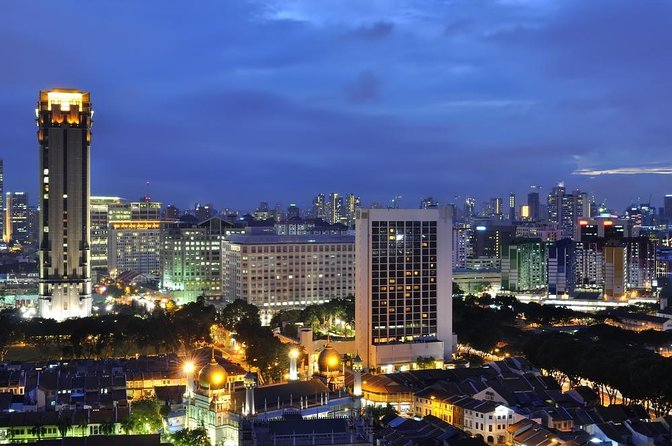
- Sultan Mosque time in Kampong Glam: you get to see the grand mosque while you learn what Malay royal history looks like in the street layout.
- Big appetite energy is required: plan to skip breakfast and wear comfortable shoes because you’ll eat a lot and walk a lot.
A 5½-hour street-food primer across Chinatown, Little India, and Kampong Glam
If your first goal in Singapore is to understand what people actually do, eat, and celebrate, this kind of tour is a smart shortcut. You cover three iconic quarters in one morning-and-late-lunch style loop, which is handy when you’re short on time or trying to make the most of a first visit.
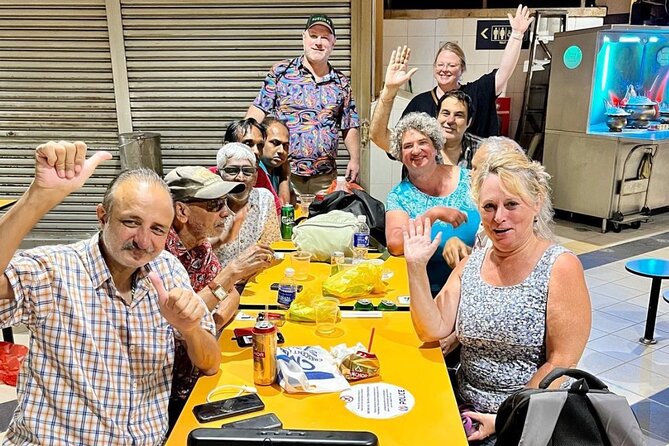
What I like most is the balance of food + explanation. You’re tasting dishes in hawker centres, but you’re also getting why those dishes exist: the migration patterns, the trading history, and the way each community shaped daily life. The tour doesn’t treat Chinatown, Little India, and Kampong Glam like postcard sets. It frames them as neighborhoods that grew for real reasons.
Just remember this is not a “sit and listen” experience. The structure is built around walking, standing, and eating at street level. Moderate fitness is recommended, and it won’t feel comfortable if you’re expecting a slow, stroller-friendly stroll.
Price and included food: why $148 can actually feel fair
At $148 per person, the obvious question is what you get for the money. Here’s the practical answer: you’re paying for a guided loop through three food districts with meals, snacks, and beverages handled for you.
Included in the package are lunch and dinner, plus snacks, coffee or tea, and soda/pop, along with bottled water. Alcoholic and non-alcoholic drinks are included too. In other words, it’s not just a “small tasting.” You should expect to leave genuinely fed.
That matters in Singapore, where a single meal can add up fast once you factor in drinks and convenience. With this format, you’re effectively buying access to hawker-centre tastings and logistics (a local guide, a route that makes sense, and stops lined up so you’re not hunting for the right stall yourself).
Two value notes I’d keep in mind:
- You’ll need to pace your appetite. One review described it as “maybe a little too much food,” which is exactly what you want from a hawker-centre tour, as long as you come prepared.
- Drink inclusion is part of the budgeting math. If you’re planning to try local beers anyway, this reduces the “extras” cost.
From Tekka to the Sultan Mosque, more quarter time
Your guide day: what makes Gerry Tan’s style work
This tour is hosted by Gerry Tan, and that name matters because his approach is repeatedly mentioned as the reason the experience feels more like a day with a capable local than a scripted food crawl.
From what you can expect, Gerry connects food to neighborhood history in a way that keeps your brain awake between bites. He also responds to questions, and he’s comfortable talking about both heritage and current-day issues. That means you’re not just hearing dates and names; you’re learning how people live now, and why older markets and street layouts still influence today.
Another small but real win: the experience includes help with getting around using public transit. If you’re new to Singapore, that’s a confidence boost. You’ll see how to move between these quarters without feeling lost every time you step out of a station.
Stop 1: Chinatown streets, early community stories, and classic bites
The day starts in Chinatown, and it’s a good opener because it sets the tone: Singapore’s food culture didn’t appear out of nowhere. It’s tied to migration, trade routes, and the daily needs of communities that formed as the city expanded.
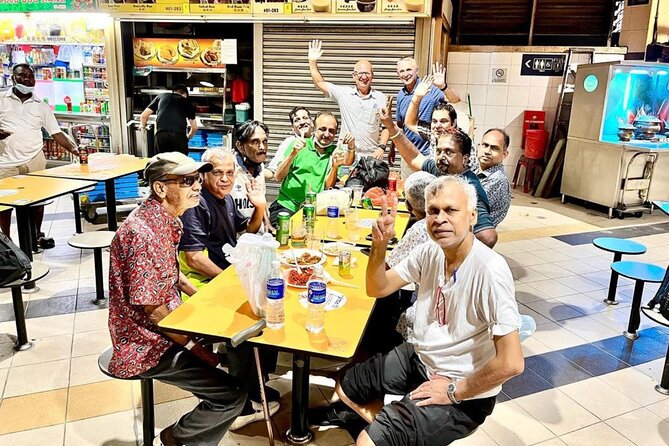
You’ll spend about 1 hour 15 minutes exploring the neighborhood, soaking up the sights while your guide shares stories of early Chinese settlers and how Chinatown’s identity formed. That context helps the tastings make more sense. Instead of treating each dish as a one-off, you start noticing patterns: what tastes popular, what gets shared, and why certain ingredients became staples.
Practical Chinatown tips:
- Come with a clear plan to eat, not just look. Hawker centre portions add up.
- Expect a mix of flavors, including options that can skew savory and strong, depending on what’s served that day.
Comfort note: the heat and humidity show up fast in Singapore. Chinatown mornings can feel manageable, but you’ll still want water from your included supply and a hat if you’re sensitive to sun.
Stop 2: Little India’s markets, incense streets, and spice-forward food
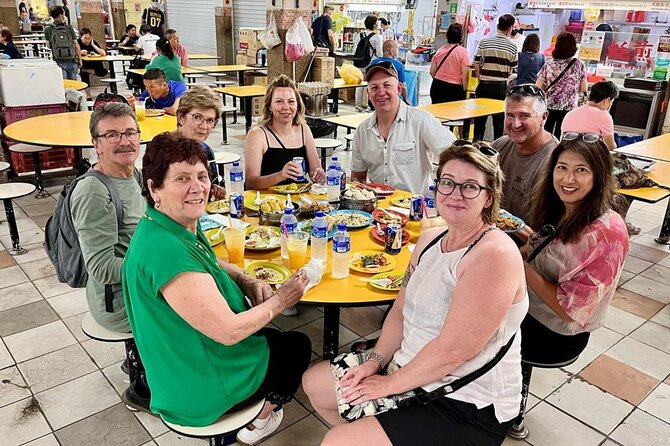
Next up is Little India, where the street atmosphere does a lot of work for you. You’ll walk through areas known for the color of street stalls selling fresh fruit and vegetables, flower garlands, traditional clothing, and incense. It’s the kind of sensory environment where you can almost feel the neighborhood’s rhythms through the crowds and shopfronts.
This stop also runs about 1 hour 15 minutes. The guide’s job here is to connect what you see—especially market culture—to what you’ll taste. Expect food that leans into bold spices. If you like flavor that hits you first and lingers second, this is where you’ll likely feel the joy.
One helpful note if you’re trying to plan your day: this is the type of tour where the market walking isn’t just for photos. You may also pass by market-side areas like vegetable and wet-market zones, and there can be nearby religious sites in the area as you go. The point is to see how food shopping, commerce, and community sit next to each other.
If you’re someone who doesn’t do well with spicy food, you should still come. Just communicate your comfort level. But if your dietary needs are complex, this is exactly the part of the day that might feel harder, since the tour is built around shared tastings.
Still hungry? The hawker trail keeps going
- Small Group: Michelin and Local Hawker Food Tour with 9 tastings★ 5.0 · 1,890 reviews
- Small Group: Singapore Street Food & Night Tour with 9 tastings★ 5.0 · 1,240 reviews
- The Award-Winning PRIVATE Food Tour: 10 Tastings of 3 Cultures★ 4.5 · 1,017 reviews
- Singapore: Chinese, Indian & Arabic Quarters, Culture & Food Tour★ 5.0 · 789 reviews
Stop 3: Kampong Glam and the Sultan Mosque for Malay Quarter history
The final neighborhood is Kampong Glam, specifically the Malay Quarter. If Chinatown gives you migration-and-trade context, and Little India gives you market-and-spice energy, Kampong Glam gives you something different: a sense of identity shaped by Malay royalty and the architecture of community spaces.
You’ll visit the grand Sultan Mosque (officially referred to as the Grand Mosque of Singapore). Seeing it while you hear the neighborhood story makes it easier to understand why this area feels like it has its own gravity. You’re not just admiring a building; you’re watching how the mosque relates to nearby streets and commerce.
This stop is also about 1 hour 15 minutes, focused on older streets, how the area developed, and what Malay royalty used to mean in local life. You may also notice the retail texture shifts toward textiles—fabrics and carpets show up along the way—so the neighborhood experience keeps moving from food to culture to shopping.
Tour-style sweet ending: one diner-friendly detail is that the day can finish with ice cream. It’s not mentioned as a guaranteed line-item in the basic tour description, but it does show up as a memorable end-of-day moment in the real experience.
How the walking, timing, and public transit fit together
This is a 5 hours 30 minutes tour, and it feels longer only because you’ll be doing two things at once: exploring and eating. Singapore’s weather changes your perception of time. When it’s humid, even short walks feel like work, so the route planning matters.
The tour is also described as near public transportation, with pickup offered. That combination is great because it helps you avoid the “stand in the heat while we figure it out” problem that happens on self-guided days.
One thing I’d plan for: comfortable shoes. This doesn’t read like an easy stroll. You can expect a step count in the 6,000-plus range on average, and it can run higher. The good news is that the pace is structured so you’re stopping for food and stories rather than walking until you’re miserable.
If you’re the type who usually skips breakfast on vacation, don’t. One of the best practical pieces of advice is to show up ready to eat. If you come already full, you’ll lose the magic of being able to try everything without regret.
What you’ll eat and drink: how to pace yourself
The tour includes coffee and/or tea, lunch and dinner, and multiple snacks across hawker stops. Drinks include both alcoholic and non-alcoholic options, and bottled water is provided.
That’s a lot of food and it’s why the pacing advice matters more than it usually does. Here’s how I’d handle it:
- Expect at least a couple of heavier, savory bites. Plan to share or slow down if you’re not used to Singapore hawker portions.
- Use water between tastings. It’s included, so you shouldn’t suffer through.
- If you’re drinking alcohol, remember you still have hours of walking. Start easy and sip, don’t chug.
Also, be aware of the limitation: the tour is not recommended for gluten intolerance and not recommended for travelers with dietary restrictions. There’s also a specific note that it’s not recommended for vegetarians because the experience would be compromised. If your diet is strict, this tour may end up frustrating instead of fun.
Who this tour is best for (and who should skip it)
This tour is ideal if you want a first-day orientation to Singapore food culture and you like structured exploration. It’s also a good fit for people who enjoy hearing why a neighborhood is the way it is, not just where to take a photo.
You’ll likely be happiest if:
- You like street food and you can handle spice.
- You want a guide with strong local ties explaining both food and place.
- You prefer small-group interaction (max 8 travelers) over large bus tours.
You should consider skipping if:
- You’re vegetarian or you have major dietary restrictions (the tour is described as not suitable for those needs).
- You have gluten intolerance.
- You need stroller/pram support or you rely on personal mobility aids, because it’s not recommended for those situations.
If you’re traveling solo, small-group tours often feel friendlier. If you’re traveling with friends, this kind of format also helps because you can trade bites and keep the momentum going.
Should you book this Singapore Chinatown, Little India, and Kampong Glam food tour?
I’d book this tour if your goal is to learn Singapore through food in three of its most defining quarters, without spending your entire trip “researching what to eat next.” The combination of hawker-centre tastings, included meals and drinks, and a guide like Gerry Tan who connects history to what you’re actually eating makes it a strong value play at $148.
I wouldn’t book it if your dietary needs are strict or if you’re looking for a very relaxed, low-walking outing. And if you’re sensitive to heat or humidity, you’ll want to show up prepared with sun protection and water since the day is designed around walking between neighborhoods.
If you want one clear decision rule: book it when you can eat freely and you want a guided cultural walkthrough with UNESCO hawker stops. Skip it when food limits are strict, or you need an accessibility-friendly pace.
FAQ
How long is the Singapore Chinatown, Little India & Kampong Glam tour?
The tour runs about 5 hours 30 minutes.
Where does the tour start and end?
It starts in Chinatown, Singapore and ends back at the meeting point.
What’s included in the price?
Coffee and/or tea, lunch, dinner, snacks, soda/pop, bottled water, and both alcoholic and non-alcoholic beverages are included.
Is pickup offered?
Yes, pickup is offered.
What time does the tour start?
The start time is 9:00 am.
How large is the group?
The tour has a maximum of 8 travelers.
Are there any admissions fees included for stops?
Admission tickets for the stops are listed as free.
Is the tour suitable for vegetarians or people with dietary restrictions?
It is not recommended for vegetarians, and it’s also not recommended for travelers with dietary restrictions.
Is the tour recommended for people with gluten intolerance?
No, it’s not recommended for travelers with gluten intolerance.
What happens if weather is poor?
This experience requires good weather. If it’s canceled due to poor weather, you’ll be offered a different date or a full refund.
Hawker Stalls Left on the List

Little India and Kampong Glam, Continued

Fresh Reviews from the Little Red Dot
- Night Safari Tickets with Tram Ride
★ 4.5 · 3 reviews - Singapore: Architecture and Food Tour with Tastings
★ 5.0 · 3 reviews - Singapore Private Full-Day Sightseeing Tour
★ 5.0 · 3 reviews - Private Chinatown Heritage Tour with Best 8 Local Tastings
★ 5.0 · 3 reviews
Little India & Kampong Glam Tours, compared.
 ★ 5.0Chinatown, Little India, Kampong Gelam City Highlights TourFrom $80224 reviews
Chinatown, Little India, Arab Street Walking TourFrom $53207 reviews
★ 5.0Chinatown, Little India, Kampong Gelam City Highlights TourFrom $80224 reviews
Chinatown, Little India, Arab Street Walking TourFrom $53207 reviews
 ★ 4.8Chinatown and Little India Guided Walking TourFrom $78190 reviews
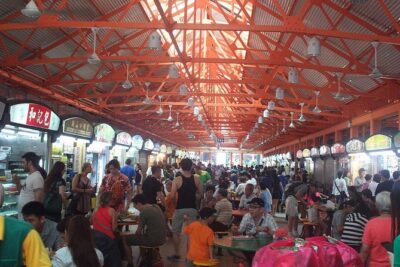 ★ 4.5Kampong Glam, Little India & Chinatown with Local Street Food TastingsFrom $17770 reviews
 ★ 5.0#instawalk: Bugis, Waterloo, Kampong GlamFrom $5660 reviews
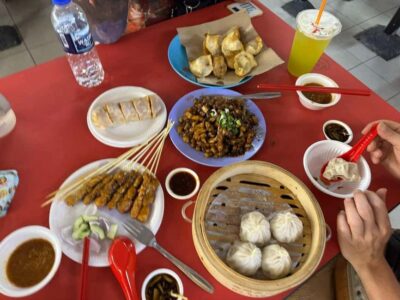 ★ 5.0Tasting Trails: Chinatown OR with Kampong Glam, Little IndiaFrom $6759 reviews
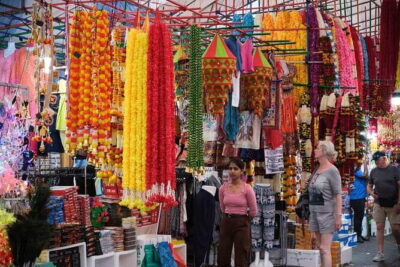 ★ 5.05 hours Little India, Kampong Glam, Chinatown with 9 Food TastingFrom $14158 reviews
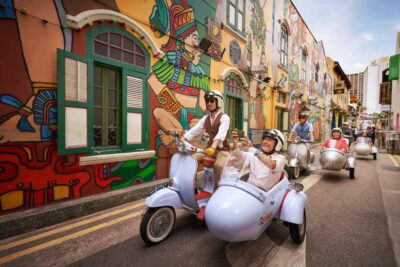 ★ 4.9Kampong Glam & Civic District Vespa Sidecar RideFrom $15649 reviews
Browse the lists this tour appears in