
Reviewed · CHINATOWN TOURS & TASTINGS
Tasting Trails: Chinatown OR with Kampong Glam, Little India
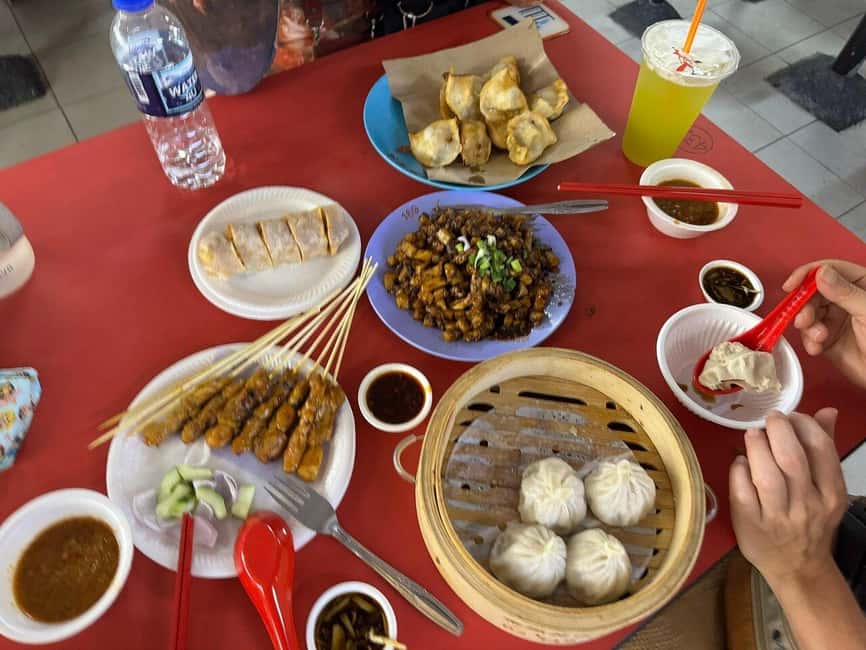
Singapore tastes like a shortcut. This small-group tour strings together Chinatown and, if you choose, Kampong Glam and Little India, with a licensed local guide and 8–10 tastings that connect food to daily life fast. You get a time-efficient route that keeps walking, eating, and history in balance.
I like the way the pacing works: landmark photo stops sit right next to places where locals actually eat, from old-school kopi to major hawker centres. One watch-out: it’s largely meat-based, so vegetarian options are limited and depend on what stalls have that day.
In This Review
- Key things that make this tour worth your time
- Food Maps: Chinatown, Kampong Glam, and Little India in One Route
- Choosing the Right Length: 3-Hour Chinatown OR the 3-Area Trio
- Starting Point Reality: Bee Cheng Hiang as a Handy Landmark
- Chinatown Heritage Stops: Lanes, Murals, and Old-School Coffee
- Hawker-Centre Tastings: Maxwell and Chinatown Complex
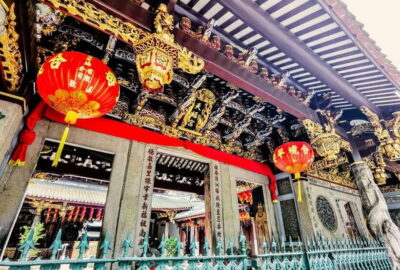
- Buddha Tooth Relic Temple: Culture Stop That Actually Feels Relevant
- Kampong Glam: Sultan Mosque Area, Malay Bites, and Street-Art Photos
- Little India Finish: Spice Scents, Dosai Finds, and Tekka-Centre Energy
- Price and Value: What $67 Buys You in Real Food Time
- Food Rules You Should Know Before You Book
- Practical Tips: Shoes, Heat, and Eating So You Don’t Feel Ruined
- Should You Book This Singapore Food Tour?
- FAQ
- How long is the tour?
- What does the tour cost?
- How many tastings will I get?
- Are there vegetarian options?
- What if I have food allergies?
- Is this tour suitable for children?
- Is the group size private or small group?
- Do I need to reserve seating at the hawker stalls?
- Where does the tour end?
Key things that make this tour worth your time
- 8–10 local tastings from hawker stalls and heritage eateries, not just samples
- Licensed local guides who focus on stories tied to food, streets, and customs
- Two route choices: a focused Chinatown option or a fuller trio across three districts
- Practical city flow with short MRT hops between neighbourhoods so you don’t lose hours
- Family-friendly pace with an activity that works for curious kids (even very young ones)
Food Maps: Chinatown, Kampong Glam, and Little India in One Route
Singapore’s best food learning happens when you watch how people move, order, and share space. This tour does that on purpose. You’ll walk through heritage lanes, hit hawker centres for proper bites, and stop at major cultural landmarks so the flavours make sense.
What I like most is that the food is the curriculum. You don’t just get a list of dishes. You learn why these areas blend influences, how communities formed, and what locals think of as everyday comfort. Guides such as Dawn, Kelvin, Jeanette, Leo, and Liang are repeatedly praised for turning history into something you can taste and picture.
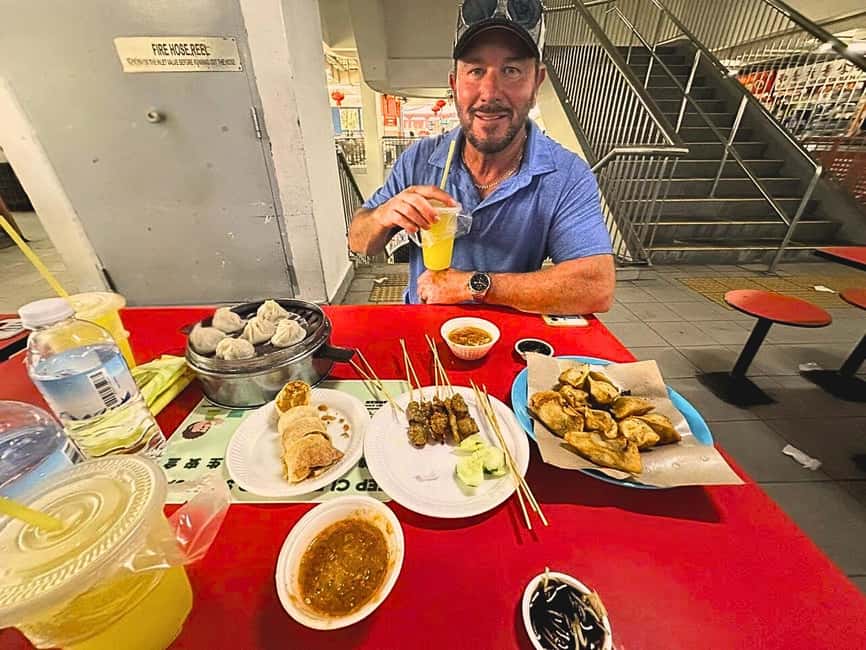
Expect 8–10 tastings along the way, plus drinks like kopi and tea at places locals use for a quick reset. It’s also designed to be manageable if you’re not trying to spend your whole day “on tour mode.” You’re eating, yes, but you’re also walking at a human pace with enough breaks to stay comfortable.
And because this is a hawker-style experience, you’ll be eating where seating can be first-come, first-served. That’s normal here, and it’s part of the charm.
Choosing the Right Length: 3-Hour Chinatown OR the 3-Area Trio
You have two main ways to shape the day.
If you choose the shorter 3-hour Chinatown Food Tour, you’ll focus tightly on Chinatown streets and the flavours that grew there. This option is ideal if you’re staying close by, want a first taste of Singapore food culture, or you’d rather save time for other plans.
If you add in Kampong Glam and Little India, you’re signing up for a longer route across three districts. That’s the best fit when you want variety: Malay bites and mosque-area heritage in Kampong Glam, then spice-market energy and dosai comfort food near the Little India end.
The full experience is listed at 3 to 7 hours, depending on which option you book and how your route is timed. Either way, the idea stays the same: don’t waste time bouncing around the city with no plan.
Chinatown holds more lanes than one afternoon
Starting Point Reality: Bee Cheng Hiang as a Handy Landmark
Your meeting point can vary by option, but one common anchor is Bee Cheng Hiang at 69 Pagoda Street. It’s a practical start because it’s easy to spot and it’s already part of Little India’s food identity. You’ll meet up, get a quick orientation, and then get moving into tasting rhythm.
Right from the start, you’ll likely begin with a short food tasting (the schedule shows a brief first stop right at the start point). It’s a good way to get your appetite working before you hit the heritage streets and longer walks.
Also, plan on short “transitions.” The tour includes time for MRT/subway segments between areas, so you’re not stuck walking across whole city blocks in one go. Since public transport is marked as not included, bring a small buffer for MRT rides if your route uses them.
Chinatown Heritage Stops: Lanes, Murals, and Old-School Coffee
In Chinatown, you’re not just sightseeing. You’re moving through spaces that shaped Singapore’s food mix.
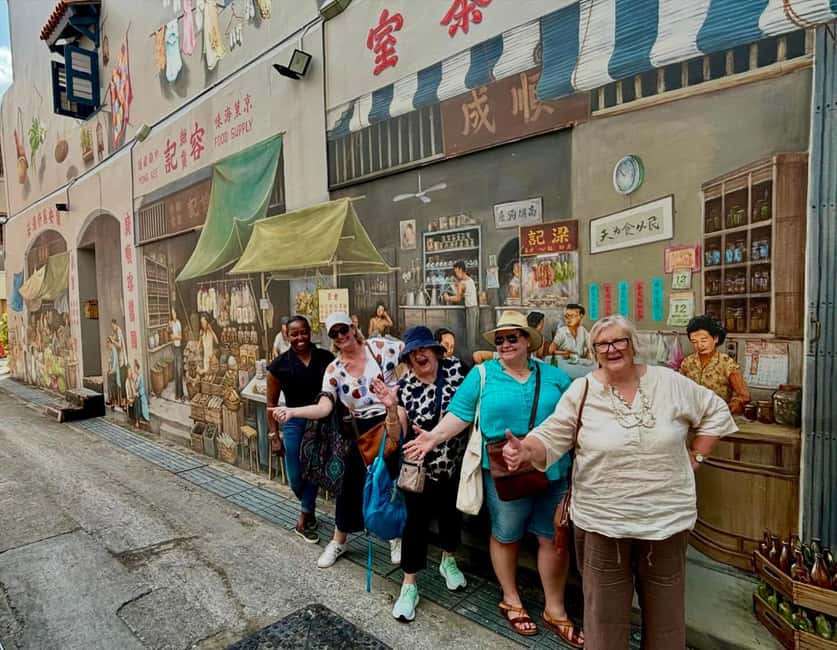
A highlight is the Chinatown Heritage Centre stop, where you’ll get a guided visit and walk-by moments that help you understand why the streets look the way they do. Then you’ll wander near Smith Street and Pagoda Street, with photo stops and guided context. There’s also mention of alleyways lined with murals by artist Yip Yew Chong, which is the kind of detail that makes neighbourhood walking feel personal instead of generic.
After that, you hit one of the best “Singapore food culture” themes: coffee as a social habit. The schedule includes Nanyang Old Coffee, with break time plus a tasting segment. This is where you start learning that kopi isn’t just a drink. It’s a routine. Some guides also use moments like this to explain how locals order coffee or tea, so you know what you’re actually requesting when you return to the cafe scene later.
This part of the route usually pairs history with eating, not history as a lecture. If you’re the type who likes to connect flavours to place, Chinatown is where it starts to click.
Hawker-Centre Tastings: Maxwell and Chinatown Complex
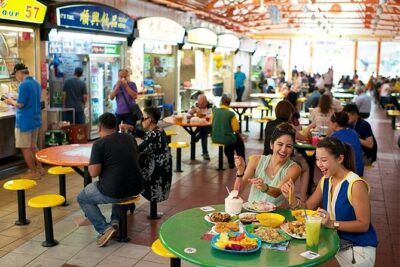
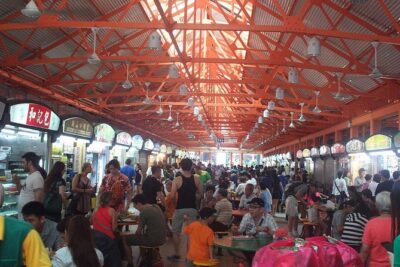
Singapore’s hawker centres are where the real “how do you live here” lesson comes from. This tour uses them smartly: you get breaks timed with tastings so you don’t end up starving or over-full before the next stop.
You’ll have a Maxwell Food Centre break with guided context and a food tasting window (the plan shows about 20 minutes there). Maxwell is a classic place for people-watching and for trying multiple dishes without making it a sit-down restaurant day. It’s also a good reset when the walking gets warm.
Later, you’ll also have time around Chinatown Complex, another hawker hub tied to the area’s daily routines. This lets you see that hawker culture isn’t one single vibe. It shifts by neighbourhood, food traders, and crowd patterns.
One thing to remember: since many hawker stalls have first-come, first-served seating, you’ll sometimes share space and rotate quickly. That’s not a problem. It’s the norm. In fact, that’s part of why the tastings feel authentic.
From Tekka to the Sultan Mosque, more quarter time
- Singapore: Chinese, Indian & Arabic Quarters, Culture & Food Tour★ 5.0 · 789 reviews
- Singapore: Chinatown and Little India Guided Walking Tour★ 4.8 · 190 reviews
- #instawalk: Bugis, Waterloo, Kampong Glam★ 5.0 · 60 reviews
- Tasting Trails: Chinatown OR with Kampong Glam, Little India★ 5.0 · 59 reviews
Buddha Tooth Relic Temple: Culture Stop That Actually Feels Relevant
Yes, you’ll get a major attraction stop: Buddha Tooth Relic Temple. You’ll visit it with a guided component and then keep walking through the area with more context built in.
I like this stop because it changes the pace. Hawker food is loud, quick, and sensory. A temple visit gives you a different angle on how communities built their lives around faith, art, and ritual. The temple also helps you understand why these neighbourhoods aren’t only about restaurants and shopping.
It’s a short, focused visit in the schedule, which keeps the tour from turning into a full museum day. Then you’re back to food and street-level Singapore.
Kampong Glam: Sultan Mosque Area, Malay Bites, and Street-Art Photos
If you pick the trio option, Kampong Glam is where you add a second flavour language. The tour includes a guided walk through the Kampong Glam neighbourhood, plus time for sightseeing.
You’ll spend time around Sultan Mosque, including a photo stop and guided elements. It’s one of Singapore’s most recognizable landmarks in this area, and the route is set up so you don’t just view it from outside. You get context about the neighbourhood’s identity.
Food-wise, this is where the tour leans into Malay influences. You might taste seasonal tropical fruits and kuih from family-run Malay stalls (the tour description flags these as expected highlights). You’ll also pass famous streets like Haji Lane and Muscat Street, where street art and design give the area a modern edge without erasing its roots.
One practical note: this area can feel more photo-forward, so if you want maximum eating time, go with the flow but keep your phone ready for quick stops rather than long browsing.
Little India Finish: Spice Scents, Dosai Finds, and Tekka-Centre Energy
Little India is the sensory turn at the end of the story. You’ll get a guided sightseeing walk with plenty of street-level time, and this is where you’ll likely see spice markets and floral garlands come into view.
For food, the tour points toward dosai as a standout theme. You may find off-the-radar dosai stalls (the tour description hints you’ll track down places that aren’t always obvious to first-timers). You’ll also have emphasis on the area near Tekka Centre, which is a strong reference point for classic Little India eating.
If you’re trying to understand Singapore’s “melting pot” idea, this is the district that makes the concept physical. Incense, street music vibes, bright shopfronts, and the mix of cuisines all show up within a short walk.
And by the time you finish, the tour ends at Maxwell MRT Station (TE18). That’s a useful handoff point because it makes it easier to return to your hotel or continue exploring without guessing your way back across town.
Price and Value: What $67 Buys You in Real Food Time
At $67 per person, this isn’t a cheap snack tour. But it’s also not the inflated kind of “food experience” where you pay for a theme. You’re paying for guided direction, multiple tastings, and time management across several districts.
The math is simple:
- 8–10 tastings plus drinks are included.
- A licensed local guide helps you order and choose so you don’t end up with bland picks or duplicates.
- The route structure saves you the planning headache of figuring out which hawker centres to combine and how to move between them efficiently.
So the value comes from packing real food into a short window without turning it into a rushed checklist. The fact that it runs rain or shine also protects your schedule. If you’ve planned one day around food and the weather changes, you still get your meal education.
What can make the price feel less worth it is if you’re already planning to eat the same dishes on your own with no need for guidance. If you’re a confident hawker shopper and you already know what you’ll order, you might not feel the same benefit.
Food Rules You Should Know Before You Book
This tour is listed as primarily meat-focused. Vegetarian options are available, but variety is limited and can depend on stall availability. If you’re vegetarian and want full confidence, message the operator ahead so they can tell you what’s realistic on your chosen route.
Allergy handling is also important. The tour explicitly says they can’t guarantee allergen-free meals because food comes from external vendors. If you have allergies, you should tell them in advance, but also plan for the reality that Singapore hawker food often shares ingredients and cooking spaces.
If you have very young kids, the tour description says it’s suitable, with participation from children as young as 3. The walking time is part of the experience, so pack patience and snacks for your own comfort if needed.
Finally, it’s a hawker-style environment, so people move fast, queues form, and seating isn’t reserved. That’s normal here and part of the local feel.
Practical Tips: Shoes, Heat, and Eating So You Don’t Feel Ruined
You’ll be walking between districts and through tight lanes. Bring comfortable shoes first. Then add a hat, umbrella, sunscreen, and camera. Even if the day starts mild, Singapore can turn warm fast.
Also, don’t eat a full meal before you start. The schedule is designed to keep you fed through the tour, and one guide is noted for making sure people are well fed. You don’t want a stomach that’s already at capacity when the tastings begin.
For dining, assume you’ll sometimes eat quickly and move on. That’s the rhythm of hawker culture. If you need extra time, tell your guide early so they can pace with you.
If you’re the type who likes to learn while you eat, ask questions. Some guides are known for explaining coffee and tea ordering, and some even point out unusual ingredients you’ll see sold in the area, like bird nest used for a special soup. Those little moments can make the day feel memorable beyond the food.
Should You Book This Singapore Food Tour?
Book it if you want a strong first-day or mid-trip anchor to understand Singapore through food, neighbourhoods, and stories. It’s especially worth it if you’re heading to multiple districts anyway and you’d rather let a local guide handle the logic.
Skip it or reconsider if:
- You’re vegetarian and want lots of choices, not limited substitutions.
- You have severe allergies and need allergen-free certainty.
- You hate walking and prefer your sightseeing fully inside taxis and malls.
If you fit the sweet spot of food + culture + a relaxed pace, this tour is an efficient way to get a real Singapore feeling without spending your day lost between MRT stops and closed restaurants.
FAQ
How long is the tour?
The duration is listed as 3 to 7 hours, depending on which option you book.
What does the tour cost?
The price is $67 per person.
How many tastings will I get?
The tour highlights say you’ll enjoy 8–10 authentic tastings.
Are there vegetarian options?
Yes, but options are limited. Since the tour focuses on meat-based dishes, vegetarian variety depends on the route and stall availability.
What if I have food allergies?
Let the operator know in advance. They can’t guarantee allergen-free meals because food is prepared by external vendors.
Is this tour suitable for children?
Yes. The information says families are welcome, with children as young as 3 who have joined and enjoyed the experience.
Is the group size private or small group?
It offers private or small groups, with a cap designed to keep the experience personal and interactive.
Do I need to reserve seating at the hawker stalls?
No. The experience notes that hawker seating is first-come, first-served, which is part of the charm.
Where does the tour end?
The tour finishes at Maxwell MRT Station (TE18). The meeting point can vary by option.
Hawker Stalls Left on the List

Little India and Kampong Glam, Continued
Chinatown, Lane by Lane
Fresh Reviews from the Little Red Dot
- Night Safari Tickets with Tram Ride
★ 4.5 · 3 reviews - Singapore: Architecture and Food Tour with Tastings
★ 5.0 · 3 reviews - Singapore Private Full-Day Sightseeing Tour
★ 5.0 · 3 reviews - Private Chinatown Heritage Tour with Best 8 Local Tastings
★ 5.0 · 3 reviews
Chinatown Tours & Tastings, compared.
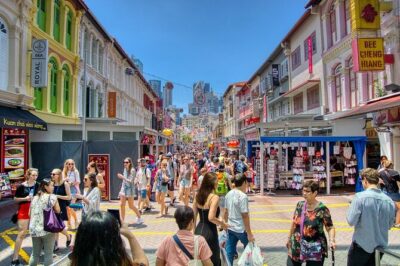 ★ 5.0Chinatown, Little India, Kampong Gelam City Highlights TourFrom $80224 reviews
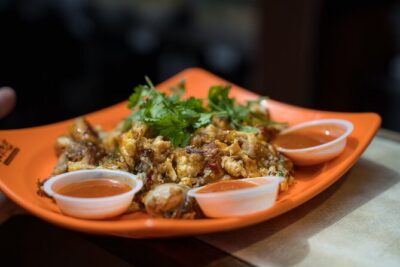 ★ 5.0Chinatown Hawker Market Food Tour with 7 Food TastingsFrom $146213 reviews
Chinatown, Little India, Arab Street Walking TourFrom $53207 reviews
★ 5.0Chinatown Hawker Market Food Tour with 7 Food TastingsFrom $146213 reviews
Chinatown, Little India, Arab Street Walking TourFrom $53207 reviews
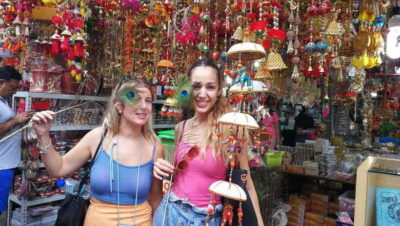 ★ 4.8Chinatown and Little India Guided Walking TourFrom $78190 reviews
 ★ 5.0Chinatown Historic Walking Tour with LunchFrom $54134 reviews
 ★ 5.0Chinatown Hawker Food Tasting TourFrom $8896 reviews
 ★ 4.5Kampong Glam, Little India & Chinatown with Local Street Food TastingsFrom $17770 reviews
 ★ 5.0Chinatown Heritage Centre (Admission Ticket)From $2065 reviews
Browse the lists this tour appears in