
Reviewed · HAWKER & STREET FOOD TOURS
Kopi & Loti
Coffee and bread, both made locally, behind glass. This Kopi & Loti outing takes you to a coffee roaster and an old-school bread factory, with samples that feel like part of everyday Singapore life. I especially liked the hands-on way the guide links what you taste to how the city works, and the fact that the stops are small enough to feel genuinely off the main tourist track.
There is one practical drawback to know up front: it runs on a tight schedule and includes factory walking, so comfortable shoes matter if you get sore feet easily.
In This Review
- Key takeaways before you go
- Two factories, one morning: what Kopi & Loti really delivers
- Stop 1 in Bedok: coffee roasting tricks and a kopi O sample
- Stop 2 in Paya Lebar: an old bread factory with retro equipment
- How the guides turn tastings into Singapore culture
- The itinerary flow: what you’ll actually do from start to finish
- Price and value: does $88.60 make sense?
- Who this tour suits best (and who might want something else)
- Small practical tips to make the morning smoother
- Should you book Kopi & Loti?
- FAQ
- How long is the Kopi & Loti tour?
- Where does the tour start and end?
- What are the two main stops on the itinerary?
- How long are the stops?
- What tastings are included?
- Is the tour private?
- What happens if the weather is bad?
Key takeaways before you go
- Bedok coffee stop (about 45 minutes): learn roasting techniques and sample kopi O (black coffee).
- Paya Lebar bread stop (about 1 hour): visit one of the last remaining bread factories in the area.
- Tastings that match the lesson: coffee and bread are not separate add-ons; they connect to the process you’re shown.
- Guides who bring the story to life: you’ll get culture clues, plus playful quiz-style moments with some guides.
- Private group option: the experience can be arranged so only your group joins you.
Two factories, one morning: what Kopi & Loti really delivers
Singapore has plenty of places to buy coffee and bread. This tour focuses on the part most people never see: how those foods get made before they hit the shelves.
The big win is that you’re not just tasting. You’re watching the steps and learning the logic behind them, from beans to roasting to brewing, and from old dough methods to how bread differs from mass-produced loaves. When you eat at the end, the flavors make more sense.
Price-wise, at $88.60 per person for about 3 hours, you’re paying for two guided visits, included access at both stops, and the tastings that go with them. That can be a fair trade if you like food culture and want more than a “see-and-sample” stop.
Stop 1 in Bedok: coffee roasting tricks and a kopi O sample
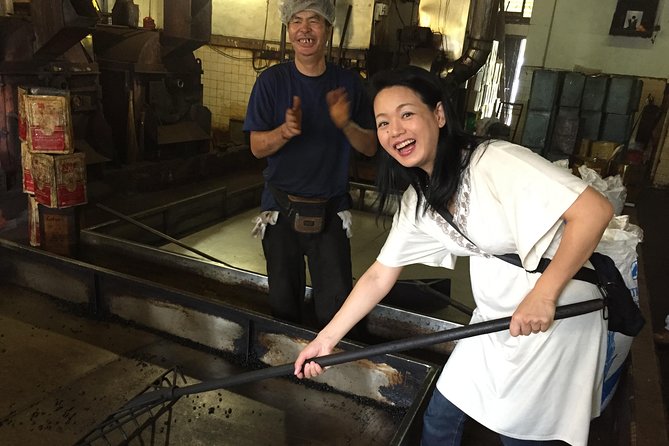
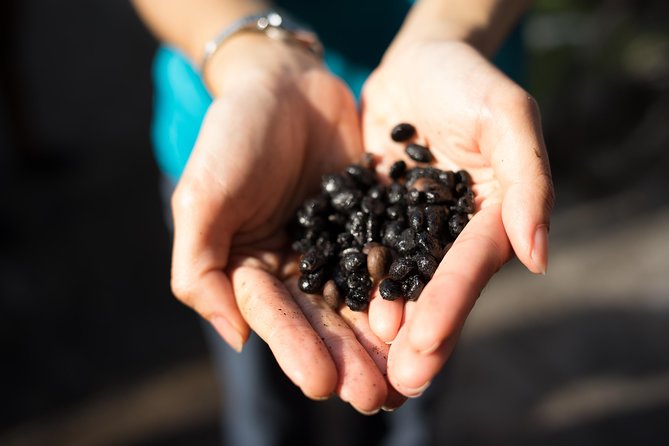
Your morning starts in the Bedok area at a coffee roasting facility. This is where the tour earns its name. You get behind the scenes on the local kopi scene: where coffee beans come from, how they’re roasted, and what roasting changes in the cup.
The timing is simple and efficient: about 45 minutes on site. That’s long enough to see the process without turning the stop into a lecture marathon.
You’ll also get a tasting, including kopi O, which is black coffee. If you’re used to sweetened or milk-heavy coffee, this is a useful reset. It helps you notice bitterness, aroma, and balance in a way that makes the later bread experience feel like part of the same food world.
A practical note: this is a coffee-focused stop, so expect the smell of roasting for much longer than you think. If you’re sensitive to strong odors, plan accordingly.
Still hungry? The hawker trail keeps going
Stop 2 in Paya Lebar: an old bread factory with retro equipment
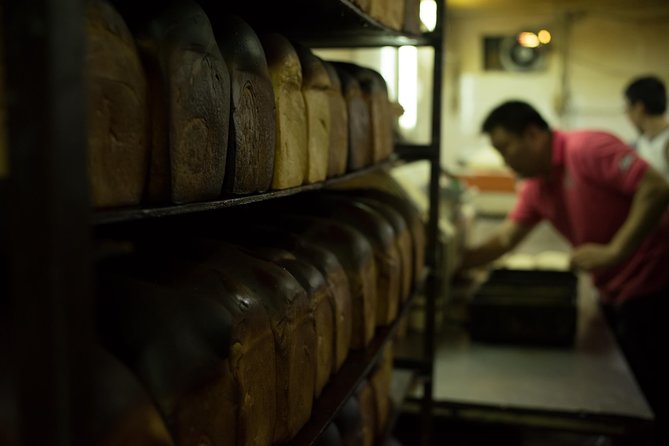
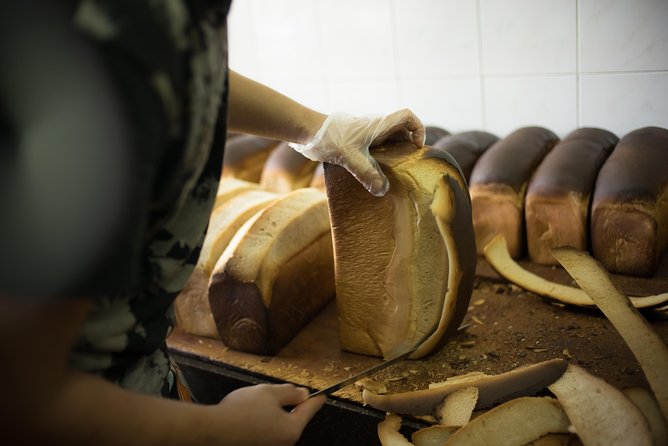
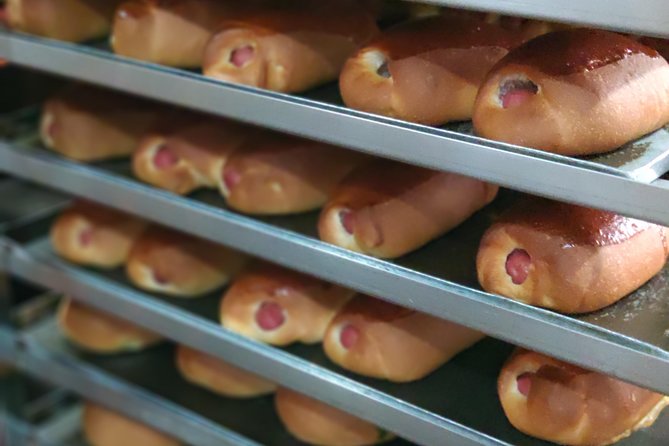
Next comes Paya Lebar, and with it, the bread side of the name: loti. This factory visit centers on something Singapore is actively watching change: traditional bread-making facilities are disappearing, and only five remain in this style category.
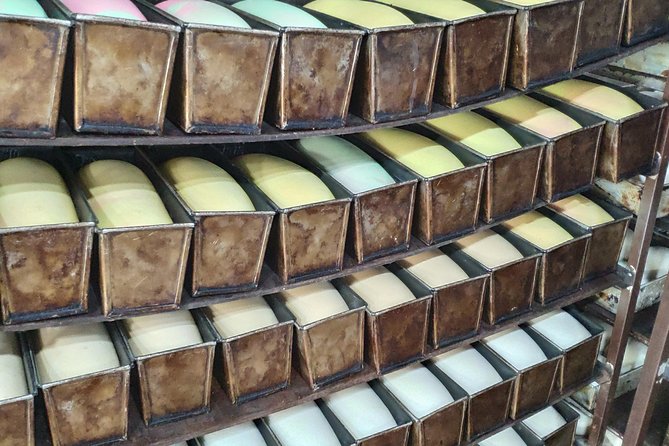
You’ll get a guided walkthrough of how the bakery works, and why these methods and setups differ from what you see in typical mass-produced bread. The most memorable details are the physical ones: old equipment and wooden boards still used at these kinds of factories. It’s not just nostalgia. Those materials and older production practices shape the texture and feel of the bread.
This stop lasts about 1 hour. That’s a good length. You get time to ask questions and connect what you see to what’s in your tasting.
If you like watching real working processes instead of staged demos, this is the part that usually clicks. It also pairs nicely with the coffee stop, because bread in Singapore culture is often meant for dipping, pairing, and quick breakfasts.
How the guides turn tastings into Singapore culture
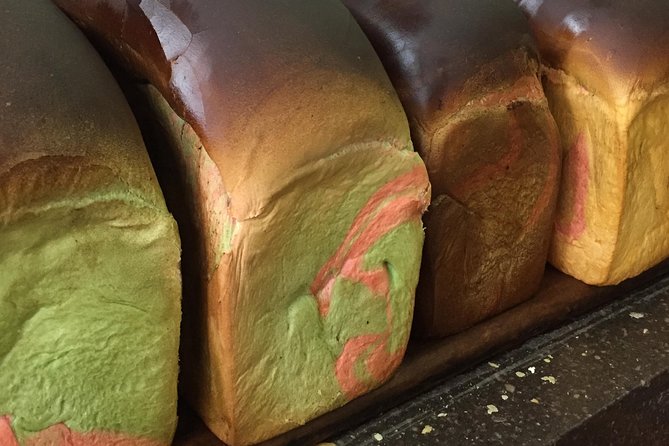
A tour like this can fall into two traps. Either it becomes a food tasting with no context, or it becomes too technical and loses people. This one aims for the sweet spot: culture first, process second, flavor always.
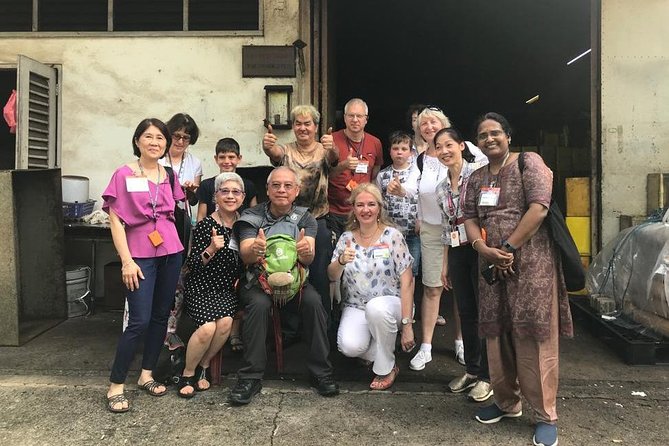
You’ll hear clues to Singapore’s food culture and how traditional trades fit into daily life. The guide style seems to vary by person, which is a good thing. For example, Kenneth is noted for being strong on history and cultural context, while Andros is described as detailed and smooth-talking with explanations that keep you moving. Boon’s style stands out for humor that stays light instead of turning the tour into a performance. Helen is linked with playful coffee-term quiz moments, and even a more interactive start.
The takeaway for you: you’re not just collecting facts. You’re learning the language people use around kopi and bread, and the reasons those foods matter beyond taste.
If you enjoy guides who talk to you like a person, not like a script, this tour format tends to work well.
The itinerary flow: what you’ll actually do from start to finish
The standard flow is straightforward. You begin at 69 Pagoda St, Singapore 059228 around 9:00 am, then you work your way to the first factory, followed by the second bakery stop.
Your tour end point is Tai Seng MRT Station (CC11) and it’s listed with 33 Upper Paya Lebar Rd, Singapore 534803. That’s helpful when you’re planning your next meal or morning activity, since you can get out quickly and keep moving.
There’s also a note about an extended version. If you join a related disappearing trades tour, your day can continue with an extra stop (the Paper House stop is mentioned) and the route can end back in Chinatown. If you want the tightest, simplest version, aim for Kopi & Loti only and treat the rest as optional.
Either way, the bakery is the last stop, so you can plan around that: leave time to eat afterwards if you still want more.
- Lion City Bike Tour of Singapore★ 5.0 · 6,211 reviews
- Singapore: Gardens by the Bay Bundle Entry Ticket★ 4.3 · 3,726 reviews
- Singapore: Big Bus Hop-On Hop-Off Tour by Open-Top Bus★ 4.5 · 3,261 reviews
- Singapore: Lion City Highlights Bike Tour★ 4.9 · 2,010 reviews
Price and value: does $88.60 make sense?
Let’s talk value without hiding behind vague compliments.
You’re paying for:
- Two guided factory visits (coffee and bread)
- Included admission at both stops as listed
- Tastings connected directly to the process (kopi O and Singapore bread samples)
- A 3-hour structure that doesn’t waste half your morning on transport
At $88.60 per person, it’s not the cheapest thing you can do in Singapore. But it’s also not the kind of ticket where you feel like you paid for a view. This is more like a focused food education session with real tastings and a behind-the-scenes feel.
Also, the tour is popular enough that booking tends to happen about 12 days in advance on average. If you want a specific date and time, that’s your signal to reserve early.
Who this tour suits best (and who might want something else)
This works best if you:
- Like food culture and want to see the trade behind the product
- Enjoy guided explanations with humor and stories
- Prefer small, real-world settings over big showroom-style attractions
- Want an experience that feels local in the way it connects to everyday Singapore tastes
You might not love it as much if you:
- Want a lot of free time for sightseeing during the same window
- Are sensitive to strong smells (coffee roasting is part of the deal)
- Expect a lot of outdoor walking across open streets (the factories are the core, but you’ll still be on your feet)
Small practical tips to make the morning smoother
A few things will help you get the most out of the time:
- Wear comfortable shoes. You’ll be standing and walking during both factory stops.
- Come with at least a little interest in coffee and bread. The tour explains roasting and bread-making methods, and the tastings connect to those lessons.
- Bring curiosity for trade and change. The whole theme is about disappearing trades, and why that shift matters.
- Plan your next stop after Tai Seng. Since that’s the listed end point, it’s easier to lock in lunch or a quick transport plan.
If you’re pairing this with other food in Singapore, keep it in mind: the tour will start with coffee and end with bread context, so you may not want a huge late breakfast.
Should you book Kopi & Loti?
I think you should book this if you want a real, structured food experience that goes past “try this and move on.” It’s a compact 3-hour morning that balances coffee roasting, traditional bread-making, and a guide who ties flavors to trade and culture.
Skip it or look for a different option if you want a laid-back sightseeing day or if factory-style tours aren’t your thing. Also, if you only care about food you can easily find elsewhere, you might feel this is more about process than taste.
If your goal is to understand Singapore through the everyday products people rely on, this is a smart bet.
FAQ
How long is the Kopi & Loti tour?
The tour is listed as about 3 hours.
Where does the tour start and end?
It starts at 69 Pagoda St, Singapore 059228 and ends at Tai Seng MRT Station (CC11) near 33 Upper Paya Lebar Rd, Singapore 534803.
What are the two main stops on the itinerary?
The tour includes a coffee roasting stop in Bedok and a bread factory stop in Paya Lebar.
How long are the stops?
The Bedok coffee roasting factory stop is 45 minutes, and the Paya Lebar bread factory stop is 1 hour.
What tastings are included?
The tour includes tastings tied to the visits, including kopi O (black coffee) and traditional coffee and authentic Singaporean bread.
Is the tour private?
The experience is described as a private tour/activity, with only your group participating.
What happens if the weather is bad?
The experience requires good weather. If it’s canceled due to poor weather, you’ll be offered a different date or a full refund.
Hawker Stalls Left on the List

Fresh Reviews from the Little Red Dot
- Night Safari Tickets with Tram Ride
★ 4.5 · 3 reviews - Singapore: Architecture and Food Tour with Tastings
★ 5.0 · 3 reviews - Singapore Private Full-Day Sightseeing Tour
★ 5.0 · 3 reviews - Private Chinatown Heritage Tour with Best 8 Local Tastings
★ 5.0 · 3 reviews
Hawker & Street Food Tours, compared.
 ★ 5.0Small Group: Michelin and Local Hawker Food Tour with 9 tastingsFrom $791,890 reviews
 ★ 5.0Small Group: Singapore Street Food & Night Tour with 9 tastingsFrom $791,240 reviews
 ★ 4.5The Award-Winning PRIVATE Food Tour: 10 Tastings of 3 CulturesFrom $1521,017 reviews
 ★ 5.0Chinese, Indian & Arabic Quarters, Culture & Food TourFrom $148789 reviews
 ★ 5.0UNESCO Street Food & Cultural ExperienceFrom $161524 reviews
 ★ 5.0Singapore Market to Table Culinary Experience (Wet Market Tour included)From $112479 reviews
 ★ 5.0Small-Group Food Tour With Hawker Center: Eat Like A LocalFrom $161420 reviews
 ★ 5.0Singapore Private Food, Culture and Heritage Tour with 9 tastingsFrom $185394 reviews
Browse the lists this tour appears in