
Reviewed · HAWKER & STREET FOOD TOURS
Singapore Market to Table Culinary Experience (Wet Market Tour included)
Morning markets teach Singapore fast.
This small-group experience pairs a wet market tour with a hands-on market-to-table cooking class, plus breakfast where you learn how to order coffee the local way. With a maximum of 10 people, it feels like food storytelling you can actually cook.
I especially like the licensed guide + experienced chef team, because the explanations click fast while you’re walking, tasting, and chopping. I also like that breakfast is included at a neighborhood coffeeshop, where you don’t just eat—you learn how to order kopi to match your taste.
One consideration: the wet market portion can vary depending on what vendors are open that morning, and some cooks may want more recipe handouts or more help with dietary needs. If you have allergies, tell the operator ahead of time and ask how they handle substitutions.
In This Review
- Key highlights
- What You’re Really Buying: Market-to-Table in Singapore
- Timing and Logistics: 9:00 Am Start, About 3 Hours
- Entering the Wet Market: Choosing Ingredients Like You Mean It
- Breakfast at the Coffeeshop: How to Order Kopi
- The Cooking Class: Techniques You Can Actually Repeat
- What You’ll Eat: Your Own Meal, Not Just Samples
- Why the Chefs Matter: Licensed Guides, Real Teaching Style
- Price and Value: Why $112.33 Can Make Sense
- The Main Tradeoffs to Know Before You Go
- Who This Tour Fits Best (And Who Might Prefer Something Else)
- Tips to Get More from the Morning
- Should You Book This Singapore Market-to-Table Class?
- FAQ
- What is the duration of the Singapore Market to Table culinary experience?
- What time does the tour start and where is the meeting point?
- How big is the class?
- What’s included in the price?
- Is transportation included?
- What dishes might you cook?
- Are recipes provided?
- What should I do if I have dietary restrictions or allergies?
- What is the cancellation policy?
Key highlights
- Wet market tour with a licensed guide focused on ingredients, not just shopping
- Included breakfast at a local coffeeshop, plus how to order coffee
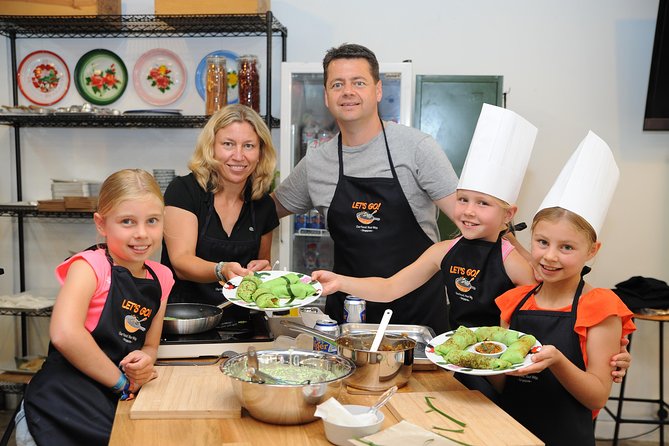
- Hands-on cooking with an experienced local chef (you cook, not just watch)
- Small group size (max 10) for more personal attention
- Multiple local dishes from scratch, with techniques you can reuse at home
- Real food culture lessons tied to Singapore’s food mix
What You’re Really Buying: Market-to-Table in Singapore
This is not a tasting tour where you sip a few bites and move on. You’re doing the full loop: ingredients first, then coffee breakfast, then cooking, then eating what you made. That order matters.
Singapore’s food is built on waves of migration and shared street-level habits. The wet market is where you see the raw materials behind hawker classics: vegetables, herbs, seafood, noodles, and the aromatics that make sauces sing. When a guide ties ingredient choices to the food you’ll cook later, you start to understand why Singapore cooks in certain ways—quick sears, balancing sweet-salty-sour, and using spice mixes as building blocks rather than one-note heat.
You’ll also learn how to think like a cook, not a customer. That’s the real value here: you get technique, ingredient logic, and a repeatable way to order and cook local favorites.
Timing and Logistics: 9:00 Am Start, About 3 Hours
The tour starts at 9:00 am at the meet-up point: Let’s Go Cook Singapore!, Crawford Ln, #01-57 Block 462, Singapore 190462. It runs about 3 hours, and it ends back at the same meeting point.
That timing is ideal if you want Singapore without losing half your day to trains and transfers. It’s also a practical choice for foodies who like mornings: markets are active, coffee shops are waking up, and the cooking part feels less rushed.
The group is limited to 10 travelers, which makes a difference. You’re not waiting your turn in a big class while someone else gets all the attention. You’ll get guidance while you work, and chefs can adjust their pacing when people get stuck.
Transportation to and from the meeting point is not included, so plan your own way to Crawford Lane. The good news: the meeting area is near public transportation.
Still hungry? The hawker trail keeps going
Entering the Wet Market: Choosing Ingredients Like You Mean It
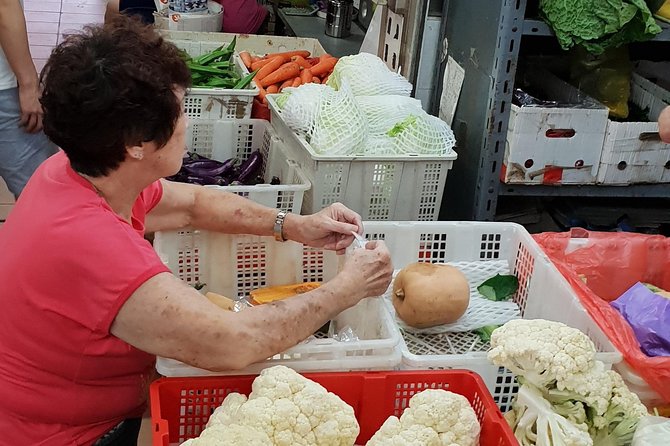
You’ll start with a wet market visit, guided by the licensed tour guide and chef team. The goal isn’t to overwhelm you with facts. It’s to help you learn what to look for and why Singapore cooks buy the way they do.
A strong part of this experience is the emphasis on Singapore’s multi-racial food mix. You’ll hear how different communities shaped local staples and how ingredients travel across cultures. That matters because in Singapore, “local food” is often a fusion of technique, flavor, and name changes over time.
In practice, the wet market stop works like this:
- You walk and observe ingredients.
- You learn how those ingredients connect to the dishes you’ll cook.
- You start picking up the cooking logic: what’s fresh, what’s best for quick cooking, what supports broth or sauce, and what brings texture.
One note: the wet market experience can feel different depending on what’s open that day. Some participants reported that not all vendors were operating, which made the market feel less active. You can’t fully control that. But you can control your approach: go curious, ask questions, and treat the market as a learning walk even if it’s quieter than you imagined.
Breakfast at the Coffeeshop: How to Order Kopi
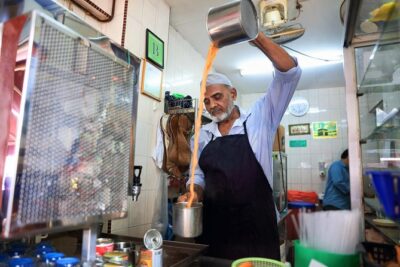
Before you touch a knife, you’ll get breakfast at a local coffeeshop. This is one of the best ways to reduce culture shock in Singapore because you’re learning a real daily habit, not just a “tourist trick.”
You’ll also learn how to order coffee tailored to your taste. In Singapore, coffee orders can be very specific, and the difference between styles can be subtle but meaningful. The instruction is hands-on—some participants said they even placed the order themselves with guidance.
Why this matters: coffee ordering is a tiny language of local preferences. It’s also a quick confidence boost. Once you know what to ask for, you can walk into other kopi stalls later and feel like you belong.
Food-wise, it’s described as a simple breakfast. You’ll likely leave fed enough to handle the cooking part without feeling like you’re starving in an apron.
The Cooking Class: Techniques You Can Actually Repeat
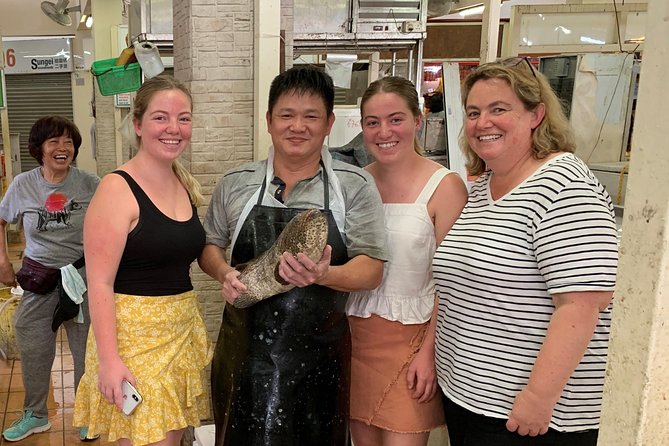
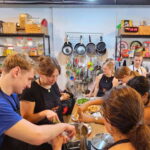
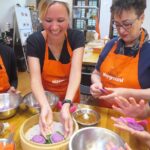
After the market and breakfast, you move into the cooking portion—guided hands-on cooking with an experienced chef. This is where you stop being a spectator.
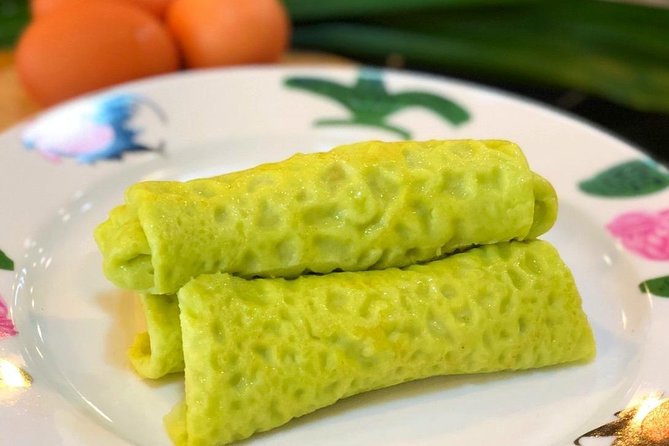
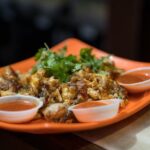
The dishes change by class, but you’ll typically cook several local favorites from scratch. In classes led by chefs such as Chef Colin and Chef Denise, participants reported learning dishes including Hainanese chicken rice, Ngoh Hiang (fried chicken rolls), and Kueh Dadar (dessert). Others mentioned making dishes like shrimp rolls and chicken/rice combinations.
Here’s the pattern that seems to show up across classes:
- You learn a technique (not just a recipe): how to season, how to control heat, how to manage texture.
- You cook with step-by-step guidance while the chef watches.
- You connect the ingredient choices from the market to what you’re doing in the pan.
This is also the part where the small group size helps most. When people get behind, chefs can slow down and correct. Some classes seem to flow smoothly and produce great results for first-timers, even for families with teens.
Balanced reality check: a few participants wished for more recipe handouts or felt the finished results weren’t as good as expected, especially when someone had a dietary need like a seafood allergy. If food restrictions are important to you, tell the operator before the class and ask what substitutions are possible. Don’t assume the menu will auto-adjust.
From wet market to wok, more sessions
- Experience Singapore: Cultural Cooking Class★ 5.0 · 1,514 reviews
- Singapore Market to Table Culinary Experience (Wet Market Tour included)★ 5.0 · 479 reviews
- Singapore: Chinatown Hawker Market Food Tour with 7 Food Tastings★ 5.0 · 213 reviews
- Singapore: Hands-on Cooking Class with Cultural Immersion★ 4.9 · 107 reviews
What You’ll Eat: Your Own Meal, Not Just Samples
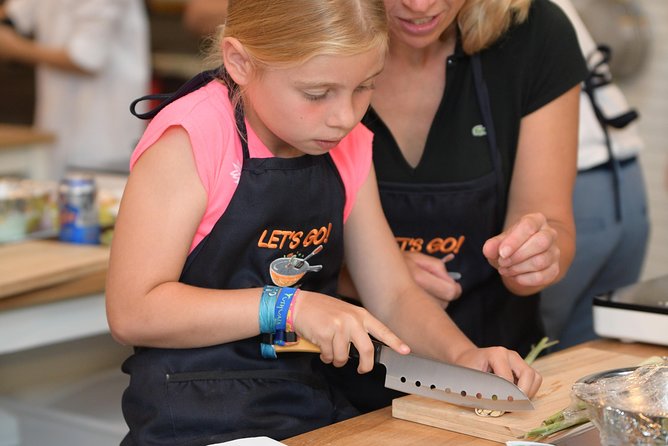
After cooking, you eat what you made. This isn’t just a photo-op finish. The meal is part of the lesson because you taste the end result of the techniques you practiced.
A few participants commented that the portions were generous—so you may end up with leftovers. That’s a plus, honestly. If you go home with extra food, you can build a mini Singapore meal at home the next day without cooking again.
What I like about this structure is that it trains your palate. You start remembering flavor cues: the sauce balance, the aromatic base, the texture contrast. Then, when you eat Singapore food later—hawker stalls or cafés—you’re not just enjoying it. You’re decoding it.
Why the Chefs Matter: Licensed Guides, Real Teaching Style
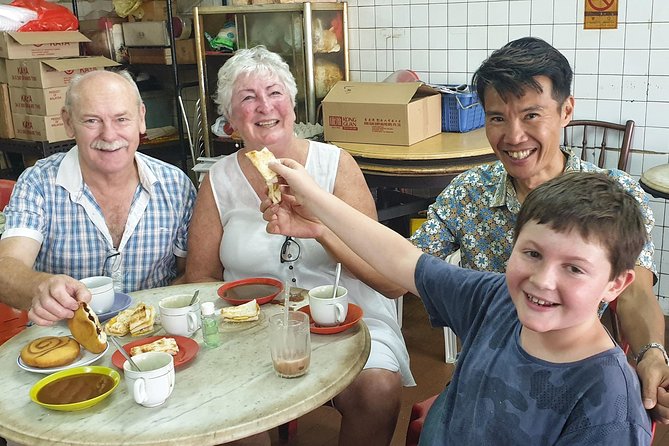
The tour is led by licensed guides and experienced chefs. The big practical benefit is teaching style. Some chefs explain why a step matters, not only what to do.
From the names shared in experiences (like Denise, Colin, and Vivian), you can see the range of teaching personalities. In multiple accounts, guides were described as warm, organized, and good at turning a busy market walk into clear takeaways. That’s exactly what you want for a class like this: the ability to keep you from feeling lost.
One more practical point: English support seems to be strong in many runs. Participants mentioned clear instructions and step-by-step help. If you’re bringing a parent or a teen who’s picky about being bored, a chef-led class is often a better bet than a demo-only workshop.
Price and Value: Why $112.33 Can Make Sense
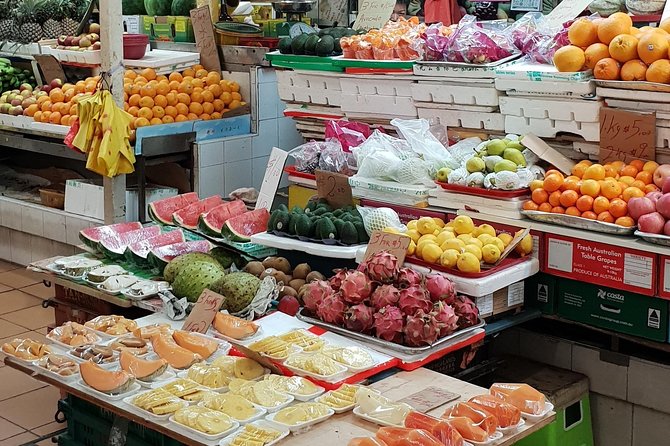
At $112.33 per person, this is not a “cheap breakfast and a show” deal. But it’s also not an overpriced purely instructional class. You’re paying for four things that usually add up fast if you book separately:
- Market tour with a licensed guide
- Chef-led hands-on cooking
- All ingredients and equipment needed for cooking
- Breakfast at a local coffeeshop
- Plus bottled water
Let’s look at value in plain terms. You’re getting a 3-hour guided experience that includes both context (market + culture) and production (you cook). A normal food tour might include tasting. This includes actual kitchen time and a full sit-down eating moment afterward.
If you enjoy learning by doing, this price starts to feel fair. If you only want to eat and you hate cooking, you might find it less worth it. But for anyone who likes food as a skill, it’s one of those payments that ends in something you can reproduce later.
The Main Tradeoffs to Know Before You Go
To make a good decision, you should know what can go sideways.
1) Wet market variety day-to-day
Some markets may be quieter if vendors aren’t open. One participant described the market experience as underwhelming because many vendors weren’t operating. The lesson still holds, but your photos and energy level may differ.
2) Recipe handouts are not guaranteed
A few people said they didn’t receive recipes or wanted them. If you’re the type who likes a written checklist for home cooking, ask ahead of time whether recipes will be shared.
3) Dietary needs need a proactive conversation
There was at least one case where someone wanted a specific dish and noted an allergy concern. Don’t wait until you arrive. Message the operator with details and ask what substitutions are possible.
4) The dish list can vary
Some participants reported that what they cooked differed from what they expected. If your heart is set on one specific dish, ask the operator if it’s consistent or varies by market and chef.
None of this ruins the experience. It just helps you set expectations like a grown-up.
Who This Tour Fits Best (And Who Might Prefer Something Else)
This works especially well for:
- Families with teens who like hands-on activities (one parent did it with a 13-year-old who enjoys cooking)
- Food lovers who want more than a walk and a snack
- First-timers who need a practical intro to Singapore’s food culture
- Couples who want a morning activity with a story behind the meal
You might choose a different option if:
- You only want restaurant-style dining and don’t want to cook
- You need very strict dietary accommodations and want full control over ingredients (then ask hard questions early)
- You strongly need recipe handouts for every dish
Tips to Get More from the Morning
Here’s how to make this class work better for you.
- Bring a short list of what you want to learn. Ask questions like what ingredient choice makes the biggest difference or why one technique beats another.
- If coffee ordering is part of your goal, pay attention during the coffeeshop stop. You’ll thank yourself later when you order on your own.
- If you have allergies or food preferences, tell the operator ahead of time and remind the chef on arrival. Don’t assume substitutions are automatic.
- Wear comfortable shoes. You’ll be walking through the market and moving around between spaces.
- Go hungry, then expect the meal to be satisfying. Several participants said there was plenty of food and it could be too much to finish.
Should You Book This Singapore Market-to-Table Class?
If you want a fun morning that mixes market culture with real cooking skills, I think this is a strong booking. The big wins are the chef-led instruction, the included breakfast with coffee ordering, and the small-group size that keeps you from feeling lost or ignored. The experience is also a good way to see regular Singapore—food shopping and everyday eating—rather than only the tourist version.
Book it if:
- You like learning by doing
- You want to cook multiple dishes from scratch
- You’re curious about how Singapore’s food mix connects to ingredients
Consider booking something else (or asking lots of questions) if:
- You need strict allergy handling you can’t risk
- You expect guaranteed recipe handouts
- You want the wet market to be the main event and you’re sensitive to quiet vendor days
If you’re flexible and you come ready to cook, this is the kind of Singapore morning you’ll remember—and be able to recreate.
FAQ
What is the duration of the Singapore Market to Table culinary experience?
It’s about 3 hours.
What time does the tour start and where is the meeting point?
It starts at 9:00 am at Let’s Go Cook Singapore!, Crawford Ln, #01-57 Block 462, Singapore 190462.
How big is the class?
The group size is limited to a maximum of 10 travelers.
What’s included in the price?
The experience includes a wet market tour with a licensed guide, a guided hands-on cooking class with a local chef, all ingredients and equipment, bottled water, and breakfast at a local coffeeshop.
Is transportation included?
No, transportation to and from the meeting point is not included.
What dishes might you cook?
The exact dishes can vary. In one class led by Chef Colin, participants mentioned Hainanese chicken rice, Ngoh Hiang, and Kueh Dadar.
Are recipes provided?
The information provided doesn’t guarantee recipe handouts. Some participants said they would have liked recipes provided.
What should I do if I have dietary restrictions or allergies?
The experience doesn’t describe a specific allergy policy in the provided details. If you have dietary needs, contact the operator ahead of time and confirm how they’ll handle substitutions.
What is the cancellation policy?
Free cancellation is available up to 24 hours before the experience’s start time for a full refund. If the minimum number of travelers isn’t met, you’ll be offered a different date/experience or a full refund.
Bags Fuller Than Planned

From Rempah to Plate
Hawker Stalls Left on the List


Fresh Reviews from the Little Red Dot
- Night Safari Tickets with Tram Ride
★ 4.5 · 3 reviews - Singapore: Architecture and Food Tour with Tastings
★ 5.0 · 3 reviews - Singapore Private Full-Day Sightseeing Tour
★ 5.0 · 3 reviews - Private Chinatown Heritage Tour with Best 8 Local Tastings
★ 5.0 · 3 reviews
Hawker & Street Food Tours, compared.
 ★ 5.0Small Group: Michelin and Local Hawker Food Tour with 9 tastingsFrom $791,890 reviews
 ★ 5.0Small Group: Singapore Street Food & Night Tour with 9 tastingsFrom $791,240 reviews
 ★ 4.5The Award-Winning PRIVATE Food Tour: 10 Tastings of 3 CulturesFrom $1521,017 reviews
 ★ 5.0Chinese, Indian & Arabic Quarters, Culture & Food TourFrom $148789 reviews
 ★ 5.0UNESCO Street Food & Cultural ExperienceFrom $161524 reviews
 ★ 5.0Small-Group Food Tour With Hawker Center: Eat Like A LocalFrom $161420 reviews
 ★ 5.0Singapore Private Food, Culture and Heritage Tour with 9 tastingsFrom $185394 reviews
 ★ 4.5Guided Street Food Tour at NightFrom $72393 reviews
Browse the lists this tour appears in