
Reviewed · CHINATOWN TOURS & TASTINGS
Nostalgic Chinatown of Singapore
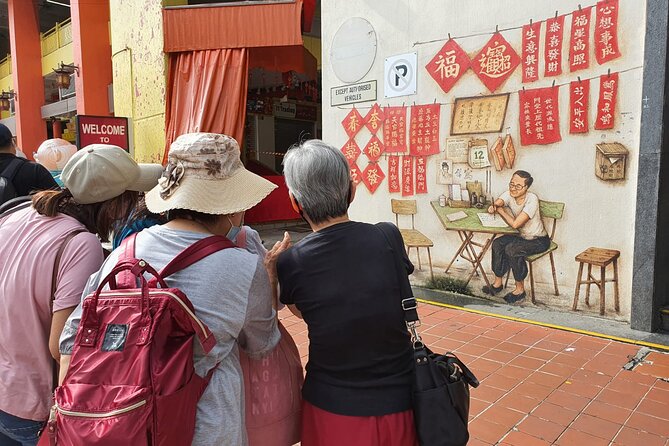
Chinatown feels personal with a local guide. This on-foot tour mixes history, culture, and everyday details with personal anecdotes, so the neighborhood doesn’t just look good on photos. I like the small-group size too, which keeps the pace human and questions easy.
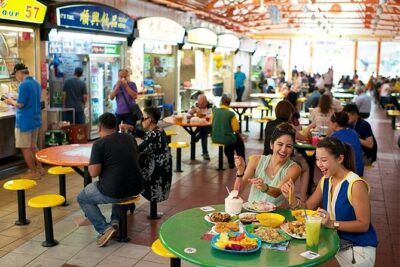
My favorite moment is the hawker breakfast stop inside Chinatown Complex. You’re not just watching a market from the outside; you get to see the stalls, then eat something real where locals actually start their day.
One thing to consider: the route is designed for a walk-heavy morning and it needs good weather. If rain or heat is intense, you’ll want comfy shoes and a plan for staying cool.
In This Review
- Key highlights worth your time
- Why this Chinatown tour feels like morning with a local
- Chinatown Complex: oldest wet market vibes and a real hawker breakfast
- Chinatown Heritage Centre: Pagoda Street shophouses and early resident life
- Chinatown Street Market: pedestrian lanes and the pulse of the area
- Buddha Tooth Relic Temple and Museum: a temple stop with street-level stories
- Ann Siang Hill: restored shophouses, shopping, dining, and modern life
- Price and value: what $52.46 really buys you
- How to plan your next step after the tour ends
- Who this Nostalgic Chinatown tour suits best
- Should you book this Nostalgic Chinatown tour?
- FAQ
- How long is the Nostalgic Chinatown of Singapore tour?
- What does the tour cost?
- What time does the tour start?
- How big is the group?
- Where do you meet, and where does it end?
- Is there food included?
- Are museum or heritage centre admissions included?
- Is the tour near public transportation?
- What happens if weather is bad?
Key highlights worth your time
- A small group of up to 8 means you’re not lost in the crowd
- Chinatown Complex breakfast blends morning market energy with real food
- Chinatown Heritage Centre on Pagoda Street shows early resident life in restored shophouses
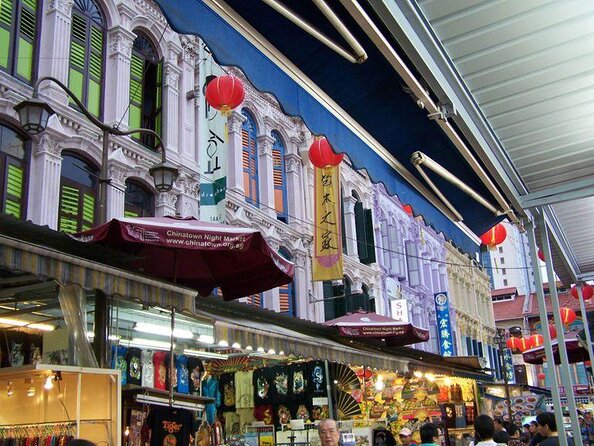
- Pedestrian-friendly Chinatown streets make sightseeing feel like wandering, not commuting
- Buddha Tooth Relic Temple and Museum adds a lived-in, story-focused stop (not just a photo stop)
- Ann Siang Hill delivers the restored-shophouse + modern dining/shopping mix
Why this Chinatown tour feels like morning with a local
Most Chinatown tours give you facts and a few landmark photos. This one leans the other way. You’ll walk through the neighborhood with a resident voice in your ear, connecting what you see now to what used to happen there. That means you start noticing details you’d otherwise skip: the rhythm of stalls, why a street feels different, and how the area’s past still shapes the present.
The small group matters. With a maximum of eight people, your guide can slow down when a corner is confusing, or when you want to ask how one building became something else. It’s also less awkward than bigger groups where one person’s curiosity can derail a whole bus of schedules.
The best part is how the tour balances sweetness with truth. In particular, one review praised that the tour didn’t hide the darker side of Chinatown’s past. That honesty makes the stories land, because Singapore’s growth didn’t happen in a clean, straight line.
Chinatown Complex: oldest wet market vibes and a real hawker breakfast
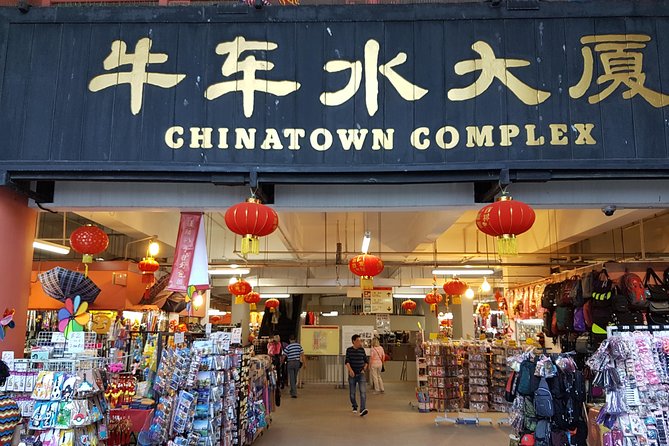
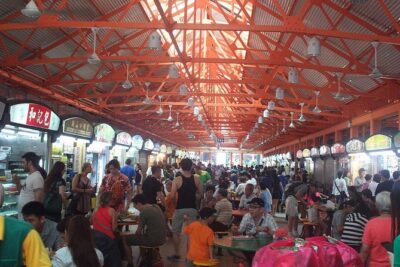
Your first stop is Chinatown Complex, where you’ll get a look at one of Singapore’s older wet markets and the tightly packed stalls that sell all kinds of everyday goods. If you’ve only seen markets in passing, this is a strong start. The layout gives you a feel for how locals shop when they’re not on vacation.
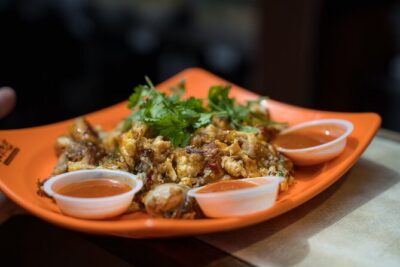
Then you move from browsing to eating at the hawker centre in the same complex. This is a big deal for value. A lot of tours sprinkle in a snack; here, the plan builds around breakfast, and it’s the kind of meal people talk about because it’s simple, local, and surprisingly satisfying.
Why it works for you: hawkers are the easiest way to get Singapore’s flavors without second-guessing menu translations or portion sizes. Even if you’ve eaten hawker food before, you’ll likely pick up a little confidence on what to order next time.
Possible drawback: mornings in Chinatown can still feel busy and close up inside the market. If you’re someone who hates crowds, you’ll want to keep expectations realistic and think of this as a lively neighborhood moment, not a quiet museum visit.
Chinatown holds more lanes than one afternoon
Chinatown Heritage Centre: Pagoda Street shophouses and early resident life
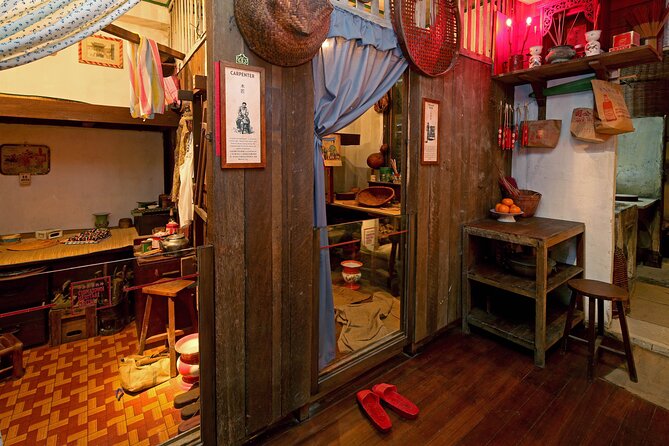
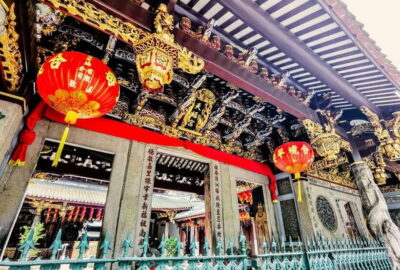
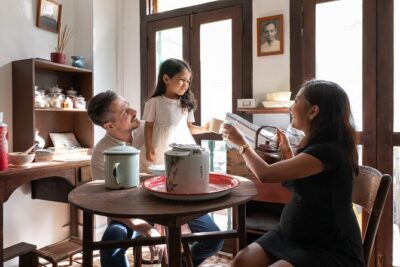
Next you head to the Chinatown Heritage Centre, set in three restored shophouses on Pagoda Street. The pitch is simple and strong: you get a rare glimpse into the lives of Chinatown’s early residents, in a part of the district that already has that old-style texture you can feel under your feet.
This stop adds context. Markets and temples are great, but they don’t automatically explain why the neighborhood took the shape it did. The Heritage Centre fills in the human side—how people lived, not just what buildings look like.
Why this is valuable: when you learn a little about everyday life, you stop treating sights as isolated “attractions.” Instead, you see them as parts of a community that adapted over time. That’s also what one review picked up: hearing both good and harder stories helped the tour feel honest and grounded.
Time-wise, you should expect around 45 minutes here. That’s enough to absorb the main ideas without dragging your feet through every single display panel.
Chinatown Street Market: pedestrian lanes and the pulse of the area
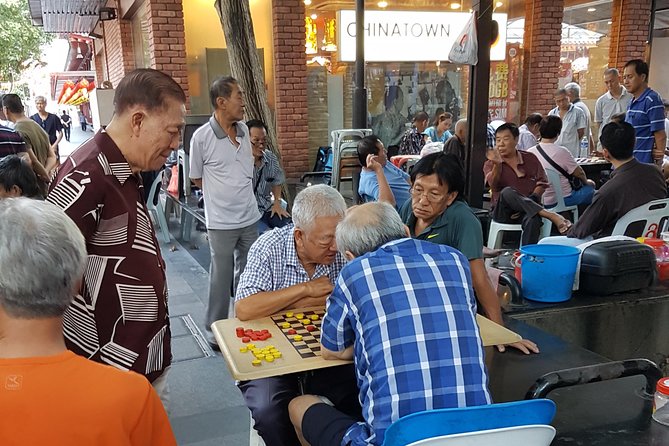
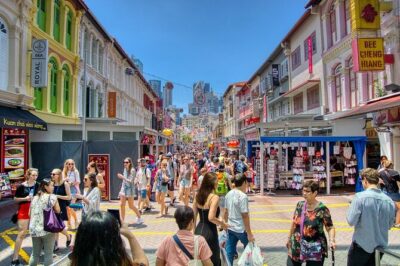
After that, you stroll through the Chinatown Street Market area. This is where the tour shifts back into street-level energy—busy thoroughfares, a sense of history layered over commerce, and a walking experience that’s easier than you’d think thanks to pedestrianised stretches.
This segment is about pacing and observation. You’ll get a guided pass through the places that feel like the heart of the enclave, where daily activity keeps the district from turning into a theme park. Even if you don’t plan to buy much, it helps you understand what the neighborhood is for right now.
One practical tip for you: keep your camera handy, but also look up. Street markets are visually loud, and the details that matter—signs, building edges, older shop rhythms—often reward slower glances.
Potential drawback: because this area is active, it can feel crowded depending on the time and day. With a small group, you’ll still stay together, but you may not get the quiet, slow-walk atmosphere some people want.
Buddha Tooth Relic Temple and Museum: a temple stop with street-level stories
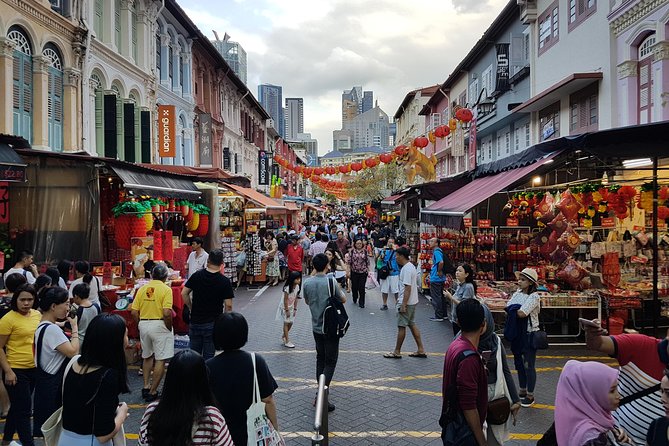
Then comes a stop that’s both visual and narrative: the Buddha Tooth Relic Temple and Museum. The temple is the headline, but what makes this moment memorable is how your guide ties it to the surrounding streets and personal recollections.
One review highlighted that the guide’s storytelling felt vivid and not sanitized. That lines up with what you’re likely to experience here: the tour treats the neighborhood like something people lived through, including the less glamorous realities.
This is also where the tour helps you read Singapore differently. Temples here aren’t just decorative—they’re part of how the neighborhood carries meaning across generations. If you pay attention, you’ll feel how religion, local identity, and community life all overlap in the same streets.
Time is short at about 15 minutes, so don’t come expecting a long, slow museum day. Think of it as a smart introduction point: you’ll leave with enough context to appreciate what you see, and you can always return later if you want deeper museum time.
- Lion City Bike Tour of Singapore★ 5.0 · 6,211 reviews
- Singapore: Gardens by the Bay Bundle Entry Ticket★ 4.3 · 3,726 reviews
- Singapore: Big Bus Hop-On Hop-Off Tour by Open-Top Bus★ 4.5 · 3,261 reviews
- Singapore: Lion City Highlights Bike Tour★ 4.9 · 2,010 reviews
Ann Siang Hill: restored shophouses, shopping, dining, and modern life
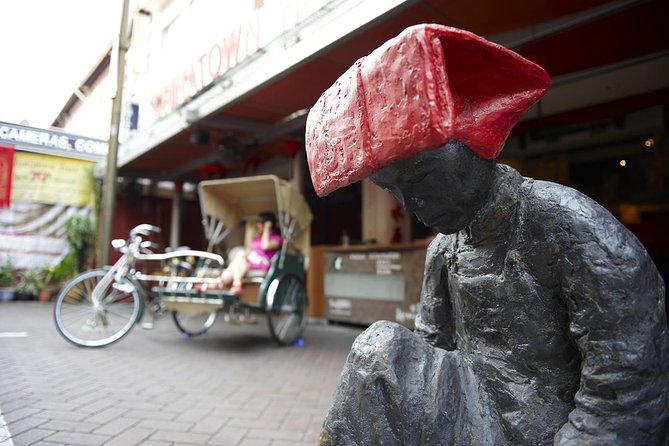
Your final stroll is Ann Siang Hill, a relaxed walk through elegant, restored shop houses. This part of the route is built to show you the neighborhood’s present-day personality: the interplay of shopping and dining, plus the historical bones underneath.
Here’s what you’ll likely enjoy: this segment feels like Chinatown has two faces. One face is morning bustle and heritage. The other is the smoother, modern street life that draws people in for dinner, drinks, and browsing—without completely erasing the older architecture.
This is also a great place to slow down and just look. Restored shophouses can feel similar until you notice differences in how they’ve been adapted, and your guide will help you spot those patterns.
Price and value: what $52.46 really buys you
At $52.46 per person for about 2 hours 30 minutes, you’re paying for more than route planning. You’re paying for a local voice, a small group (max 8), and a structured walk that hits the neighborhood’s key layers: markets, heritage interpretation, street life, and major cultural landmarks.
You also get practical value in the way the morning is built. The plan includes a local breakfast at the hawker centre inside Chinatown Complex, plus entry is listed as free at multiple stops. That matters because it reduces decision fatigue. You don’t have to weigh ticket prices while you’re already hungry and walking in heat.
If you like self-guided exploring, you can still do that afterward. But the tour is what gives you “why this matters” context for what you’ll want to repeat on your own. That’s the real value: you’re not just seeing Chinatown—you’re learning how to see it.
How to plan your next step after the tour ends
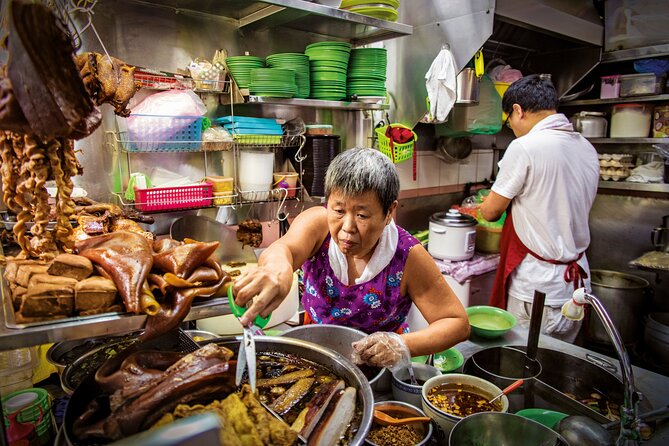
You’ll finish at Maxwell Food Centre, a smart end point because you’ll still be in Chinatown’s food zone. If you want to keep the morning going, this is where you can turn your tour context into actual eating.
Also, the location is practical for leaving. The end point is about a 5–10 minute walk to Tanjong Pagar MRT Station, so you can connect back into the rail network without a long transit scramble.
If you’re the type who likes to browse after learning, Ann Siang Hill is also a helpful mental cue for what to look for: restored shophouses, dining streets, and the sweet spot where heritage and modern Singapore share the same sidewalk.
Who this Nostalgic Chinatown tour suits best
This is a great fit if you:
- want a walking-focused Chinatown experience with story-driven context
- prefer a small group over big-team tours
- like eating as part of the plan, especially hawker food
- care about both the cheerful and complicated sides of urban history
It may be less ideal if you:
- need a very quiet, slow pace with minimal street noise
- dislike crowded interiors (markets can feel tight)
- are traveling during weather that makes walking uncomfortable, since it requires good conditions
Should you book this Nostalgic Chinatown tour?
I’d book it if your goal is to understand Chinatown beyond the postcard. The standout strength is the human storytelling—history plus personal anecdotes—paired with practical experiences like a morning hawker breakfast. The small-group format keeps it flexible, and the stop choices give you a balanced picture: markets, heritage interpretation, street energy, a major temple site, and Ann Siang Hill’s restored-shophouse modern life.
If you’re short on time and you want a guided foundation you can build on afterward, this delivers that. And if you’re the kind of traveler who enjoys learning how a neighborhood works, not just what it looks like, you’ll likely feel the difference from the start.
FAQ
How long is the Nostalgic Chinatown of Singapore tour?
It’s approximately 2 hours 30 minutes.
What does the tour cost?
The price is $52.46 per person.
What time does the tour start?
The start time is 9:00 am.
How big is the group?
The tour has a maximum of 8 travelers.
Where do you meet, and where does it end?
It starts at Chinatown151 New Bridge Road / 91 Upper Cross Street in Singapore, and ends at Maxwell Food Centre, 1 Kadayanallur St, Singapore.
Is there food included?
Yes. At Chinatown Complex, you’ll have a local breakfast at the hawker centre in the same complex.
Are museum or heritage centre admissions included?
The stops listed in the plan show admission ticket free for each site on the itinerary.
Is the tour near public transportation?
Yes. It’s near public transportation, and the end point connects to the rail network via Tanjong Pagar MRT Station, about a 5–10 minute walk away.
What happens if weather is bad?
The experience requires good weather. If it’s canceled due to poor weather, you’ll be offered a different date or a full refund. You can cancel up to 24 hours in advance for a full refund.
Chinatown, Lane by Lane


Fresh Reviews from the Little Red Dot
- Night Safari Tickets with Tram Ride
★ 4.5 · 3 reviews - Singapore: Architecture and Food Tour with Tastings
★ 5.0 · 3 reviews - Singapore Private Full-Day Sightseeing Tour
★ 5.0 · 3 reviews - Private Chinatown Heritage Tour with Best 8 Local Tastings
★ 5.0 · 3 reviews
Chinatown Tours & Tastings, compared.
 ★ 5.0Chinatown, Little India, Kampong Gelam City Highlights TourFrom $80224 reviews
 ★ 5.0Chinatown Hawker Market Food Tour with 7 Food TastingsFrom $146213 reviews
Chinatown, Little India, Arab Street Walking TourFrom $53207 reviews
★ 5.0Chinatown Hawker Market Food Tour with 7 Food TastingsFrom $146213 reviews
Chinatown, Little India, Arab Street Walking TourFrom $53207 reviews
 ★ 4.8Chinatown and Little India Guided Walking TourFrom $78190 reviews
 ★ 5.0Chinatown Historic Walking Tour with LunchFrom $54134 reviews
 ★ 5.0Chinatown Hawker Food Tasting TourFrom $8896 reviews
 ★ 4.5Kampong Glam, Little India & Chinatown with Local Street Food TastingsFrom $17770 reviews
 ★ 5.0Chinatown Heritage Centre (Admission Ticket)From $2065 reviews
Browse the lists this tour appears in