
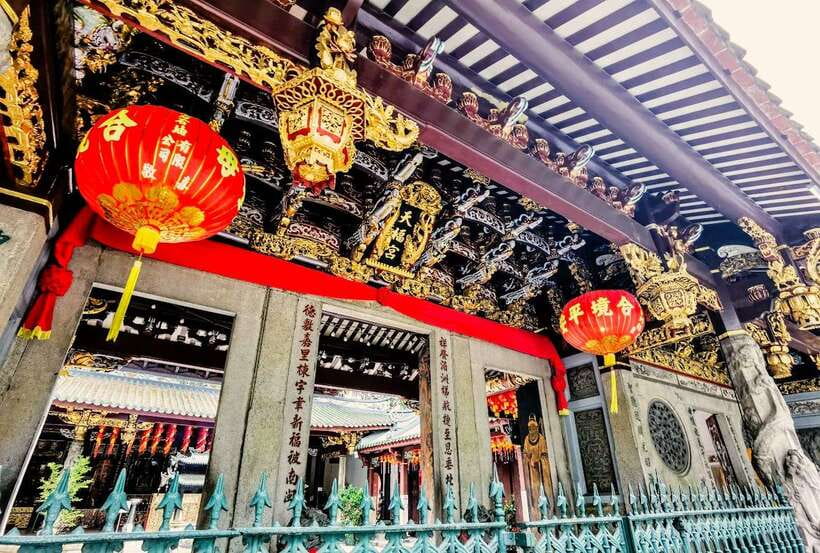
Reviewed · CHINATOWN TOURS & TASTINGS
Singapore: Chinatown Historic Walking Tour with Lunch
One lane at a time, Chinatown turns into a storybook you can walk through. This 3.5-hour tour strings together major temples and alley-level details, then tops it off with a classic Chinatown lunch. Expect religion, food, and everyday shop culture to connect in a way that feels practical, not academic.
I really like how the route goes beyond the postcard stops. You’ll see Thian Hock Keng Temple (built 1821), then keep moving through shophouses, clubs, and side streets that explain how Singapore’s Chinese community took root and adapted. I also like that lunch is not a token bite—Chiew Kee Noodle House is known for its soy sauce chicken, and the meal is built into the timing.
One thing to factor in: this is a walking tour in rain or shine, so comfortable shoes and a water bottle actually matter. If you hate getting wet, the included poncho will help, but you’ll still feel the damp air if the weather turns.
In This Review
- Key highlights worth waking up for
- Meeting at The Whisky Distillery in One Raffles Place
- Yueh Hai Ching and Fuk Tak Chi: the start of Chinatown’s spiritual map
- Nagore Dargah and the mix of faiths in one walk
- Thian Hock Keng Temple: the 1821 anchor point
- Ann Siang Hill to Mohamed Ali Lane: shophouses, clubs, and side-street stories
- Chinatown lunch at Chiew Kee Noodle House (soy sauce chicken)
- Yue Hwa, The Majestic, and New Bridge Road: shopping streets with meaning
- Tea time at Pek Sin Choon and Cantonese pastry browsing
- Pagoda Street to Sri Mariamman Temple: layers you can feel
- Smith Street to Sago Lane: where old industry meets the modern city
- Buddha Tooth Relic Temple, Maxwell Food Centre, and Singapore City Gallery
- The finish: Fong Moon Kee and traditional remedies
- Rain or shine: pace, comfort, and how Ping keeps it moving
- Price and value: is $54 a fair deal?
- Who should book this Chinatown historic walk?
- Should you book this tour?
- FAQ
- Where is the meeting point?
- What time does the tour start?
- How long is the tour?
- What is included in the price?
- Is hotel pickup or drop-off included?
- Does the tour run in rain?
- What should I bring?
Key highlights worth waking up for
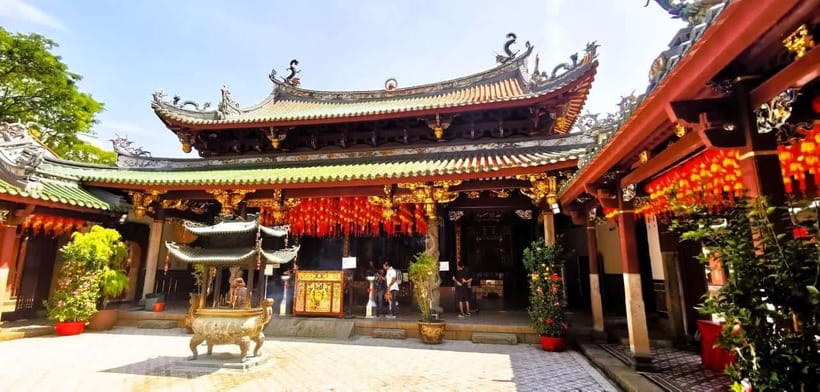
- Yueh Hai Ching Temple to Thian Hock Keng Temple: two major stops that show how immigrant hopes became lasting landmarks
- Pekin Street and the museum-in-a-boutique-hotel surprise: a restored site tucked into a modern setting
- Chiew Kee Noodle House lunch: one of Chinatown’s most famous plates, timed so you can refuel without rushing
- Tea and Cantonese pastry shopping at Pek Sin Choon: a real shop experience, not just a photo stop
- Traditional remedies at Fong Moon Kee: finish with a Chinatown storefront that sells according to old patterns
Meeting at The Whisky Distillery in One Raffles Place
Your day starts at The Whisky Distillery at One Raffles Place, right across from Raffles Place MRT Exit A. You’ll meet the guide at 9:55 AM, and the walking starts at 10:00 AM, so you’re not spending time wandering before the first story begins.
This matters because Chinatown is best when you get in early. Streets can get crowded later, and you’ll want time for the more interesting narrow lanes, not just the big-name sights.
Yueh Hai Ching and Fuk Tak Chi: the start of Chinatown’s spiritual map
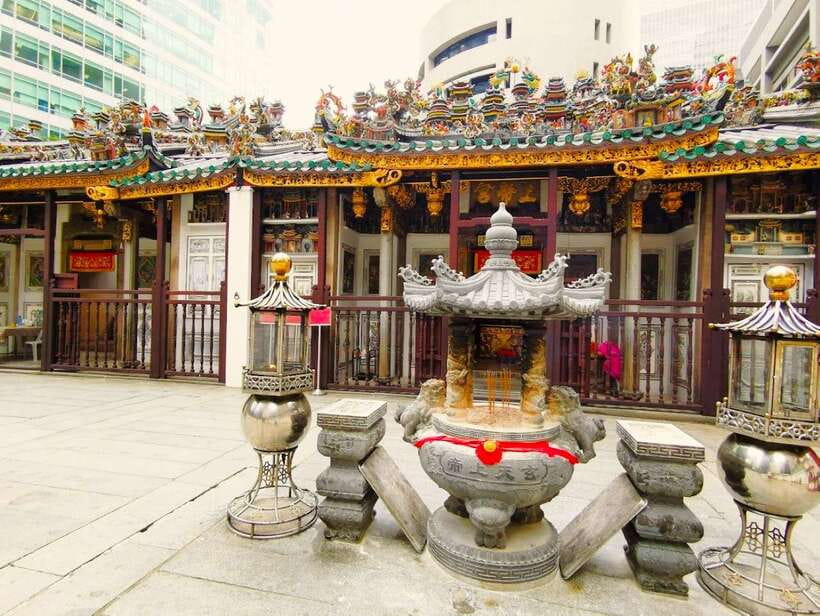
The first major stop is Yueh Hai Ching Temple at Raffles Place, listed as a national monument. It sets the tone fast: you’re not just seeing architecture, you’re learning how early Chinese immigrants prayed, formed community, and built landmarks that outlasted the original hardships.
From there, you shift to the Fuk Tak Chi Museum. The cool part is the setting—this site was once a Taoist shrine and is now beautifully restored inside a boutique hotel. That mix of old function and new surroundings is a big theme in central Singapore: the city keeps changing, but it often preserves the bones.
What to watch for: take a slow look before you move on. These temples and restored spaces reward your attention to detail, especially on days when the group is walking at pace.
Chinatown holds more lanes than one afternoon
Nagore Dargah and the mix of faiths in one walk
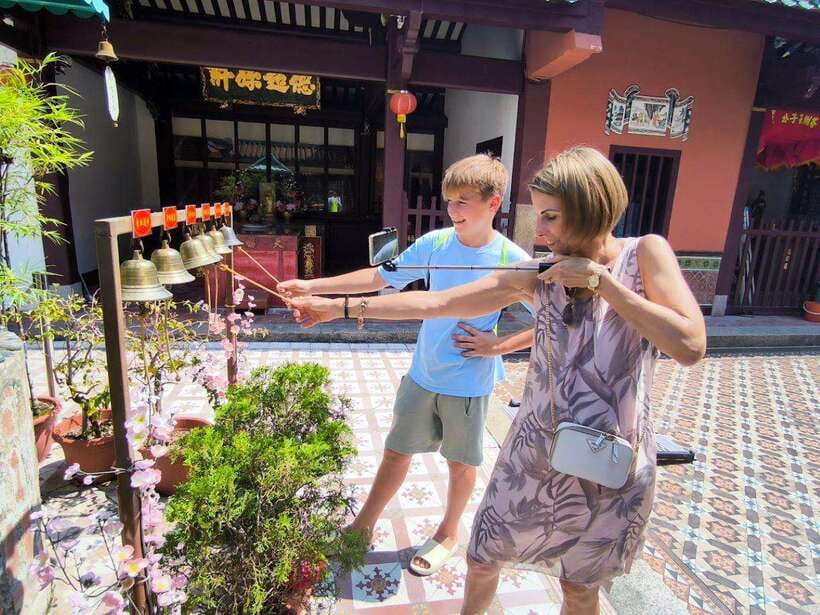
A short stop brings you to Nagore Dargah. Even if the stop is brief, it gives you a needed perspective: Chinatown isn’t one single cultural lane. It sits near other communities, and Singapore’s story is often told through this kind of close proximity.
If you like travel that helps you understand how cities actually work, this quick pivot is a plus. You’ll spend the rest of the morning bouncing between different religious spaces, rather than getting stuck in one bubble.
Thian Hock Keng Temple: the 1821 anchor point
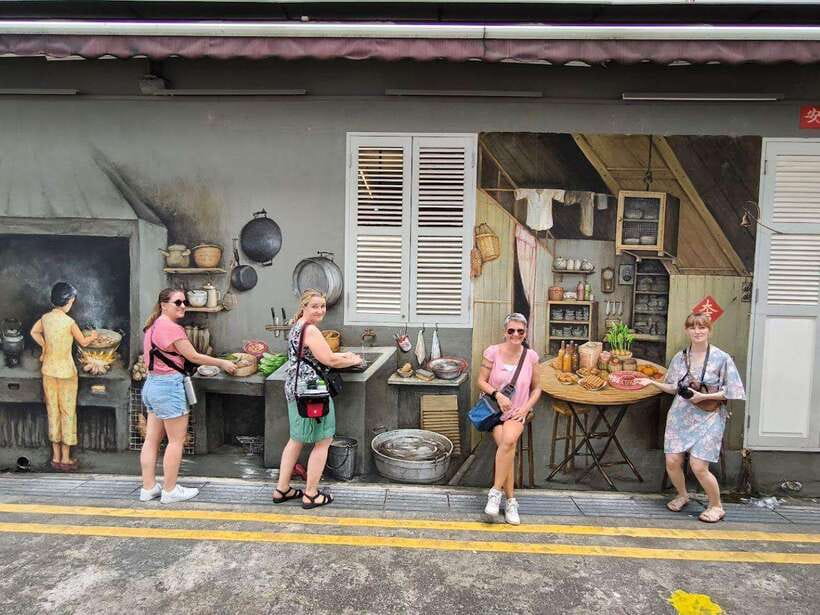
Next comes Thian Hock Keng Temple, constructed in 1821 to honor Mazu, the sea goddess. This stop is one of the tour’s emotional anchors. You’ll see why people built for safety at sea—and why that belief carried over once they settled inland.
Architectural details here aren’t decoration. They’re part of how the community expressed devotion, status, and identity. If you want a Chinatown tour where the highlights actually mean something, this is the moment.
Practical tip: bring your camera, but also keep a minute or two to just stand back and look. You’ll understand the scale better, and your photos will come out sharper.
Ann Siang Hill to Mohamed Ali Lane: shophouses, clubs, and side-street stories
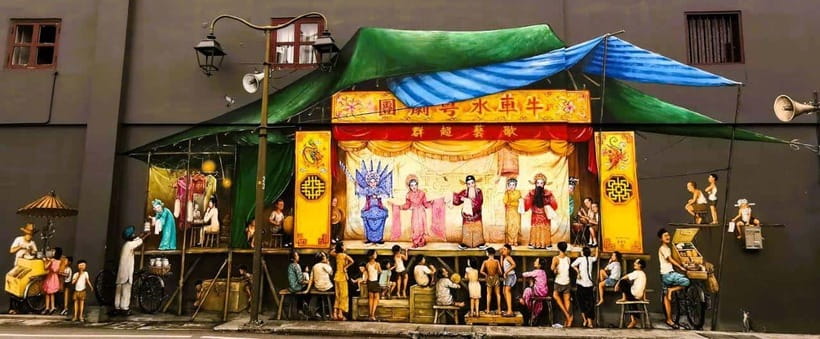
After the temples, the tour heads into the area around Ann Siang Hill. This section is more about street-level context than big monuments. You’ll pause for photos at places like the Chinese Weekly Entertainment Club and the Goh Loo Club shophouse, and the guide ties these sites to Chinatown’s social life—where community entertainment, politics, and everyday gathering overlapped.
Then you pass through Mohamed Ali Lane, where the guide’s stories help you picture what changed and what stayed consistent. This is where the walk starts to feel less like sightseeing and more like understanding the city’s “how we got here” logic.
Further back into the island story, war years included
- Historical Singapore Bike Tour on Full-Sized Bicycles★ 5.0 · 1,421 reviews
- Nightout at Colonial Charms of the City★ 3.5 · 733 reviews
- Singapore: Historical Half-Day Bike Tour★ 4.8 · 399 reviews
- Singapore Group History & Culture Walking Tour★ 5.0 · 160 reviews
Chinatown lunch at Chiew Kee Noodle House (soy sauce chicken)
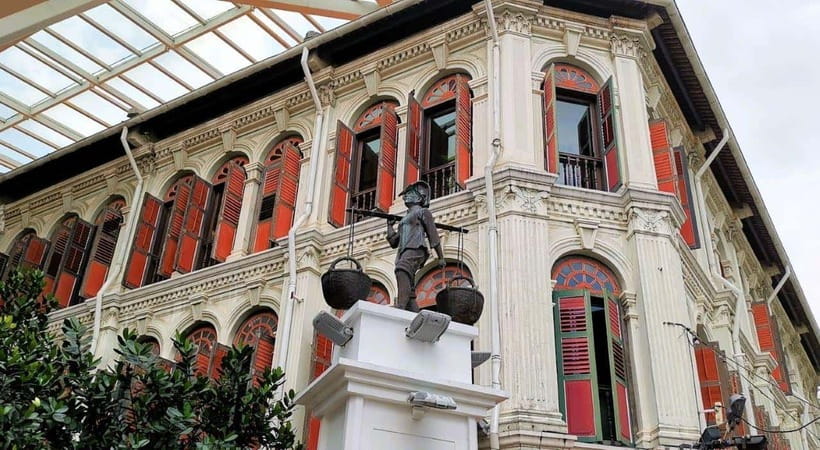
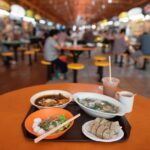
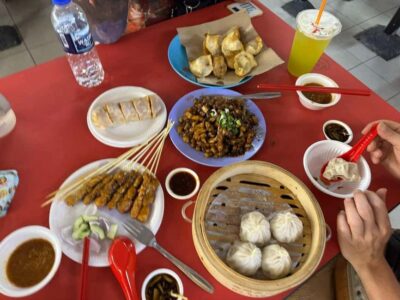
Lunch is at Chiew Kee Noodle House, one of Singapore’s oldest and best-loved eateries and famed for soy sauce chicken. You’ll get about 35 minutes, which is a good window: enough time to eat without turning lunch into a second tour.
I like this kind of included meal for one reason: you don’t have to spend your mental energy hunting for a place that matches your schedule. The tour builds the meal into the day, so you stay in rhythm and keep going afterward with energy.
What to expect from the food moment: it’s classic Chinatown comfort food, and it fits the theme of the day. After temples and lanes, the meal gives you a simple, satisfying reality check: culture isn’t only in buildings, it’s also in how people eat every day.
Yue Hwa, The Majestic, and New Bridge Road: shopping streets with meaning
After lunch, the tour shifts into storefront Singapore. You’ll head to Yue Hwa Chinese Products and also get a look at The Majestic for a photo stop. The guide uses these spots to explain why Chinese business networks became so visible in this part of town.
You’ll also see Lim Chee Guan’s well-known store on New Bridge Road. Even if you’re not planning to buy souvenirs, these “named” shops help you understand how commerce works here—how families and brands build trust over time.
Quick advice: if shopping tempts you, set a small budget before you arrive. Chinatown has a way of turning curiosity into purchases fast, especially when food and tea are involved.
Tea time at Pek Sin Choon and Cantonese pastry browsing
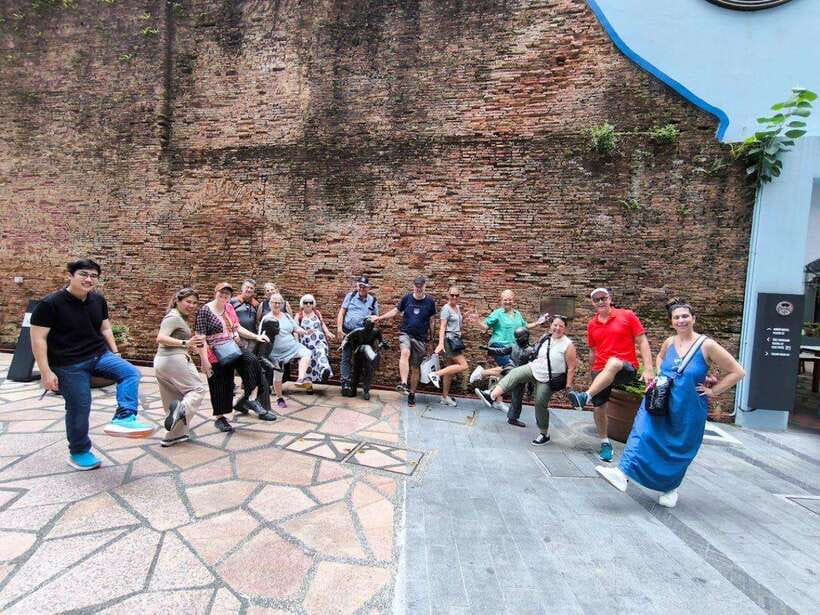
One of the most fun segments is the visit to Pek Sin Choon, a tea merchant with over 100 years of history. This stop feels different from typical tourist tea rooms because you’re walking into a working shop environment—where you can look at options and pick up Cantonese pastries that match the tea culture around here.
This is also where the tour earns its value. Tea and pastry are edible history: small flavors that tell you how people hosted guests, celebrated, and stayed connected.
If you’re picky about food: take a moment before tasting. You’ll often find different styles and packaging, and it’s easier to decide after you see what’s actually on display.
Pagoda Street to Sri Mariamman Temple: layers you can feel
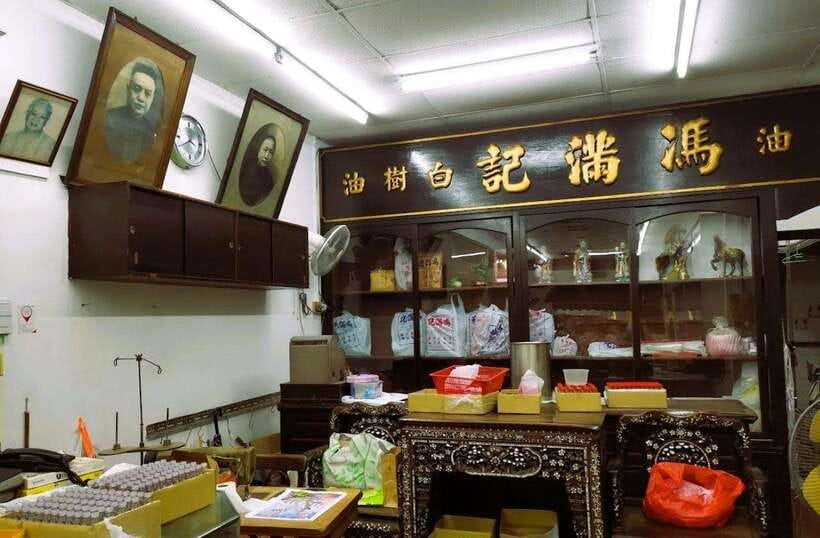
As you move along, you’ll reach Pagoda Street and then Sri Mariamman Temple. Pagoda Street is one of those places where the street itself feels like an exhibit—old-style signage, shopfront rhythms, and the kind of commerce that’s grown around religious life.
Sri Mariamman Temple adds depth. You’re not just stacking temples back-to-back—you’re learning how devotion shapes public space, local routines, and the way the neighborhood stays active.
Smith Street to Sago Lane: where old industry meets the modern city
You’ll explore Smith Street and head toward Sago Lane, which was once home to the city’s sago factories. This is a great contrast stop. After seeing temples and clubs, you get a reminder that Chinatown’s identity wasn’t only spiritual. It was also industrial and economic.
I like that the tour points out what used to happen here, because it changes how you read the buildings in front of you. What looks like “just a street” becomes a timeline.
Buddha Tooth Relic Temple, Maxwell Food Centre, and Singapore City Gallery
Later in the walk, you visit Buddha Tooth Relic Temple for a guided stop and then spend time at Maxwell Food Centre. This part of the tour helps you connect old faith and modern daily life. Food centres are where people live now, not where people visited in the past.
Finally, you head to Singapore City Gallery for about 20 minutes of guided time. That gallery stop helps you zoom out. After so many street details, it’s useful to step back and understand the city at a bigger scale—how neighborhoods fit together.
The finish: Fong Moon Kee and traditional remedies
The highlights mention a finish at Fong Moon Kee, a family-run shop specializing in traditional remedies since the early 1900s. This ending makes sense because it ties the morning’s theme together: Chinatown culture isn’t frozen in temples. It also lives in practical shops where people still come for care and cures.
Even if you don’t plan to buy anything, this stop helps you notice the difference between tourist browsing and everyday shopping. You’ll see how tradition is packaged, sold, and explained.
Rain or shine: pace, comfort, and how Ping keeps it moving
The tour runs rain or shine, and you’ll get a disposable poncho if weather turns. In the real world, that changes your day: you can stay focused on the sights instead of hunting for a way to get dry.
From the guide experience, one big positive factor is pacing. Many guests describe the walk as well matched to different speeds, with the guide adjusting when needed. Another standout: Ping is described as energetic and personable, and she often takes photos during the route and shares them afterward—handy if you’re traveling with limited time for selfies.
What to bring (simple list that matters):
- Comfortable shoes you trust for uneven sidewalks
- Water, since the route is steady from stop to stop
Price and value: is $54 a fair deal?
At $54 per person for about 210 minutes, this tour is priced like a real morning out—especially because lunch is included at Chiew Kee Noodle House. If you’ve ever paid for a walking tour and then tried to find lunch around it, you know how quickly the math gets annoying.
Here, you’re paying for three things at once:
- A guided walk that strings together meaningful sites (not just random stops)
- A scheduled meal at a well-known Chinatown spot
- Practical rain gear through the included poncho
Is it “cheap”? Not really. But for central Singapore, it’s a sensible value because you’re not just seeing buildings—you’re getting the context that makes those buildings worth your time.
Who should book this Chinatown historic walk?
Book it if you want Chinatown with brains and food. This works especially well for:
- First-timers who want a reliable overview fast
- People who like temples, religion, and how communities formed
- Anyone who prefers guided context over wandering solo with a map
- Families and mixed groups who need a manageable walking pace
If you only want a quick hit of the most famous landmarks, you might find it busy. But if you like learning while you walk—and eating like a local—this tour is a strong fit.
Should you book this tour?
Yes, if your goal is Chinatown with order and meaning. The mix of big temples, shop streets, tea and pastries, and a proper lunch makes the $54 feel more like a bundled day out than a sightseeing add-on.
Just go in ready to walk, expect it to run in bad weather, and bring shoes that handle a few hours of city pavement. If you do that, you’ll end the morning understanding Chinatown less like a set of photos and more like a living neighborhood.
FAQ
Where is the meeting point?
Meet in front of The Whisky Distillery at One Raffles Place, across from Raffles Place MRT Station Exit A (street level). You meet at 9:55 AM.
What time does the tour start?
The tour starts at 10:00 AM.
How long is the tour?
The duration is 210 minutes (about 3.5 hours).
What is included in the price?
The tour includes a tour guide, authentic lunch at Chiew Kee Noodle House, and a disposable poncho if it rains.
Is hotel pickup or drop-off included?
No, hotel pickup and drop-off are not included.
Does the tour run in rain?
Yes. The tour happens rain or shine, and you’ll receive a poncho if needed.
What should I bring?
Bring comfortable shoes and water.
Walks That Earn the Humidity
Old Singapore, Retold
Chinatown, Lane by Lane
Fresh Reviews from the Little Red Dot
- Night Safari Tickets with Tram Ride
★ 4.5 · 3 reviews - Singapore: Architecture and Food Tour with Tastings
★ 5.0 · 3 reviews - Singapore Private Full-Day Sightseeing Tour
★ 5.0 · 3 reviews - Private Chinatown Heritage Tour with Best 8 Local Tastings
★ 5.0 · 3 reviews
Chinatown Tours & Tastings, compared.
 ★ 5.0Chinatown, Little India, Kampong Gelam City Highlights TourFrom $80224 reviews
 ★ 5.0Chinatown Hawker Market Food Tour with 7 Food TastingsFrom $146213 reviews
Chinatown, Little India, Arab Street Walking TourFrom $53207 reviews
★ 5.0Chinatown Hawker Market Food Tour with 7 Food TastingsFrom $146213 reviews
Chinatown, Little India, Arab Street Walking TourFrom $53207 reviews
 ★ 4.8Chinatown and Little India Guided Walking TourFrom $78190 reviews
 ★ 5.0Chinatown Hawker Food Tasting TourFrom $8896 reviews
 ★ 4.5Kampong Glam, Little India & Chinatown with Local Street Food TastingsFrom $17770 reviews
 ★ 5.0Chinatown Heritage Centre (Admission Ticket)From $2065 reviews
 ★ 5.0Tasting Trails: Chinatown OR with Kampong Glam, Little IndiaFrom $6759 reviews
Browse the lists this tour appears in