
Reviewed · CHINATOWN TOURS & TASTINGS
Singapore: Chinatown Hidden Treasure Walking Tour with Snack
Chinatown can feel like a blur of streets—until you get the stories. This 3-hour walk is built around kaya toast and a coffee break at Nanyang Old Coffee, then it connects the dots from immigrant life to temples and alley art. Two things I like a lot are the snack you actually get (not just a photo stop) and the way the guide ties each place to everyday Singapore, not just dates. One thing to consider: it is not stroller or wheelchair accessible, so expect a proper walk.
If you’re the type who wants more than a checklist, you’ll like the format: short segments, photo moments, and an interactive guide who shares personal anecdotes. And if food is your compass, the tailored local cuisine recommendations are the part you’ll keep using after the tour ends.
In This Review
- Key moments that make this tour worth your time
- A 3-hour Chinatown food-and-history walk you can actually follow
- Coffee break at Nanyang Old Coffee: kaya toast plus a roasting lesson
- Chinatown Heritage Centre: immigrant survival stories and the Hong Tou Jin sculpture
- Chinatown alleys and murals by Yip Yew Chong: art you can read while walking
- Sri Mariamman Temple and its gopuram: a classic Singapore first glimpse
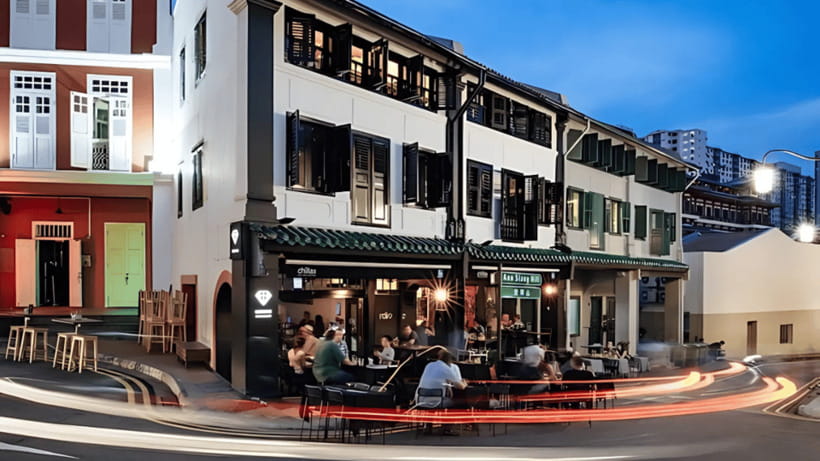
- Ann Siang Hill and Club Street: restored shophouses and a movie-famous photo spot
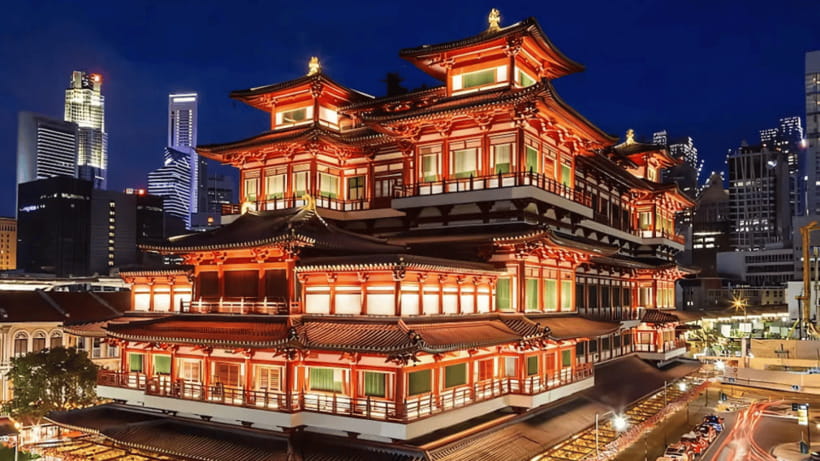
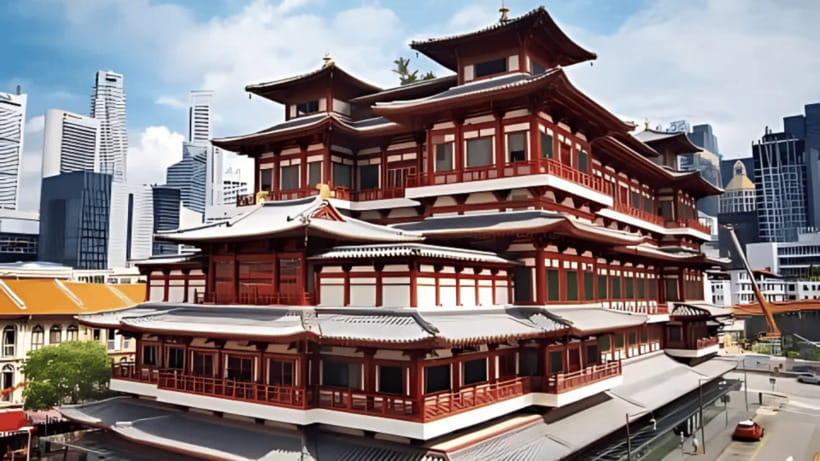
- Buddha Tooth Relic Temple: Tang-style design and Buddhist exhibits worth time
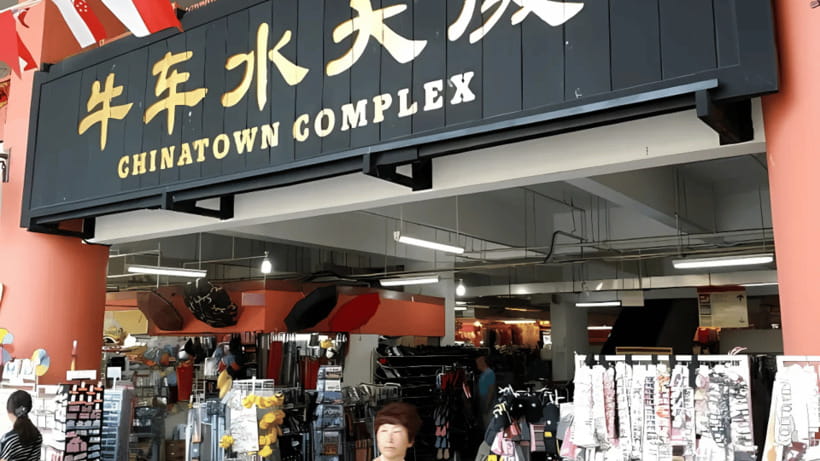
- Chinatown Complex: food-and-shopping history where the tour ends
- Value for $63: what you get for your time in Chinatown
- Who this suits best (and who might want a different option)
- Practical tips before you go: shoes, rain, and what to plan around
- Should you book this Chinatown hidden treasure walking tour?
- FAQ
- Where do I meet the tour?
- What food and drinks are included?
- How long is the tour, and where does it end?
- What languages are available for the live guide?
- What stops can I expect during the walk?
- Is the tour wheelchair or stroller accessible?
- Can I request special dietary accommodations?
- What happens if I cancel and want a refund?
- Is there a minimum number of adults, and how do child tickets work?
Key moments that make this tour worth your time
- Kaya toast + coffee or milk tea as a real break, not an afterthought
- Nanyang Old Coffee tasting with an explanation of traditional roasting
- Temple stops with strong visual cues (Sri Mariamman’s gopuram; Buddha Tooth’s exhibits)
- Ann Siang Hill and Club Street photo focus tied to a popular film location
- Local alley art featuring murals by artist Yip Yew Chong
A 3-hour Chinatown food-and-history walk you can actually follow
This is a compact Chinatown route designed for people who want to leave with a mental map. You’re moving in a focused loop that starts at Chinatown MRT (Exit A, street level) in front of Bee Chiang Heng Bak Kwa Store, then finishes at the Chinatown Complex area near Maxwell MRT Exit 1. The pacing works because the tour breaks the walk into manageable chunks, usually around 35 minutes of sightseeing at a time, then resets with a short photo stop or break.
I also like that the “hidden treasure” angle isn’t just marketing. You get practical context: why this area looks the way it does, who built the community, and what the landmarks mean—so your photos and memories come with reasons attached.
One more plus: the tour runs with a licensed live guide in English, Chinese, or Japanese. In past tours, guides such as Ronnie Tan, Jeanette, Kelvin, and Edwin have been singled out for clear explanations and taking time to answer questions, which is exactly what you want when you’re walking and learning at the same time.
Coffee break at Nanyang Old Coffee: kaya toast plus a roasting lesson
Your first real “food moment” is a traditional Kaya toast set paired with coffee. It’s simple, Singapore-simple. And the timing is smart: it’s not just sprinkled in randomly, it’s placed as a mid-walk reset so you can keep going without getting that travel-snack slump.
Then the tour adds something many basic food walks skip: you learn about the traditional coffee roasting process during the coffee break at Nanyang Old Coffee. Even if you think you know coffee, this kind of explanation turns a drink into a story. You’ll start noticing why the flavors feel the way they do, and that makes it easier to understand why local coffee shops have their own rituals.
If you’re planning to eat your way around Chinatown anyway, this stop helps you do it with confidence. You’ll know what to look for, and you’ll have a baseline taste to compare later.
Chinatown holds more lanes than one afternoon
Chinatown Heritage Centre: immigrant survival stories and the Hong Tou Jin sculpture
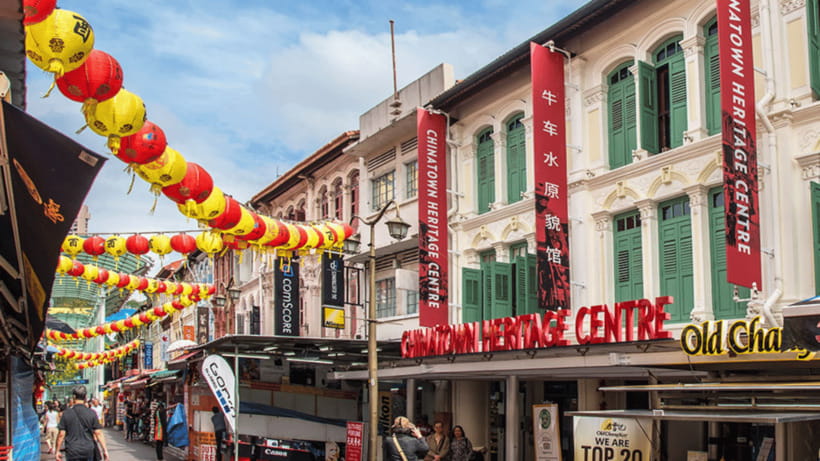
The Chinatown Heritage Centre stop is where the tour shifts from street level to human level. You’re guided through the story of Chinese immigrants who settled in Singapore and endured harsh living conditions. That context matters because it changes how you read the surrounding blocks. Shophouses, lanes, temple culture—suddenly they are not just pretty architecture. They connect to real lives and real pressure.
One specific thing I’d highlight: don’t miss the iconic sculpture of a Hong Tou Jin woman. It’s the kind of detail you could pass without noticing, but in a guided setting, it becomes a focal point for the broader immigrant story the center is telling.
This is the part of the tour that works especially well if you like understanding the “why” behind the neighborhood. If your travel style is mostly photos and snacks, you’ll still get value, but you might want to listen closely and jot down a few names or details for later.
Chinatown alleys and murals by Yip Yew Chong: art you can read while walking
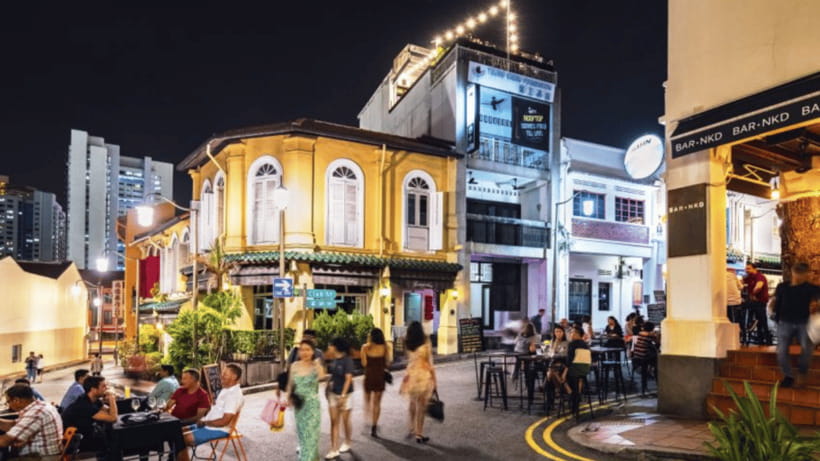
After the heritage center, the tour moves into Chinatown’s alleys, where you’ll see colorful murals by local artist Yip Yew Chong. The key is that these aren’t random wall decorations. Each mural is designed to tell a unique story, and the guide helps you connect what you see with what it represents.
This is also where the tour earns its “interactive” label. Instead of rushing you through lanes, the walk is paced around photo stops and guided interpretation. You’ll get a sense of how street art can preserve memory and identity in a neighborhood that has changed over time.
Practical note: these alley stretches are great for photos, but bring your phone grip and be ready for small changes in ground level. Wear shoes you trust.
Sri Mariamman Temple and its gopuram: a classic Singapore first glimpse
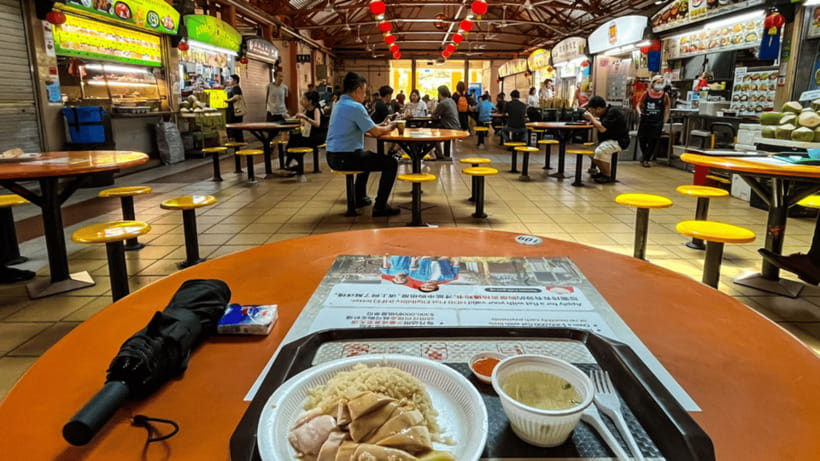
Next you’ll visit Sri Mariamman Temple, described as Singapore’s oldest Hindu temple. What stands out here is the architecture, especially the intricately designed gopuram (the tower). If you like religious architecture, this is a clear win: the temple gives you a strong visual anchor and a reason to pause even if your legs are starting to complain.
The benefit of having this explained on a walking tour is timing. You’re not separating your temple visit from your Chinatown context. You’re seeing how religious life sits alongside community life, trade, and daily routines.
I also find it calming in a practical way. Taking a moment at the temple breaks the constant motion of the walk. It’s a good chance to slow your pace, look up, and reset your attention.
Shophouse streets reward slow feet, keep going
- Singapore: Private Walking Tour with a Local★ 4.7 · 410 reviews
- Private Customised Singapore Walking Tour★ 5.0 · 370 reviews
- Singapore: Chinatown and Little India Guided Walking Tour★ 4.8 · 190 reviews
- Singapore: Customized Private Tours (Car/Bus/Walking)★ 5.0 · 181 reviews
Ann Siang Hill and Club Street: restored shophouses and a movie-famous photo spot
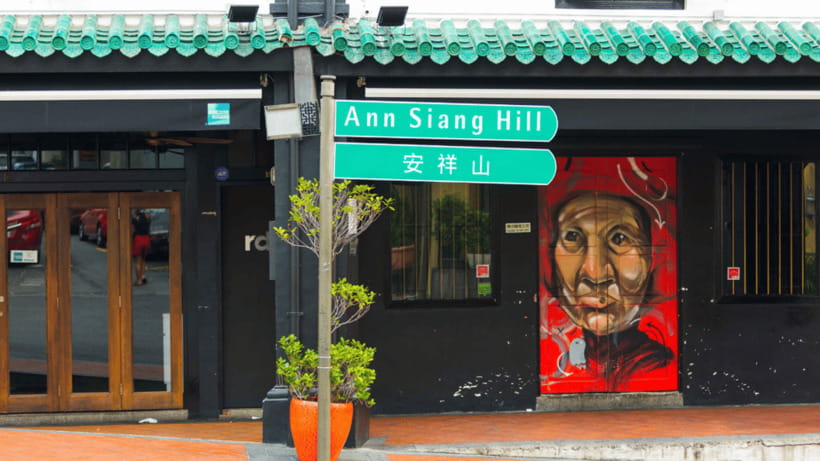
Ann Siang Hill and Club Street is the stop where history meets the kind of “oh wow” framing that makes for excellent photos. You’ll see beautifully restored shophouses, and you’ll also get a photogenic spot made famous in Crazy Rich Asians.
Here’s the value beyond the photo: the guide ties the look of the streets to how Chinatown functioned and how the area’s identity continues through architecture. Even if you’re not a movie fan, you’ll still appreciate the restored facades and the sense of place.
If you care about photography, this is one of your best windows during the tour. The streets are structured for angles and details—so you’ll want to take a second look, not just one quick snap.
Buddha Tooth Relic Temple: Tang-style design and Buddhist exhibits worth time
Then the route brings you to Buddha Tooth Relic Temple, a Tang-style temple home to a revered Buddha tooth relic and Buddhist exhibits. This isn’t only about looking at a building from outside. With a guided visit, you’ll get the meaning behind what you’re seeing and a sense of why people come here.
This stop is particularly useful if you want a more rounded Singapore view—temple culture, but with explanation, plus enough time to absorb exhibits rather than just passing through.
If you’re someone who gets temple fatigue, pace yourself. Look for the moments the guide points out and don’t try to read everything at once. Even with a short visit, you’ll leave with a better understanding of what the site represents.
Chinatown Complex: food-and-shopping history where the tour ends
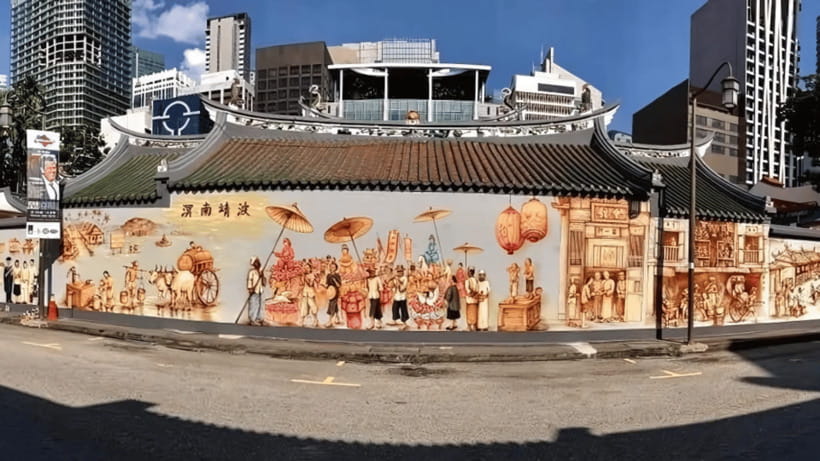
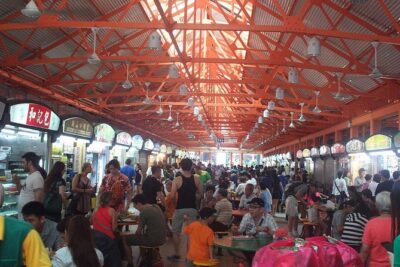
The final stop is Chinatown Complex, near where you’ll finish. It’s both a culinary and architectural hub, and it’s a sensible place to end because it’s active and practical. You can use the guide’s suggestions to keep eating after the tour, or you can simply use the area to regroup, shop, or wander at your own pace.
This is also where tailored local cuisine recommendations become more than “nice to have.” By this point you’ve seen temples, heritage storytelling, and alley art. The food recommendations land differently because you understand the neighborhood context you’re in.
The route ends with a guided visit segment of about 20 minutes, then you’re free. For many people, that “finish point” matters because you’re not stuck near your starting spot again.
Value for $63: what you get for your time in Chinatown
At $63 per person for a 3-hour guided experience, this tour isn’t trying to be the cheapest option in Chinatown. The real question is whether you’re getting enough value beyond basic walking.
You are getting:
- a licensed tour guide (live, with English/Chinese/Japanese options)
- a milk tea or coffee with a Kaya toast sharing set
- 1 bottle of mineral water
- the structured route to major stops, including the coffee break and guided temple visits
For me, the value comes from two things: the snack is built into the experience (you don’t just point and move), and the guide helps you interpret what you’re seeing. If you’ve ever tried to DIY Chinatown and felt like you were either speed-walking landmarks or over-reading signs, this kind of guided pacing can save time and stress.
If you’re traveling with food goals and you like learning what you’re eating, this is one of the better “time-to-reward” formats. Three hours is long enough to feel like a proper experience, but short enough that you won’t lose the whole day to walking.
Who this suits best (and who might want a different option)
This tour fits best if you:
- want a guided understanding of Chinatown’s immigrant heritage and community identity
- like food culture and want tailored dish suggestions rather than generic lists
- enjoy temples and architecture, not just street photos
- prefer a small-group feel, with private or small groups available
You might want to think twice if you:
- need stroller or wheelchair access (the tour isn’t set up for that)
- have strict dietary requirements that require advance accommodation (special requests may not be accommodated unless it’s a private tour)
- hate walking. Even with breaks, you’ll be on your feet through multiple sightseeing segments
Practical tips before you go: shoes, rain, and what to plan around
Chinatown can surprise you with weather. The tour suggests being prepared for rain with umbrellas or ponchos, and you’ll thank yourself for packing one. Comfortable footwear is not optional here; the experience is built on walking and photo stops.
Dietary planning is another area to handle early. The tour notes that special dietary requests may not be accommodated unless it’s a private tour. If you need something specific, confirm first.
Also remember the tour runs with a minimum of 2 full-paying adults to proceed. That means your plans can shift if your group is too small. Check your booking details and have a backup idea for that day.
If you’re traveling with kids, child ticket rules are limited: 1 adult can buy a maximum of 1 child ticket (and any additional child pays the full adult price). If this affects your group, plan the ticket count carefully before you lock it in.
Should you book this Chinatown hidden treasure walking tour?
Book it if you want Chinatown to feel understandable, not just photographed. The mix of heritage storytelling, temples, alley murals, and food stops makes it easy to build a real impression of the area in 3 hours. I’d especially recommend it if you like when guides connect the dots and if you value food recommendations you can use right after the tour.
Skip it or choose a different format if your main goal is purely self-guided landmark hopping, or if mobility needs mean the walking isn’t realistic for your group. For most people, though, this is a strong way to get oriented fast and eat well while you’re doing it.
FAQ
Where do I meet the tour?
You meet at Chinatown MRT Station, Exit A (street level), in front of Bee Chiang Heng Bak Kwa Store.
What food and drinks are included?
You get 1 milk tea or coffee with a Kaya toast sharing set, plus 1 bottle of mineral water.
How long is the tour, and where does it end?
The tour lasts 3 hours. It ends at the Chinatown Complex, near Maxwell MRT Exit 1.
What languages are available for the live guide?
The live tour guide is available in English, Chinese, and Japanese.
What stops can I expect during the walk?
You’ll visit the Chinatown Heritage Centre, see Chinatown alleys with murals by Yip Yew Chong, have a coffee break at Nanyang Old Coffee, and stop at Sri Mariamman Temple and Buddha Tooth Relic Temple. The route also includes Ann Siang Hill and Club Street photo stops and ends at Chinatown Complex.
Is the tour wheelchair or stroller accessible?
No. The tour is not wheelchair or stroller accessible.
Can I request special dietary accommodations?
Special dietary requests may not be accommodated unless it’s a private tour. If you have specific needs, contact the operator before booking.
What happens if I cancel and want a refund?
Refund eligibility depends on timing. One policy says you can cancel up to 48 hours before for a full refund, while another says you can cancel up to 24 hours in advance for a full refund. Check the exact cancellation terms shown during booking.
Is there a minimum number of adults, and how do child tickets work?
Yes. The tour requires a minimum of 2 full-paying adults to proceed; the operator may cancel or reschedule if that requirement isn’t met. Child ticket rules also limit purchases to a maximum of 1 child ticket per adult, and any additional children pay the full adult price.
Walks That Earn the Humidity
Chinatown, Lane by Lane
Fresh Reviews from the Little Red Dot
- Night Safari Tickets with Tram Ride
★ 4.5 · 3 reviews - Singapore: Architecture and Food Tour with Tastings
★ 5.0 · 3 reviews - Singapore Private Full-Day Sightseeing Tour
★ 5.0 · 3 reviews - Private Chinatown Heritage Tour with Best 8 Local Tastings
★ 5.0 · 3 reviews
Chinatown Tours & Tastings, compared.
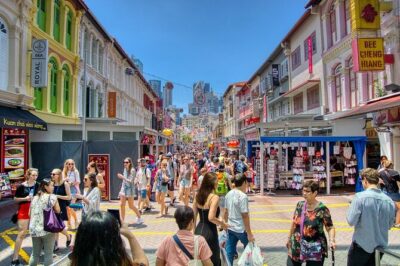 ★ 5.0Chinatown, Little India, Kampong Gelam City Highlights TourFrom $80224 reviews
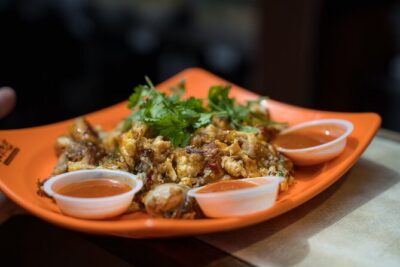 ★ 5.0Chinatown Hawker Market Food Tour with 7 Food TastingsFrom $146213 reviews
Chinatown, Little India, Arab Street Walking TourFrom $53207 reviews
★ 5.0Chinatown Hawker Market Food Tour with 7 Food TastingsFrom $146213 reviews
Chinatown, Little India, Arab Street Walking TourFrom $53207 reviews
 ★ 4.8Chinatown and Little India Guided Walking TourFrom $78190 reviews
 ★ 5.0Chinatown Historic Walking Tour with LunchFrom $54134 reviews
 ★ 5.0Chinatown Hawker Food Tasting TourFrom $8896 reviews
 ★ 4.5Kampong Glam, Little India & Chinatown with Local Street Food TastingsFrom $17770 reviews
 ★ 5.0Chinatown Heritage Centre (Admission Ticket)From $2065 reviews
Browse the lists this tour appears in