
Reviewed · KATONG & PERANAKAN HERITAGE TOURS
Singapore: Peranakan Culture, Cuisine & Hidden Treasures
Pastel streets, real stories, and tea snacks. That mix is exactly why this Peranakan-focused walk works so well. You’ll see how Peranakan culture shaped Singapore’s Katong–Joo Chiat neighborhoods, from architecture to everyday food.
I especially like the photo-friendly streets paired with clear context, so you’re not just snapping pretty storefronts. The stop inside a private Peranakan museum also adds the kind of hands-on detail you normally have to hunt for on your own.
One watch-out: this is a walking tour with a set flow, so if the group pace drags, the value can feel thinner—especially around the food sampling.
In This Review
- Key things I’d prioritize on this tour
- Peranakan Culture in Katong–Joo Chiat: what you’re really learning
- Koon Seng Road shophouses and the Koon Seng Road photo logic
- The “private museum” stop: what to look for beyond the doorway
- Joo Chiat Road stroll: sea turtle symbolism and neighborhood evolution
- Kim Choo Kueh Chang and Nyonya tea: snacks that make the culture stick
- Batik fabrics and “take-home” souvenirs that match the theme
- Price and value: when $113 feels fair
- The walking reality: timing, comfort, and group size
- Who this Peranakan tour is best for
- FAQ
- FAQ
- How long is the Peranakan Culture, Cuisine & Hidden Treasures tour?
- Where do I meet for the tour?
- Do I get hotel pickup and drop-off?
- What does the tour include?
- What food will I sample?
- Where does the tour end?
- What’s the tour language?
- Is the tour suitable for children and families?
- How many people are needed for the tour to start?
- Is this tour wheelchair accessible?
- Should you book this Katong–Joo Chiat Peranakan experience?
Key things I’d prioritize on this tour
- Koon Seng Road shophouses: pastel architecture plus the stories behind who lived there
- Private Peranakan museum access: look at dress and ornament details tied to daily life
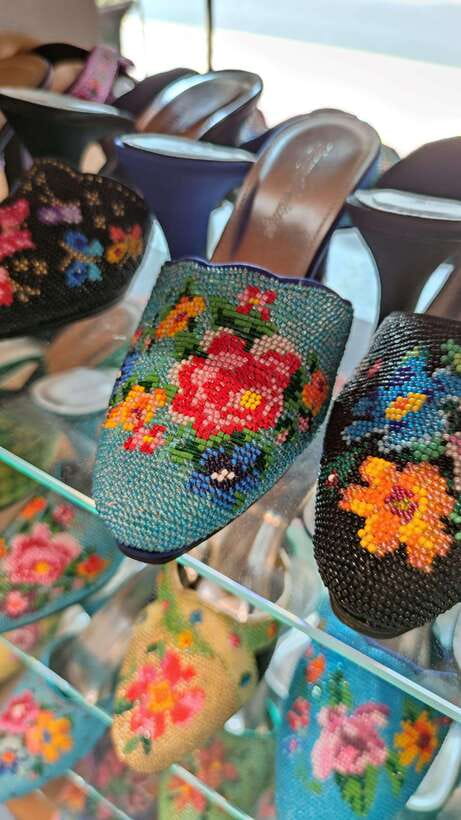
- Kebaya, kerosang, and beaded shoes: you’ll learn what these items mean in culture
- Katong–Joo Chiat neighborhood stories: including Katong’s sea-turtle link and post-war change
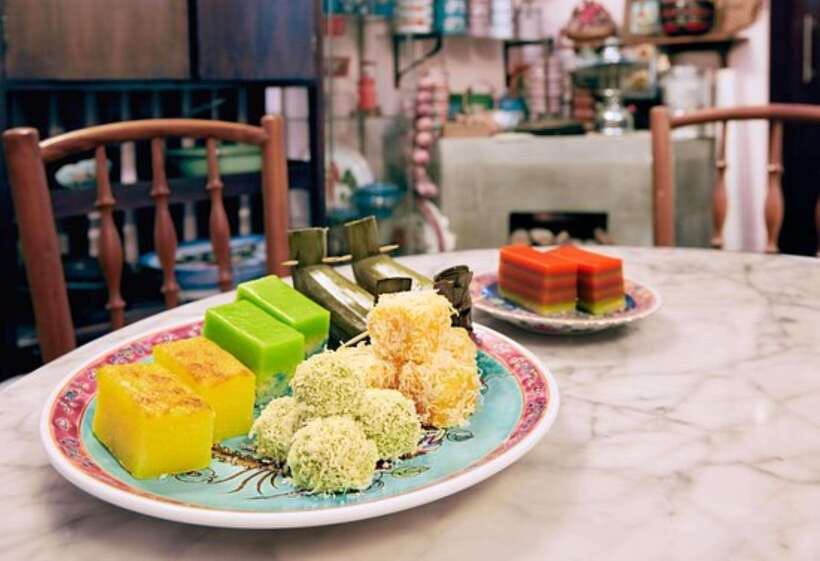
- Kim Choo Kueh Chang tasting: chewy rice dumplings plus other Nyonya snacks with tea
- Laksa and fusion food context: the tour frames it as a Malay-Chinese Peranakan link
Peranakan Culture in Katong–Joo Chiat: what you’re really learning
This tour isn’t only about aesthetics, even though the streets practically beg for photos. The point is to understand how the Peranakans—people of Chinese descent who developed their own culture in Southeast Asia—made Singapore feel like home in their own way. You’ll connect the dots between architecture, clothing traditions, and the food people ate daily.
I like that the focus stays grounded. You’re not getting endless vague history lessons. Instead, you learn why certain details matter: the way shophouses reflect a community’s life, or how wearable objects like kerosang pins show up in Peranakan dress culture.
You also get a neighborhood narrative: Katong and Joo Chiat weren’t always what you see today. The tour’s walk-through history helps you understand how the area evolved—from home to wealthy Peranakans, to later post-war changes, and finally to the more modern café-and-shopping vibe you’ll recognize now.
Koon Seng Road shophouses and the Koon Seng Road photo logic
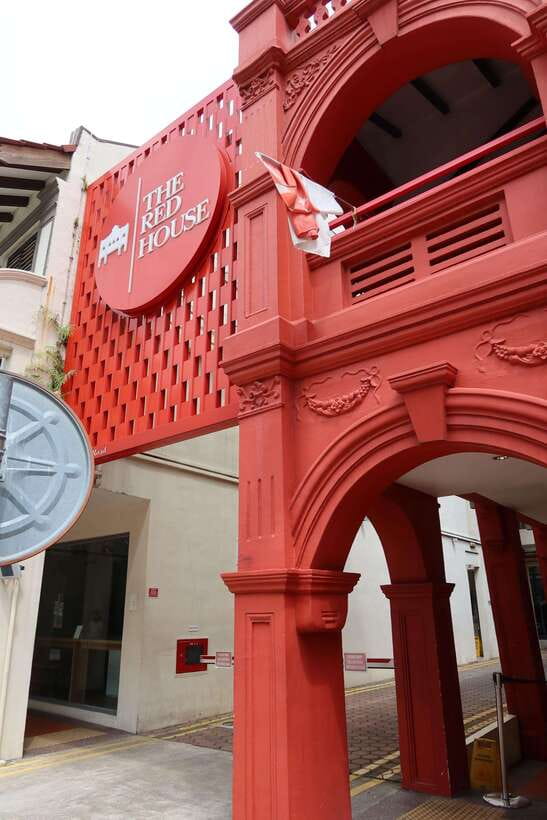
The tour starts by getting your bearings near 291 Joo Chiat Rd, with the meeting point listed outside Cold Storage. From there, you’ll head to Koon Seng Road for about 30 minutes of guided time. This is where the pastel shophouses come in, originally built in the 1920s.
Here’s the value: the tour doesn’t treat these buildings like background scenery. You’ll hear how this street once housed a diverse community, including Peranakan Chinese residents. The guide’s job is to help you read the street—what you’re looking at, who might have lived there, and why this particular cluster of houses became a recognizable visual identity.
Practical tip: start taking photos early, not at the end. The light and your patience both hold up better at the beginning, and you’ll need time later for the museum and food stop. Wear comfortable shoes; the tour is designed to keep moving.
Deeper into Katong tiles and Peranakan kitchens
The “private museum” stop: what to look for beyond the doorway
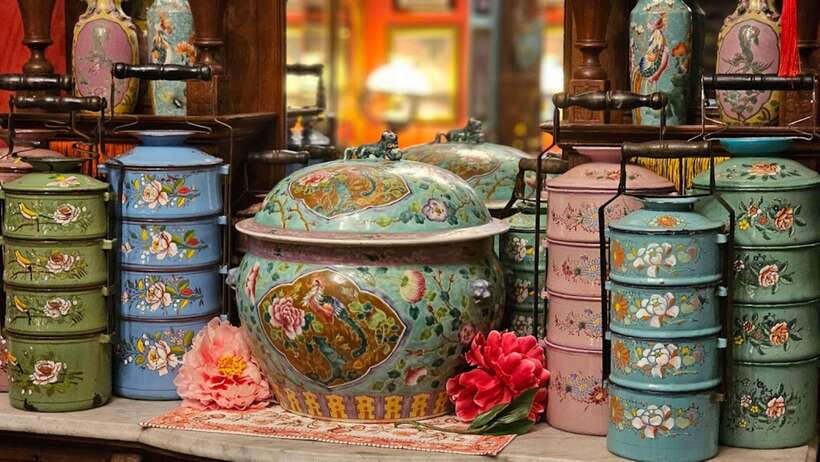
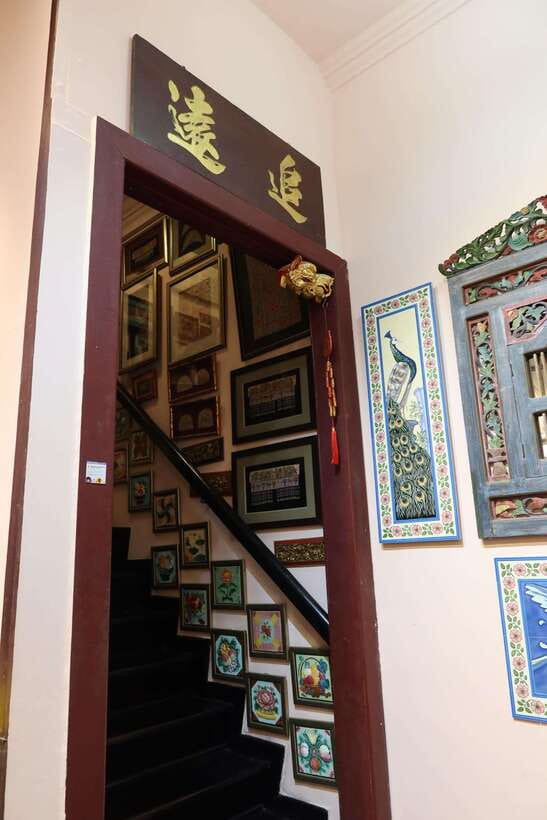
Next comes the key cultural anchor: a private Peranakan museum in an original home. You’ll get about 45 minutes here (listed as a guided “hidden gem” segment), and this is where the tour shifts from street-level context to personal material culture.
The items you’ll hear about are specific: kebaya, kerosang, and beaded shoes. Even if you’ve seen Peranakan clothing photos before, seeing these elements in person changes how you understand them. The kebaya isn’t just a pretty outfit—it’s part of a dress system tied to identity, occasion, and style. Kerongsang (often spelled kerosang/kerongsang in English transliteration) are the decorative clasps/pins that can anchor a look and signal craft details.
If you like learning through objects, you’ll enjoy this stop. Don’t rush it. Take a few minutes just to look at craftsmanship and how the pieces relate to each other visually—clothing doesn’t live in isolation in this culture. Also, since it’s a home turned museum, pay attention to how the spaces feel, not only the displays.
Joo Chiat Road stroll: sea turtle symbolism and neighborhood evolution
After the museum, the tour keeps walking with another 30-minute guided stretch on Joo Chiat Road. This part matters because it ties the Peranakan story back to place.
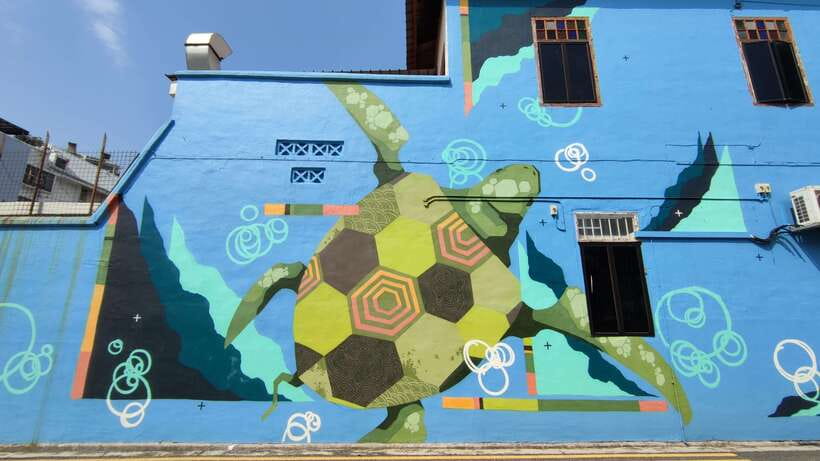
One of the standout cultural connections is Katong’s association with the sea turtle. You’ll learn how that symbolism became part of local identity in this neighborhood. It’s the kind of detail that makes a skyline feel personal once you know the meaning behind it.
You also get the broader neighborhood arc: Katong and Joo Chiat became a place for wealthier Peranakans, then shifted through post-war evolution into the modern mix you see today, including historical shophouses and cafés with more contemporary energy. In plain terms, you’re learning how layers stack—old homes, old customs, and newer habits all sharing the same blocks.
Practical tip: bring a camera, but also look up. The point isn’t only façades. Watch for doorways, windows, and street rhythm. Shophouses are designed for daily life, so the details around the edges tell you more than a single postcard view.
Kim Choo Kueh Chang and Nyonya tea: snacks that make the culture stick
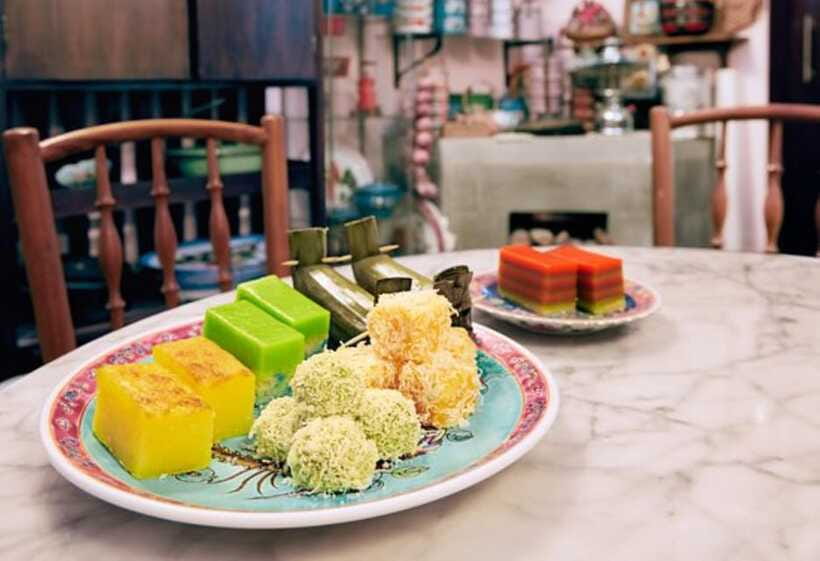
Food is where many Peranakan tours disappoint, so I’m glad this one anchors itself with a long-running institution. Your food tasting runs about 45 minutes at Kim Choo Kueh Chang inside the Singapore Visitor Centre @Kim Choo Kueh Chang.
You’ll learn that Kim Choo Kueh Chang has served chewy rice dumplings since 1945. That dish is a staple in Peranakan culture, so it’s a smart choice for a first taste: it connects you to tradition rather than serving only modern comfort food.
Then comes the Peranakan-theme tea session. Expect sampling of Nyonya snacks over tea. The tour also mentions a tasting/context around laksa—a spicy coconut-broth dish presented as a Malay-Chinese fusion food shaped by Peranakan influences.
Here’s my advice for managing expectations: this isn’t billed like a full meal tour. It’s a sampling experience, and the snacks are meant to help you recognize flavors and cultural identity. In other words, go in hungry-ish, not starving.
Another small but important comfort point: if you’re sensitive to heat, this tea stop is your break. The tour asks you to bring water and sunscreen, and you’ll be glad you did.
- Lion City Bike Tour of Singapore★ 5.0 · 6,211 reviews
- Singapore: Gardens by the Bay Bundle Entry Ticket★ 4.3 · 3,726 reviews
- Singapore: Big Bus Hop-On Hop-Off Tour by Open-Top Bus★ 4.5 · 3,261 reviews
- Singapore: Lion City Highlights Bike Tour★ 4.9 · 2,010 reviews
Batik fabrics and “take-home” souvenirs that match the theme
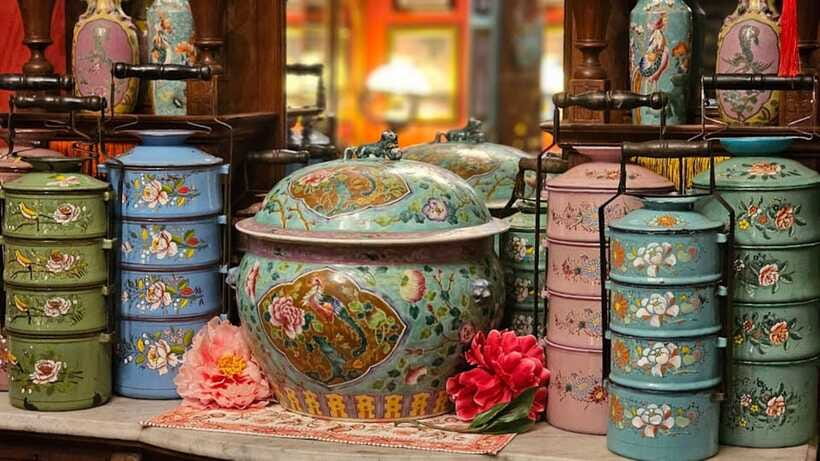
If you want a keepsake tied to Peranakan style, the tour includes a segment where you’ll be introduced to batik fabrics. The idea here is to connect the visual culture you’ve been seeing—colors, patterns, and craft—with something you can physically take home.
Should you buy? Only if you like textiles enough to use them later, not just because the shop looks interesting. Batik isn’t automatically cheaper here than elsewhere, but it can be meaningful if it fits your style and you know what you’re purchasing.
If you’re the type who prefers experiences over shopping, you can treat this as a look-and-learn stop: you’ll still come away understanding how patterns and fabrics support cultural identity.
Price and value: when $113 feels fair
The price listed is $113 per person for 150 minutes. On paper, that’s not a steal—but it can be fair if the stops run as expected.
What you’re paying for is more than a generic walk:
- Guided walking time through Katong/Joo Chiat streets
- Entry to a private Peranakan museum
- A Peranakan-theme tea session with Nyonya snacks
Those inclusions are the heart of the value. Museum entry and a structured food stop are the hard costs that keep the day from feeling like “just sightseeing.”
That said, this is also where pacing can make or break the experience. One verified account flagged a slower guide pace and an extra detour to a non-traditional, modern art shop instead of the expected cultural focus. The takeaway for you: if your tour day feels like it’s drifting, speak up politely and ask what’s next. You want shophouse time, museum time, and real tastings—not filler.
Also, pay attention to the guide experience. One recent guide named Stefan was described as talkative and using an audio earpiece, which helps you stay connected to the narration even when you’re walking and stopping often. If your guide is that engaged, the tour usually clicks.
The walking reality: timing, comfort, and group size
This tour is only about 150 minutes, but it still includes multiple street segments plus an indoor museum and a food tasting. The total time feels manageable because the stops are grouped by theme.
Still, plan like it’s a real walk:
- You’ll want comfortable shoes
- Bring a hat, sunscreen, and water
- The tour is designed for people who can stand and walk for the full loop
Group size is another factor. It only begins with a minimum of 4 participants, so the tour should be small enough for personal guidance, but it’s still dependent on the day’s turnout.
One more practical point: your meeting and start points are close but not identical—meeting is outside Cold Storage, and the walk begins around 291 Joo Chiat Rd. Get there a few minutes early so you don’t start stressed.
Who this Peranakan tour is best for
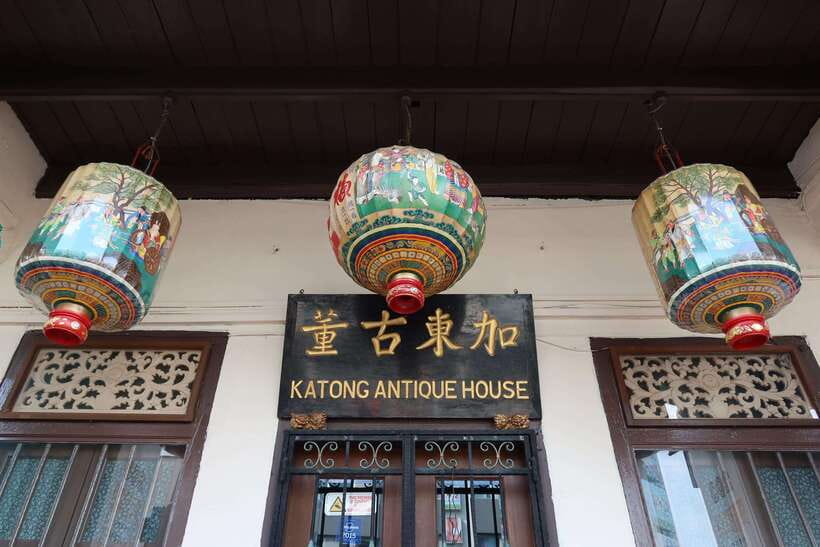
I think this works especially well if you:
- Want a guided way to understand Peranakan culture without reading a textbook first
- Love architecture and want the stories behind the shophouses
- Enjoy food tastings that tie into culture (tea, Nyonya snacks, rice dumplings, and context for laksa)
- Prefer a structured short tour instead of a long half-day trek
It’s also suitable for all ages, so it can be a good pick for multi-generation travel—as long as everyone in your group can handle walking.
It is not suitable for wheelchair users, so if mobility is a concern, you’ll need to look for an alternative format.
FAQ
FAQ
How long is the Peranakan Culture, Cuisine & Hidden Treasures tour?
The duration is listed as 150 minutes.
Where do I meet for the tour?
You meet outside Cold Storage.
Do I get hotel pickup and drop-off?
No. Hotel pickup and drop-off are not included.
What does the tour include?
You get a guided tour of Katong/Joo Chiat Road, entry to a private Peranakan museum, and a Peranakan-theme tea session with sampling of Nyonya snacks.
What food will I sample?
You’ll have a Peranakan-theme tea session with Nyonya snacks. The tour specifically mentions chewy rice dumplings from Kim Choo Kueh Chang, and it also introduces laksa.
Where does the tour end?
The tour finishes at i12 Katong.
What’s the tour language?
The live tour guide is in English.
Is the tour suitable for children and families?
Yes, the tour is listed as suitable for all ages.
How many people are needed for the tour to start?
The tour will only commence with a minimum of 4 participants.
Is this tour wheelchair accessible?
No, it’s listed as not suitable for wheelchair users.
Should you book this Katong–Joo Chiat Peranakan experience?
If your goal is to understand Peranakan culture through three anchors—architecture, a private museum, and food/tea—this tour is a strong match for the time and money. You’ll leave with more than photos: you’ll have names, objects, and flavors tied to place.
I’d book it if you like structured storytelling and you’re ready to walk comfortably. I’d hesitate if you’re expecting a long, slow, sit-down meal experience or if your group needs extra accessibility support, since it’s not wheelchair-friendly. And on the off chance you feel the tour pacing isn’t hitting the expected cultural stops, ask where the museum and tastings are coming next—so you get the Peranakan focus you paid for.
The Peranakan Side of Town
Fresh Reviews from the Little Red Dot
- Night Safari Tickets with Tram Ride
★ 4.5 · 3 reviews - Singapore: Architecture and Food Tour with Tastings
★ 5.0 · 3 reviews - Singapore Private Full-Day Sightseeing Tour
★ 5.0 · 3 reviews - Private Chinatown Heritage Tour with Best 8 Local Tastings
★ 5.0 · 3 reviews
Katong & Peranakan Heritage Tours, compared.
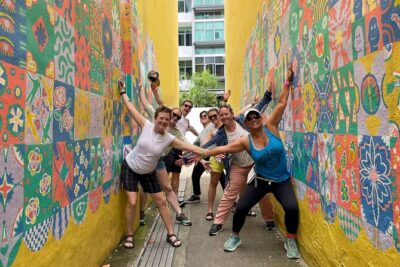 ★ 5.0Eat Snap Katong Walking Food TourFrom $76174 reviews
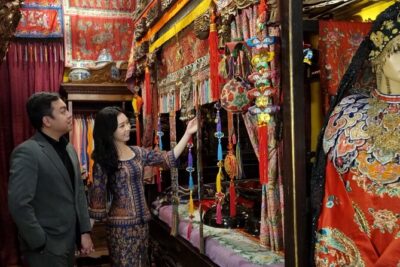 ★ 5.0The Peranakan Mansion – Experience Singapore’s Unique CultureFrom $30117 reviews
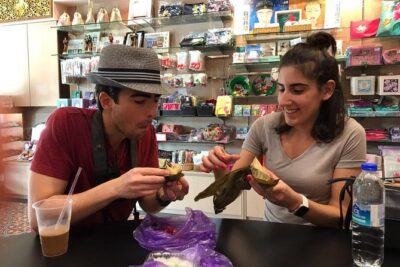 ★ 4.5Katong Evening Food TourFrom $10341 reviews
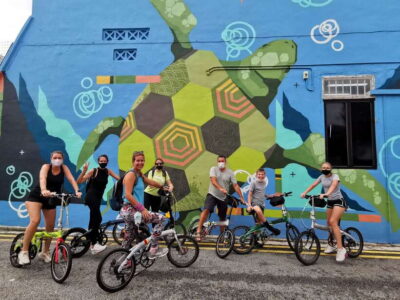 ★ 4.9Food and Bike Tour: Katong DistrictFrom $9438 reviews
 ★ 5.0Katong Local Food and City Highlights TourFrom $7518 reviews
 ★ 4.9Peranakan Museum Admission TicketFrom $611 reviews
 ★ 5.0Best Ever Katong Food Tour with Local Foodie – PRIVATE TOURFrom $954 reviews
Browse the lists this tour appears in