
Katong and Joo Chiat taste better by bike. This food-first ride pairs at least eight tastings with stops in Geylang Serai and pastel shophouse streets, so you get flavor and street-level context. I also like that it’s a small group (max 10), which keeps the pace friendly for questions and photos, but you’ll want to be a competent urban cyclist and expect it to run rain or shine.
You meet at Dakota MRT Station (Exit B201), right by Old Airport Road, with the tour starting at 9:00am and returning to the same spot. Bring sunscreen and a water bottle, because Singapore mornings can turn hot fast—especially while you’re between tasting stops.
The guide is a big part of the experience, and names like Holden, Fred, Zac, and Han show up for a reason: mixing local food with Singapore history and day-to-day life. If you have dietary needs (like vegetarian), the tour can work—just tell the operator in advance and don’t assume it’s automatic for everyone.
In This Review
- Key points to know before you go
- Why Katong and Joo Chiat is perfect for a bike-and-food plan
- The 4-hour route: from Geylang Serai to East Coast Park
- Stop 1: Geylang Serai New Market (wet market + food centre)
- Stop 2: Katong-Joo Chiat (shophouses, streets, and neighborhood life)
- Stop 3: East Coast Park (more than a beach)
- Food you’ll actually care about: at least eight dishes
- Pace matters (especially if you’re a quick eater)
- Peranakan culture and shophouse photos: what you’re really seeing
- Bikes, comfort, and the riding requirement that matters
- Price and value: what $96.97 buys you
- Small group dynamics and the guide factor
- Weather reality: rain or shine means you pack smarter
- Getting ready: meeting point, timing, and what to bring
- Should you book the Singapore Food & Bike Tour – Katong?
- FAQ
- How long is the Singapore Food & Bike Tour – Katong?
- What food will I try on the tour?
- Is the tour rain or shine?
- Where does the tour start, and what time does it begin?
- Do I need to know how to ride a bike?
- Do I need to bring anything or arrange a helmet?
Key points to know before you go
- At least eight dishes, with local favorites like laksa, curry puff, and Hainanese chicken rice
- Small group max of 10, which makes photo stops and questions feel relaxed
- Three distinct areas: Geylang Serai markets, Katong-Joo Chiat shophouse streets, and East Coast Park
- Rain or shine timing, so plan for weather and pack light
- Bicycle + local licensed guide included, meaning you’re paying for logistics and food, not just sightseeing
Why Katong and Joo Chiat is perfect for a bike-and-food plan
Katong and Joo Chiat are the kind of neighborhoods where you can’t really rush. The streets have stories in the facades, and the food scene feels woven into everyday life, not staged for tourists. By putting a bike between your meals, the tour helps you cover ground without losing the neighborhood vibe.
The tour’s biggest win is the pairing: food first, then the culture around it. You start with a market-food reality check, then move into the candy-colored streets people photograph, and you finish with the open-air feel of East Coast Park. That mix keeps the day from turning into one long snack parade with no context.
One practical note: cycling is not optional here. You’ll be riding through an urban environment, and the tour specifies you must be a competent rider. If you’re comfortable in city traffic patterns and steady turns, you’ll feel confident. If biking makes you tense, your enjoyment will shrink—especially during stops where you want to grab photos quickly.
The 4-hour route: from Geylang Serai to East Coast Park
The full tour runs about 4 hours (cycling time included) and starts at 9:00am. You’ll end back at the meeting point, Dakota MRT Station (Exit B201). The actual time at each featured stop is about 1 hour each, with cycling time filling in the rest.
Deeper into Katong tiles and Peranakan kitchens
Stop 1: Geylang Serai New Market (wet market + food centre)
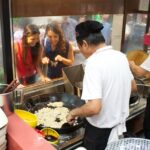
This is the “see it, smell it, learn it” start. Geylang Serai New Market is described as a traditional Malay kampong house that includes a wet market and a food centre. That matters because you’re not just eating in an air-conditioned restaurant bubble—you’re seeing ingredients in motion: seafood, vegetables, fruits, spices, and the mix of Malay and Indian dishes that give this area its identity.
You’ll likely get a sense of how flavors build in Singapore: spices show up, sauces do their thing, and you start recognizing the ingredients behind dishes you’ve heard of. It’s also a good way to wake up your palate before you head into Katong’s sweeter, more heritage-forward food scene.
Potential drawback: markets can be lively and sensory. If you’re sensitive to strong smells or crowded aisles, stay patient and focus on the food guide’s pacing.
Stop 2: Katong-Joo Chiat (shophouses, streets, and neighborhood life)
Katong is a residential neighborhood in Singapore’s eastern portion of the Central Region (within the Marine Parade planning area), and Joo Chiat sits right alongside it in spirit and vibe. This stop is less about one specific building and more about the neighborhood feeling—especially the photo opportunities created by colorful shophouses.
This is also where the tour’s cultural angle becomes concrete: the Peranakan culture thread is part of what you’re learning alongside the food. Peranakan influence often shows up in the way flavors balance sweet, savory, and spice, and in the way heritage shows in architecture. On a bike, you can move between views quickly, instead of wasting time trying to “find the good street” on foot.
Because the itinerary doesn’t list a single attraction here, you’ll get the most out of it if you’re the kind of person who likes street-level wandering. If you prefer major landmarks only, you may find this stop more atmospheric than iconic.
Stop 3: East Coast Park (more than a beach)
You end with East Coast Park, described as more than just a beach. It’s about 15 km long and 185 hectares—enough space that it feels like a breather after market intensity and neighborhood color. Even if you’re not coming for the water view specifically, this stretch makes the cycling portion feel smoother and more scenic.
It’s a practical way to finish: open air, room to pause, and the chance to take photos without weaving through tight lanes. Expect the last hour to feel lighter, with the tour’s earlier food education making your final tastes and observations land better.
Still hungry? The hawker trail keeps going
- Small Group: Michelin and Local Hawker Food Tour with 9 tastings★ 5.0 · 1,890 reviews
- Small Group: Singapore Street Food & Night Tour with 9 tastings★ 5.0 · 1,240 reviews
- The Award-Winning PRIVATE Food Tour: 10 Tastings of 3 Cultures★ 4.5 · 1,017 reviews
- Singapore: Chinese, Indian & Arabic Quarters, Culture & Food Tour★ 5.0 · 789 reviews
Food you’ll actually care about: at least eight dishes
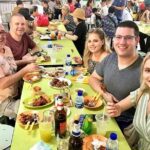
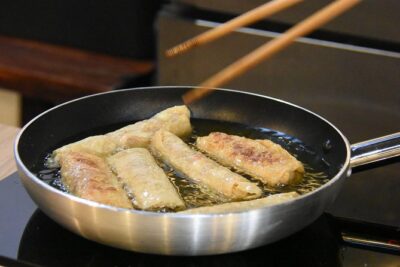
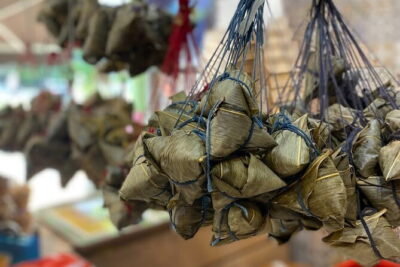
The tour promises at least eight different dishes, and the examples given are the ones most visitors try to chase across Singapore: laksa, curry puff, Hainanese chicken rice, plus things like cakes and dumplings. That’s a solid spread because it covers different styles—soupy spice, pastry crunch, rice comfort, and sweet bites—so you don’t feel like you’re repeating one flavor family.
I also like that the tour frames this as learning through food. You’re not just collecting bites; you’re getting cultural context for why dishes show up where they do. When your guide links a dish to neighborhood life or community history, the tasting stops become more memorable than a simple checklist.
A real-world tip: come hungry, but don’t over-plan your appetite. One of the clear messages tied to this tour is that the food portion size is generous. If you can, avoid breakfast right before you start—your stomach will thank you around the time you’ve already tried a few savory items.
Pace matters (especially if you’re a quick eater)
Eating while riding means you’ll follow the group pace, not your personal schedule. You’ll want to keep bites manageable and listen for your guide’s timing—some stops are about letting you try several items, not stuffing a full meal in one sitting.
If you’re vegetarian, there’s evidence the tour can accommodate needs. Still, don’t rely on assumptions. Send a note during booking so your guide isn’t trying to improvise once you’re already at a stall.
Peranakan culture and shophouse photos: what you’re really seeing
Katong-Joo Chiat is famous for its color, but the tour’s value is in the connection between the streets and the food. You’re learning about Peranakan culture, and that matters because Peranakan heritage isn’t just architecture—it’s also taste. Expect your guide to connect flavors you’re tasting to the community influences that shaped Singapore’s food culture.
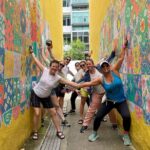
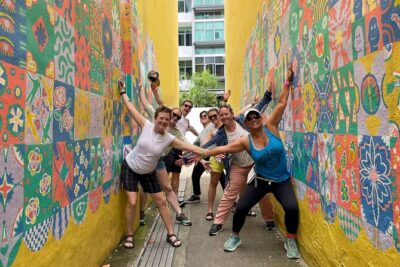
Then there’s the photography angle. The tour explicitly calls out capturing stunning photos with candy-colored shophouses. That’s a real practical benefit: if you’re on a bike route designed for the neighborhood’s best views, you’ll spend less time hunting for angles and more time getting the shot.
One consideration: if your goal is only “perfect Instagram pictures,” keep in mind you’ll also be stopping to eat and listen. You won’t be sprinting from facade to facade like a solo photographer. The goal here is balance—views plus food plus explanation.
Bikes, comfort, and the riding requirement that matters
This is a bicycle tour, and the details are clear: you’ll use the bicycle provided, and the tour is rain or shine. You also need to be a competent rider (Urban Area). That requirement is there for a reason: city cycling isn’t just about balance—it’s about comfort with turns, starts, and moving with the group.
If you’re deciding whether to bring your own bike, the tour is already set up to provide one. Instead, focus on what will make riding comfortable:
- Ask about a helmet if you need one before the tour
- Bring a bottle of water and sunscreen
- Wear clothing that won’t make you sweat through every stop
- If you have luggage, contact the operator in advance for storage
Also plan to arrive early. The tour asks you to be at the meeting point 20 minutes prior to allow time to set up the bike. That buffer keeps you from feeling rushed right before the first market stop.
Price and value: what $96.97 buys you
At $96.97 per person, this isn’t a casual snack walk. You’re paying for four key pieces bundled together:
- a licensed local guide
- bicycle use
- snacks and food
- a group format with built-in route planning
And the food component isn’t vague. The tour promises at least eight distinct dishes, including several Singapore staples like laksa and Hainanese chicken rice. When you break it down, this is less like paying for “a bike ride with a few samples” and more like paying for guided access to multiple eating areas without you having to figure out logistics on your own.
There’s also value in the route choice. Markets and neighborhood streets are harder to navigate without help—especially if you want cultural context, not just location names. The small group size (max 10) also supports the value: fewer people means more attention and smoother stops.
One thing to note: insurance is not included. That’s normal for many tours, but it’s worth remembering so you’re not assuming coverage is part of the ticket.
Small group dynamics and the guide factor
The tour caps the group at 10 travelers, and that changes the whole experience. With fewer people, your guide can keep the pacing friendly, stop where the photo makes sense, and answer questions without turning into a speed lecture.
The guide experience seems to be a recurring strength. Names like Holden, Fred, Zac, and Han are highlighted for combining food with local history and for being patient with questions. I’d take that as a sign that this tour works best if you enjoy conversation—asking why a dish matters, how the neighborhood developed, or what to look for as you ride.
A nice practical bonus: one vegetarian-friendly experience is specifically mentioned, which suggests the guide team can handle adjustments when you communicate ahead. If your diet is complex, still plan to give details early.
Weather reality: rain or shine means you pack smarter
This tour is rain or shine, so your best move is to prepare like a smart local, not like a fair-weather tourist. Bring sunscreen (the tour explicitly requests it) even if the sky looks threatening, and keep your water handy.
If rain hits, expect the route to continue anyway. That usually means your comfort depends on what you wear: shoes with grip, light layers, and a way to keep your phone and camera safe for shophouse photos.
If the weather becomes too poor for the tour, you may be offered a different date or a full refund. Either way, the operator is explicit that good weather is part of the experience planning.
Getting ready: meeting point, timing, and what to bring
Here’s the straightforward game plan:
- Meet at Dakota MRT Station, Exit B201, on Old Airport Road
- Start time is 9:00am
- The tour ends back at the meeting point
- Arrive 20 minutes early for bike setup
- Bring sunscreen and a bottle of water
- If you need a helmet, inform the operator in advance
- If you have luggage, contact them in advance to arrange storage
One last practical thought: wear something you can cycle comfortably in. This is a morning ride, and you’ll be moving between markets, streets, and a long park area. If you show up in stiff clothes or shoes you wouldn’t wear for walking, you’ll feel it fast.
Should you book the Singapore Food & Bike Tour – Katong?
I think this is a great book if you want three things at once: serious food sampling, neighborhood context, and a bike route that covers more than the usual highlights. The small group size, the guide-led history-food connection, and the clear promise of at least eight dishes make it feel like a focused value play, not a random wandering tour.
I’d hesitate only if you’re not comfortable cycling in an urban setting, because the tour expects you to be a competent rider. Also, if you prefer one major attraction after another, this route is more about lived-in neighborhoods and market-to-streets-to-park flow than big-ticket monuments.
If you’re flexible about weather (rain or shine) and you’re hungry enough to enjoy a full lineup of local tastes, this tour is one of the more efficient ways to experience Katong’s flavors and look at the city like you know what you’re doing.
FAQ
How long is the Singapore Food & Bike Tour – Katong?
The tour lasts about 4 hours (approximately), and that total includes the cycling time.
What food will I try on the tour?
You’ll taste at least eight different dishes, including local favorites such as laksa, curry puff, Hainanese chicken rice, plus items like cakes and dumplings.
Is the tour rain or shine?
Yes, it’s a rain or shine activity.
Where does the tour start, and what time does it begin?
You start at Dakota MRT Station (Exit B201), Old Airport Rd. The start time is 9:00am, and the tour returns to the meeting point.
Do I need to know how to ride a bike?
Yes. The tour requires you to be a competent rider (Urban Area).
Do I need to bring anything or arrange a helmet?
Bring sunscreen and a bottle of water. If you need a helmet, you should inform the operator in advance. If you have luggage, contact them in advance about storage.
Two Wheels, Full Island
Hawker Stalls Left on the List

The Peranakan Side of Town

Fresh Reviews from the Little Red Dot
- Night Safari Tickets with Tram Ride
★ 4.5 · 3 reviews - Singapore: Architecture and Food Tour with Tastings
★ 5.0 · 3 reviews - Singapore Private Full-Day Sightseeing Tour
★ 5.0 · 3 reviews - Private Chinatown Heritage Tour with Best 8 Local Tastings
★ 5.0 · 3 reviews
Katong & Peranakan Heritage Tours, compared.
 ★ 5.0Eat Snap Katong Walking Food TourFrom $76174 reviews
 ★ 5.0The Peranakan Mansion – Experience Singapore’s Unique CultureFrom $30117 reviews
 ★ 4.5Katong Evening Food TourFrom $10341 reviews
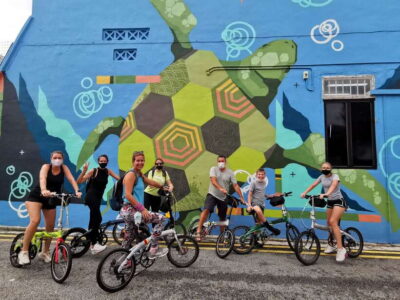 ★ 4.9Food and Bike Tour: Katong DistrictFrom $9438 reviews
 ★ 5.0Katong Local Food and City Highlights TourFrom $7518 reviews
 ★ 4.9Peranakan Museum Admission TicketFrom $611 reviews
 ★ 4.0Peranakan Cooking Class in Singapore, near Lavender MRT StationFrom $1284 reviews
 ★ 5.0Best Ever Katong Food Tour with Local Foodie – PRIVATE TOURFrom $954 reviews
Browse the lists this tour appears in