
Reviewed · KATONG & PERANAKAN HERITAGE TOURS
Singapore: Peranakan Museum Admission Ticket
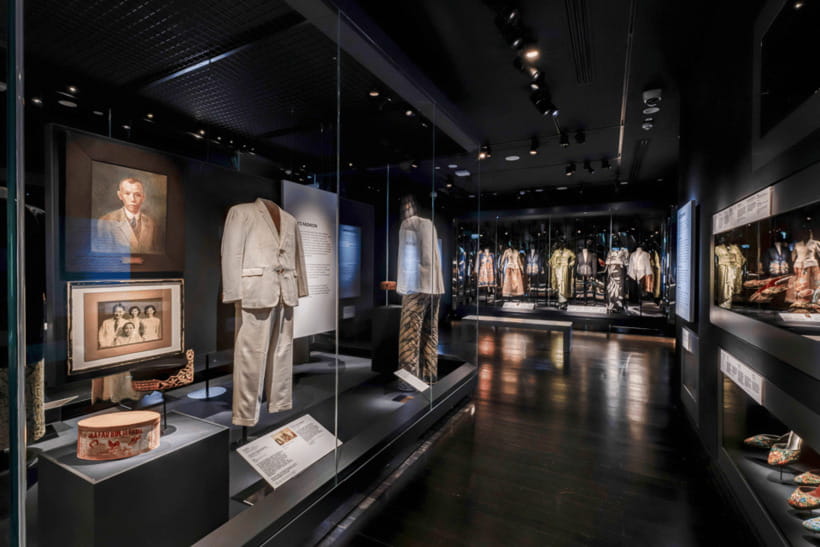
Peranakan stories wear glittering shoes and real-life drama. At the Peranakan Museum, you get a close look at Peranakan heritage through standout artifacts like beaded slippers and ornate wedding attire, plus hands-on displays and recorded demonstrations that turn the collection into something you can follow. One watch-out: the standard admission does not cover the Special Exhibitions Gallery, so if that’s on your list, plan for a separate ticket.
I also like that this is built around a restored historic setting and a three-floor layout of themed rooms, so you’re not just drifting from case to case. You’ll see how Chinese, Malay, and colonial-era influences show up in everyday life, celebrations, and craftsmanship. The bigger consideration is timing: you’re admitted for 1 day, but you should still give yourself enough time to move through all three floors at a comfortable pace.
This is a great fit if you care about culture you can actually see—fashion, objects, family rituals, and how communities kept identity alive. If you’re visiting with kids, note the rule: children age 7 and up need an entry ticket, and they must be with an adult.
In This Review
- Key highlights at a glance
- Getting your $6 ticket and finding the right spot
- Peranakan Museum layout: what a three-floor visit feels like
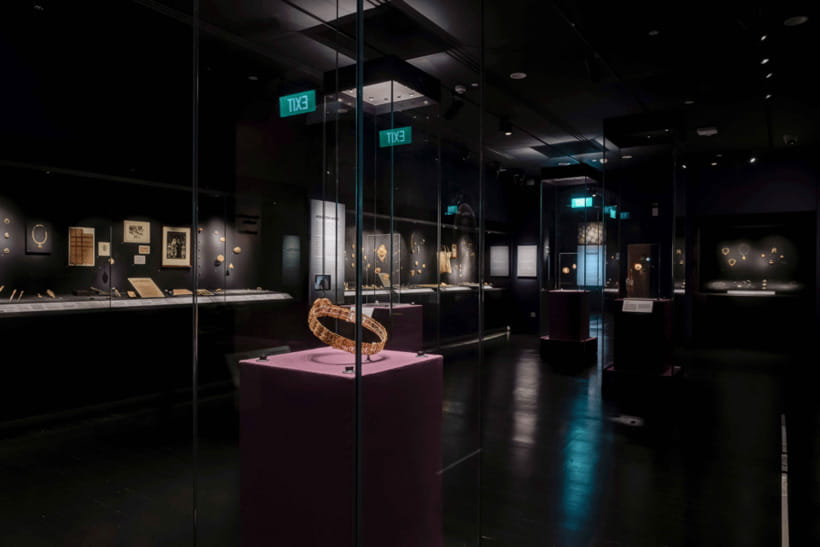
- Shoes, jewelry, and wedding finery you can almost feel
- Themed rooms: weddings, family traditions, and a Peranakan home
- Interactive displays and recorded demonstrations
- Commissioned artworks and modern Peranakan identity
- Special Exhibitions Gallery: what’s not included in your $6 ticket
- Timing: best hours for a calm, detailed visit
- Price and value: is $6 really a good deal in Singapore?
- Who should book the Peranakan Museum ticket?
- Should you book this ticket?
- FAQ
- FAQ
- How much is the Peranakan Museum admission ticket?
- Where do I redeem the ticket when I arrive?
- What are the museum opening hours?
- How long is the ticket valid for?
- Is the Special Exhibitions Gallery included in this ticket?
- Do children need an entry ticket?
- Can I get a refund if I change my plans?
- Is the ticket for one specific time slot?
Key highlights at a glance
- Three floors of themed galleries that help you connect artifacts to real Peranakan life
- Standout craftsmanship you can spot from across the room, then inspect up close
- Wedding traditions and family customs shown through objects, room settings, and story-like context
- Interactive elements and recorded demonstrations that add meaning beyond the labels
- Commissioned artworks that connect historical identity with newer interpretations
- Special Exhibitions Gallery is separate from the standard admission ticket
Getting your $6 ticket and finding the right spot
This visit is simple and affordable. The admission ticket is listed at $6 per person, and the activity is valid for 1 day. You don’t need to hunt for a specific start time in the way you might with a walking tour. Instead, you’ll redeem at the museum’s Visitor Services Counter.
So here’s the practical move: arrive a bit early for breathing room, then use the counter to confirm your redemption smoothly. Since the museum opens daily from 10 AM to 7 PM, except Fridays until 9 PM, you’ve got flexibility for different schedules—workday, weekend, or a later evening slot.
This is also the kind of entry that rewards you for moving at your own pace. If you like to read labels, take photos of details, and linger over objects, you’ll get value from the time window. If you only want a quick scan, you might feel slightly rushed, because the museum is designed to encourage a longer look.
Peranakan Museum layout: what a three-floor visit feels like
The museum is housed in a restored historic building, and the design works with that setting instead of trying to hide it. You’ll move through three floors of thematic galleries, where the collection is arranged to tell a story, not just display artifacts.
Think of it like this: instead of memorizing a timeline, you follow themes—identity, traditions, home life, and the visual culture that came from mixing communities. The galleries are set up so you can walk in one room and quickly understand what you’re looking at in the next. That matters because Peranakan culture is about relationships and blend—so context helps your brain connect the objects to the people.
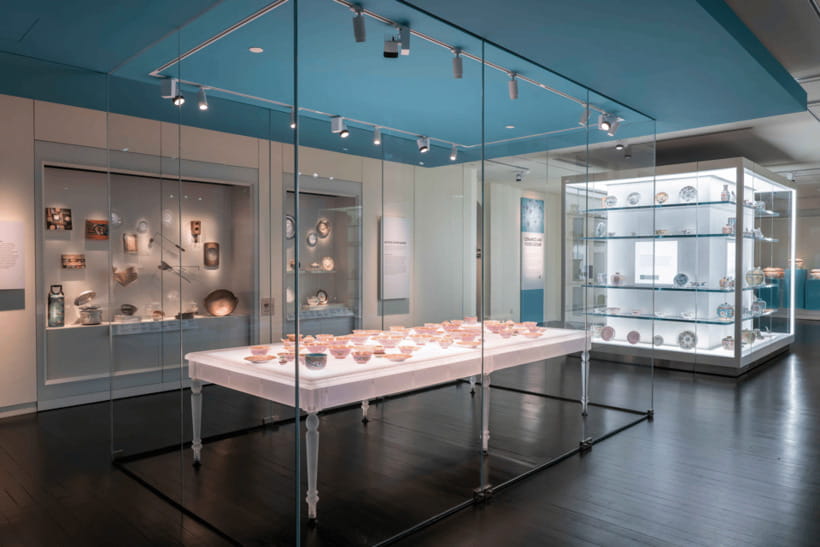
You’ll also notice a consistent focus on craft. Shoes, jewelry, textiles, and furniture aren’t shown as random items. They’re presented as products of skill and cultural meaning. That’s what makes the visit feel more personal than a typical museum sweep.
A small drawback: because the galleries are thematic and object-focused, this isn’t the best choice if you’re chasing big outdoor views or city scenes. You’re indoors the whole time, and your experience depends on how much you enjoy close-up details and cultural storytelling.
Deeper into Katong tiles and Peranakan kitchens
Shoes, jewelry, and wedding finery you can almost feel
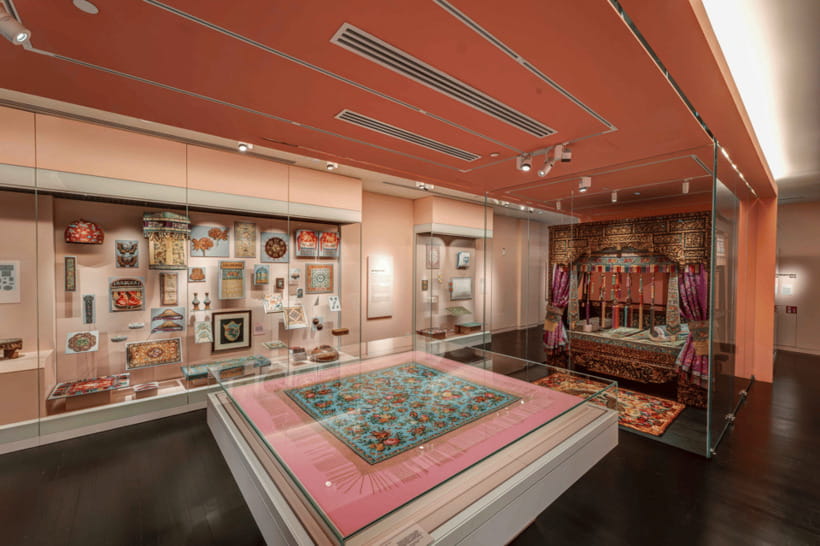
If you’re the type who loves fashion details, this is where your eyes will catch fire. The museum highlights extraordinary items that show craftsmanship at a level you don’t get from photos alone.
Key examples include:
- Beaded slippers, where the decoration and finishing show serious labor
- Intricate jewelry that reflects status, taste, and symbolism
- Lavish wedding attire, presented as more than clothing—these are cultural markers
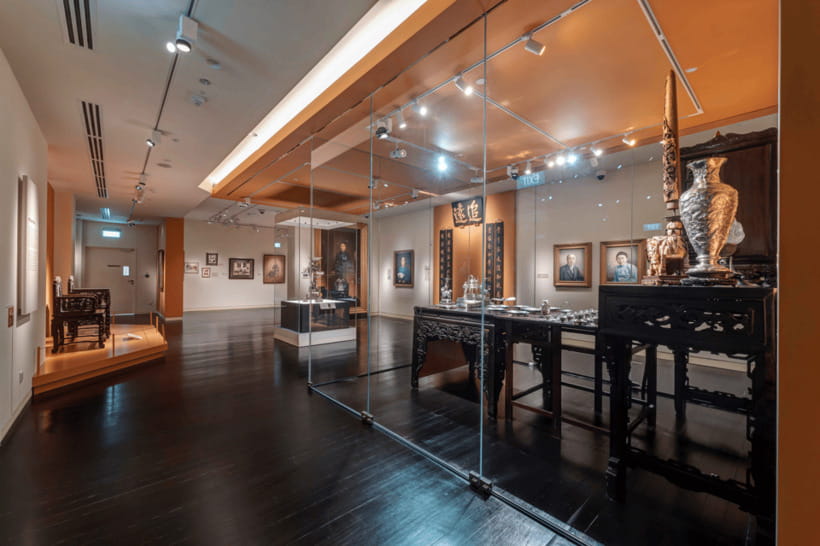
- Ornate furniture connected to family life and display in the home
What I appreciate is that these aren’t presented as just pretty objects. The museum’s approach helps you read them as expressions of identity. Peranakan culture grew from intersections—Chinese roots, Malay influences, and colonial-era context. When you see a shoe, then look at the jewelry, then notice how wedding clothing is built and decorated, you start seeing the same cultural logic moving across categories.
For your planning: give yourself time in front of the pieces that feel most tangible to you. If you love fashion, linger at the footwear and wedding garments. If you lean toward design and interiors, spend longer with the ornate furniture. The museum doesn’t rush you, so your pace should match your curiosity.
Themed rooms: weddings, family traditions, and a Peranakan home
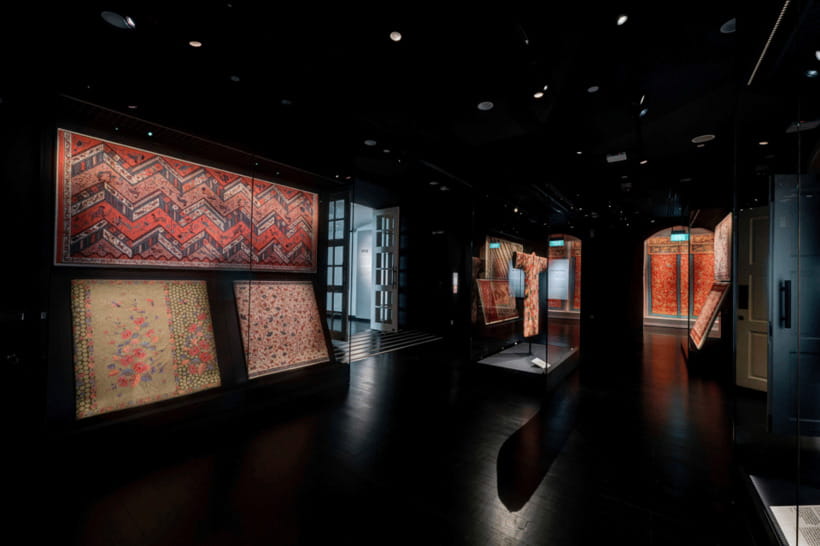
A big part of the experience is walking through galleries designed around real-life moments. The museum includes themed spaces that bring you into topics like elaborate wedding rituals and family traditions, plus the grandeur of a Peranakan home.
This matters because Peranakan culture isn’t only about objects—it’s about how people used those objects. A wedding item has meaning because it connects to family, community, and ritual. A home setting isn’t just furniture—it’s a stage for hospitality, identity, and how families presented themselves.
As you go from room to room, look for the way the museum pairs context with craft. You’re not just seeing what something is; you’re learning why it was made and how it functioned in life.
A practical tip: when you notice a theme you care about—weddings, for instance—don’t just skim the room. Slow down for a few minutes and connect what you see to what you’re learning in nearby galleries. The museum’s design encourages that mental linking, and it makes your visit feel more coherent.
Interactive displays and recorded demonstrations
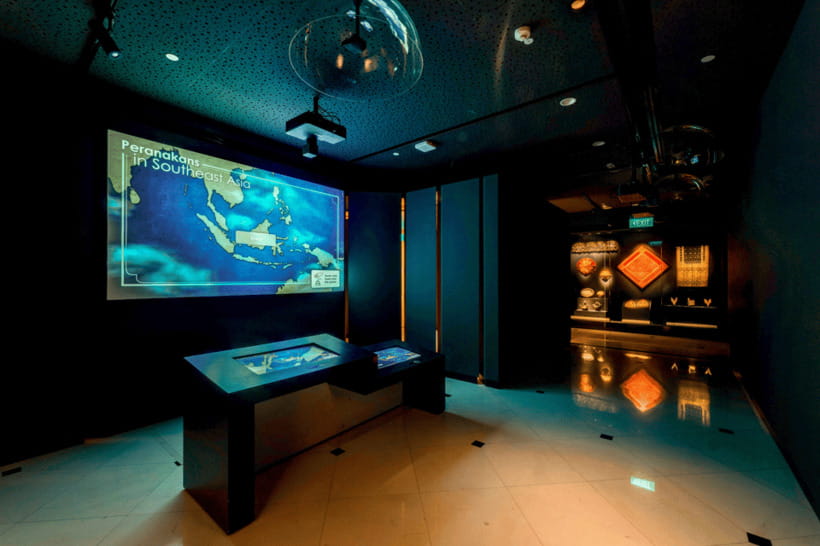
Museums can be quiet and still, which is fine until you realize you forgot what you read three rooms ago. Here, the museum adds energy with interactive displays and recorded demonstrations, along with personal stories tied to the community.
You’re getting more than static information. This is the part that helps the artifacts stop feeling like museum specimens. Recorded demonstrations and community stories give you a human angle—how practices were understood, how traditions were lived, and how identity was communicated.
If you like museum experiences that explain the why, not only the what, you’ll likely spend more time here than you planned. And if you’re visiting with family or friends, these interactive and story-based moments usually keep everyone engaged without needing a separate guide.
One consideration: the interaction style may be more about media and prompts than hands-on crafting. So if you’re expecting a full workshop experience, you might find it lighter than that. Still, the trade-off is that you get to see a lot of artifacts and story themes in a single visit.
Air-conditioned history, more halls to wander
- Singapore: Museum of Ice Cream Entrance Ticket★ 4.3 · 225 reviews
- Singapore: National Gallery Singapore Admission Ticket★ 4.3 · 159 reviews
- Chinatown Heritage Centre (Admission Ticket)★ 5.0 · 65 reviews
- Singapore ArtScience Museum Admission Ticket★ 3.5 · 25 reviews
Commissioned artworks and modern Peranakan identity
The museum also includes commissioned artworks that connect history with contemporary interpretation. That’s a smart design choice because Peranakan identity is not a frozen museum concept. It continues through artists and modern cultural expression.
What you can take from this section is the idea that heritage isn’t just preserved. It gets re-read. The museum helps you see how artists translate older forms and meanings into newer works, so your takeaway isn’t only past tense.
For you, this is valuable if you’re worried that a heritage museum will feel like a one-way trip into old artifacts. The inclusion of newer art interpretations provides a bridge between generations. You finish with a clearer sense of how identity stays relevant.
Special Exhibitions Gallery: what’s not included in your $6 ticket
Here’s the key planning detail: your admission ticket covers entry, but it does not include admission to the Special Exhibitions Gallery.
That means two things for you:
1) If Special Exhibitions are your must-see item, you’ll need separate admission or an upgrade beyond the standard ticket.
2) If you’re mainly interested in the core Peranakan collection, you’ll still have plenty to do across the three floors.
Before you go, check the museum’s schedule (or ask at the Visitor Services Counter) so you don’t arrive excited for a specific special display and then find it’s out of reach. It’s a small snag, but it’s an easy one to avoid with quick confirmation.
Timing: best hours for a calm, detailed visit
The museum runs 10 AM to 7 PM, and on Fridays 10 AM to 9 PM. For most people, the best mix of energy and calmer pacing is going earlier in the day, when you can move through the rooms without feeling like you’re cutting your way through.
If you prefer a later start, Friday’s extended hours can help. The extra time is also useful if you like to read slowly and take notes or photos of details like jewelry patterns and textile work.
How long should you budget? The activity is set for 1 day, and that’s honest. With three floors and enough thematic galleries to keep you focused, you’ll likely want to set aside a chunk of time rather than treating it like a quick stop.
Price and value: is $6 really a good deal in Singapore?
Let’s talk value in plain terms. At $6 per person, this is priced like a bargain for Singapore. The museum isn’t a tiny room with a few display cases. It’s a restored building with a three-floor experience, themed galleries, and multiple ways to interpret what you’re seeing—objects, interactive elements, and recorded demonstrations.
Here’s how I’d judge the value for you:
- If you enjoy culture through material things (fashion, furniture, rituals shown through objects), you’re getting an unusually strong deal.
- If you prefer art museums filled with large-scale installations, you might need to adjust your expectations because the focus is on heritage artifacts and community stories.
- If you hate reading labels and want mostly hands-on fun, you may feel the interaction level isn’t enough to justify a long stay—though the interactive and media elements still help.
For most people who like authentic cultural experiences, the price is the kind that makes you feel smart even if you spend less time than planned. And if you do linger across three floors, you’ll feel like you got more than your money’s worth.
Who should book the Peranakan Museum ticket?
Book this if you’re any of these:
- A person who likes craft and design you can see up close
- Someone fascinated by cultural mix—how communities shape objects and traditions
- A fashion or textiles fan who wants wedding clothing, jewelry, and decorative footwear with context
- A parent or family member planning an indoor cultural day for kids 7 and older (with an adult accompanying)
Skip it only if your priorities are very different. If you want mostly modern architecture, scenic outdoor walks, or a highly guided, step-by-step tour as part of admission, this ticket is more about self-paced gallery exploration and museum storytelling.
Should you book this ticket?
Yes, if you want a compact but meaningful cultural stop in Singapore. The $6 price is hard to beat for a museum experience built around detailed artifacts, thematic rooms, interactive elements, and community-focused stories. You’ll likely leave with a clearer picture of Peranakan identity—how it shows up in shoes, jewelry, weddings, and the home.
Do book with one condition in your head: if the Special Exhibitions Gallery is a must for your trip, treat that as a separate add-on and confirm what you need before you go. Otherwise, the standard admission gives you plenty to see across three floors.
FAQ
FAQ
How much is the Peranakan Museum admission ticket?
The price is listed at $6 per person.
Where do I redeem the ticket when I arrive?
Go directly to the Visitor Services Counter for redemption.
What are the museum opening hours?
It is open daily from 10 AM to 7 PM, except Fridays when it is open from 10 AM to 9 PM.
How long is the ticket valid for?
The ticket is valid for 1 day.
Is the Special Exhibitions Gallery included in this ticket?
No. Admission to the Special Exhibitions Gallery is not included.
Do children need an entry ticket?
Children age 7 and above must purchase an entry ticket, and children must be accompanied by adults at all times.
Can I get a refund if I change my plans?
No. This activity is non-refundable.
Is the ticket for one specific time slot?
It’s valid for 1 day, and you should check availability to see starting times.
Tickets People Pre-Book Here


Museum Hours on the Island


The Peranakan Side of Town


Fresh Reviews from the Little Red Dot
- Night Safari Tickets with Tram Ride
★ 4.5 · 3 reviews - Singapore: Architecture and Food Tour with Tastings
★ 5.0 · 3 reviews - Singapore Private Full-Day Sightseeing Tour
★ 5.0 · 3 reviews - Private Chinatown Heritage Tour with Best 8 Local Tastings
★ 5.0 · 3 reviews
Katong & Peranakan Heritage Tours, compared.
 ★ 5.0Eat Snap Katong Walking Food TourFrom $76174 reviews
 ★ 5.0The Peranakan Mansion – Experience Singapore’s Unique CultureFrom $30117 reviews
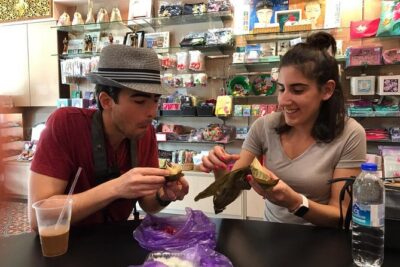 ★ 4.5Katong Evening Food TourFrom $10341 reviews
 ★ 4.9Food and Bike Tour: Katong DistrictFrom $9438 reviews
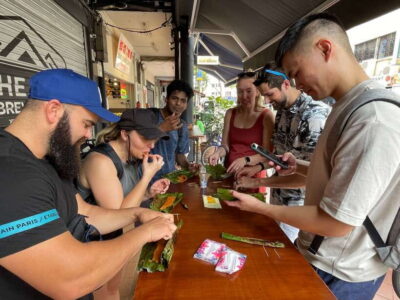 ★ 5.0Katong Local Food and City Highlights TourFrom $7518 reviews
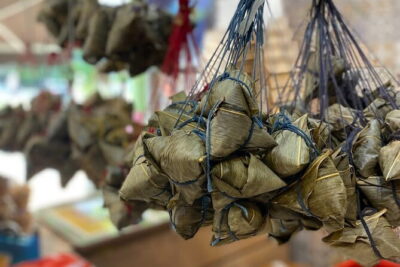 ★ 5.0Best Ever Katong Food Tour with Local Foodie – PRIVATE TOURFrom $954 reviews
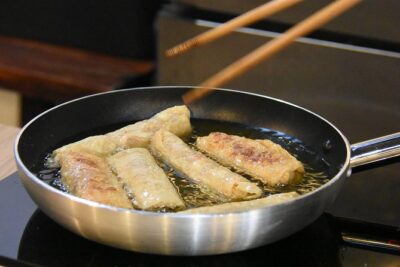 ★ 4.0Peranakan Cooking Class in Singapore, near Lavender MRT StationFrom $1284 reviews
Browse the lists this tour appears in