
Reviewed · HAWKER & STREET FOOD TOURS
Singapore: Private Food & Heritage Walking Tour
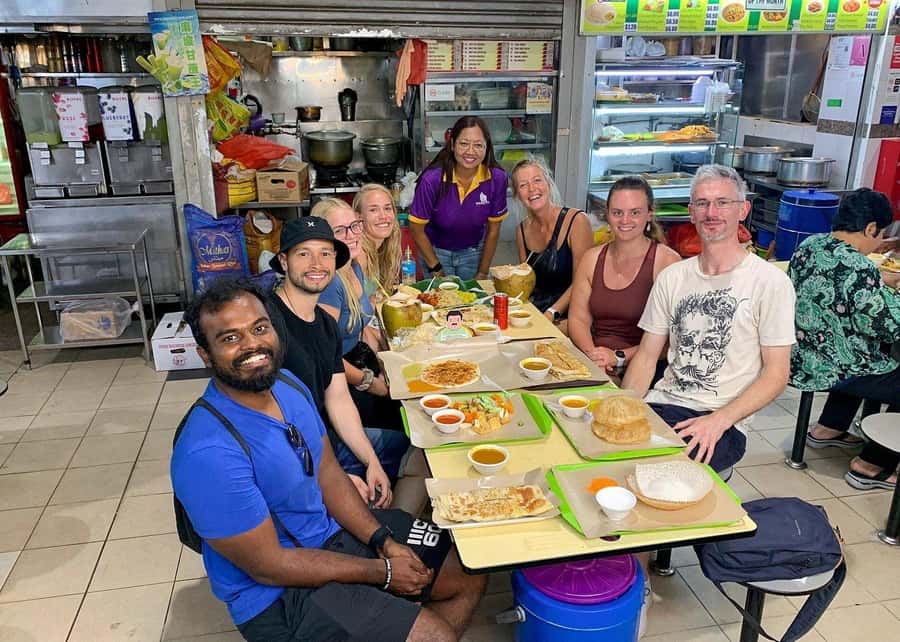
Three cultures, one food day. This Singapore heritage walking tour strings together Chinatown, Little India, and Kampong Glam, with an English-speaking guide who turns street food into local stories. I especially like the 9 to 10 tastings (food and drinks), because each stop comes with context, not just a quick sample.
I also like that you move by MRT and bus instead of staying stuck in the same tourist bubble. You’ll hear how people actually live, shop, and eat, and the tour even includes an admission ticket to a River Cruise. The main drawback: it’s rain or shine with moderate walking, and it isn’t suitable for wheelchair users, people needing walking assistance, or guests with food allergies or dietary restrictions.
In This Review
- Key Things I’d Plan Around
- How a 6-Hour Food and Heritage Walk Works in Singapore
- Meeting Chinatown MRT Exit A (and What to Bring for Rainy Streets)
- Chinatown: Learning the Food Meaning Behind the Streets
- Little India and Arab Street: Food Stops That Teach You How Spice Cultures Travel
- Kampong Glam: Culture, Heritage, and Where People Actually Gather
- MRT and Bus Time: Why Public Transport Is Part of the Value
- The River Cruise Ticket: A Scenic Reset Midday
- Food Tastings: How to Taste Like You’re Learning Something
- Guides Matter: Rayney, Bryan, and Leo as Examples of How the Day Lands
- Price and Value: What $196 Includes (and What You Still Pay Separately)
- Who This Tour Suits Best (and Who Should Skip It)
- Should You Book This Singapore Food and Heritage Tour?
- FAQ
- How long is the Singapore private food and heritage walking tour?
- What neighborhoods will I visit?
- What food and drinks are included?
- Do you include public transport?
- Is the tour suitable for wheelchair users?
- Is it suitable for people with food allergies or dietary restrictions?
- Where do I meet the guide?
Key Things I’d Plan Around
- Chinatown, Little India, Kampong Glam are treated as living neighborhoods, not postcard stops
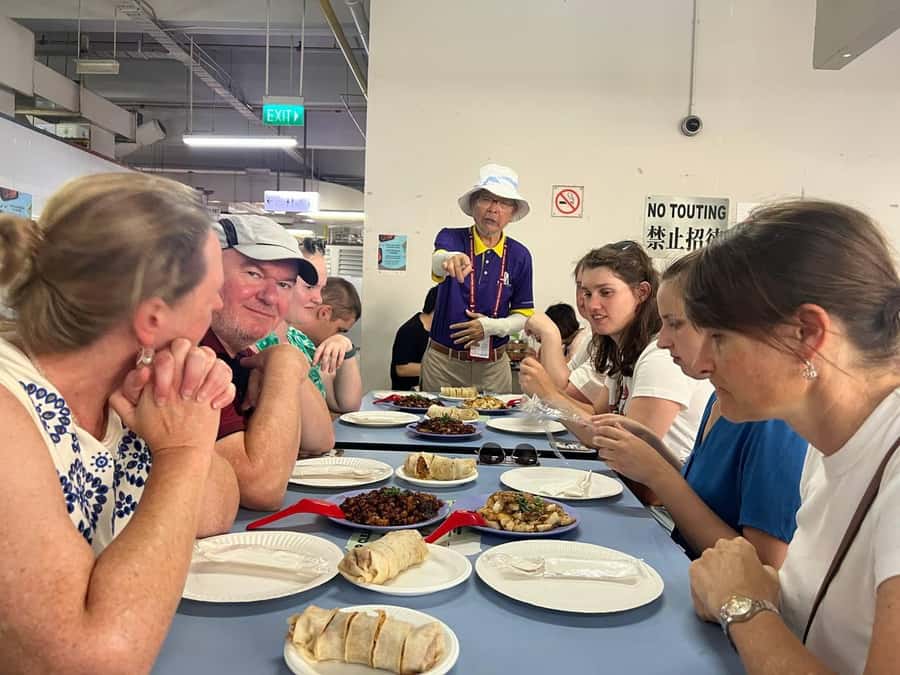
- 9 to 10 local dishes and drinks come with guided explanations so you taste with understanding
- MRT + bus time helps you see daily Singapore, not just attractions
- Stops like Maxwell Food Centre and Zam Zam on Arab Street show how food hubs shape community
- River Cruise admission gives you a breather and a different angle on the city
- English-speaking guides share neighborhood history and current-day culture
How a 6-Hour Food and Heritage Walk Works in Singapore
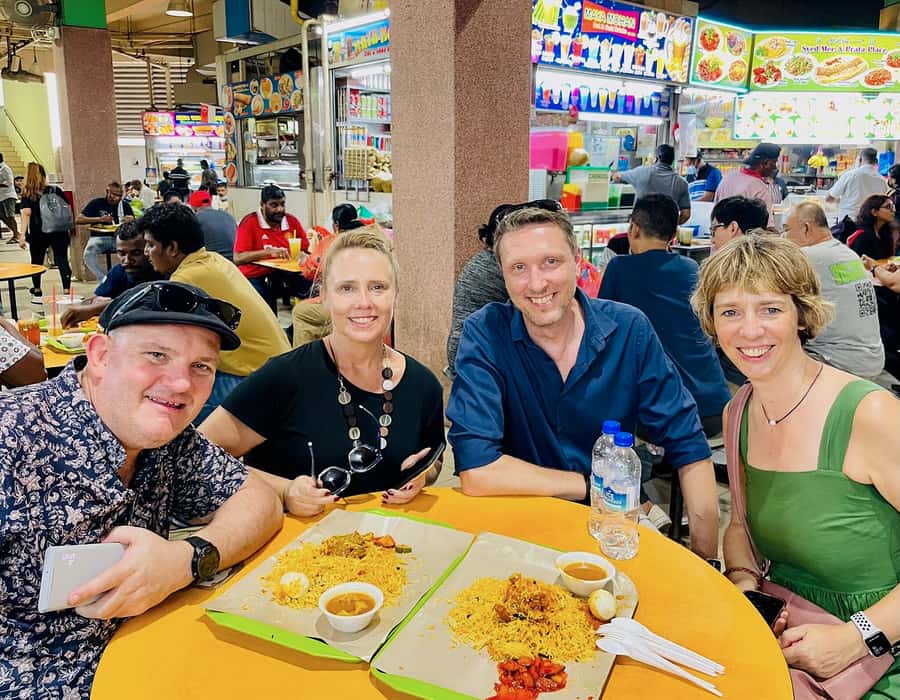
This tour is built for people who want more than a food crawl. You’re sampling meals across Singapore’s three biggest ethnic communities while also hearing how that heritage shows up in everyday life. Think street history, community stories, and food knowledge that actually connects to where you’re standing.
The pacing matters. Six hours is long enough to get a real flavor of each district, but short enough that you’re not exhausted by dinner decisions. You’ll also be using public transport, which keeps the day moving and makes it feel like a local routine rather than a checklist.
What I find most useful is the way the guide guides your attention. You don’t just eat. You learn how to read flavors, textures, and even the small choices behind each dish.
Meeting Chinatown MRT Exit A (and What to Bring for Rainy Streets)
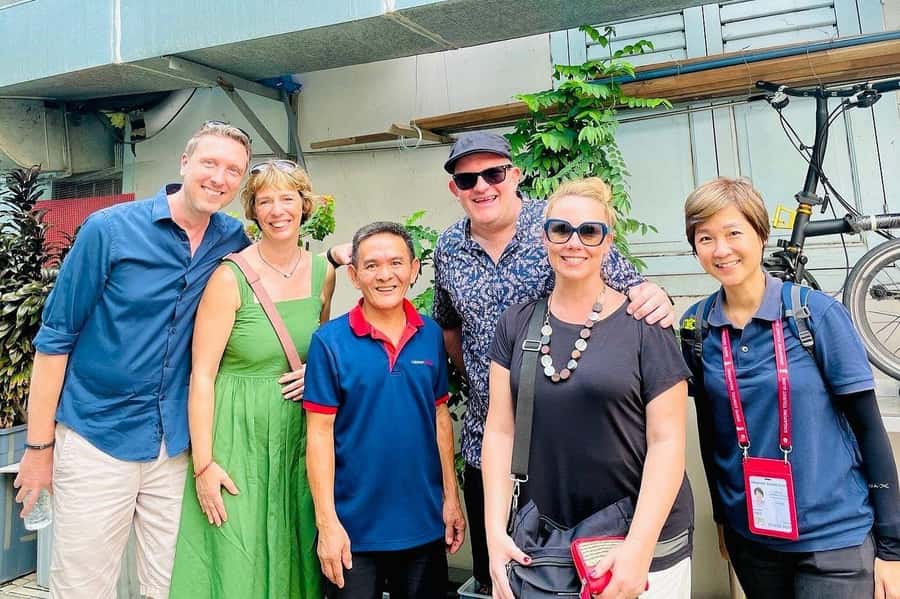
Your day starts at Chinatown MRT Station, Exit A (street level). Look for guides in purple Monster Day Tours shirts. You’ll return back to the meeting point when the experience ends, so you’re not left figuring out a complicated finish.
Before you go, plan your outfit like you’re walking a lot in the tropical weather. Comfortable shoes are non-negotiable. The tour runs rain or shine, so bring an umbrella and rain gear, plus water. If you use a face mask or protective covering, it’s a good idea to bring it along.
A small practical tip: keep your day bag simple. You’ll be making food stops and moving between neighborhoods, and you’ll enjoy the experience more if you’re not constantly re-organizing.
Still hungry? The hawker trail keeps going
Chinatown: Learning the Food Meaning Behind the Streets
Chinatown is often the first district visitors choose, but on this tour it’s not treated as a single attraction. You’ll explore the ethnic quarter and learn stories behind what you see—how heritage, community, and food traditions connect.
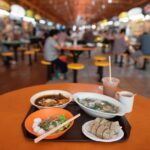
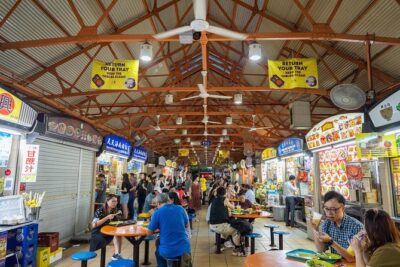
One of the most memorable parts is the Maxwell Food Centre stop. This is where the tour leans into variety. You’ll get a wide selection of food, and the guide explains what you’re eating and why it matters. That guided framing helps you move from tasting to understanding, so you’re not guessing your way through flavors.
You’ll also cover more than food. The tour includes passing arts and historical landmarks, so you get a sense of how Singapore’s story layers over time. That context makes the food feel less random. It becomes part of a bigger neighborhood pattern.
If you’re the type who likes to ask questions, Chinatown is where that works well. The guide’s job is to give you the “what” and the “why,” and the street setting makes those explanations stick.
Little India and Arab Street: Food Stops That Teach You How Spice Cultures Travel
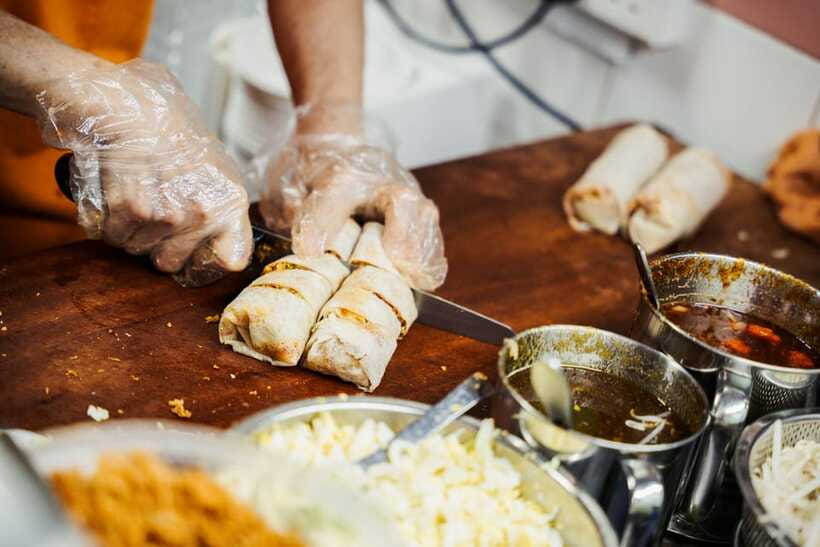
Little India is a different mood on the same Singapore canvas. You’ll walk through the neighborhood, learn cultural and historical background, and sample local dishes and drinks tied to the community.
A standout stop here is Zam Zam on Arab Street, where you’ll try delicious Indian food. What I like about having a specific food landmark is that it turns your visit from vague “we ate somewhere” into a clear memory you can return to later. Even better, the tour is designed to explain each dish as you go, so you understand what makes it different from what you might order back home.
This is also one of the districts where the guide’s stories can change how you taste. When you learn what a dish is built to do—cool you down, add aroma, balance sour with salt—you start noticing those elements during the bite. Suddenly you’re tasting with intention instead of speed.
One consideration: since the tour focuses on food knowledge, it’s not a good fit if you have restrictions or allergies. The tour information is clear that it’s unfortunately not suitable for guests with food allergies, and it isn’t suitable for guests with dietary restrictions.
Kampong Glam: Culture, Heritage, and Where People Actually Gather
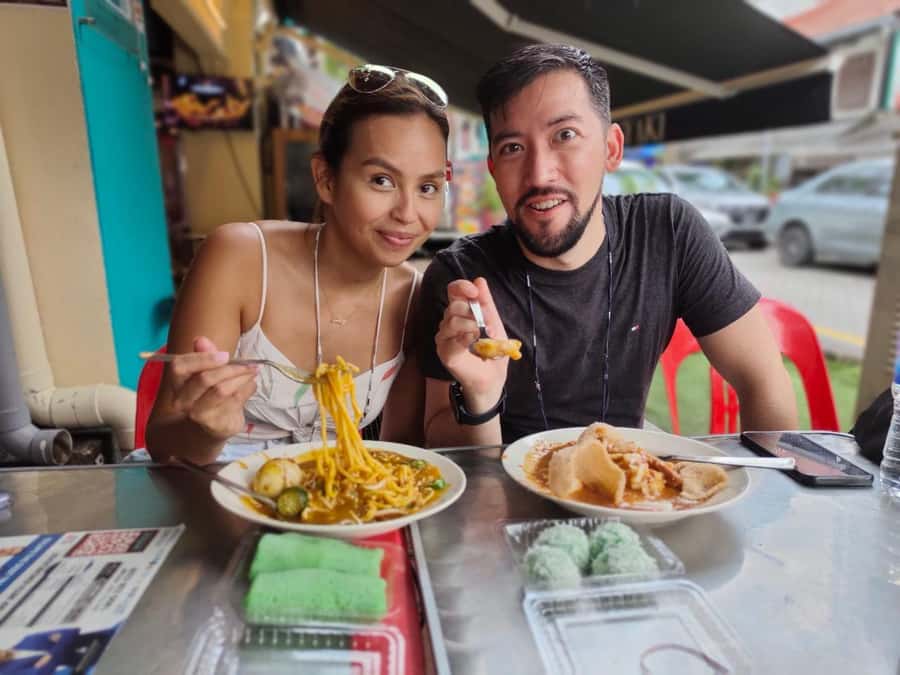
Kampong Glam rounds out the tour’s three ethnic neighborhoods, and it’s where the day starts to feel like a full Singapore map. You’ll explore the area and learn local history, culture, and heritage, while also discovering places where locals like to eat.
This district is especially good for people who enjoy the “in-between” details: street textures, community cues, and the everyday rhythm of a neighborhood. The tour doesn’t treat it like a museum wing. It treats it like a community you pass through.
You’ll be tasting as you go, and you’ll also be listening. The guide stories are a big part of why this tour works, because they connect food to community life. That makes the cultural lessons feel less like facts you memorize and more like context you experience.
Further back into the island story, war years included
- Historical Singapore Bike Tour on Full-Sized Bicycles★ 5.0 · 1,421 reviews
- Nightout at Colonial Charms of the City★ 3.5 · 733 reviews
- Singapore: Historical Half-Day Bike Tour★ 4.8 · 399 reviews
- Singapore Private Food, Culture and Heritage Tour with 9 tastings★ 5.0 · 394 reviews
MRT and Bus Time: Why Public Transport Is Part of the Value
One of the best parts of this tour is also the simplest: you’re not just walking from one stop to the next. You’ll use public transport (MRT and bus), and the tour gives you time to mingle with locals while you travel around.
For me, that’s a big value piece. You spend less time feeling like you’re “between places,” and more time seeing how the city moves. You also get a sense of Singapore as a functional daily environment, not a theme park.
Since the tour includes public transport, you’re not stuck budgeting for taxis or trying to navigate routes mid-walk. It’s built to be smooth. Just remember: your day will still involve walking outdoors, and you’ll want the shoes and rain gear to match.
The River Cruise Ticket: A Scenic Reset Midday
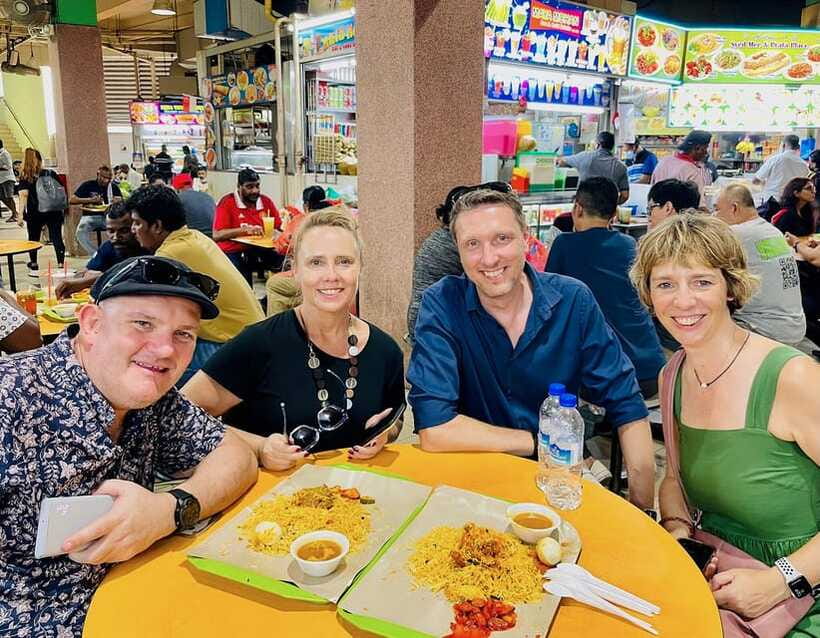
The tour includes an admission ticket to a River Cruise. Even if you’re not a “boat person,” this is a smart addition to a walking food day. After hours on foot, a river ride gives you a break from street-level scanning and offers a new city perspective.
It also helps the day feel complete. Food gives you a lens into culture, and the cruise gives you a lens into geography. Together, they make the whole experience feel less like separate activities and more like one story.
Keep expectations realistic: you’re not doing a full leisure day. This is included access as part of the overall route, so you’ll want to stay flexible and go with the flow of timing.
Food Tastings: How to Taste Like You’re Learning Something
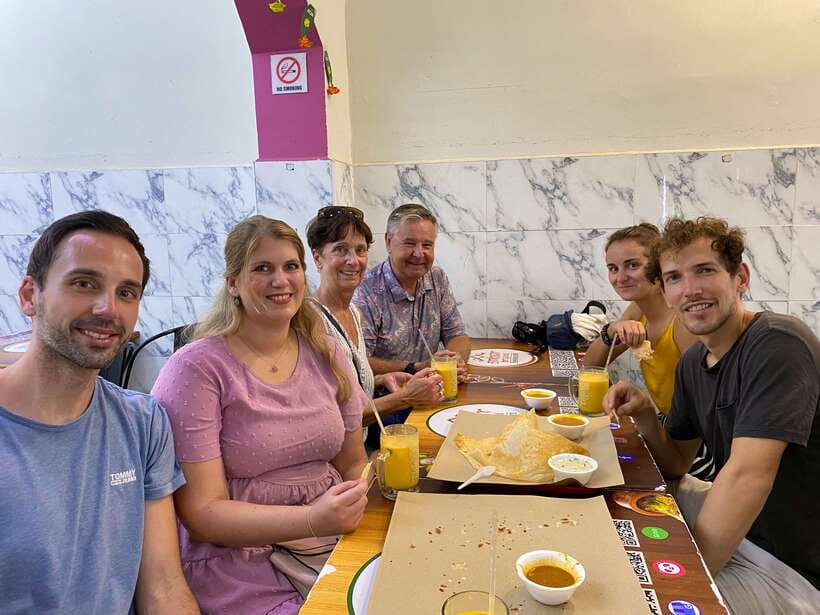
This is not a tour where you just swallow snacks and move on. The tour is set up for detailed insights into each food item and drinks you sample, and it even challenges your culinary knowledge in the process.
Here’s how to get the most out of that. Pace yourself. Take a moment before your first bite to read what the guide tells you. Then compare that explanation to what you actually taste. That loop turns learning into something physical.
Also, keep your questions coming. If you’re wondering what something is, what it’s usually paired with, or why a certain flavor hits the way it does, ask. An English-speaking local guide is there to make the food clearer, not mysterious.
If you do have a sensitive stomach or you’re worried about trying unfamiliar foods, be honest with your guide beforehand. The tour isn’t suitable for guests with food allergies, and it isn’t suitable for dietary restrictions, so this is about comfort and curiosity, not serious dietary accommodation.
Guides Matter: Rayney, Bryan, and Leo as Examples of How the Day Lands
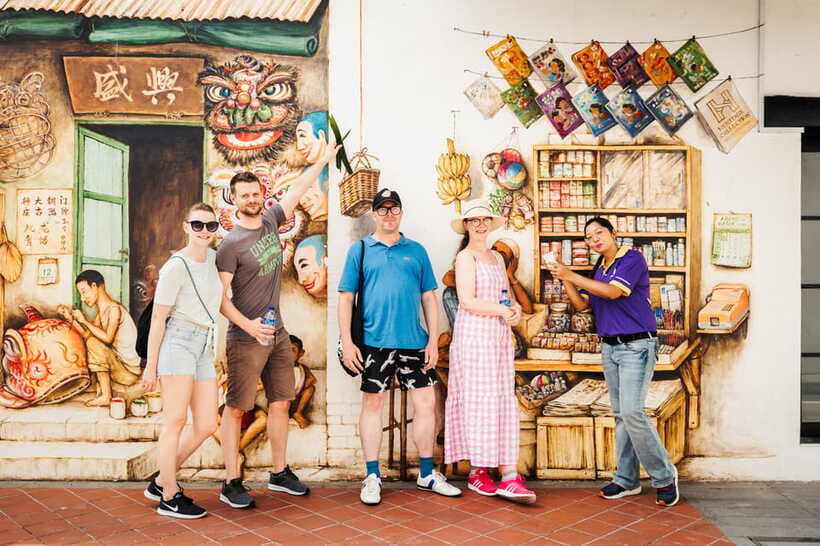
A big reason this kind of tour clicks is the guide’s tone. The experience is built around stories, and the best guides make history feel like something happening in the street right now.
I’ve seen this firsthand in the way guides bring the districts to life. Rayney, for example, delivered entertaining, detailed information that made places feel legible in seconds. Bryan kept the conversation going and left more recommendations after the tour. Leo focused hard on explaining history and culture while you’re moving between neighborhoods, not after the fact.
You can treat those guide skills as a practical signal: you’re paying for interpretation. If you enjoy learning while eating, this format should feel like a good match.
Price and Value: What $196 Includes (and What You Still Pay Separately)
At $196 per person, you’re not paying just for walking. You’re paying for an English-speaking local guide, 9 to 10 local ethnic food dishes and drinks, public transport (MRT and bus), all taxes and fees, and a River Cruise admission ticket.
That bundling is where the value comes from. Food experiences can become expensive fast when you pay for each stop yourself. Here, your guide time and most of the key costs are folded into one price. You’re also getting structured pacing across three districts, which usually takes coordination and energy on your own.
What’s not included is also clear. Hotel transfers aren’t included, optional food and drinks aren’t covered beyond what’s listed, personal expenses are on you, and guide tipping is not included. If you prefer spending extra on top of a tasting set, that’s your choice, but you should budget for it.
Who This Tour Suits Best (and Who Should Skip It)
This tour fits best if you want a guided day focused on food + heritage across Chinatown, Little India, and Kampong Glam. It also suits you if you like using public transport and seeing how neighborhoods function beyond major attractions.
It’s not suitable if you:
- need wheelchair accessibility
- require walking assistance
- have food allergies
- have dietary restrictions
It also operates rain or shine, and moderate walking is involved outdoors.
If you’re traveling with kids aged 3 to 12, they can participate, and infants under 3 can travel free of charge.
Should You Book This Singapore Food and Heritage Tour?
I’d book it if your idea of a great Singapore day is part meal, part story, and part neighborhood life. The included 9 to 10 tastings, the use of MRT and bus, and the added River Cruise ticket make it feel like a full-day experience rather than a quick snack route.
Skip it if you can’t do moderate walking or if food allergies or dietary restrictions are a concern. In Singapore, food variety is a strength, but this format doesn’t promise customization.
Finally, book this sooner rather than later in your trip. The districts start to make sense when you learn them in the streets, with context attached to what you taste. After that, everything you see on your own feels more connected.
FAQ
How long is the Singapore private food and heritage walking tour?
It lasts about 6 hours.
What neighborhoods will I visit?
You’ll explore Chinatown, Little India, and Kampong Glam.
What food and drinks are included?
The tour includes 9 to 10 local ethnic food dishes and drinks.
Do you include public transport?
Yes. Public transport (MRT and bus) is included, and you’ll have time to mingle with locals while traveling.
Is the tour suitable for wheelchair users?
No, it is unfortunately not wheelchair accessible.
Is it suitable for people with food allergies or dietary restrictions?
No. It is not suitable for guests with food allergies, and it is not suitable for guests with dietary restrictions.
Where do I meet the guide?
You meet at Chinatown MRT Station, Exit A (street level). Look for guides wearing a purple Monster Day Tours shirt.
Walks That Earn the Humidity

Old Singapore, Retold


Hawker Stalls Left on the List

Fresh Reviews from the Little Red Dot
- Night Safari Tickets with Tram Ride
★ 4.5 · 3 reviews - Singapore: Architecture and Food Tour with Tastings
★ 5.0 · 3 reviews - Singapore Private Full-Day Sightseeing Tour
★ 5.0 · 3 reviews - Private Chinatown Heritage Tour with Best 8 Local Tastings
★ 5.0 · 3 reviews
Hawker & Street Food Tours, compared.
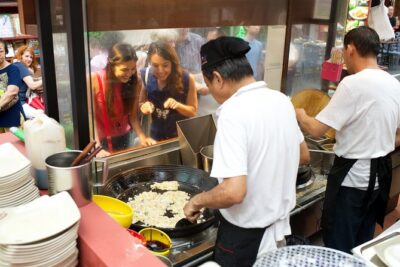 ★ 5.0Small Group: Michelin and Local Hawker Food Tour with 9 tastingsFrom $791,890 reviews
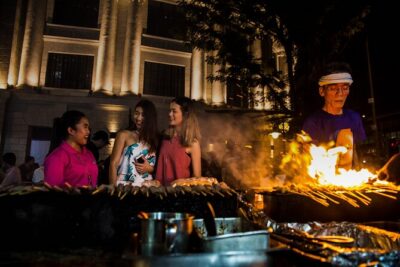 ★ 5.0Small Group: Singapore Street Food & Night Tour with 9 tastingsFrom $791,240 reviews
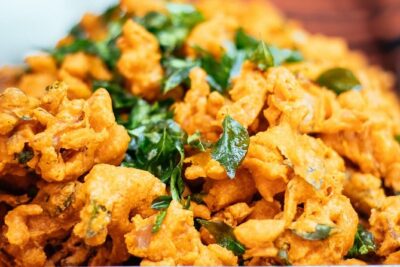 ★ 4.5The Award-Winning PRIVATE Food Tour: 10 Tastings of 3 CulturesFrom $1521,017 reviews
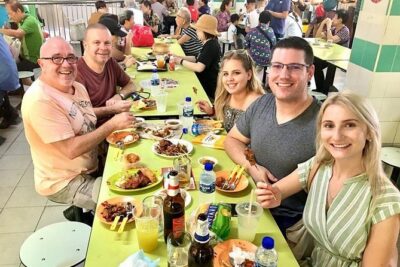 ★ 5.0Chinese, Indian & Arabic Quarters, Culture & Food TourFrom $148789 reviews
 ★ 5.0UNESCO Street Food & Cultural ExperienceFrom $161524 reviews
 ★ 5.0Singapore Market to Table Culinary Experience (Wet Market Tour included)From $112479 reviews
 ★ 5.0Small-Group Food Tour With Hawker Center: Eat Like A LocalFrom $161420 reviews
 ★ 5.0Singapore Private Food, Culture and Heritage Tour with 9 tastingsFrom $185394 reviews
Browse the lists this tour appears in