
Reviewed · LITTLE INDIA & KAMPONG GLAM TOURS
Street Food, Cultural & Historical Tour of 3 Ethnic Quarters
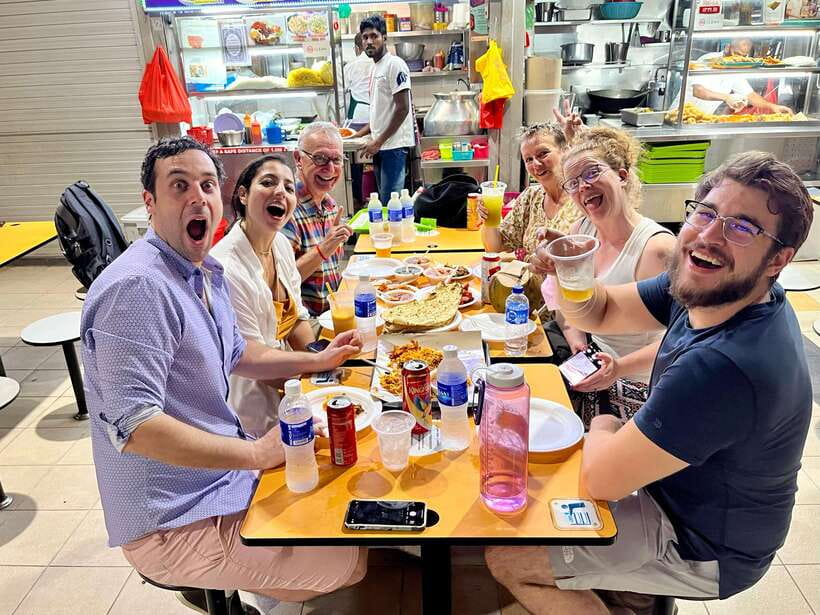
Singapore tastes like history on a spoon. This tour pairs Gerry’s Fujian-root family stories with UNESCO hawker-centre food stops that make the past feel present. I like that the guide keeps things lively but grounded in real local life.
You also get a practical, scene-by-scene route: markets for ingredients, temples and mosques for context, and public transport that gets you from quarter to quarter without wasting time. The pacing works well because you’re not just eating and moving on; you’re learning what you’re seeing as you go.
One thing to consider: it’s a walking day (around 6,000 steps), and the tour isn’t suitable for people with mobility impairments, vertigo, back problems, respiratory issues, or vegans/gluten intolerance.
In This Review
- Key highlights worth planning around
- A 6-hour street food route that reads like a local timeline
- Price and what $148 buys you in real terms
- Getting around: pickup points, train hops, and why the steps matter
- Meet Gerry: the Peranakan guide with Fujian roots
- Chinatown: hawker centre meals, a Buddhist temple visit, and street-history stops
- Public transport hop: how the tour saves time (and energy)
- Little India: wet-and-dry markets, spice stalls, and a clothing detour that makes sense
- Kampong Glam: Haji Lane street views, Arab Street textiles, and the Sultan Mosque
- Food pacing: how to handle multiple tastings and beer without ruining your stomach
- Who this tour fits best (and who should skip it)
- The verdict: should you book this $148 street food and history tour?
- FAQ
- How long is the Street Food, Cultural & Historical Tour of 3 Ethnic Quarters?
- What is the price per person?
- What’s the group size?
- Where are the pickup and drop-off locations?
- What is included in the tour price?
- What areas does the tour cover?
- Is there a lot of walking?
- Is the tour suitable for vegans or gluten intolerance?
- Who is the tour not suitable for?
- Can I cancel for a full refund?
Key highlights worth planning around
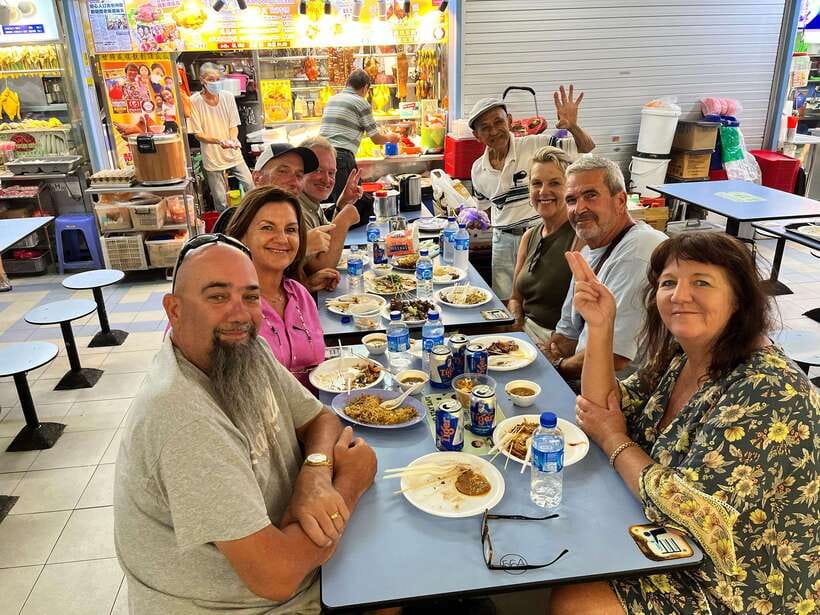
- Gerry (Singapore-born Peranakan) shares stories tied to family history, with photos from earlier days.
- Chinatown to Little India to Kampong Glam in one day, using public transport efficiently.
- Markets before meals, so you understand the ingredients and the supply chain.
- UNESCO hawker centres plus Michelin-listed bites, with beer included.
- Small group size (up to 8) keeps it friendly and question-friendly.
- Plenty of food and drink, so you can skip a big breakfast.
A 6-hour street food route that reads like a local timeline
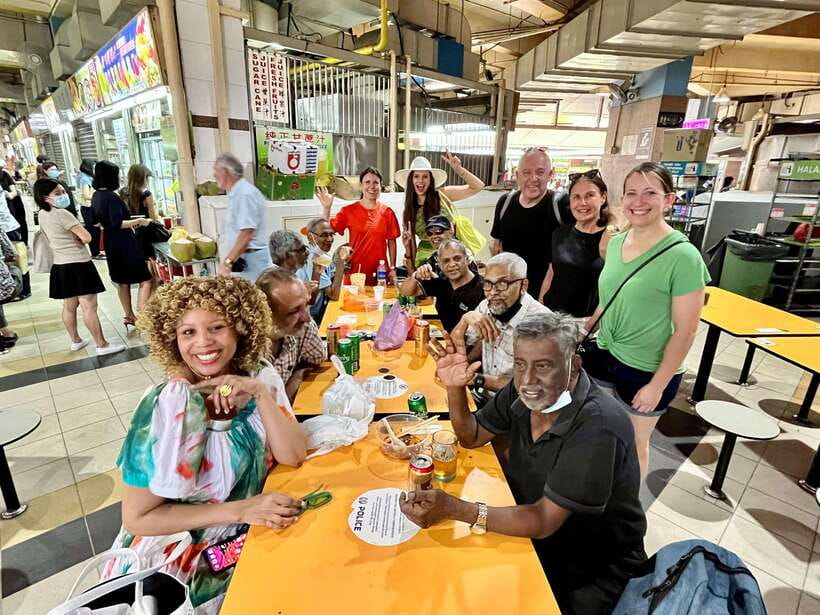
This is the kind of Singapore tour that helps you understand the city by watching how people shop, cook, pray, and snack—then tying it all back to immigration and colonial-era planning. You start in Chinatown, cross into Little India, and end in Kampong Glam, with each area showing a different side of how Singapore formed.
What makes it work is that the day isn’t just about plates. You’ll see why specific foods are common, why markets look the way they do, and how neighborhood identity still shows up in clothing shops, textiles, and places of worship. You’ll also get the advantage of a guide who can connect those details without turning it into a lecture.
The group stays small (up to eight), which means you can ask questions and actually hear the answers. In a city that can feel rushed on your own, that matters.
Price and what $148 buys you in real terms
At $148 per person for a six-hour experience, you’re not only paying for a route. You’re paying for:
- a local guide with historical context and storytelling,
- multiple food and drink stops (including beer),
- market time where you can see ingredients up close,
- and public transport between neighborhoods.
In other words, it’s value in the form of convenience plus tasting quantity. When a tour includes beer and still keeps the group small, it usually means the operator is building the day around food, not just “one or two quick bites.” Here, that’s exactly the feel.
The best part for budgeting: you don’t need to plan a separate lunch. Your day is set up so you’re fed as you go, with enough variety that you don’t feel like you’re eating the same thing repeatedly.
From Tekka to the Sultan Mosque, more quarter time
Getting around: pickup points, train hops, and why the steps matter
Logistics here are simple but practical. You can start at one of two pickup options: City Hall MRT or Raffles City. Drop-off is at either Raffles City or City Hall MRT again.
Between quarters, you’ll use public transport (included). The tour is built around Singapore’s efficient, clean, comfortable transit system, which is a smart choice in a country where taxis can add up fast and traffic can be unpredictable.
One heads-up: you’ll walk about 6,000 steps. That’s not a marathon, but it does mean comfortable shoes aren’t optional. If your feet get cranky quickly, this is the day to plan for sore legs—and to stay hydrated.
Meet Gerry: the Peranakan guide with Fujian roots
This tour’s secret sauce is the guide. Gerry is a Singapore native, born about six years after independence in 1965. His great grandparents arrived from Fujian, China in 1910, which gives him a personal link to the kind of migration history that shaped these neighborhoods.
In the feedback, you’ll see a pattern: Gerry is funny, fast with answers, and good at using pictures to explain how things used to look. That matters because Singapore changes quickly. When you can compare old photos to current streets, you stop seeing the city as a blur and start seeing it as a story.
You also feel the difference in how he speaks. Instead of just listing facts, he helps you connect the dots: what immigrants needed, what they built, and what the government did afterward to shape living patterns. It’s history with something to eat while you learn it.
Chinatown: hawker centre meals, a Buddhist temple visit, and street-history stops
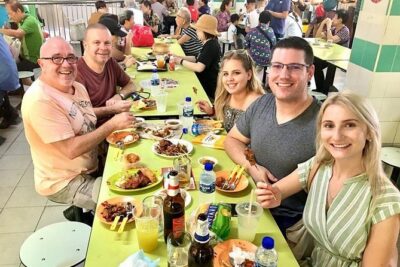
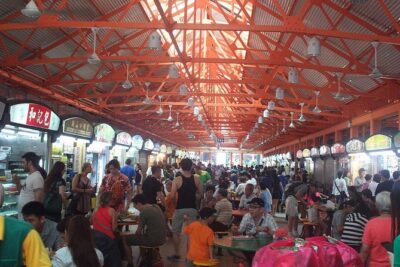
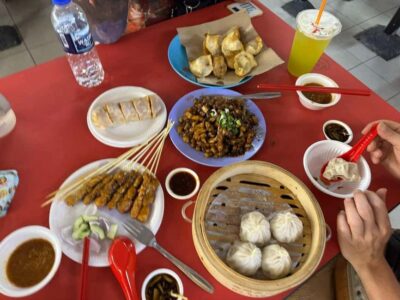
Chinatown is where the day leans into the idea of everyday life. You’ll start with food and drink at a local hawker centre—part of the UNESCO-listed hawker ecosystem. This is one of the easiest places to understand how Singapore created a shared food culture across different communities.
You’ll also visit a Buddhist temple, which gives you a pause point that isn’t just sightseeing. It helps you understand how spiritual practice and daily routines exist side by side in these neighborhoods.
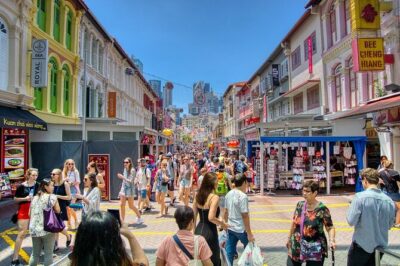
Then come the street-market elements—shopping lanes where you’ll see everyday commerce in motion. The historical storytelling in this section includes references to places like:
- Street of the Dead
- Red Lanterns & Private Chambers
- Opium Dens
That can sound heavy, but the way it’s framed is practical. You learn how hardship, trade, and social change shaped the built environment—and why Chinatown’s street layout and social history matter.
Best part for food lovers: you’re not just tasting. You’re tasting within the context of where the ingredients and community energy come from.
Possible drawback: Chinatown can be lively in real life, so if you dislike crowds or struggle with standing for temple and market time, pace yourself and take short breaks when you can.
Still hungry? The hawker trail keeps going
- Small Group: Michelin and Local Hawker Food Tour with 9 tastings★ 5.0 · 1,890 reviews
- Small Group: Singapore Street Food & Night Tour with 9 tastings★ 5.0 · 1,240 reviews
- The Award-Winning PRIVATE Food Tour: 10 Tastings of 3 Cultures★ 4.5 · 1,017 reviews
- Singapore: Chinese, Indian & Arabic Quarters, Culture & Food Tour★ 5.0 · 789 reviews
Public transport hop: how the tour saves time (and energy)
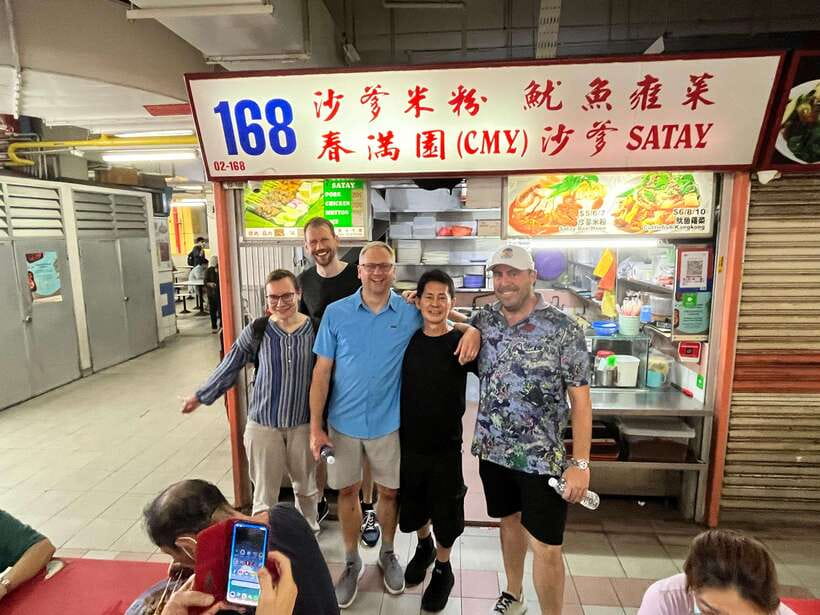
Between neighborhoods, the tour uses public transport tickets included. This is one of those unglamorous choices that makes the whole day better.
You’re not waiting around in traffic, and you’re not trying to navigate across Singapore blocks on your own. Plus, taking transit in small chunks keeps you from burning out before the best food stops.
If you’re the type who hates wasting vacation time “figuring it out,” this structure will feel like relief.
Little India: wet-and-dry markets, spice stalls, and a clothing detour that makes sense
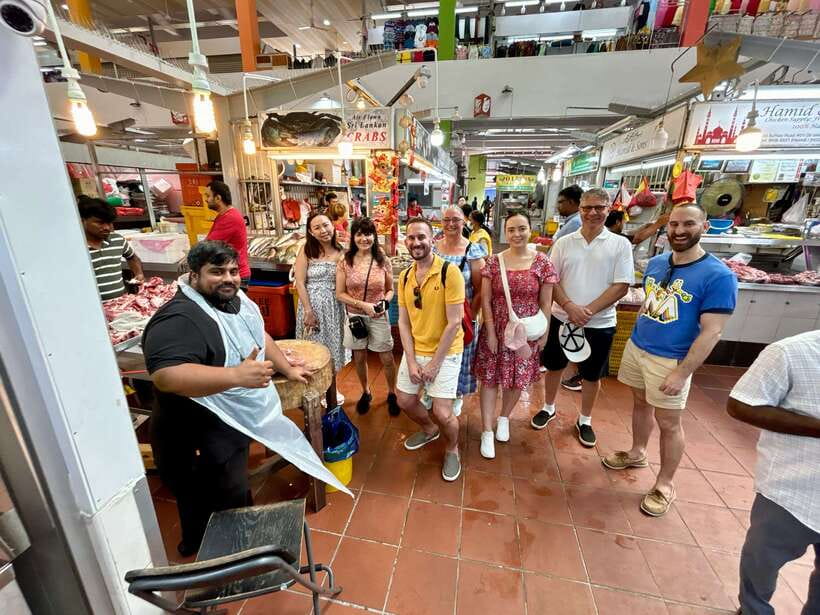
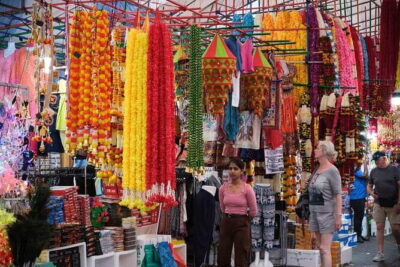
Little India is where you’ll get very close to the sourcing side of street food. You’ll visit markets laid out for real shopping: wet and dry produce areas with seafood, meat, fruit, vegetables, and spice stalls.
You’ll also see herbs and spices show up in the day’s story, not as a vague concept but as the building blocks behind the flavors you’re about to taste. This is where you understand the food economy behind the scene.
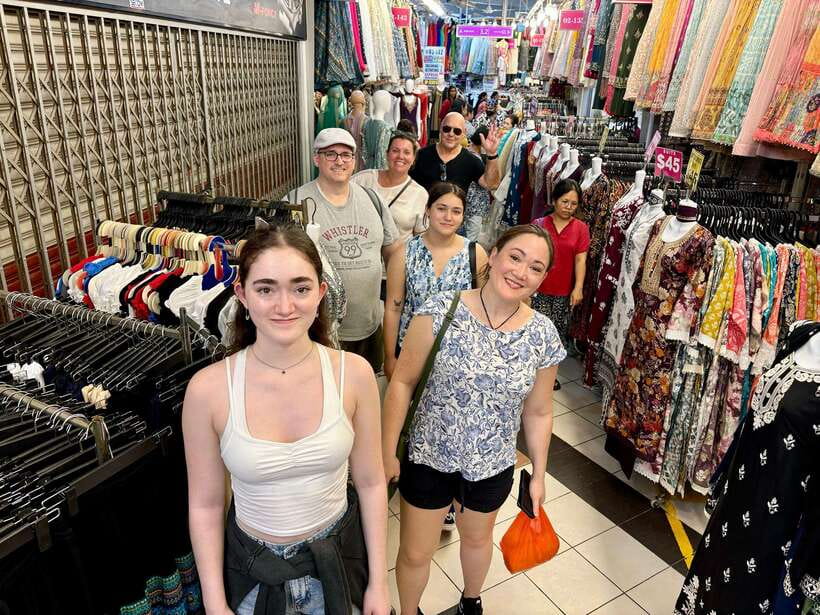
The tour also includes an Indian clothing market. It may sound like a side quest, but it’s actually tied to identity. Food doesn’t exist alone; it’s part of how people dress, gather, and celebrate. Watching textiles and clothing stalls alongside snack stops helps you see the neighborhood as a living community rather than a photo spot.
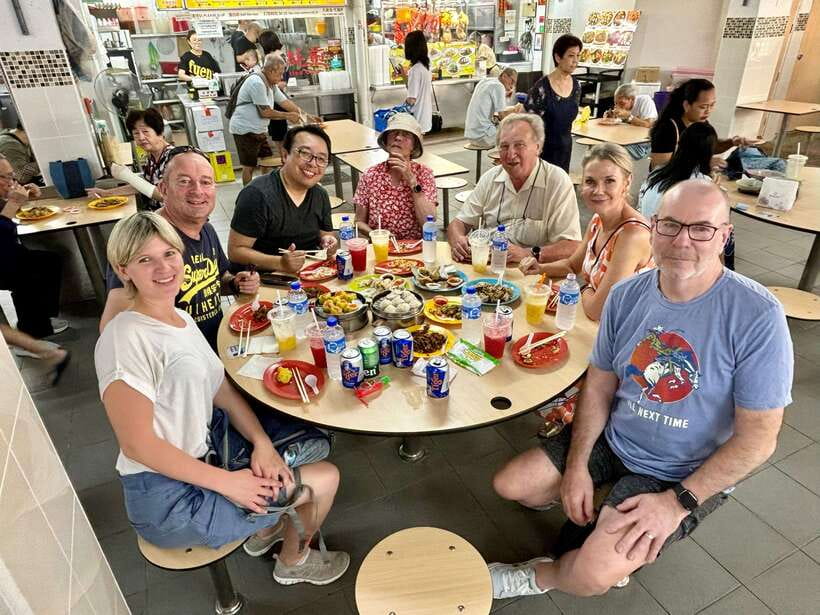
You’ll then move into a family eatery for local food and drink. This is where the day hits its comfort zone: you get the mixture of Indian and Malay food and drink influences in a way that feels natural, not forced.
If you like learning while you eat, this is a strong section. The guide’s explanation plus what you’ve seen in the market makes the flavors easier to recognize—and more interesting.
One practical note: spice-heavy food is part of the experience, and there’s no mention of vegan-specific tailoring. If you have strict dietary limits, plan carefully.
Kampong Glam: Haji Lane street views, Arab Street textiles, and the Sultan Mosque
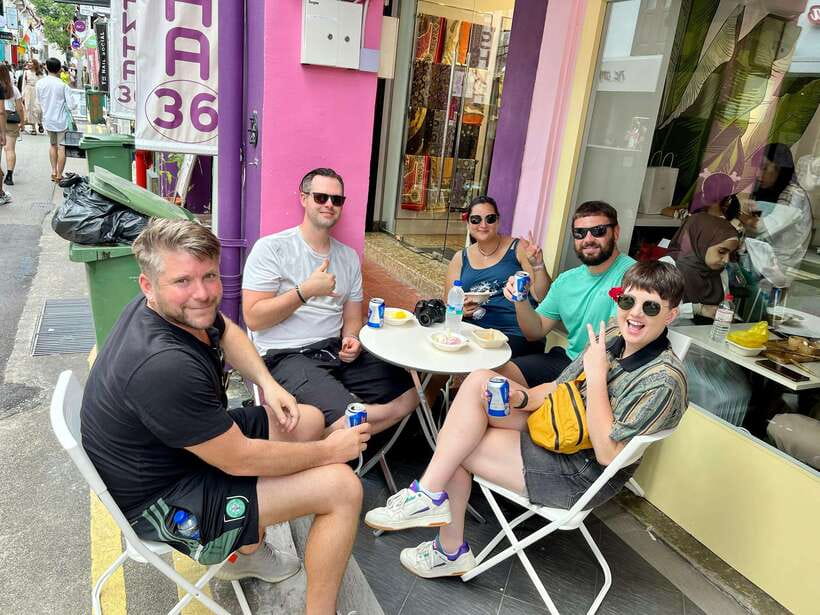
Kampong Glam feels different the moment you arrive. The tour includes walking through Haji Lane, plus a look at graffiti-style walls in the area. It’s a creative layer on top of a neighborhood with deep roots.
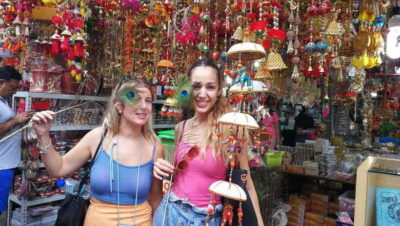
You’ll also stop around Arab Street for textile shops. That matters because fabric is another way culture shows up day to day. You’re seeing trade and craftsmanship tied to the people who settled and stayed.
A key moment is the visit to Singapore’s 1st Sultan Mosque. This isn’t just a photo opportunity. It gives you a clear place anchor for the Muslim pilgrimage and community history connected to the area.
Then the day ends with dessert in an old shophouse setting tied to 19th-century Muslim pilgrims. That detail is the kind of connection you can easily miss if you’re wandering alone, and it’s exactly the kind of story a good guide turns into something you remember.
Food pacing: how to handle multiple tastings and beer without ruining your stomach
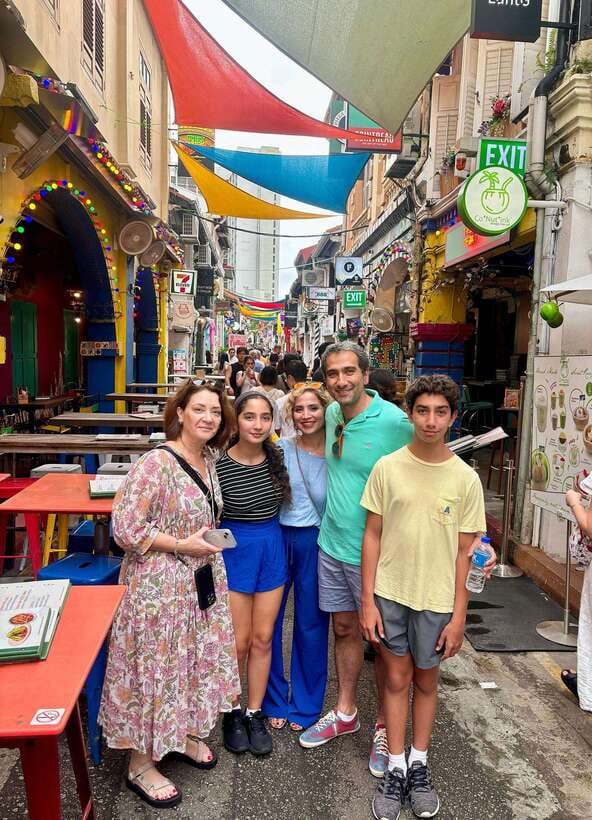
This tour is designed so you eat steadily across the full six hours, not all at once in a single heavy meal. The guidance from the experience is straightforward: don’t over-plan breakfast. You’re getting enough food and drink to make it unnecessary.
Beer is included, so if you don’t usually drink alcohol, you can still enjoy the food rhythm and take it slow. With street food, the goal is to taste widely, not win a challenge.
My practical advice: wear comfortable clothes, and keep water handy when you can. If you’re sensitive to strong flavors, go at a slower pace during market-to-meal transitions, when spice and aroma hit first.
Who this tour fits best (and who should skip it)
This is a great match if you want:
- street food plus real neighborhood context,
- a small-group day with a guide who tells stories through photos and history,
- and a route that connects Chinatown, Little India, and Kampong Glam without hassle.
It’s also a solid pick if you enjoy asking questions. The structure supports that, and Gerry is good at answering.
But don’t choose it if you fall into the not-suitable categories listed for the experience. It isn’t suitable for pregnant women, people with back problems, mobility impairments, wheelchair users, vertigo, or respiratory issues. It also isn’t suitable for vegans or people with gluten intolerance.
If you’re traveling with kids, note that the tour excludes babies under 1 year, but it can work for older teens and families looking for culture-and-food rather than museums.
The verdict: should you book this $148 street food and history tour?
Book it if you want Singapore in three chapters: Chinese food culture and hard-won street history, Indian market life and spice sourcing, then Kampong Glam’s textile-and-mosque layer with a story-tied dessert finish. The small group size, the guide’s humor and family-history angle, and the mix of hawker-centre food plus market visits are the big reasons this feels worth the money.
Skip it if walking 6,000 steps is an issue for you or if you need vegan or gluten-free tailoring. Also skip if you dislike any food-and-beverage focus—this tour is built around tastings, including beer.
If you’re choosing between a food tour that’s only about eating and one that’s about food plus place, this one leans strongly toward food with meaning. And once you’ve seen the markets and heard the stories behind the streets, you’ll understand the city faster than you would by wandering alone.
FAQ
How long is the Street Food, Cultural & Historical Tour of 3 Ethnic Quarters?
It lasts 6 hours.
What is the price per person?
The price is $148 per person.
What’s the group size?
It is a small group limited to 8 participants.
Where are the pickup and drop-off locations?
Pickup is available from either City Hall MRT or Raffles City, and drop-off is at either Raffles City or City Hall MRT.
What is included in the tour price?
Food and drink are included, including beer, plus public transportation tickets to move between quarters, and hotel pickup and drop-off where available.
What areas does the tour cover?
You visit Chinatown, Little India, and Kampong Glam.
Is there a lot of walking?
Yes. Expect about 6,000 steps.
Is the tour suitable for vegans or gluten intolerance?
No. It is not suitable for vegans or people with gluten intolerance.
Who is the tour not suitable for?
It is not suitable for pregnant women, people with back problems, mobility impairments, wheelchair users, people with vertigo, or people with respiratory issues.
Can I cancel for a full refund?
Yes. You can cancel up to 24 hours in advance for a full refund.
Old Singapore, Retold


Hawker Stalls Left on the List

Little India and Kampong Glam, Continued
Fresh Reviews from the Little Red Dot
- Night Safari Tickets with Tram Ride
★ 4.5 · 3 reviews - Singapore: Architecture and Food Tour with Tastings
★ 5.0 · 3 reviews - Singapore Private Full-Day Sightseeing Tour
★ 5.0 · 3 reviews - Private Chinatown Heritage Tour with Best 8 Local Tastings
★ 5.0 · 3 reviews
Little India & Kampong Glam Tours, compared.
 ★ 5.0Chinese, Indian & Arabic Quarters, Culture & Food TourFrom $148789 reviews
 ★ 5.0Chinatown, Little India, Kampong Gelam City Highlights TourFrom $80224 reviews
Chinatown, Little India, Arab Street Walking TourFrom $53207 reviews
★ 5.0Chinatown, Little India, Kampong Gelam City Highlights TourFrom $80224 reviews
Chinatown, Little India, Arab Street Walking TourFrom $53207 reviews
 ★ 4.8Chinatown and Little India Guided Walking TourFrom $78190 reviews
 ★ 4.5Kampong Glam, Little India & Chinatown with Local Street Food TastingsFrom $17770 reviews
 ★ 5.0#instawalk: Bugis, Waterloo, Kampong GlamFrom $5660 reviews
 ★ 5.0Tasting Trails: Chinatown OR with Kampong Glam, Little IndiaFrom $6759 reviews
 ★ 5.05 hours Little India, Kampong Glam, Chinatown with 9 Food TastingFrom $14158 reviews
Browse the lists this tour appears in