
Reviewed · HAWKER & STREET FOOD TOURS
Ultimate Food Journey
Food in Singapore has rules. This tour turns them into a morning plan. You’ll walk through wet and dry markets and end up at hawker-style stops where you taste your way through real local routines. I like that it’s built for foodies and first-timers alike, with a small group so the guide can keep things moving and answer your questions on the spot.
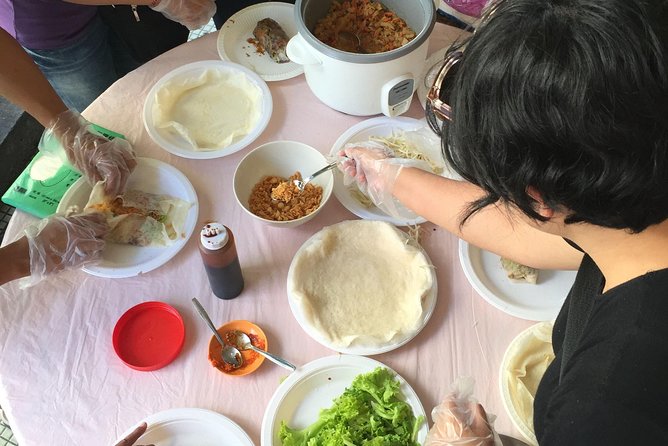
What I really like is the pairing of market wandering with hands-on cooking. You’ll sample classics like putu piring and learn to make popiah (fresh spring rolls) during the tour. Another highlight is the way guides connect what you’re eating to ingredients, spices, and local food culture—names you’ll hear around the group include Veronica, Kenneth, and Anthony.
One thing to consider: this is a 3-hour walkabout, so comfy shoes matter. Also, the experience runs in good weather; if conditions are bad, the tour may shift or refund depending on how it’s handled.
In This Review
- Key Things That Make This Tour Worth Your Time
- A Morning Built Around Real Singapore Food Culture
- Starting at Geylang Serai New Market: Where Ingredients Get a Story
- Katong–Joo Chiat Stops: Snack Stops With a Different Cultural Flavor
- The Popiah Cooking Class: Hands-On Learning You’ll Actually Use
- What You’ll Eat: Snacks That Make Singapore Feel Understandable
- Guides Matter: The Difference Between Eating and Learning
- Price and Value: What $104.91 Buys in Real Terms
- Getting the Timing Right: Shoes, Appetite, and Weather
- Who This Tour Is Best For (and Who Might Pass)
- Should You Book Ultimate Food Journey?
- FAQ
- FAQ
- How long is the Ultimate Food Journey tour?
- Where does the tour start, and what time does it begin?
- How large is the group?
- What kind of ticket do I need?
- What dishes are included during the tour?
- What areas will the tour visit?
- Is the tour affected by weather?
- Can most people join, and do I get confirmation?
Key Things That Make This Tour Worth Your Time
- Small group of up to 5 keeps the pace friendly and questions answered
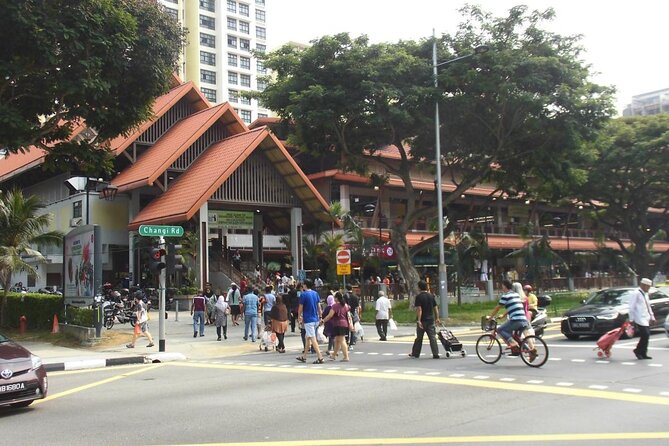
- Geylang Serai Market is a strong start for seeing Malay ingredients and spice culture
- Katong–Joo Chiat area adds another flavor side of Singapore, with Peranakan-leaning food stops
- Hands-on popiah making turns sampling into something you can repeat later
- Hands-on snack learning also covers items like kueh pie tee along the way
A Morning Built Around Real Singapore Food Culture
If you want Singapore food without turning it into a random snack sprint, this format helps. You get a guided route through markets and hawker centers, with tasting breaks and explanation along the way. The value isn’t just that you eat a lot—it’s that someone points out what’s going on behind the counter: why certain stalls stock certain ingredients, how vendors think about texture and flavor, and what locals look for when they order.
This is also a good length. At around three hours, you’re unlikely to burn out, even if you’re new to hawker culture. The tour ends back at the meeting point, so you don’t have to figure out how to get yourself out afterward.
And you get a practical perk: a mobile ticket. That matters when you’re juggling metro rides, walking, and warm-weather timing.
Starting at Geylang Serai New Market: Where Ingredients Get a Story
Most Singapore food tours jump straight to eating. This one starts with the input. You meet at Geylang Serai at 9:00am, and the first stop is Geylang Serai New Market—a place where you can see how the Malay and local ingredient world connects to dishes you’ll recognize later.
What you’re doing here is learning to read the market. You’ll walk past produce, spices, and specialty goods, with your guide breaking down what each stall is good for. In reviews, guides like Veronica are praised for explaining history and how produce and spices show up across different cuisines. That kind of explanation is useful because Singapore’s hawker scene is more than “cheap and tasty.” It’s a web of cultures, and the market is where that web starts.
What you should do during this part: keep your attention on ingredient categories. If you hear the same ingredient named more than once—spices, coconut-related items, chili components—pay attention. Later, when you’re tasting, those names will click faster, and you’ll know what you’re tasting instead of just guessing.
Possible drawback here: if you’re the type who prefers to arrive hungry and skip the “shopping area” vibe, market stops can feel slower. The good news is the tour structure is meant to pair walking with sampling, so you’re not just wandering for the sake of wandering.
Still hungry? The hawker trail keeps going
Katong–Joo Chiat Stops: Snack Stops With a Different Cultural Flavor
After Geylang Serai, the tour moves into Katong–Joo Chiat, which is often where people go for food that feels less generic and more neighborhood-specific. This section matters because Singapore food changes by area. You’re not just repeating the same hawker format with different stalls—you’re seeing how different communities shape flavor preferences, snack styles, and ingredient choices.
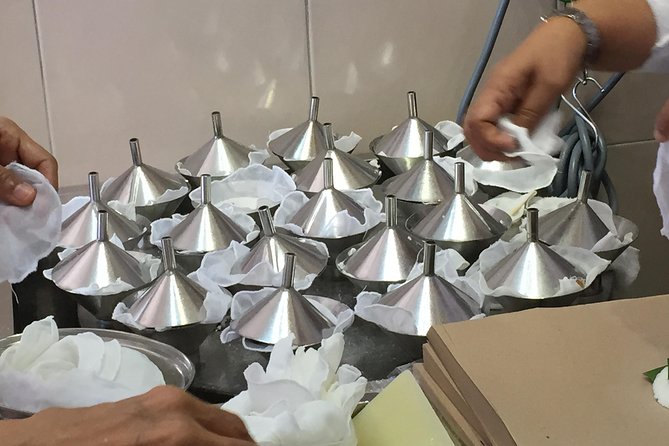
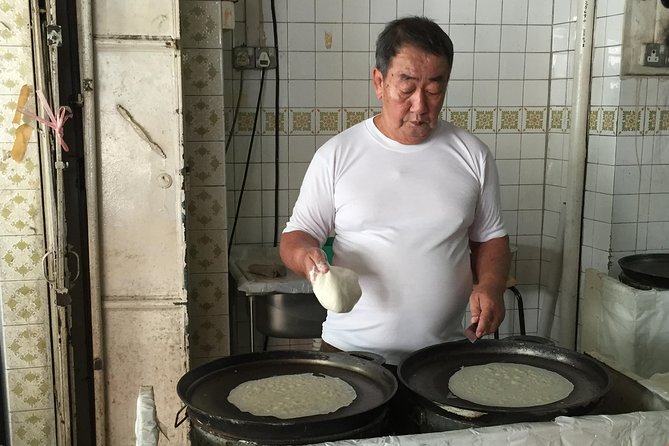
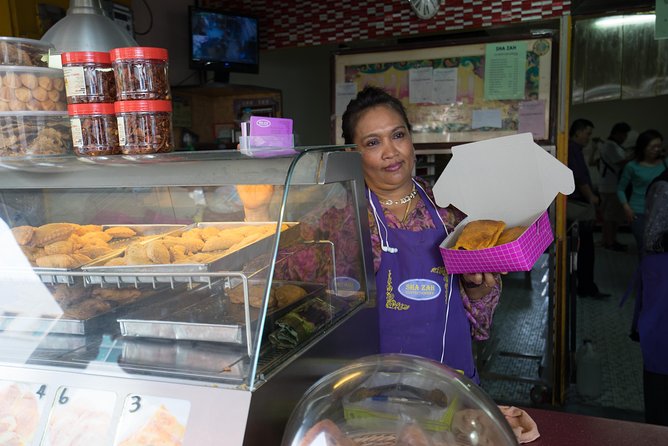
Even within one tour, you’ll notice a shift in what you’re offered and how it’s prepared. Your guide will connect these differences to local food heritage and what people eat in everyday life. Some stops include a look at how items are made rather than only how they’re sold. One reviewer specifically noted a behind-the-scenes peek at curry puffs and popiah skin preparation, which is the kind of detail that makes the whole morning feel more grounded.
If you’re a “I want to know what I’m eating” person, Katong–Joo Chiat helps you do that. If you’re more of a “just feed me” person, you’ll still get plenty of chances to taste, but it’ll be guided, not chaotic.
The Popiah Cooking Class: Hands-On Learning You’ll Actually Use
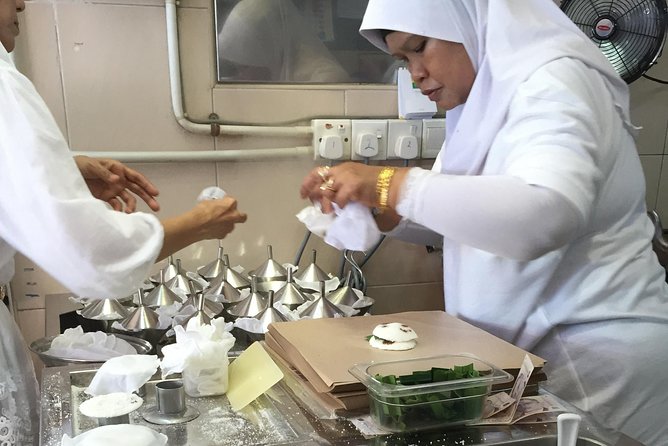
The biggest reason to book this tour is the cooking portion. You’ll learn to make popiah, and the tour frames it as a hands-on experience—not just watching someone cook while you hold a phone.
Popiah sounds simple until you see what goes into it. You’re working with components that need balance: the right textures, correct assembly, and that key feeling of fresh filling wrapped neatly. Getting instruction matters because popiah is one of those snacks where people can taste your technique. Do it wrong and it’s messy or uneven. Do it right and suddenly you understand why Singaporeans treat it as a favorite comfort snack.
Guides like Veronica and others are highlighted for turning the class into more than a recipe lesson. You’re not only learning steps; you’re also learning the logic behind how popiah fits into local eating culture. The tour also references other traditional snacks such as kueh pie tees, so your brain connects the snack family—not just one dish.
Practical tip for your popiah session: pay attention to how the filling is portioned. The filling-to-wrap ratio is where most people go off track if they’re learning for the first time. If your guide corrects your portion, take the cue. It’s faster than trying to “figure it out” on your own.
Also, cooking adds value even if you’re not a confident kitchen person. You’re leaving with a memory you can recreate later, and that’s how you get real value from a short tour.
What You’ll Eat: Snacks That Make Singapore Feel Understandable
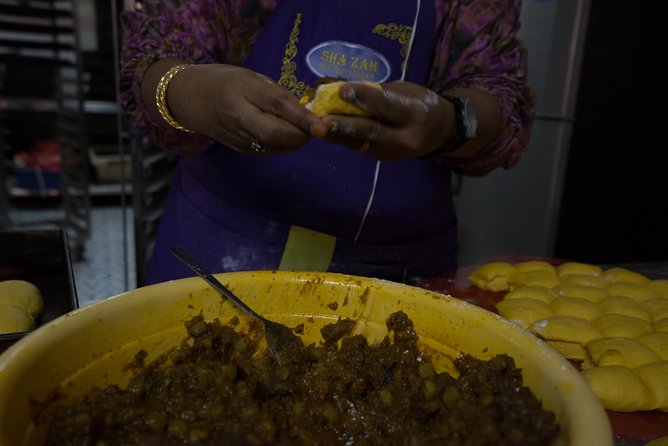
This experience is built around sampling local favorites, not one dramatic meal. Specific items mentioned include putu piring (a sweet rice flour snack), popiah (savory fresh spring roll), and kueh pie tees (savory tart). Those three alone cover a lot of Singapore food logic: sweet and savory, snack and structured filling, crunchy and soft textures.
You’ll likely see a range of hawker-style preparation styles too—things made fresh, things assembled quickly, and things that depend on good ingredient sourcing. The market stops help you recognize those ingredients later. That’s part of the tour’s “why” beyond the food itself.
How to get the most out of the tasting: take small bites first, then decide what you want more of. With hawker food, portion sizes can be deceptively filling. Start cautious. After your first round, you’ll know what you’re craving and what you can skip.
If you have a specific interest—Malay flavors at Geylang Serai, snack craft in Katong–Joo Chiat, or hands-on popiah technique—this tour lines up well with that. It’s not specialized enough to be just one niche; it’s broad enough to give you a useful map.
- Lion City Bike Tour of Singapore★ 5.0 · 6,211 reviews
- Singapore: Gardens by the Bay Bundle Entry Ticket★ 4.3 · 3,726 reviews
- Singapore: Big Bus Hop-On Hop-Off Tour by Open-Top Bus★ 4.5 · 3,261 reviews
- Singapore: Lion City Highlights Bike Tour★ 4.9 · 2,010 reviews
Guides Matter: The Difference Between Eating and Learning
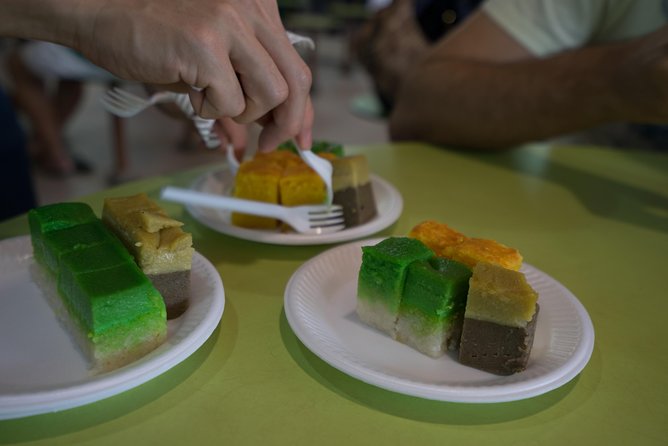
One pattern shows up in the feedback: people remember the guide. Names that stand out include Veronica, Kenneth, and Anthony, and reviews praise them for sharing background on what you’re seeing and eating. That’s a big deal for Singapore because food choices can feel overwhelming. A good guide helps you decode what’s normal, what’s special, and what you can safely order without overthinking it.
What you’re paying for here is partly translation and partly interpretation. If a guide explains how spices work across dishes—or why a stall uses a specific ingredient—you’ll carry that knowledge into your next hawker meal.
The practical payoff for you: later, when you’re choosing what to eat on your own, you’ll have a decision framework. You won’t just pick by photos and luck.
Price and Value: What $104.91 Buys in Real Terms
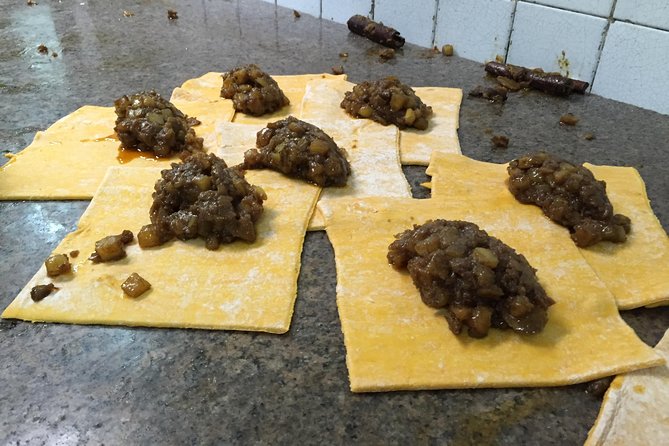
At $104.91 per person, this isn’t a budget “just walk and snack” experience. But you’re also not buying only food samples. You’re paying for a guided route through key food areas, time spent translating market culture into easy explanations, and a hands-on cooking class with popiah.
Also, the tour is small: maximum of 5 travelers. That small group size usually means the guide can slow down when you have questions, and it supports a smoother cooking session.
Duration is about three hours, which keeps your time cost reasonable. In many cities, a market tour plus a cooking class separately would add up fast. Here, the format bundles both, so your schedule stays tight.
Bottom line: if you want Singapore food with structure and you care about learning what you’re eating, the price feels more fair. If you only want an easy food tasting without any cooking, you might find cheaper alternatives. But if popiah and snack craft are on your list, this one makes sense.
Getting the Timing Right: Shoes, Appetite, and Weather
This is a walking tour, so wear comfortable shoes. Markets and hawker corridors are not the place for blisters. You’ll also be eating through the morning, so don’t start with a huge breakfast unless you enjoy planning your nap schedule.
The tour also needs good weather. Singapore can flip quickly between sun and showers, so keep a light rain layer handy. If the experience is canceled due to poor weather, you’ll be offered another date or a full refund, so it’s not the kind of plan that leaves you stuck.
If you’re traveling with little patience for lines, this small-group format tends to feel calmer. You still wait sometimes, but the group size is meant to keep it manageable.
Who This Tour Is Best For (and Who Might Pass)
This tour fits best if you’re:
- A first-time visitor who wants hawker culture explained instead of guessed
- A foodie who likes markets, not just restaurants
- Someone who enjoys hands-on learning, especially cooking a snack you can recreate
It may be less ideal if you:
- Want a purely sit-down dining experience
- Hate walking in markets, even when it’s short and guided
- Prefer to learn by self-guided browsing rather than instruction
Should You Book Ultimate Food Journey?
I’d book it if you want more than “eat lots of stuff.” The key value is the mix of market seeing, guided explanations, and a popiah making class that gives you a repeatable skill. The small group size is also a real quality signal, because it supports both tasting and cooking without turning into a rushed conveyor belt.
If you’re shopping for the one Singapore food experience that helps you understand what to order later, this is a strong contender. And if popiah is on your must-try list, this is a rare case where you don’t just taste it—you build it.
FAQ
FAQ
How long is the Ultimate Food Journey tour?
It runs for about 3 hours.
Where does the tour start, and what time does it begin?
The tour starts at Geylang Serai at 9:00am. It ends back at the meeting point.
How large is the group?
The tour has a maximum of 5 travelers, so it stays small.
What kind of ticket do I need?
You’ll receive a mobile ticket.
What dishes are included during the tour?
The experience includes local tastings such as putu piring, and it also features making popiah. It also mentions kueh pie tees as part of the food focus.
What areas will the tour visit?
You’ll visit Geylang Serai New Market and the Katong–Joo Chiat area.
Is the tour affected by weather?
Yes. It requires good weather. If it’s canceled due to poor weather, you’ll be offered a different date or a full refund.
Can most people join, and do I get confirmation?
The info says most travelers can participate, and you’ll receive confirmation at the time of booking.
Hawker Stalls Left on the List


Fresh Reviews from the Little Red Dot
- Night Safari Tickets with Tram Ride
★ 4.5 · 3 reviews - Singapore: Architecture and Food Tour with Tastings
★ 5.0 · 3 reviews - Singapore Private Full-Day Sightseeing Tour
★ 5.0 · 3 reviews - Private Chinatown Heritage Tour with Best 8 Local Tastings
★ 5.0 · 3 reviews
Hawker & Street Food Tours, compared.
 ★ 5.0Small Group: Michelin and Local Hawker Food Tour with 9 tastingsFrom $791,890 reviews
 ★ 5.0Small Group: Singapore Street Food & Night Tour with 9 tastingsFrom $791,240 reviews
 ★ 4.5The Award-Winning PRIVATE Food Tour: 10 Tastings of 3 CulturesFrom $1521,017 reviews
 ★ 5.0Chinese, Indian & Arabic Quarters, Culture & Food TourFrom $148789 reviews
 ★ 5.0UNESCO Street Food & Cultural ExperienceFrom $161524 reviews
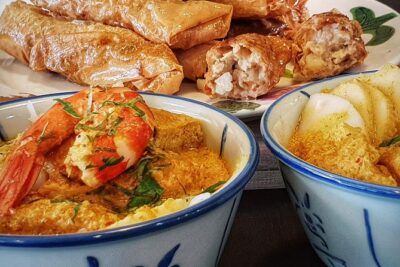 ★ 5.0Singapore Market to Table Culinary Experience (Wet Market Tour included)From $112479 reviews
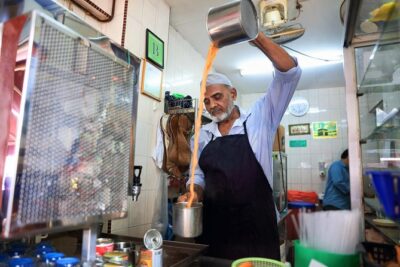 ★ 5.0Small-Group Food Tour With Hawker Center: Eat Like A LocalFrom $161420 reviews
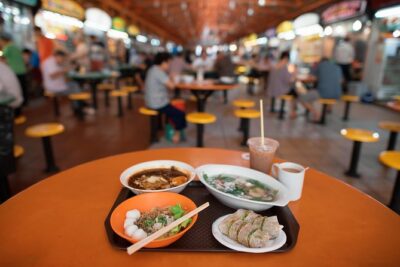 ★ 5.0Singapore Private Food, Culture and Heritage Tour with 9 tastingsFrom $185394 reviews
Browse the lists this tour appears in