
Reviewed · HAWKER & STREET FOOD TOURS
Vegetarian Culinary Adventure in Singapore
Singapore’s vegetarian scene hits different. This morning tour strings it all together with temple context and serious food stops. You’ll eat vegetarian and vegan dishes across Chinese Buddhist, Japanese, and Indian flavors, while learning how religion shapes what ends up on the plate.
I also like the small-group size (up to 10), which makes it easier for your guide to answer questions and steer you toward what to try. And the tastings are built into the experience, not tacked on at the end, so you’re not just browsing—you’re eating. The one real drawback is the portion size: plan on getting very full, and come with a stomach that’s ready for a snack-heavy morning.
In This Review
- Key highlights
- Where the tour fits in Singapore’s food map: Tekka Centre start, Middle Rd finish
- Building the morning around breakfast and food samples (not just “tasting stops”)
- The best kind of shop-hopping: vegetables, dried goods, spices, and fruits
- Eating across three styles of vegetarian cooking: Chinese Buddhist, Japanese, and Indian
- Chinese Buddhist cuisine: flavors guided by discipline
- Japanese vegetarian dishes: clean flavors and ingredient respect
- Indian vegetarian cooking: spice and structure
- Temple visits: why Buddhist and Hindu vegetarian rules matter
- How the guide experience changes the tour: Ahmed, Rashid, Angel, and Kim as examples
- What to watch for: coming hungry, handling fullness, and keeping your questions ready
- Price and value: $161.08 for 3 hours of food, temple time, and a small-group guide
- Who this tour suits best in Singapore
- Tips before you go (so the experience feels smooth)
- Should you book this Vegetarian Culinary Adventure in Singapore?
- FAQ
- What’s the duration of the Vegetarian Culinary Adventure in Singapore?
- How much does the tour cost?
- Where does the tour start and what time does it begin?
- Where does the tour end?
- How many people are in the group?
- Is breakfast and food included?
- Does the tour visit temples?
- Is the tour suitable for vegans and vegetarians?
- What’s the minimum age?
- Is there free cancellation?
Key highlights
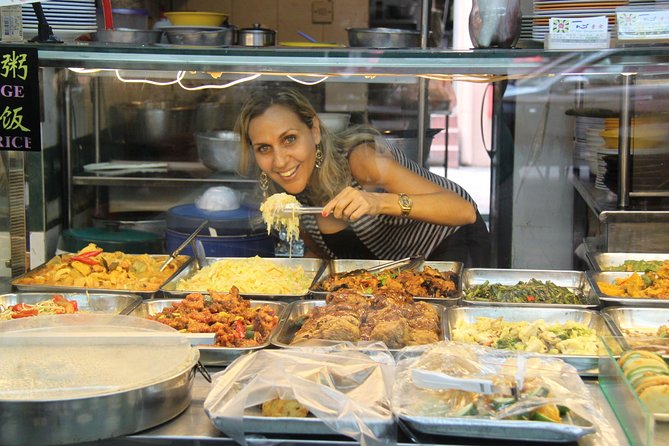
- Three-cuisine vegetarian route with Chinese Buddhist, Japanese, and Indian vegetarian (some vegan) meals
- Breakfast + lots of samples so you get variety, not just one sit-down dish
- Buddhist and Hindu temple visits tied to religion-based vegetarian choices
- Market and specialty shop stops for spices, dried ingredients, vegetables, and fruit
- Guides who connect food to place names and cultural meaning (often cited as a standout)
- Up to 10 people for more personal pacing and clearer explanations
Where the tour fits in Singapore’s food map: Tekka Centre start, Middle Rd finish
This tour starts in the Tekka area, meeting at Tekka Centre (near the Zhujiao Centre). It’s a smart launch point because you’re close to the kinds of markets and specialty shops that make Singapore’s food culture feel like a living system, not a museum.
You finish near Middle Rd, which is useful if you want to continue on your own after the tour. The overall time is about 3 hours, so you get a concentrated hit of food and context without losing a whole day.
Building the morning around breakfast and food samples (not just “tasting stops”)
From the start, the focus is on eating. You’ll get breakfast and food samples included, plus snacks and bottled water, and the tastings are designed to keep momentum through the whole experience.
What that means for you: you can use this tour as your “food orientation.” Instead of trying to guess what’s vegetarian-safe at multiple hawker centers, you’re guided through places where vegetarian dishes are normal, not an afterthought. Several people highlight that you’ll be so full it becomes a real “what do I do with all this good food?” problem.
A practical tip: if you’re sensitive to spice, tell your guide in advance so they can steer you. Vegetarian doesn’t automatically mean mild in Singapore, and the guide’s role is to help you land on what fits you best.
Still hungry? The hawker trail keeps going
The best kind of shop-hopping: vegetables, dried goods, spices, and fruits
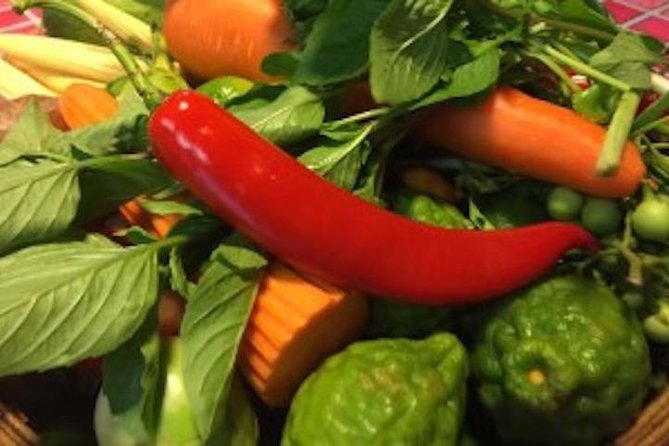
One of the most interesting parts is the wandering through ingredient shops and markets focused on vegetarian cooking. You’ll see and learn about vegetarian special ingredients in Asia—things like dried products, spices, and vegetables that can feel mysterious if you only eat in restaurants.
You’ll also get exposure to fruit and ingredients that show up in vegetarian dishes in ways you might not expect. This is a good time to ask questions, because your guide can translate what you’re seeing into how it’s actually used in cooking, not just what it is on the shelf.
Why I like this segment for visitors: Singapore’s vegetarian food is shaped by both culture and practical needs. Dried goods, shelf-stable items, and spice blends let cooks build flavor even when the dish isn’t built around meat or seafood.
Eating across three styles of vegetarian cooking: Chinese Buddhist, Japanese, and Indian
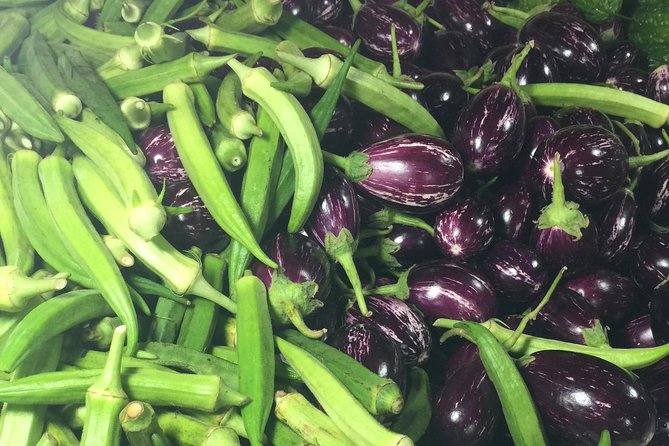
The tour’s main food payoff comes from restaurants serving pure vegetarian dishes, including some vegan options. You’ll rotate through different cuisines, so you taste how vegetarian cooking changes when the rules, textures, and flavor goals shift.
Chinese Buddhist cuisine: flavors guided by discipline
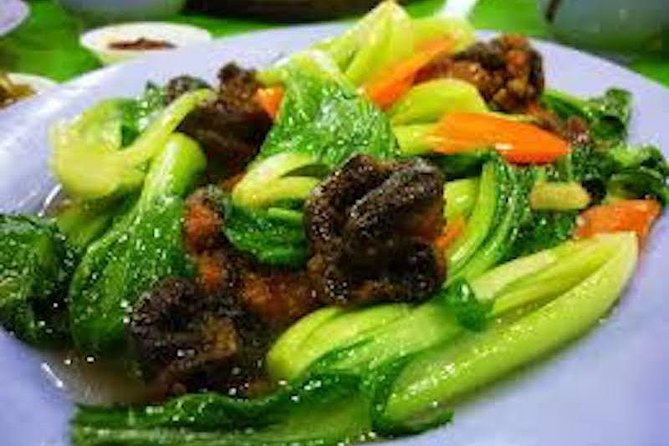
In Chinese Buddhist vegetarian meals, the idea is usually not just “no meat,” but a style of eating shaped by religious practice. Expect dishes built for balance and comfort, often with ingredients that might look familiar but taste different once you see how they’re prepared.
A standout here is the way your guide connects the food to meaning. People often mention that guides like Kim focus on cultural significance as much as cooking technique, which turns a plate of food into a mini lesson you can actually remember.
- Lion City Bike Tour of Singapore★ 5.0 · 6,211 reviews
- Singapore: Gardens by the Bay Bundle Entry Ticket★ 4.3 · 3,726 reviews
- Singapore: Big Bus Hop-On Hop-Off Tour by Open-Top Bus★ 4.5 · 3,261 reviews
- Singapore: Lion City Highlights Bike Tour★ 4.9 · 2,010 reviews
Japanese vegetarian dishes: clean flavors and ingredient respect
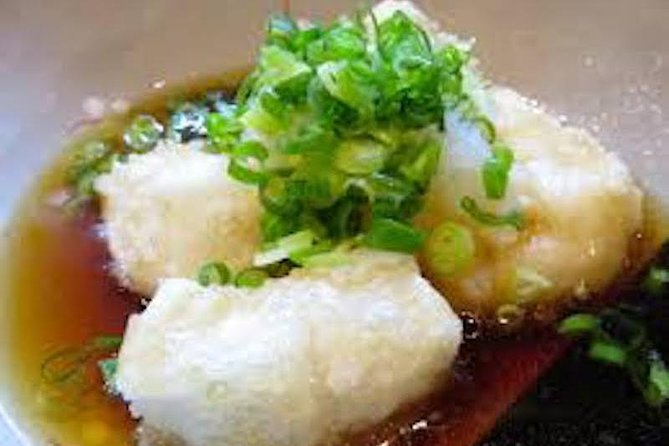
Japanese stops add a different rhythm. Instead of heavy seasoning by default, you’ll likely notice how ingredient quality and preparation matter. Even when the dish is vegetarian, the overall feel can be lighter, with more attention to how things are cut, cooked, and plated.
This is where the tour helps you build mental categories. After a few tastings, you start noticing what each cuisine uses to replace the role that meat often plays, whether it’s texture, umami, or careful seasoning.
Indian vegetarian cooking: spice and structure
Indian vegetarian food brings the big spices and bold structure. Indian cuisine in Singapore is already cross-cultural, and this tour stays grounded in pure vegetarian options at the stops you visit.
If you like learning while eating, this segment tends to land well because your guide can explain ingredient roles, not just list dish names. People also mention Ahmed’s ability to connect historical place names to what you’re eating, and that kind of framing makes the spice map easier to understand.
Temple visits: why Buddhist and Hindu vegetarian rules matter
This is not a quick photo stop. The tour includes a visit to a Buddhist and a Hindu temple in the neighborhood, and the point is to connect vegetarianism to religion-based choices.
Why this matters for your experience: in Singapore, vegetarian food is everywhere, but the reasons aren’t all the same. Temple visits give you context for how and why some people avoid certain foods, and why vegetarian cooking developed practical traditions around those choices.
A helpful way to think about it: once you understand the “why,” tasting becomes more meaningful. You’re not only eating to be full; you’re eating to understand a worldview that shaped food customs.
How the guide experience changes the tour: Ahmed, Rashid, Angel, and Kim as examples
This tour runs with a licensed local guide and a small group, and that combo matters more than you’d think. With only up to 10 people, the guide can pace the group and adjust explanations to match what you’re curious about.
The names people mention often share a pattern. Angel is described as highly passionate about food and adapting well as the group moves through tastings. Rashid gets praised for making the route feel like good value and for the mix of culture, history, and plenty of generous tasting. Kim stands out in how dishes connect to cultural significance. Ahmed is noted for connecting food to place names and historical meaning.
Even without knowing which guide you’ll get, you can count on the structure: you’ll be guided through ingredients, then rewarded with food, and then given the explanation that helps it all click.
What to watch for: coming hungry, handling fullness, and keeping your questions ready
The biggest “consideration” is the amount of food. Multiple highlights point out that tastings are numerous and generous, and that you’ll likely be super full by the end. If you’re the type who likes to pace meals carefully, try starting with a light breakfast beforehand, not a heavy one.
Second, be ready for variety. You might encounter ingredients and textures you haven’t tried before, especially dried products and spice-heavy dishes. That’s part of the value, but it also means it’s smart to tell your guide about any dietary boundaries.
Finally, if you want the most out of the temple context, come with at least a couple of questions in mind: What makes Buddhist vegetarian practice different from other vegetarian traditions? How do those rules show up in everyday cooking in Singapore?
Price and value: $161.08 for 3 hours of food, temple time, and a small-group guide
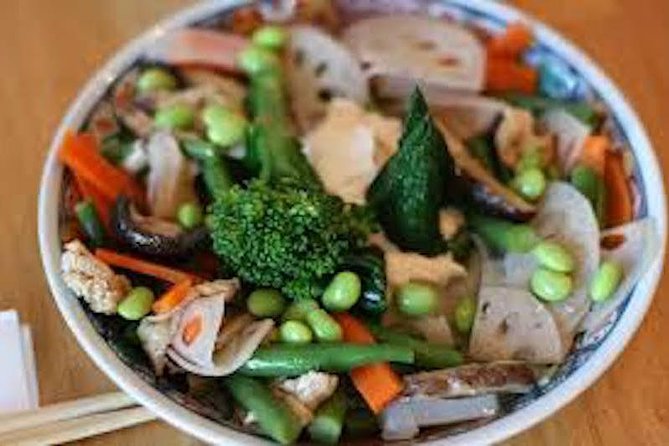
At $161.08 per person for about 3 hours, this isn’t a budget street-food shuffle. But it’s also not overpriced for what you’re getting, because the experience bundles several things that usually cost extra when you do them alone: guided market browsing, restaurant tastings, snacks, and bottled water, plus temple entry time and interpretation.
The value math for me is simple: you’re paying for convenience and context. Without a guide, you’d have to figure out where to eat vegetarian dishes reliably, then chase ingredient explanations on your own. Here, the guide does the sorting, and you eat as you go.
Also, the small-group cap (max 10 travelers) helps justify the price. This isn’t a huge group marching through shops; it’s structured enough to feel interactive.
If you’re traveling with a mix of food interests, this can be a strong choice too, because the route isn’t just one cuisine. You get multiple styles—Chinese Buddhist, Japanese, Indian—so the tasting variety stays interesting even if you don’t love every single dish.
Who this tour suits best in Singapore
This is a great fit if you:
- want vegetarian and vegan-friendly eating with less guesswork
- like learning why food traditions exist, not only what to order
- enjoy markets, ingredient shops, and learning how dishes get built
- prefer small groups where questions don’t get lost
It may be less ideal if:
- you prefer lighter tastings and hate being full
- you want only restaurant meals with no shopping/market time
- you’re only interested in one cuisine and don’t care about religious context
Tips before you go (so the experience feels smooth)
A few practical things that help you enjoy the tour more:
- Eat lightly before the start time, because tastings can add up quickly.
- If you have dietary restrictions beyond vegetarianism, mention them at booking so your guide can adapt.
- Wear comfortable shoes. You’ll be walking through neighborhoods and shops around Tekka.
- Bring a curious mindset. This tour is set up for ingredient curiosity, not just hunger.
Should you book this Vegetarian Culinary Adventure in Singapore?
If you want a guided, vegetarian-first way to understand Singapore’s food culture, I’d book it. The combination of ingredient shopping, multiple cuisine tastings, and Buddhist plus Hindu temple context makes it feel like more than a food stop list.
It’s also a strong pick for people who want value beyond the price tag: you’re paying for explanations that connect flavors to culture, plus a format that keeps you eating from start to finish. Just go prepared for a full morning, and you’ll likely love the way it changes how you see vegetarian cooking in Singapore.
FAQ
What’s the duration of the Vegetarian Culinary Adventure in Singapore?
The tour lasts about 3 hours.
How much does the tour cost?
The price is $161.08 per person.
Where does the tour start and what time does it begin?
It starts at Tekka Centre (665 Buffalo Road / Zhujiao Centre, Tekka, Market) and begins at 10:00 am.
Where does the tour end?
It ends at 190 Middle Rd, Singapore 188979.
How many people are in the group?
The maximum group size is 10 travelers.
Is breakfast and food included?
Yes. Breakfast and food samples are included, along with snacks, bottled water, and food and drinks tasting.
Does the tour visit temples?
Yes. You’ll visit Buddhist and Hindu temples and learn about religion-based vegetarianism.
Is the tour suitable for vegans and vegetarians?
The tour is designed for vegetarian cuisine, with some stops offering vegan options. You should still advise your dietary needs at booking.
What’s the minimum age?
The minimum age is 7 years.
Is there free cancellation?
Yes. You can cancel up to 24 hours in advance for a full refund. If you cancel less than 24 hours before the start time, the amount paid is not refunded.
Hawker Stalls Left on the List
Fresh Reviews from the Little Red Dot
- Night Safari Tickets with Tram Ride
★ 4.5 · 3 reviews - Singapore: Architecture and Food Tour with Tastings
★ 5.0 · 3 reviews - Singapore Private Full-Day Sightseeing Tour
★ 5.0 · 3 reviews - Private Chinatown Heritage Tour with Best 8 Local Tastings
★ 5.0 · 3 reviews
Hawker & Street Food Tours, compared.
 ★ 5.0Small Group: Michelin and Local Hawker Food Tour with 9 tastingsFrom $791,890 reviews
 ★ 5.0Small Group: Singapore Street Food & Night Tour with 9 tastingsFrom $791,240 reviews
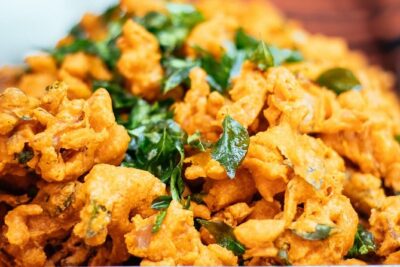 ★ 4.5The Award-Winning PRIVATE Food Tour: 10 Tastings of 3 CulturesFrom $1521,017 reviews
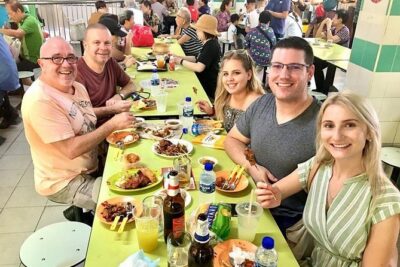 ★ 5.0Chinese, Indian & Arabic Quarters, Culture & Food TourFrom $148789 reviews
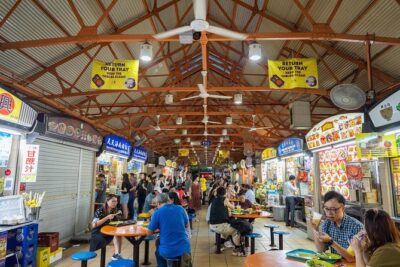 ★ 5.0UNESCO Street Food & Cultural ExperienceFrom $161524 reviews
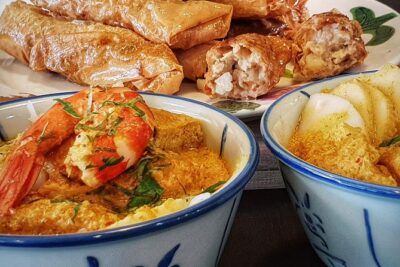 ★ 5.0Singapore Market to Table Culinary Experience (Wet Market Tour included)From $112479 reviews
 ★ 5.0Small-Group Food Tour With Hawker Center: Eat Like A LocalFrom $161420 reviews
 ★ 5.0Singapore Private Food, Culture and Heritage Tour with 9 tastingsFrom $185394 reviews
Browse the lists this tour appears in