
Reviewed · HISTORY & WARTIME TRAILS
Disappearing Trades
Three disappearing trades in one morning. This private 4-hour loop across Singapore is built around crafts that are slowly vanishing, so you get the stories behind disappearing trades while you’re actually standing where they were made. You’ll also taste your way through the morning, with stops designed for learning you can’t pick up from a street-corner guidebook.
I love the food side of it. You’ll sample kopi O in Bedok, and you’ll also try freshly made bread at the final stop, so the tour isn’t just watch-and-walk. I also appreciated Stefan as a guide—he was quick with clear answers and stayed focused on your questions, which matters a lot on a private tour.
One thing to consider: the visits are short. Expect roughly 30 to 45 minutes per stop, so it’s not a slow, all-afternoon workshop; it’s a smart, well-paced introduction to three trades.
In This Review
- Key highlights you’ll remember
- Why these disappearing trades are worth your time
- Getting the most from the 9:00 am start at Pagoda Street
- The route and the rhythm: walk in Chinatown, ride between trades
- Stop 1 in Chinatown: sachima and fermented biscuits
- Stop 2 in Bedok: a coffee roasting factory and kopi O tasting
- Stop 3 in Ang Mo Kio: paper houses and ancestor offerings
- Stop 4 at Paya Lebar Road Park: bread the old-fashioned way
- What makes it special: private guiding with Stefan
- Food sampling as a learning tool, not just a bonus
- Price and value: is $112 worth it?
- Who should book this private disappearing-trades tour
- Should you book Disappearing Trades?
- FAQ
- How long is the Disappearing Trades tour?
- Where does the tour start and end?
- Is this a private tour?
- What are the main stops during the morning?
- Do we get to sample anything?
- Do I need good weather?
Key highlights you’ll remember
- Chinatown snacks with history: Sachima (a granola-bar type handmade Asian snack) plus fermented biscuits
- Bedok kopi roasting: learn the roasting techniques and taste black coffee, kopi O
- Ang Mo Kio paper houses: hear directly from a paper-house master about ancestor offerings
- Paya Lebar Road Park bread lesson: learn how bread was made the old fashioned way, with bread included
- Private, Q-and-A friendly guiding: one guide for just your group, with real answers from Stefan
Why these disappearing trades are worth your time
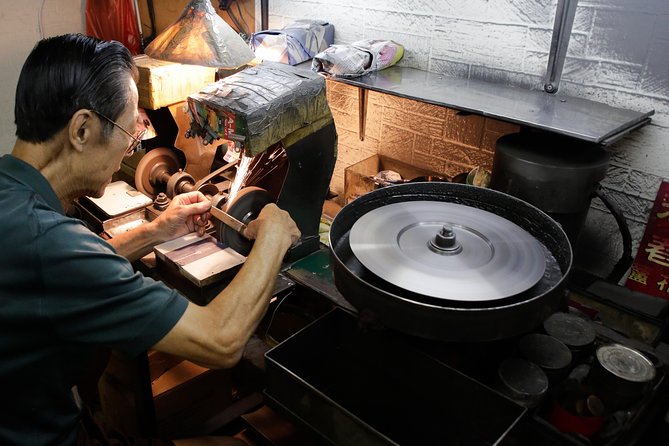
Singapore changes fast, and a lot of traditional know-how goes with it. This tour is built around trades that are slowly fading, which turns each stop into more than sightseeing. You’re not just collecting photos; you’re learning how people once made everyday items—snacks, coffee, and ritual paper—and why that knowledge matters.
I like the way the tour connects culture to daily life. Coffee, bread, and food snacks aren’t “extra”; they’re part of routines. When you learn the process and the reason behind it, the city feels less like a set of landmarks and more like a place with living traditions (even if some are under pressure).
You also get a rare kind of context. Instead of a general talk from far away, you hear specific explanations at each stop, in the middle of the action. That’s the difference between reading about a craft later and understanding it on location.
Getting the most from the 9:00 am start at Pagoda Street
Your morning begins at 69 Pagoda St, Singapore 059228, with the tour starting at 9:00 am. The whole experience runs about 4 hours, and it loops back to the same meeting point when you’re done. That timing is ideal if you want one focused activity in the morning and then keep your afternoon free.
The format also helps. This is a private tour, so you’re not stuck waiting for a big group to finish every photo. Plus, based on how the route is described, you’ll combine walking with rides in a small air-conditioned bus, which makes neighborhood-hopping easier without turning the day into a nonstop commute.
One practical note: the tour requires good weather. If weather is bad, you’ll be offered a different date or a full refund, so keep an eye on the forecast for your booking day. For comfort, bring light layers; mornings can be warm, and you’ll be moving between indoor and outdoor sections.
Further back into the island story, war years included
The route and the rhythm: walk in Chinatown, ride between trades
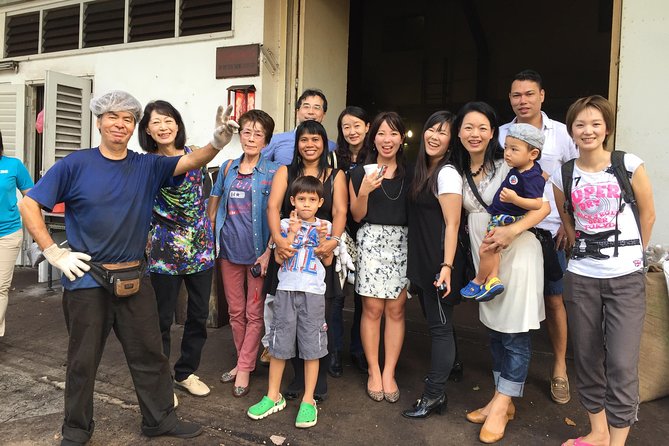
The day is designed like this: you start in Chinatown, head to Bedok for coffee, move to Ang Mo Kio for paper craft, then end with bread at Paya Lebar Road Park. The neighborhoods are different enough that you’ll feel the “Singapore variety” in a single morning, not just one tight bubble.
In Chinatown, you’ll do more on-foot time, which also helps you later. After you’ve walked the area with a guide, you usually get your bearings fast for your own exploring. Then you switch to the bus for the longer hops, so you’re not spending most of your energy on transit.
The stop lengths keep the pace lively. You’ll spend around 30 to 45 minutes at each place, which is long enough to get real explanations and short enough to stay fresh. It’s the right structure for trades that you might otherwise only glimpse from the sidewalk.
Stop 1 in Chinatown: sachima and fermented biscuits
Chinatown is where the morning gets grounded in everyday food. Your first stop is built around Sachima—described as a granola-bar type of handmade Asian snack—plus fermented biscuits. Even if you’ve seen similar items in stores, this is the chance to understand what makes them special and why they’re tied to older shop methods.
The best part of this stop is the direct connection between craft and taste. You’re not just learning theory; you’re in the food environment where the snack culture makes sense. And since this stop is around 45 minutes, you have time to ask the “why” questions that usually pop up once you start paying attention.
A small consideration: if you’re the type who wants hands-on cooking the whole time, this first segment may feel more like learning and tasting than producing. Still, it’s a strong way to start because it prepares you to spot details later—textures, ingredients, and the idea that simple snacks can have complex craft behind them.
Stop 2 in Bedok: a coffee roasting factory and kopi O tasting
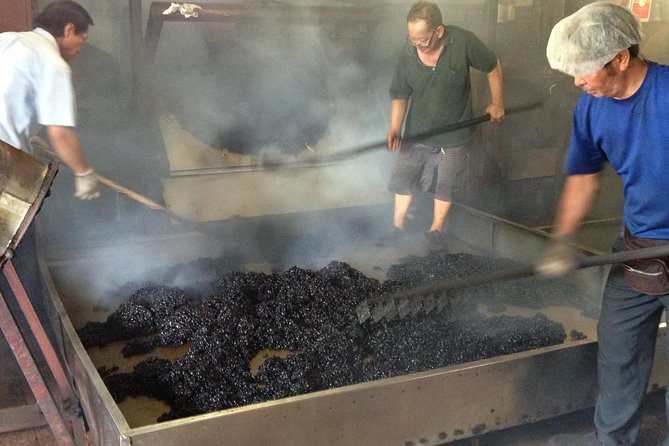
Next comes coffee, and specifically the local kopi world. In Bedok, you visit a coffee roasting factory to learn the tricks of the trade—roasting techniques and what happens before the coffee hits your cup. This is one of those topics where a guide changes everything, because you can’t really see the reasoning just by watching a machine.
You’ll also sample kopi ‘O’, which is black coffee. That tasting matters because roasting is not just a process; it’s a flavor decision. Once you’ve heard how the roasting works, the coffee becomes a reference point you can actually remember.
This stop is about 30 minutes, so it’s focused. You’ll likely come away with the bigger picture: that kopi culture isn’t random, and that roasting technique has a real effect on what you taste. If coffee is your thing, this segment is a high-value use of time.
- Lion City Bike Tour of Singapore★ 5.0 · 6,211 reviews
- Singapore: Gardens by the Bay Bundle Entry Ticket★ 4.3 · 3,726 reviews
- Singapore: Big Bus Hop-On Hop-Off Tour by Open-Top Bus★ 4.5 · 3,261 reviews
- Singapore: Lion City Highlights Bike Tour★ 4.9 · 2,010 reviews
Stop 3 in Ang Mo Kio: paper houses and ancestor offerings
Ang Mo Kio is where the morning takes a sharp cultural turn. Here, you meet a master of paper houses and learn how Chinese prayer includes offerings to ancestors—specifically by burning paper objects as a form of respect to the afterlife. This isn’t explained as a vague tradition; you get it from someone who makes the items themselves.
This stop is often the emotional highlight of the day. The paper house experience tends to land well because it’s both craft and belief in one place. You’re seeing work that has purpose beyond decoration, which changes how you interpret the materials and the rituals involved.
The session is about 45 minutes, which gives enough time to understand the concept and ask questions without feeling rushed. If you’re curious about how traditions get made visible—what people choose to burn, offer, and represent—this is the stop that answers that kind of curiosity directly.
One consideration: if religious practices make you uncomfortable, you might feel awkward in a ritual-focused workshop setting. The good news is that the tour frames it as an explanation of how the process works and what it means, rather than pushing you to participate.
Stop 4 at Paya Lebar Road Park: bread the old-fashioned way
The final stop returns to something tangible and comforting: bread. At Paya Lebar Road Park, you learn how bread was made the old fashioned way, with the bread element included. This is a nice wrap-up because it brings the morning full circle to daily food—like the coffee and snacks earlier—but with a different kind of craft skill.
Bread is also a great topic because people can taste it with immediate results. When you learn how the process used to be done, you’ll start noticing how technique affects texture and flavor. And since the bread is included, you’re not just hearing about tradition—you’re eating it.
This stop is about 45 minutes. It’s long enough to cover the method and still end at a comfortable pace, rather than rushing out for your next plans. If you like food that tastes like it has a story, this stop is worth sticking the landing.
What makes it special: private guiding with Stefan
A tour like this lives or dies on the guide. Here, it works because the experience is private, so your guide can keep the explanations tight and answer what’s on your mind. I found that matters a lot with crafts—because the questions aren’t always simple. You might want to know how techniques survive, how tastes differ, or why certain practices fade.
Stefan’s role stands out in the way he handled questions. He stayed responsive and kept the flow moving, without turning the morning into a monologue. That’s the kind of guiding style that makes a short tour feel longer in value.
Private also means you set the pace. You can linger on a detail you care about, then move on without feeling like you’re slowing a group. If you’re the type who likes to ask lots of “how is that made” questions, you’ll get room for that here.
Food sampling as a learning tool, not just a bonus
Sampling isn’t just a perk in this tour. It’s part of how the information sticks. When you taste kopi O after hearing about roasting techniques, the drink becomes a memory anchor. Same idea at the bread stop: once you’ve learned how bread used to be made, the taste helps you understand what was being controlled and why.
Even the snack-focused start in Chinatown works this way. Sachima and fermented biscuits aren’t just edible items; they’re examples of how craft shows up in what people reach for daily. You leave with flavors you can recognize again later in Singapore, and that makes independent exploring more meaningful.
For me, that’s what separates good food tours from “we walked past stuff and ate a bite.” Here, you’re eating because you’re learning how the process produces the result.
Price and value: is $112 worth it?
At $112 per person for about 4 hours, this is not a bargain-basement activity. But private tours cost more because you’re buying time with a guide, not just entrance fees. And in this case, the structure is value-focused: multiple stops, specific craft explanations, and tastings.
Also, the experience includes some costs through what’s offered at each stop. You’ll see several segments with free admission tickets listed, and the bread portion at the final stop is included. Even with that said, the real value is the “three crafts, one morning” pacing—plus the fact that it’s tailored by being private.
If you love food culture, traditional making, or you want a guided route through neighborhoods you might later revisit, it’s a reasonable buy. If you only want broad city views and don’t care about crafts or tastings, it may feel narrow.
Who should book this private disappearing-trades tour
This one fits best if you like learning in place and you enjoy food and craft. It’s a great option for couples, small groups, or anyone who wants the feeling of a local lesson rather than a checklist.
You’ll probably enjoy it most if you:
- want to understand everyday Singapore foods like kopi and bread beyond marketing
- enjoy cultural practices explained by people who make the items
- like walking in Chinatown but also appreciate short rides in an air-conditioned bus between neighborhoods
It’s less ideal if you want long workshops, heavy hands-on making, or a slow museum-style pace.
Should you book Disappearing Trades?
I think this is a strong booking choice when you want meaning, not just motion. The combination of three fading crafts, tastings, and private guiding with Stefan makes the morning feel purposeful. The short stop lengths also keep you from getting bored, while still giving you enough time to ask questions that turn information into understanding.
Book it if you care about how everyday items get made and you like the idea of seeing practices before they vanish. If your ideal tour is all-day hands-on making, or you dislike anything religious or ritual-related, you may want to skip this one.
FAQ
How long is the Disappearing Trades tour?
The tour lasts about 4 hours.
Where does the tour start and end?
It starts at 69 Pagoda St, Singapore 059228, and ends back at the same meeting point.
Is this a private tour?
Yes. It’s a private tour/activity, and only your group participates.
What are the main stops during the morning?
You’ll visit Chinatown, Bedok, Ang Mo Kio, and then finish at Paya Lebar Road Park.
Do we get to sample anything?
Yes. You’ll sample kopi ‘O’ (black coffee) at the coffee roasting stop, and bread is included at the final stop.
Do I need good weather?
Yes. The experience requires good weather. If it’s canceled due to poor weather, you’ll be offered another date or a full refund.
Old Singapore, Retold

Fresh Reviews from the Little Red Dot
- Night Safari Tickets with Tram Ride
★ 4.5 · 3 reviews - Singapore: Architecture and Food Tour with Tastings
★ 5.0 · 3 reviews - Singapore Private Full-Day Sightseeing Tour
★ 5.0 · 3 reviews - Private Chinatown Heritage Tour with Best 8 Local Tastings
★ 5.0 · 3 reviews
History & Wartime Trails, compared.
 ★ 5.0Historical Singapore Bike Tour on Full-Sized BicyclesFrom $641,421 reviews
 ★ 3.5Nightout at Colonial Charms of the CityFrom $135733 reviews
 ★ 4.8Historical Half-Day Bike TourFrom $63399 reviews
 ★ 5.0Singapore Private Food, Culture and Heritage Tour with 9 tastingsFrom $185394 reviews
 ★ 5.0Singapore Group History & Culture Walking TourFrom $126160 reviews
 ★ 5.0Chinatown Historic Walking Tour with LunchFrom $54134 reviews
 ★ 5.0Of Graves, Guns & Battles™: A Tour of Fort Canning HillFrom $79106 reviews
 ★ 5.0Splendour of Colonial Singapore Walking Tour with LunchFrom $4982 reviews
Browse the lists this tour appears in