
Reviewed · KATONG & PERANAKAN HERITAGE TOURS
Peranakan Cooking Class in Singapore, near Lavender MRT Station
Peranakan cooking turns Singapore’s mixed cultures into something you can taste. In this near-Lavender MRT class, you learn a few classic Nyonya dishes in a private studio, then sit down to eat what you made. I like the hands-on pace and the fact that the chef explains the why behind the flavors, not just the steps. I also like that you can usually shape the menu to your preferences. One thing to consider: the menu is seasonal, and Colin isn’t always available, so your dishes may shift.
What makes it work well for me is the format. You get a private group class (just your group), plus a professional host—often Colin—running a well-organized setup inside a bicycle tour shop. The result feels local, not staged, and it’s the kind of activity that gets you talking about food and Singapore’s cultural mix while you cook.
If you’re chasing one specific dish (like Nyonya laksa), plan ahead. The experience can be private with the chef you want, but menus can change, so you’ll want to request your top pick during booking to avoid disappointment.
In This Review
- Key things you should know before you book
- Peranakan food: the Singapore fusion you can cook
- Finding the cooking studio near Lavender MRT (and the bicycle-shop setting)
- Chef Colin, or the colleague who steps in
- The 3-hour flow: hands-on cooking, then lunch you actually made
- Dishes you might make: from ngoh hiang to kueh dadar
- Menu reality check: seasonal choices and requesting Nyonya laksa
- What you learn beyond recipes (and why it sticks)
- Value for money: $128 for a private class that includes lunch
- Who this class is best for
- Practical tips so you enjoy the whole day
- Should you book the Peranakan cooking class near Lavender?
- FAQ
- Where is the cooking class located?
- What time does the class start?
- How long is the experience?
- Is this class private?
- Who hosts the class?
- What dishes will I cook?
- Does the class include lunch?
- Is dietary accommodation available?
Key things you should know before you book
- Private studio format: just your group, with a professional chef guiding you through 2–3 dishes.
- Chef Colin is common, not guaranteed: when he’s unavailable, his colleagues host instead.
- Seasonal menu choices: you may not get the exact same dish lineup every day.
- Hands-on cooking time: you’ll do real prep and cooking, not just watch demonstrations.
- Lunch included with your results: you eat what you help make together in the class setting.
- Studio location inside a bicycle tour shop: you’ll pass through bikes before entering the cooking room.
Peranakan food: the Singapore fusion you can cook
Peranakan cuisine is Singaporean comfort food with a story baked in. It blends Malay and Chinese cooking styles into the kind of flavors you remember—spices, aromatic pastes, herbs, and that signature Nyonya vibe. In a normal restaurant meal, you taste the result. In a cooking class like this, you understand the building blocks.
The best part is that you’re not stuck with one single dish. You’re learning how Peranakan cooking works across different formats: crispy rolls, noodle dishes, and sweet-savory crepes. That variety helps you spot how the cuisine balances fragrance and richness without feeling heavy.
And because the menu can include both classics and lighter options, you can usually find something that fits your tastes. Vegetarian and gluten-free options are available on request, which matters if you’re not traveling with a flexible diet.
Finding the cooking studio near Lavender MRT (and the bicycle-shop setting)
The meeting point is Crawford Lane, and the activity runs from 10:00 am. What’s distinctive here is the location: the cooking studio sits inside a bicycle tour shop. Expect to walk through the shop area with bicycles before you head into the dedicated cooking space.
Once you’re in, the studio is described as well-lit and perfectly organized. You’ll see a colorful setup—pastel pots and a mural—so it feels less like a kitchen classroom and more like a friendly workspace. For me, that matters because a comfortable cooking environment keeps the class flowing. Less fuss means you spend more time actually cooking.
Practical note: there’s no hotel pickup or drop-off listed. So you’ll want to plan your own route to Crawford Lane (easy enough if you’re already using MRT connections in the city center).
Deeper into Katong tiles and Peranakan kitchens
Chef Colin, or the colleague who steps in
This class is hosted by Colin when he’s available. When he’s not, his colleague hosts the lesson, and the experience is still run by someone passionate about the food. Based on the information provided, Denise is specifically mentioned as a backup host.
That matters for two reasons. First, the class experience depends on the host’s explanation style—how they break down technique and how they talk through the culture behind the dishes. Second, if you’re booking with a strong preference for Colin and certain dishes, it’s smart to double-check your request goes in with your booking.
In the positive notes tied to this experience, Colin is described as warm and welcoming, with useful tips. There’s also mention of time for conversation about local history, which is a bonus if you like learning while you cook. If Colin isn’t there, your class still has the same core goal: hands-on cooking and lunch together.
The 3-hour flow: hands-on cooking, then lunch you actually made
The total duration is about 3 hours. Within that window, the hands-on class time is around 1.5 hours. The rest of the time is tied to your meal and the natural rhythm of arriving, getting briefed, cooking, and eating.
Here’s how it typically feels:
You start with setup and instructions from your host. Then the chef demonstrates key steps, and you take over for much of the work. That balance is important: you get the safety and clarity of a demo, but you’re not just standing around.
The class focuses on cooking 2-3 Singaporean dishes depending on the menu that day and your requests. Examples listed for what you might cook include:
- Hainanese chicken rice
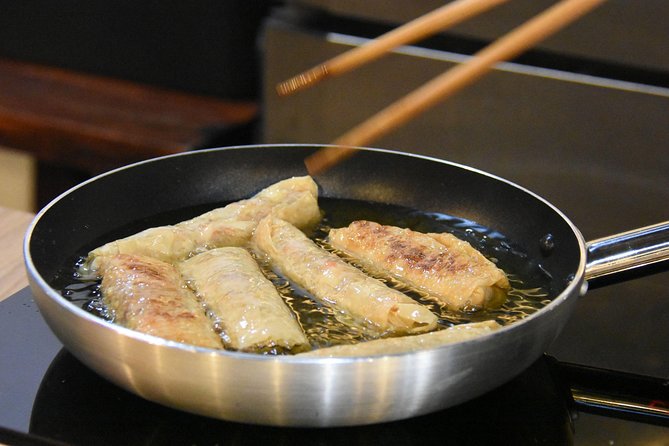
- Ngoh hiang (minced meat and vegetables wrapped in bean curd)
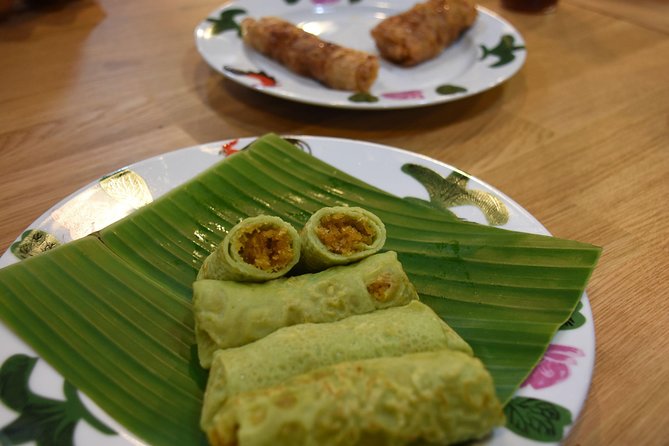
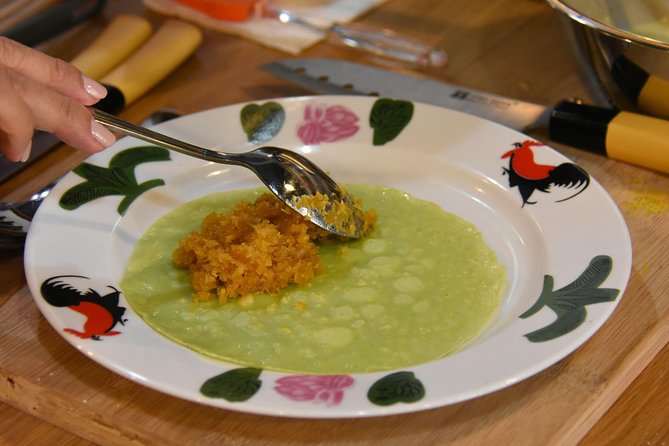
- Nyonya kueh dadar (a pandan crepe with freshly grated coconut)
Because you’re cooking multiple items, you learn different techniques: rolling and filling, managing textures, and handling flavors that get built in stages.
Finally, you eat what you made with your host for lunch. This part is more than a meal after the class. It helps you taste your food while the host can still answer questions—why something worked, what to tweak next time, and how the flavors relate to Peranakan culture.
Dishes you might make: from ngoh hiang to kueh dadar
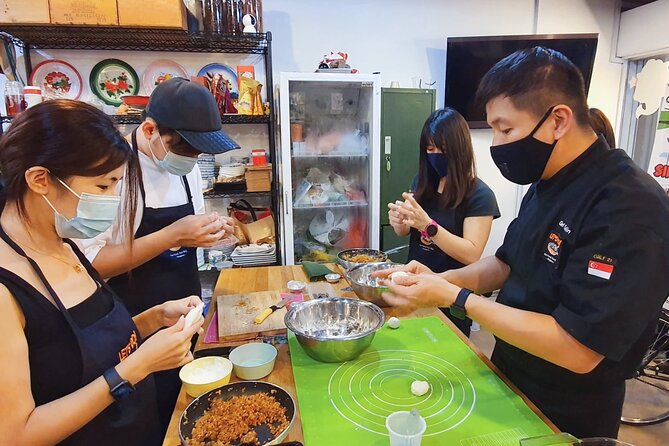
One of the reasons I’d pick a Peranakan class over a generic cooking workshop is the mix of savory and sweet. The dishes named here show that range clearly.
Ngoh hiang is a great example of how Peranakan cooking can be both detailed and satisfying. It includes a filling—minced meat and vegetables—wrapped in bean curd. You get practice with stuffing and wrapping, and you taste the payoff in the final crisp result.
Nyonya kueh dadar brings the fragrant pandan side. A crepe flavored with pandan gets filled with freshly grated coconut, which means you’re dealing with both aroma and texture. It’s the kind of dish that helps you understand why Nyonya flavors feel distinct: they’re not just about spice, but about scent and balance.
Hainanese chicken rice may sound less Peranakan than Nyonya desserts and snacks, but it fits the broader Singaporean food education angle. It gives you a savory anchor dish in a class that otherwise highlights Peranakan identity through rolls and cakes.
The big value here is technique transfer. Once you know the steps for a filling and wrapping, or a crepe and filling, you’ll be able to recognize similar methods in other Southeast Asian cuisines—so the class keeps paying off after the trip.
From wet market to wok, more sessions
- Experience Singapore: Cultural Cooking Class★ 5.0 · 1,514 reviews
- Singapore Market to Table Culinary Experience (Wet Market Tour included)★ 5.0 · 479 reviews
- Singapore: Chinatown Hawker Market Food Tour with 7 Food Tastings★ 5.0 · 213 reviews
- Singapore: Hands-on Cooking Class with Cultural Immersion★ 4.9 · 107 reviews
Menu reality check: seasonal choices and requesting Nyonya laksa
This is the one area where you should manage expectations. The menu is seasonal and may vary. Also, if Colin isn’t available, the menu might be different based on what the substitute host chooses.
So if there’s a dish you care about most—Nyonya laksa is specifically called out as an example—include it in the booking form request. The class description says the menu is flexible, but your request has to be communicated in advance so your host can plan.
Why this matters: Peranakan cuisine has signature dishes, and some of them are hard to replace once you’ve decided what you want to learn. Even if the class is still fun without that exact dish, chasing a specific learning goal works best when your top pick is on the plan.
A good compromise approach: pick one must-have dish, then also stay open to one or two other dishes if the menu changes. That way you won’t feel like the class turned into a “wrong menu lottery.”
What you learn beyond recipes (and why it sticks)
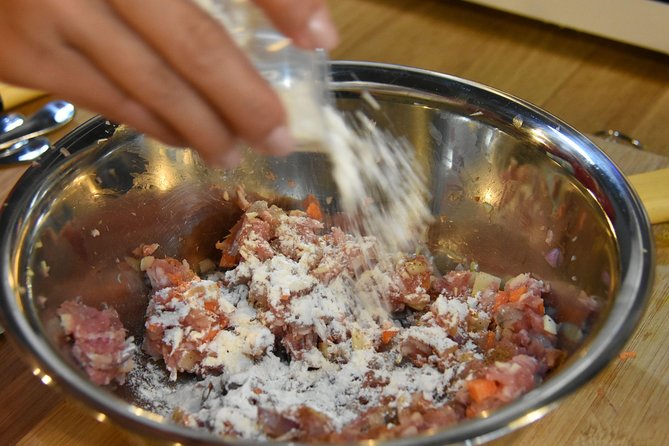
The class isn’t just about how to cook. It’s also about what shapes the food—how Malay and Chinese influences mix into Peranakan identity. In the positive feedback, Colin is described as talking about culture and the history of the food while teaching. Even when the class focuses on technique, those explanations help your brain organize flavors and ingredients.
That’s why cooking classes often beat simple tastings. You can remember dishes more easily when you understand the method, not just the outcome. Here, the host-led culture bits help you connect each dish to a bigger Singapore story.
You’ll also pick up practical kitchen tips while you’re cooking. The mention of “many useful tips” is a big clue: this class likely spends time on small adjustments—how to handle dough or filling, how to manage heat, and how to get the right texture rather than just following a loose recipe.
Value for money: $128 for a private class that includes lunch
At $128 per person for about 3 hours, you’re not paying budget-cooking-school prices. You’re paying for three things:
1) a private class setup (your group only)
2) a professional host teaching 2-3 dishes hands-on
3) the lunch you eat is part of the experience
If you compare it to a cooking class where you only watch, or where you pay for ingredients separately, the inclusion of lunch can make the cost feel more reasonable. You’re paying for instruction and time, not just for food.
It’s also relevant that a lot of people book about a month in advance (around 39 days on average). That’s a hint that the class is in demand, likely because it’s an easy way to do something genuinely local without committing to a full-day tour.
My value take: if you enjoy cooking, want real technique, and like Peranakan flavors, this is a strong spend. If you’re mainly food-tasting and not interested in hands-on work, you might find other activities cheaper.
Who this class is best for
This experience is a good match if you:
- Want a hands-on Singapore food activity, not just a meal
- Like Peranakan cuisine (or want to try it with structure)
- Prefer a private setting with a chef who can answer questions
- Travel with dietary needs like vegetarian or gluten-free (request it in advance)
It’s also ideal for couples or friends who want a shared experience that isn’t just shopping or museum time. Cooking together creates an easy flow for conversation, especially if the host shares cultural context while you work.
Practical tips so you enjoy the whole day
A few small moves can make this go smoother:
- Decide your top 1-2 dish priorities before booking. Then put them in your booking form request so the host can plan around them.
- Plan to arrive with a reasonable appetite. Lunch is included, and the class format is designed so you cook and eat within the same session.
- Bring a mindset that expects learning more than just eating. The class is built around you doing the steps.
- If you’re sensitive to dietary restrictions, request vegetarian and gluten-free options during booking (the class indicates they’re available on request).
Also, this is a mobile-ticket experience with confirmation typically received within 48 hours of booking, subject to availability. So don’t rely on last-minute schedule changes.
Should you book the Peranakan cooking class near Lavender?
I’d book it if you want one memorable Singapore meal that you also learn to recreate. The private studio setup, the hands-on format, and the chance to cook recognizable classics like ngoh hiang and Nyonya kueh dadar make it a high-return activity—especially if you like food that mixes cultures in a way you can taste.
Hold off or book with extra care if you have one very specific dish you need to learn, because the menu is seasonal and hosts can vary when Colin isn’t available. If you put your request in at booking time, your odds improve a lot.
For most people who enjoy cooking and want an authentic Singapore flavor lesson, this is a solid choice.
FAQ
Where is the cooking class located?
The meeting start point is Crawford Lane, Singapore. The cooking studio is inside a bicycle tour shop, and you pass through the bicycles before entering the cooking area.
What time does the class start?
The listed start time is 10:00 am, and the experience ends back at the meeting point.
How long is the experience?
The duration is about 3 hours.
Is this class private?
Yes. It’s described as a private tour/activity, so only your group participates.
Who hosts the class?
Colin hosts the experience when he’s available. If he isn’t available, a colleague hosts the cooking lesson, and Denise is mentioned as the alternate host.
What dishes will I cook?
You’ll prepare 2-3 traditional dishes. The menu is seasonal and may vary, but examples include Hainanese chicken rice, ngoh hiang, and Nyonya kueh dadar. If you want a specific dish like Nyonya laksa, you should request it in the booking form.
Does the class include lunch?
Yes. You cook the dishes and eat them with your host for lunch.
Is dietary accommodation available?
Vegetarian and gluten-free options are available on request.
Classes with Take-Homes
From Rempah to Plate
The Peranakan Side of Town
Fresh Reviews from the Little Red Dot
- Night Safari Tickets with Tram Ride
★ 4.5 · 3 reviews - Singapore: Architecture and Food Tour with Tastings
★ 5.0 · 3 reviews - Singapore Private Full-Day Sightseeing Tour
★ 5.0 · 3 reviews - Private Chinatown Heritage Tour with Best 8 Local Tastings
★ 5.0 · 3 reviews
Katong & Peranakan Heritage Tours, compared.
 ★ 5.0Eat Snap Katong Walking Food TourFrom $76174 reviews
 ★ 5.0The Peranakan Mansion – Experience Singapore’s Unique CultureFrom $30117 reviews
 ★ 4.5Katong Evening Food TourFrom $10341 reviews
 ★ 4.9Food and Bike Tour: Katong DistrictFrom $9438 reviews
 ★ 5.0Katong Local Food and City Highlights TourFrom $7518 reviews
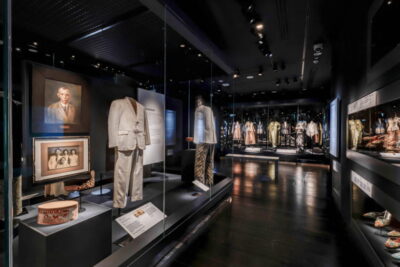 ★ 4.9Peranakan Museum Admission TicketFrom $611 reviews
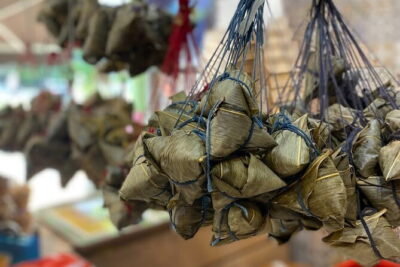 ★ 5.0Best Ever Katong Food Tour with Local Foodie – PRIVATE TOURFrom $954 reviews
Browse the lists this tour appears in