
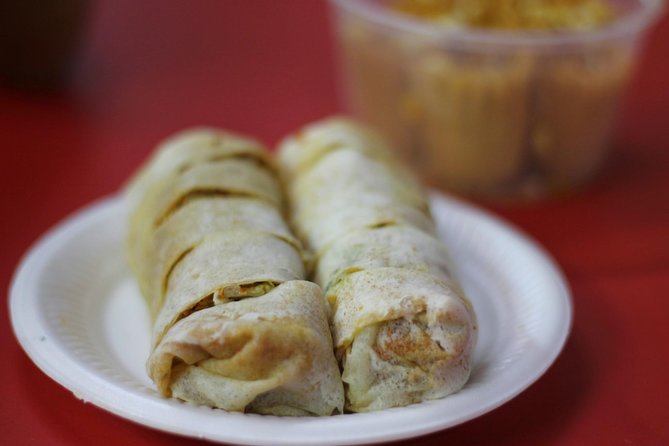
Reviewed · CHINATOWN TOURS & TASTINGS
Singapore’s Chinatown “Off The Beaten Track” Foodie Tour
Chinatown bites hit fast. This small-group food tour turns Singapore’s Chinatown into a guided sampler, with stops that cover a wet market, a hawker center, a Zen tea ceremony, and a Chinese delicacy shop. Guides like Angel and Kim (and sometimes Jan) are known for pairing food with stories that make the neighborhood feel easier to navigate on your own next day.
What I like most is how practical it feels. You get real ingredient education at the wet market, then you also slow down for a Zen tea ceremony instead of racing through snacks like a checklist. That combo helps you understand why flavors work, not just what you’re tasting.
One thing to consider: with only about 3 hours, you will try a lot, but you will not linger long at any one stall. It’s also a walking route in a busy area, so comfy shoes matter, and if you have dietary needs, you should flag them when you book.
In This Review
- Key things to watch for
- Meeting at 62 Smith Street: a route that gets you oriented fast
- Wet Market 101: spices, herbs, seafood, and how to shop like a local
- Breakfast snack and the Hawker center plan: ordering help that saves time
- Zen tea ceremony: a calm pause that changes how you taste
- Chinese delicacy store: banquet ingredients and traditional medicine herbs
- Dessert finale: shaved ice and Southeast Asian fruit
- Price and value: why $137.19 can be fair (or not)
- Who should book this Chinatown foodie tour
- Should you book this tour?
- FAQ
- How long is the Singapore’s Chinatown Off The Beaten Track Foodie Tour?
- Where does the tour start?
- What’s included in the price?
- What time does the tour begin?
- How big is the group?
- Can the tour accommodate dietary requirements?
Key things to watch for
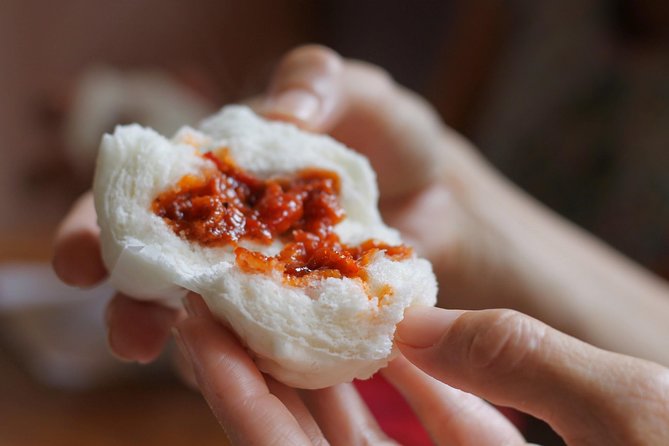
- Small-group pacing (up to 10): you should get more than one-way instructions and can ask follow-up questions
- Wet market ingredient focus: spices, herbs, seafood, and other items you might not know how to shop for
- Hawker center tastings: guidance on how to order and what to look for in classic Singapore dishes
- Zen tea ceremony stop: a slower, more thoughtful break that adds context to the meal culture
- Chinese specialty store visit: a look at banquet ingredients and herbs tied to traditional Chinese medicine
- Dessert finale: shaved ice with Southeast Asian fruits, a satisfying way to close the tour
Meeting at 62 Smith Street: a route that gets you oriented fast
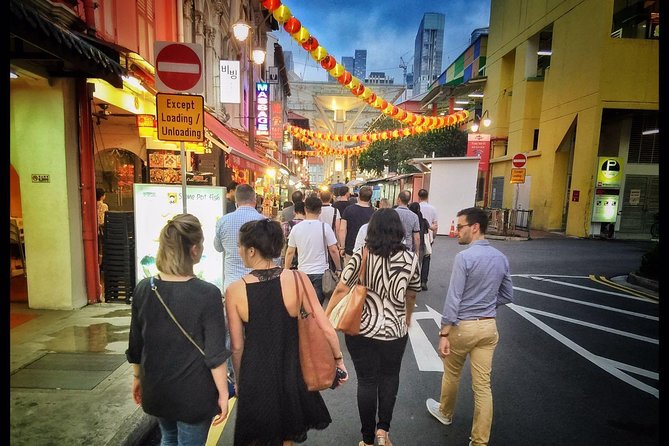
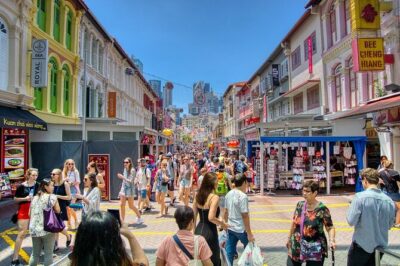
This tour starts at 62 Smith St in Chinatown (9:30am), and it finishes back at the same meeting point. That simple loop matters because Chinatown can feel like a maze on day one. You’re not just eating your way around; you’re also learning how the neighborhood pieces connect—market to hawker center to teahouse.
The group size cap is 10 travelers, which keeps the energy friendly and helps the guide manage ordering and movement through crowded lanes. For me, that’s the real value. In places like Singapore’s food scene, the difference between a good meal and a great one is often knowing where to go and what to ask for. A guide helps you avoid the common trap of standing in the wrong line or ordering something that misses your expectations.
Also, you’re built to arrive hungry. The schedule includes multiple tasting points (snacks, food, drinks, and dessert), plus bottled water and additional snacks. You won’t need to plan a full meal before you go; just make sure you can handle strong flavors and some variety.
Wet Market 101: spices, herbs, seafood, and how to shop like a local
The tour kicks off with a guided walk through the wet market. This is where the experience earns its name “off the beaten track,” because it’s not only about food eating—it’s about food buying and food understanding.
You’ll learn about local ingredients like spices and herbs, plus seafood and other items that show up across Singapore’s Chinese cooking. The practical takeaway is how ingredients behave in real dishes. Even if you don’t cook, this helps when you see the same products later in a hawker bowl or a packaged snack in a shop.
What makes this stop especially useful is that it prepares you for the rest of the route. By the time you reach hawker stalls, you can start noticing patterns. For example, you may hear how certain dried goods, fresh aromatics, or spice blends are used to build flavor, not just to add heat. You also get a chance to look at products you might never pick up on your own—ingredients that are common in Chinese banquet cooking and also show up in everyday home dishes.
A small consideration: markets are active and sometimes tight. If you’re sensitive to crowds, strong smells, or fast walking, plan for patience and take it slow when you need to.
Chinatown holds more lanes than one afternoon
Breakfast snack and the Hawker center plan: ordering help that saves time
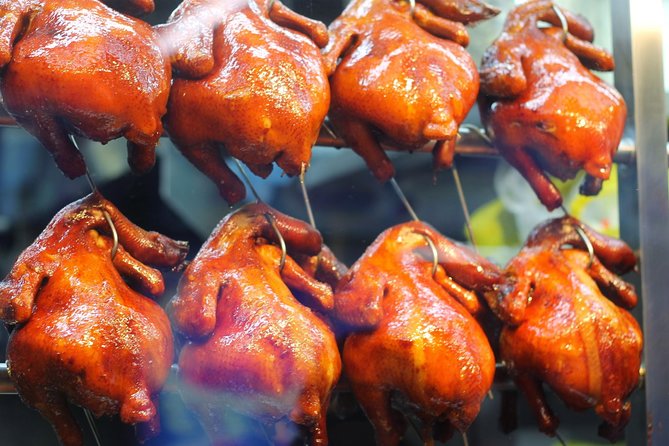
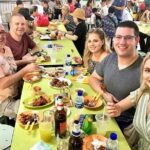
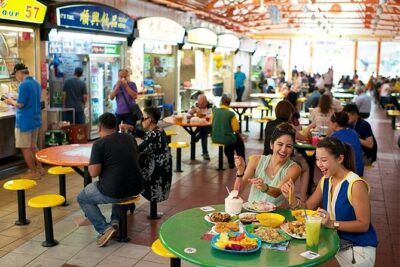
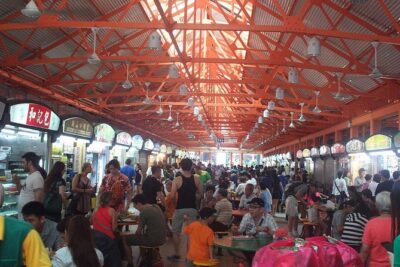
After the market, you’ll have a local breakfast snack, then the tour moves to hawker center territory for Singapore signatures. This is one of the best ways to do Chinatown food because hawker centers are where Singapore’s food culture lives—but they can be confusing if you don’t know what to look for.
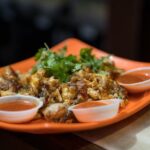
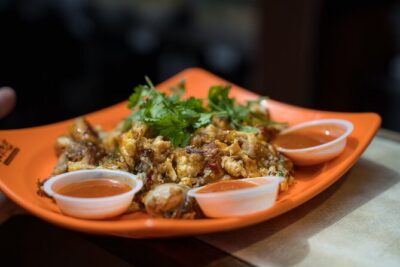
The guide helps you discover “best-of” dishes and drinks, with directions on where you can find things like chicken rice, laksa, dumplings, popiah, and noodles dishes. You’re not left to guess stall-to-stall. You get a guided sampling approach that works well if you want variety without spending half your morning searching.
One detail I love here is the way the guide uses food as a map. In a place like Chinatown, food is tied to neighborhood history and migration patterns, but you don’t need a lecture. You just need clear explanations that connect the dish to ingredients and everyday choices. That’s what makes hawker tastings on a tour feel different from eating randomly.
If you’re open to it, you may also be offered durian at some point. The tone around it matters: the goal is to make it less scary and more understandable, with a taste that’s actually part of the regional flavor story rather than a dare.
Zen tea ceremony: a calm pause that changes how you taste
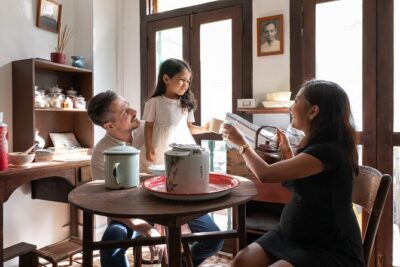
Then comes the tea stop, a traditional tea house with a Zen appreciation. This is not just a free drink. The point is to slow down and pay attention—how tea is served, how it smells, and how it fits into a meal rhythm.
Why this matters for you: after market and hawker food, your palate can get overloaded with sweet, salty, fried, and spicy at once. Tea can act like a reset. Even if you don’t become a tea expert, you’ll leave with a better sense of how tea culture supports food culture.
It also adds something rare in food tours. Many tours race from bite to bite. This one builds in a quieter moment, which makes the whole experience feel more balanced and less like a sugar-and-fat marathon.
Practical note: if you’re the type who hates sitting still, don’t worry—it’s still part of the tour experience, just structured differently. Think of it as a break where you learn what to notice, not a lecture that drags on.
Chinese delicacy store: banquet ingredients and traditional medicine herbs
Next you’ll visit a Chinese specialty store geared toward ingredients for banquets and Chinese medicine herbs. This stop is where the tour turns from eating to understanding the supply chain of flavor.
You’ll see herbs used for traditional Chinese medicine and ingredients that connect to banquet-style cooking. Even if you’re not shopping, the value is in learning what these products are and how they’re used. It’s a different kind of food education than recipes—it’s the ingredient-level logic behind why some flavors feel deep and long-lasting.
A big benefit for first-timers: you start recognizing categories of goods. Later, if you pass by a shop selling similar items, you’re not staring at mystery jars. You know why they matter and what kind of dish they support.
Just keep your expectations realistic. This isn’t about you leaving with a trunk full of herbs. It’s about giving you context so your future food choices in Singapore feel more intentional.
Still hungry? The hawker trail keeps going
- Small Group: Michelin and Local Hawker Food Tour with 9 tastings★ 5.0 · 1,890 reviews
- Small Group: Singapore Street Food & Night Tour with 9 tastings★ 5.0 · 1,240 reviews
- The Award-Winning PRIVATE Food Tour: 10 Tastings of 3 Cultures★ 4.5 · 1,017 reviews
- Singapore: Chinese, Indian & Arabic Quarters, Culture & Food Tour★ 5.0 · 789 reviews
Dessert finale: shaved ice and Southeast Asian fruit
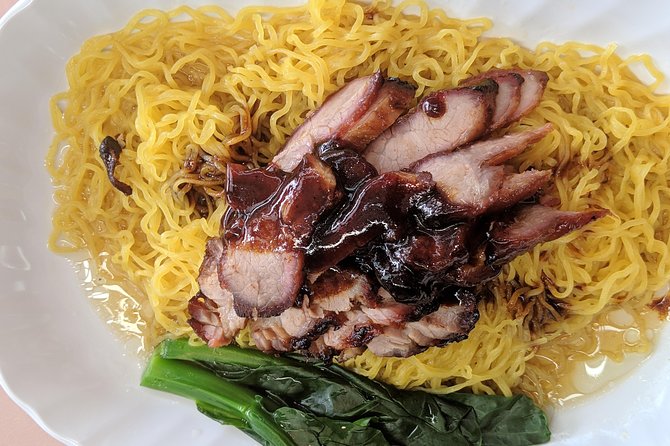
To close things out, the tour includes a dessert celebration based on shaved ice and fruits from Southeast Asia. It’s a smart finish because it balances the salt and spice you’ve likely had earlier.
Shaved ice desserts are common across Southeast Asia, and this type of final stop is a classic way to end a street-food day: cold, sweet, and refreshing. The fruit part is what makes it feel less heavy than pure sugar.
Also, this dessert section gives you a chance to recover while still staying in the tour flow. It’s the moment where you can compare notes with the group and ask the guide what else is worth trying later in the day if you still have energy.
If you’re watching sugar intake, you’ll still get to taste rather than eat a full portion. The structure is designed around sampling across the whole route.
Price and value: why $137.19 can be fair (or not)
At $137.19 per person for about 3 hours, this isn’t a cheap bite-and-run. But it also isn’t overpriced for what you get. You’re paying for guided access to multiple food settings that are hard to coordinate alone: wet market time, hawker center tastings, a Chinese delicacy store visit, and a Zen tea ceremony. Add in bottled water, snacks, and the fact that group size is capped at 10, and the value starts to make sense.
Here’s the real math from a traveler’s viewpoint: you’re buying convenience and expertise. Without a guide, you would still be able to wander Chinatown and eat. The difference is you might spend extra time searching, you might miss standout dishes, and you’d likely lose the ingredient context that makes the food feel coherent.
Also, the tour is often booked about 42 days in advance on average. That’s a useful signal. It means the date you want may not be available last-minute, so if you’re serious, you’ll want to lock it in earlier.
When might it feel less worth it? If you already have a hawker game plan, love wandering without structure, and don’t care much about tea or ingredient education, you might prefer cheaper self-guided sampling. But if it’s your first time in Chinatown (or you want a fast orientation), the guided approach can save you time and increase your satisfaction.
Who should book this Chinatown foodie tour
This fits best if you want:
- First-time orientation to Chinatown’s food scene, with a route that connects market, hawker food, and tea
- A mix of tasting and understanding, especially around ingredients and how they show up in dishes
- A small-group vibe where you can interact with the guide, not just follow behind
It may be less ideal if:
- You strongly dislike walking in busy streets or crowds
- You want a long, slow sit-down meal at one place
- You have very specific dietary requirements and tend to need lots of substitutions (the tour asks you to advise needs at booking, but the format is still sampling-heavy)
If you’re traveling with teens or want something that feels fun but not chaotic, this kind of structured tasting day is often a good fit. In general, it’s the kind of tour that leaves you with enough context to explore more on your own after.
Should you book this tour?
If you’re aiming for a well-structured Chinatown food day with more than just eating, I’d book it. The strongest reasons are the wet market ingredient learning, the hawker center tastings guided by what to look for, and the Zen tea ceremony that adds balance. The dessert finish keeps it from ending on a heavy note, and the small-group size makes the experience feel human.
If your travel style is strictly DIY and you’re already confident ordering at hawker centers, you might do fine on your own. But if you want to get your bearings fast and taste a thoughtful spread without planning every step, this one is a solid choice.
FAQ
How long is the Singapore’s Chinatown Off The Beaten Track Foodie Tour?
It lasts about 3 hours.
Where does the tour start?
The meeting point is 62 Smith St, Singapore 058964.
What’s included in the price?
Food and drinks tastings, a local guide, bottled water, and snacks are included.
What time does the tour begin?
It starts at 9:30am.
How big is the group?
The tour has a maximum of 10 travelers.
Can the tour accommodate dietary requirements?
You should advise any specific dietary requirements at time of booking. Confirmation depends on availability.
Hawker Stalls Left on the List

Chinatown, Lane by Lane

Fresh Reviews from the Little Red Dot
- Night Safari Tickets with Tram Ride
★ 4.5 · 3 reviews - Singapore: Architecture and Food Tour with Tastings
★ 5.0 · 3 reviews - Singapore Private Full-Day Sightseeing Tour
★ 5.0 · 3 reviews - Private Chinatown Heritage Tour with Best 8 Local Tastings
★ 5.0 · 3 reviews
Chinatown Tours & Tastings, compared.
 ★ 5.0Chinatown, Little India, Kampong Gelam City Highlights TourFrom $80224 reviews
 ★ 5.0Chinatown Hawker Market Food Tour with 7 Food TastingsFrom $146213 reviews
Chinatown, Little India, Arab Street Walking TourFrom $53207 reviews
★ 5.0Chinatown Hawker Market Food Tour with 7 Food TastingsFrom $146213 reviews
Chinatown, Little India, Arab Street Walking TourFrom $53207 reviews
 ★ 4.8Chinatown and Little India Guided Walking TourFrom $78190 reviews
 ★ 5.0Chinatown Historic Walking Tour with LunchFrom $54134 reviews
 ★ 5.0Chinatown Hawker Food Tasting TourFrom $8896 reviews
 ★ 4.5Kampong Glam, Little India & Chinatown with Local Street Food TastingsFrom $17770 reviews
 ★ 5.0Chinatown Heritage Centre (Admission Ticket)From $2065 reviews
Browse the lists this tour appears in