
Reviewed · CHINATOWN TOURS & TASTINGS
UNESCO Hawker Culture: Chinatown Food Tasting Tour
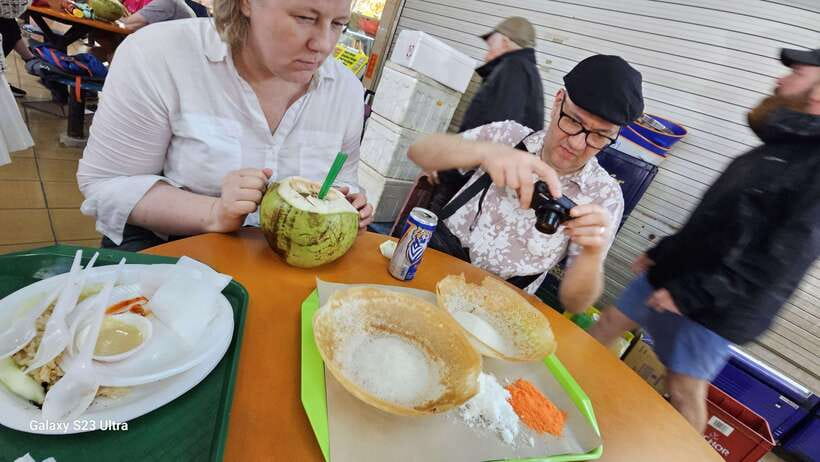
Street food becomes history when you walk. This Chinatown hawker culture tour pairs hands-on tasting with guide-led stops like Chinatown Heritage Centre and Maxwell Food Centre, with storytelling that makes the area feel personal fast. I love the way guides like Ronnie and Kent mix humour with immigration history, and I especially like that you’re guided through real hawker stalls (not just photographed at them). One thing to plan for: you’ll likely deal with short waits at popular counters since tables can’t be booked in advance.
In a tight 3 hours, you also get more than snacks. The tour’s route threads together alleys, murals, and landmarks—like Pagoda Street and Sago Lane—so you understand why each place matters, not just what to order. The Instagram-factor is real (Murals by Yip Yew Chong and photo spots around Ann Siang Hill), but the payoff is the context your guide gives you as you walk.
In This Review
- Key Highlights You’ll Feel Immediately
- Why This 3-Hour Chinatown Tour Works (And When It Doesn’t)
- Starting in Chinatown: Bak Kwa, Pagoda Street, and How Stories Begin
- Chinatown Heritage Centre to Yip Yew Chong Murals: A Walk That Reads Like a Map
- Ann Siang Hill Photo Stops: From Historical Charm to Pop-Culture Pointers
- Maxwell Food Centre: The Hawker Centre That Puts the Meal Together
- Buddha Tooth Relic Temple and Sago Lane: Culture Stops That Change Your Food Lens
- Chinatown Complex: Architecture, Food Energy, and the Final Stretch
- Food, Drinks, and What Included Means for Your Wallet
- Guides Make the Difference: What “Good” Looks Like on This Tour
- Getting Ready: Small Practical Tips That Matter
- Should You Book This Chinatown Hawker Tour?
- FAQ
- How long is the UNESCO Hawker Culture: Chinatown Food Tasting Tour?
- Where do we meet for the tour?
- How much food and drink is included?
- Can the guide reserve tables or pre-order food?
- Are special dietary needs accommodated?
- Is the tour wheelchair-accessible?
- What’s the cancellation policy?
Key Highlights You’ll Feel Immediately
- Storytelling at every stop that connects immigrant life to what ends up on the plate
- Hidden alley wandering plus photo chances at Yip Yew Chong mural spots
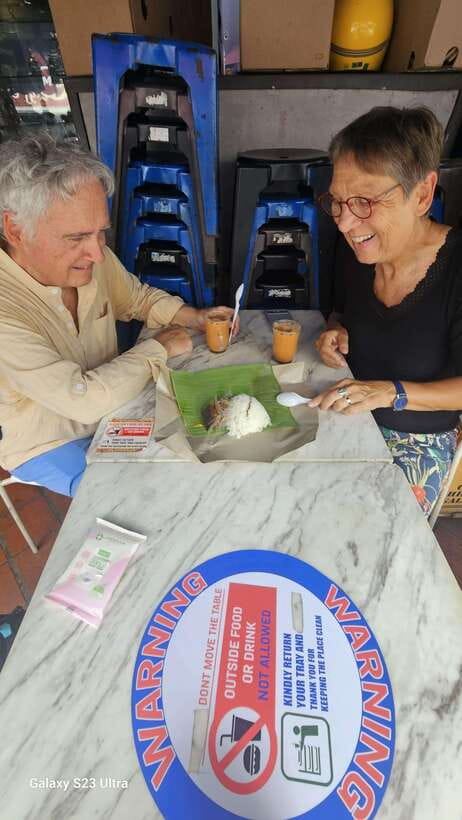
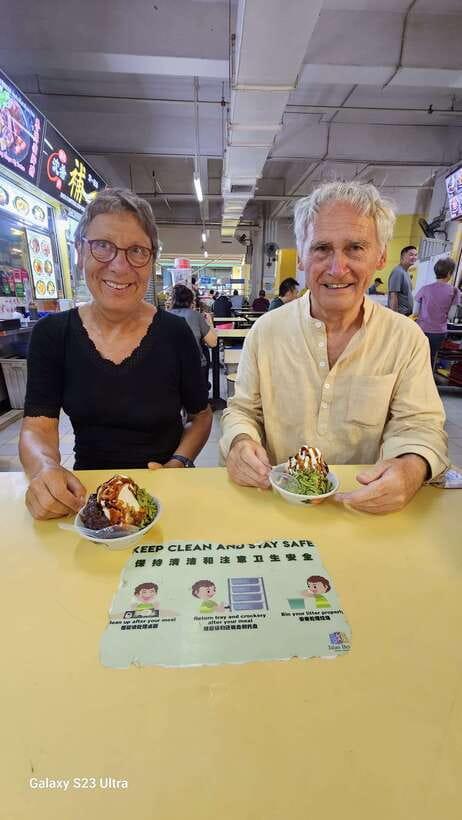
- 9–10 handpicked hawker items (with a mix of savoury and sweet drinks)
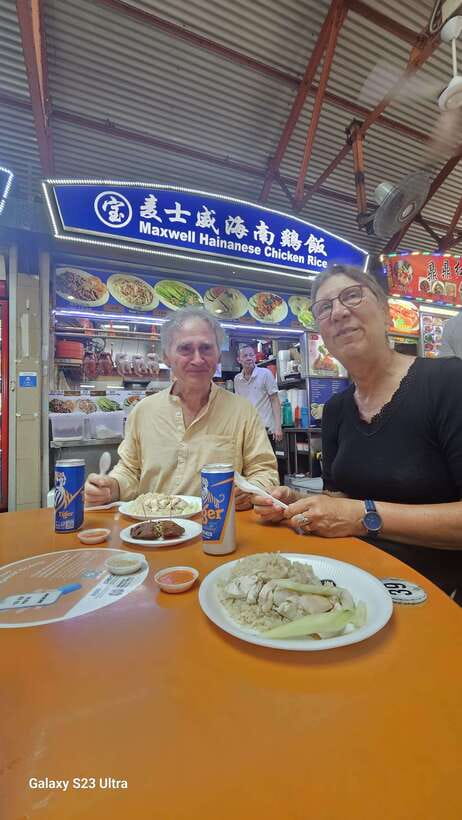
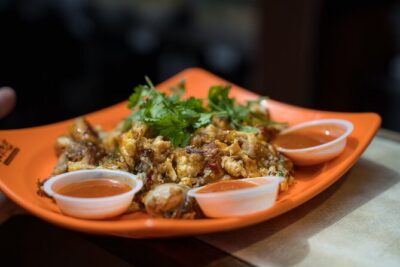
- Maxwell Food Centre tastings like chicken rice and Fuzhou oyster pancakes
- Cultural stops beyond food at Buddha Tooth Relic Temple and Museum
- Small-group or private pacing so you’re not rushed through the line
Why This 3-Hour Chinatown Tour Works (And When It Doesn’t)
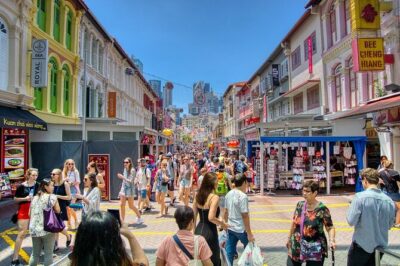
Chinatown in Singapore can feel like two different experiences at once: a maze of lanes that’s fun to wander and a place where it’s easy to order the same few “tourist-safe” dishes. This tour solves that second problem by turning the walk into a sequence—food first, then place, then story. In just 3 hours, you move through the neighbourhood like you actually know where you’re going.
The best part is pacing. You’re not stuck in one crowded food centre for the entire time, and you’re not stuck “sightseeing” without eating. You’ll hit multiple landmarks (Chinatown Heritage Centre, Ann Siang Hill, Buddha Tooth Relic Temple, Chinatown Complex) and multiple food moments (including Maxwell Food Centre) so your brain stays interested.
The only catch is the reality of hawker life. Since you can’t pre-book tables or pre-order food, there may be waiting time—especially if your stop lands right at peak lunch energy. If you hate lines and short delays, this could be annoying. If you’re flexible and ready to eat well, it’s exactly the kind of tour that makes Singapore food culture click.
Starting in Chinatown: Bak Kwa, Pagoda Street, and How Stories Begin
You’ll start at one of the provided meeting options—commonly Chinatown MRT Exit A—then get moving on the food-and-history track. The first bite you’re aiming for is Bak Kwah (that sweet, caramel-brown Chinese pastry). It’s a smart starter because it tells you two things immediately: Chinatown treats food as culture, and the neighbourhood runs on traditions that travel.
From there, the route focuses on immigrant connections. You’ll walk around Pagoda Street and stop at Chinatown Heritage Centre. This isn’t just a name-drop. The guided portion at Chinatown Heritage Centre helps you understand how Chinese migrants shaped work, community, and everyday life—so when you later see hawker stalls doing their thing, it won’t feel random.
This is where a great guide matters. Some guides can recite facts. Others can make them feel like a living story. Based on how guides such as Ronnie, Jeannette, and Kelvin are described, you’re paying for the “how” as much as the “what.”
Chinatown holds more lanes than one afternoon
Chinatown Heritage Centre to Yip Yew Chong Murals: A Walk That Reads Like a Map
At Chinatown Heritage Centre, you’ll get a guided look plus a photo stop. After that, the tour keeps your eyes open while you walk. A big draw here is the attention to small spaces: side streets, shopfronts, and places that most people pass without noticing.
One of the most fun pieces is the mural route—Yip Yew Chong murals are specifically called out, and you’ll be guided to the photo spots. Even if you’re not chasing Instagram, murals like these work as shortcuts to local identity. They show you the neighbourhood’s voice, not just its architecture.
You’ll also pass through areas with traditional coffee shop culture. That’s important on a hawker tour because coffee and tea aren’t “extras” here. They’re part of how hawker meals get paced: salty bites, a warm drink, then more food—Singapore style.
If you’re prone to getting overwhelmed by crowds, this portion is still manageable because the tour keeps you moving and gives you a job: look, snack, listen, repeat.
Ann Siang Hill Photo Stops: From Historical Charm to Pop-Culture Pointers
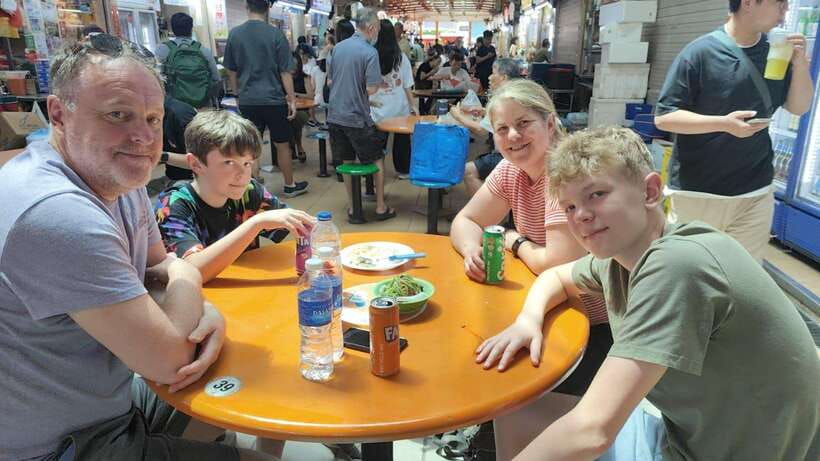
Next you head toward Ann Siang Hill, where the tour mixes history, sightseeing, and photo moments. If you’ve seen the movie Crazy Rich Asians, you’ll likely recognize some of the iconic framing people love to recreate. The guide doesn’t just point and pose—they explain what makes the area feel old while still functioning as a street.
Why this matters on a food tour: your brain needs contrast. After hawker tastings, a heritage walk helps you reset and makes the food culture feel grounded. When you understand the neighbourhood’s layers—how streets evolved—you stop treating hawker centres like a food theme park.
Ann Siang Hill also tends to be the kind of stop where your guide’s personality shows. Expect walking pace plus story beats, not long lectures. If you’re the type who likes a bit of humour while learning, this stop is often where the tour feels most fun.
Maxwell Food Centre: The Hawker Centre That Puts the Meal Together
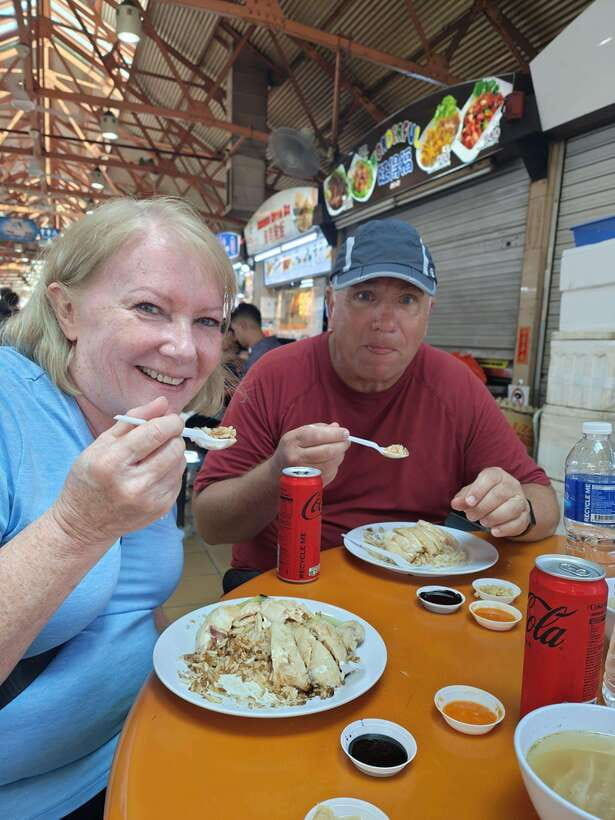
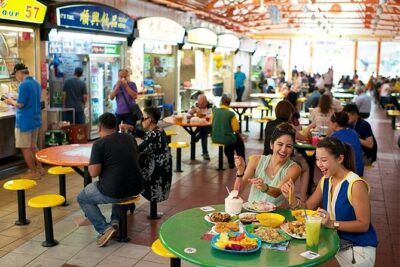
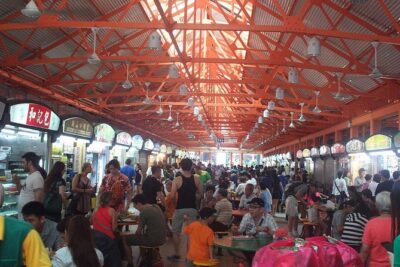
Then comes Maxwell Food Centre, the tour’s most “eat now” section. You get a break and a guided visit, plus walking time to navigate the stall layout. This is where the tour earns its keep.
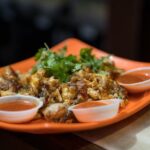
You’ll be tasting famous chicken rice and Fuzhou oyster pancakes (among other handpicked items). The key isn’t just that these are popular dishes. It’s that a guide helps you order with confidence in an environment where menus are often fast, varied, and not always explained for foreigners.
If you want one practical tip: arrive hungry. One review specifically warned people not to eat beforehand, and that advice matches how this tour is structured. You’re scheduled for 9–10 handpicked food and drinks, so you’ll want your stomach ready for multiple stops.
Also, don’t expect a quiet sit-down meal. Hawker centres run on line flow. You might wait for a table or the guide might have to coordinate ordering and timing. That’s normal here. Treat it like part of the experience, not a flaw.
Still hungry? The hawker trail keeps going
- Small Group: Michelin and Local Hawker Food Tour with 9 tastings★ 5.0 · 1,890 reviews
- Small Group: Singapore Street Food & Night Tour with 9 tastings★ 5.0 · 1,240 reviews
- The Award-Winning PRIVATE Food Tour: 10 Tastings of 3 Cultures★ 4.5 · 1,017 reviews
- Singapore: Chinese, Indian & Arabic Quarters, Culture & Food Tour★ 5.0 · 789 reviews
Buddha Tooth Relic Temple and Sago Lane: Culture Stops That Change Your Food Lens
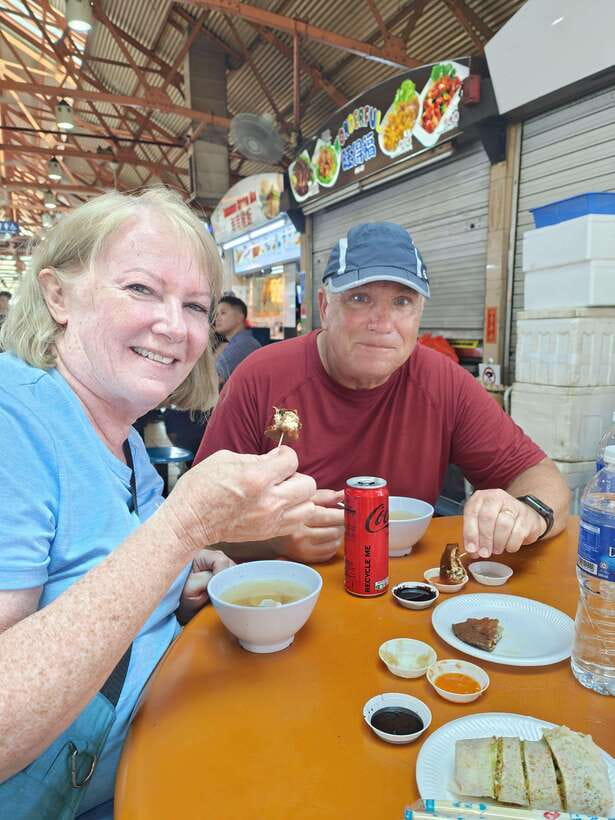
After Maxwell, you shift from eating mode to cultural mode. The tour includes a guided visit at Buddha Tooth Relic Temple and Museum. Even if you’re not deeply religious, this stop works because it gives you a different lens on Chinatown. Food culture here sits beside spiritual life and community space.
The walkthrough is short (about 20 minutes), but it’s purposeful. You’re moving at a tour pace, so you’re not aiming for museum-depth reading. Instead, you’re getting just enough to connect the neighbourhood’s cultural gravity to what you’ll see and eat next.
Then there’s Sago Lane, known as the street of the dead. That label sounds dramatic, and the guide’s job is to make it understandable. Walking through a place with a heavy nickname reminds you that Chinatown has always been shaped by migration, work, trade, and the movement of people through tight spaces.
You’ll likely notice how the tour keeps you alternating between senses: food smell, temple visuals, alley atmosphere, then back to food.
Chinatown Complex: Architecture, Food Energy, and the Final Stretch
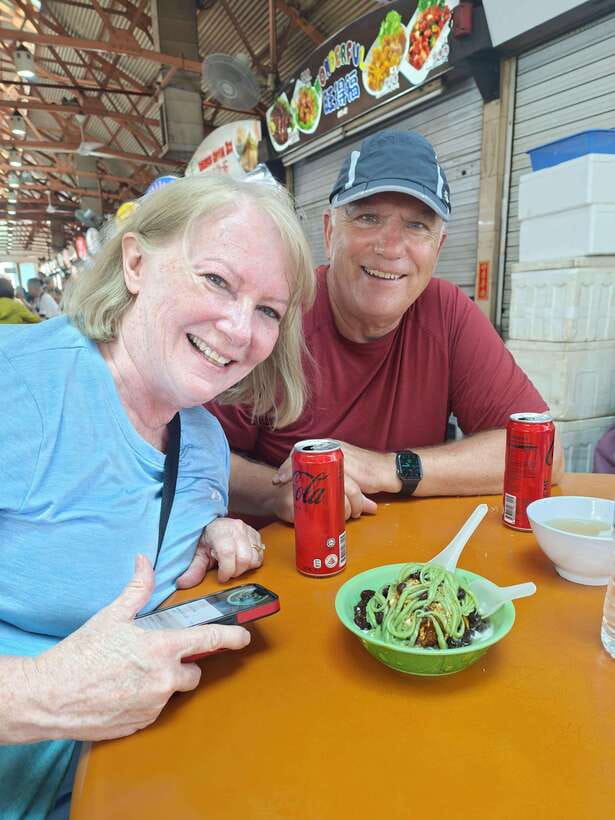
Near the end, you’ll explore Chinatown Complex with a guided tour and sightseeing walk. The focus here is twofold: the building’s unique layout and the food scene that keeps it alive.
This is a good finale for a food tour because Chinatown Complex feels like everyday Chinatown, not just a heritage set. You’re less “museum mode,” more “life mode.” If your first half of the tour made you curious, this section helps you leave with the sense that hawker culture isn’t a one-day event. It’s continuous and still central to how people eat.
You’ll finish at one of the listed drop-off options: Chinatown Complex (including the Chinatown complex drop-off). That convenience matters if you still want time to explore on your own after the tour ends.
Food, Drinks, and What Included Means for Your Wallet
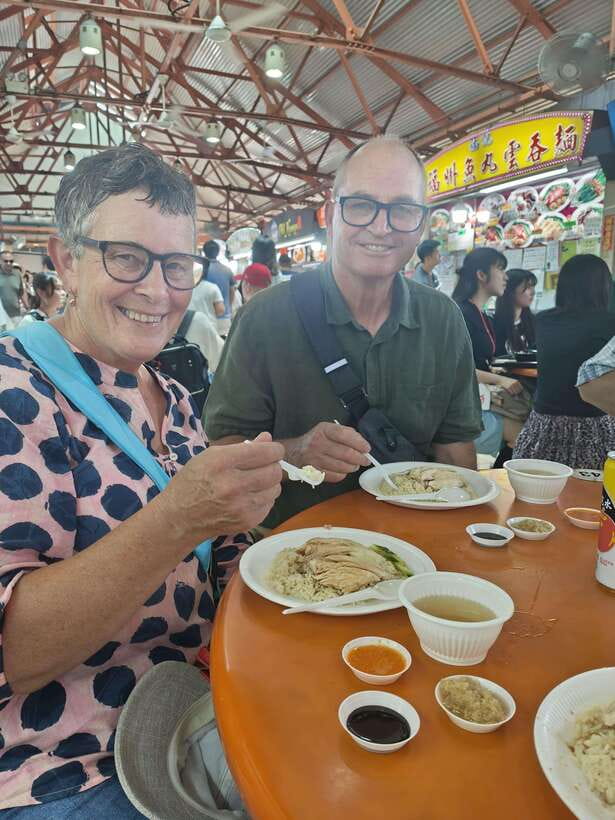
The included setup is straightforward: you get one bottle of mineral water and 9–10 handpicked food and drinks from famous or Michelin Bib–listed local hawker stores (the wording here points to high-recognition hawker spots). That’s a meaningful bundle because hawker food is cheap per item—but tasting your way through several places adds up quickly if you’re paying full price at each stop on your own.
At $69 per person for a 3-hour walk, the value comes from three places:
- Ordering help: hawker menus can be confusing fast. A guide reduces trial-and-error.
- Time saved: you’re not figuring out which stalls to pick or where to stand.
- Route quality: you’re not just wandering; you’re walking a plan that connects history, murals, and landmarks.
If you were doing this solo, you might spend similar money across a few dishes—especially if you include drinks, plus you waste time searching for the right stall. This tour gives you structure and reduces guesswork.
If you’re a picky eater, though, know the limitation. The tour data says special dietary needs may not be catered to unless it’s a private tour. If your diet is complex (allergies, strict avoidance), contact the operator before booking so you don’t end up with empty spots on your tasting plan.
Guides Make the Difference: What “Good” Looks Like on This Tour
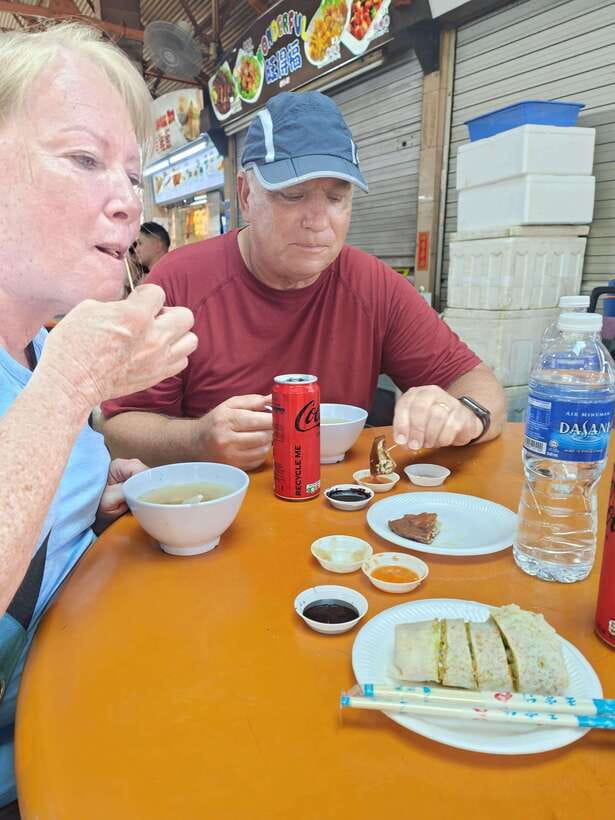
Across the guide names mentioned—Kent, Ronnie, Kelvin, Edwin, Janet, and Jeannette—you can see the pattern that matters most on a walking food tour: a guide’s job isn’t just giving facts. It’s keeping the experience moving while making each stop feel relevant.
The standout traits you’ll want to look for:
- Humour that makes history easier to follow while you’re walking
- Clear ordering choices at hawker centres so you don’t freeze at the counter
- Storytelling that connects sights like Pagoda Street or Sago Lane to why the food culture developed
Even if your guide’s style differs, the tour is designed so you’ll always have something to do: look at murals, listen at landmarks, taste at the hawker stalls, and get recommendations you can use later in Singapore.
Getting Ready: Small Practical Tips That Matter
Wear comfortable footwear. Chinatown lanes are walkable, but you’ll rack up steps, and you don’t want blisters to slow you down.
Bring something for rain. The tour advises carrying umbrellas or ponchos, and that’s smart in Singapore where weather can change fast.
And yes—plan on being full. This is not a “sample two bites” kind of experience. With 9–10 handpicked tastings plus drinks, you’ll likely skip your next meal or at least go light for dinner.
If you’re with kids, note the policy: children aged 0–2 can join free. There are also ticket limits based on how many adults you book, so check the child rules during booking to avoid surprises.
Should You Book This Chinatown Hawker Tour?
Book it if you want a time-efficient way to experience Chinatown food culture with real context: hawker centres, historic streets, murals, and landmarks all in one route. This is especially good for first-time Singapore visitors on a short stay who don’t want to research dozens of stalls.
Skip it (or consider a different format) if:
- You can’t handle lines or waiting for tables at popular hawker centres
- You need complex dietary accommodations and you’re not booking private
- You need wheelchair access, since the tour isn’t wheelchair-accessible
If you’re flexible, hungry, and curious about how food ties to migration and community, this $69, 3-hour Chinatown walk is one of the smartest ways to spend a morning or afternoon in Singapore.
FAQ
How long is the UNESCO Hawker Culture: Chinatown Food Tasting Tour?
It lasts 3 hours.
Where do we meet for the tour?
Meeting point can vary by option booked. One listed option is Chinatown, Chinatown MRT Exit A.
How much food and drink is included?
You’re provided 9–10 handpicked food and drinks plus 1 bottle of mineral water.
Can the guide reserve tables or pre-order food?
No. The tour involves Singapore hawker centres and table booking or food pre-ordering isn’t possible, so waiting time can happen.
Are special dietary needs accommodated?
Special dietary needs may not be catered to unless it’s a private tour. Contact the operator before booking if you have specific requirements.
Is the tour wheelchair-accessible?
No, the activity isn’t wheelchair-accessible.
What’s the cancellation policy?
You can cancel up to 24 hours in advance for a full refund.
Hawker Stalls Left on the List

Chinatown, Lane by Lane

Fresh Reviews from the Little Red Dot
- Night Safari Tickets with Tram Ride
★ 4.5 · 3 reviews - Singapore: Architecture and Food Tour with Tastings
★ 5.0 · 3 reviews - Singapore Private Full-Day Sightseeing Tour
★ 5.0 · 3 reviews - Private Chinatown Heritage Tour with Best 8 Local Tastings
★ 5.0 · 3 reviews
Chinatown Tours & Tastings, compared.
 ★ 5.0Chinatown, Little India, Kampong Gelam City Highlights TourFrom $80224 reviews
 ★ 5.0Chinatown Hawker Market Food Tour with 7 Food TastingsFrom $146213 reviews
Chinatown, Little India, Arab Street Walking TourFrom $53207 reviews
★ 5.0Chinatown Hawker Market Food Tour with 7 Food TastingsFrom $146213 reviews
Chinatown, Little India, Arab Street Walking TourFrom $53207 reviews
 ★ 4.8Chinatown and Little India Guided Walking TourFrom $78190 reviews
 ★ 5.0Chinatown Historic Walking Tour with LunchFrom $54134 reviews
 ★ 5.0Chinatown Hawker Food Tasting TourFrom $8896 reviews
 ★ 4.5Kampong Glam, Little India & Chinatown with Local Street Food TastingsFrom $17770 reviews
 ★ 5.0Chinatown Heritage Centre (Admission Ticket)From $2065 reviews
Browse the lists this tour appears in