
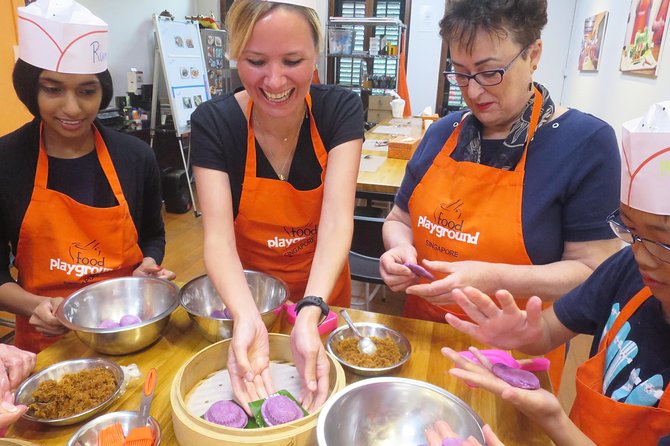
Reviewed · COOKING CLASSES & WET MARKET VISITS
Experience Singapore: Cultural Cooking Class
Singapore smells like spices for a reason. This 3-hour class at Food Playground turns those aromas into skills you can use at home.
I like that you cook a small menu of Singapore favorites with real guidance, then eat what you made in a relaxed setup. I also like the cultural framing, so dishes connect back to the food influences that shaped Singapore (Malay, Chinese, Indian, British). One possible drawback: if you’re craving nonstop cooking from minute one, expect a bit of explanation time before you fully get moving.
In This Review
- Key things that make this class worth your morning
- Where the class happens: Food Playground in Chinatown’s shop-house setting
- The cooking plan: how three dishes become real home-cooking skills
- How the class runs in real time
- Grouping at the stations
- Meet the instructors: why names keep coming up
- What you’ll actually learn about Singapore food (and why it’s more than seasoning)
- The value for cooking at home
- Stop-by-stop: the Food Playground flow from arrival to lunch
- 1) Arrival, prep, and an easy start
- 2) Guided cooking: three dishes with real technique
- 3) Lunch: you sit down and eat your work
- Timing and pacing: 3 hours that usually feel like enough
- Price and value: $96.97 for food, instruction, and the stuff you take home
- Who this class suits best
- What to bring to get the most out of it
- A couple of considerations before you book
- FAQ
- How long is the Singapore Cultural Cooking Class?
- How many people are in the class?
- What dishes will I cook?
- What’s included in the price?
- What isn’t included?
- Is there a minimum age?
- What if I need to cancel?
- Should you book this class?
Key things that make this class worth your morning
- Small group size (max 12): easier questions, more attention at the stations, and a calmer pace than bigger classes
- Three dishes, hands-on: you prep and cook with step-by-step instruction instead of watching only
- Food culture taught in plain terms: origins and differences for the dishes you’re making
- Included lunch plus drinks: water, coffee, and tea come with your meal
- Recipes and photos afterward: useful when you try to recreate your favorites at home
Where the class happens: Food Playground in Chinatown’s shop-house setting
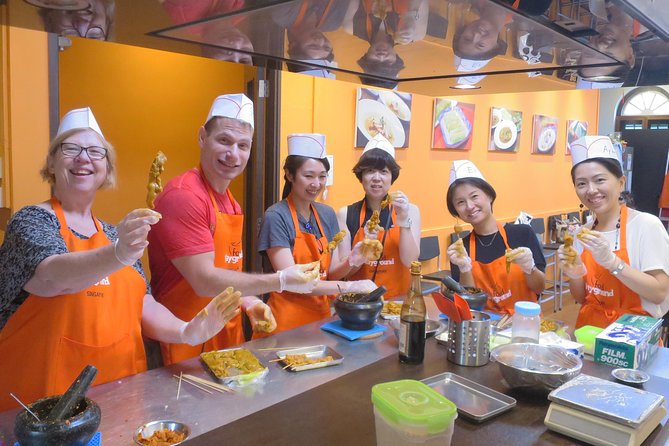
This cooking class is based in a spot on Sago Street (24A Sago St, Singapore 059020), starting at 9:30 am and ending back at the meeting point. There’s no hotel pickup, so you’ll want to be ready to hop on foot or MRT.
What I really like about this experience is the setting. Multiple instructors and guests note it’s run in a heritage shop-house area, conducted on a floor that feels connected to Chinatown’s older urban rhythm. You’re not just in a generic kitchen classroom. You’re in a place that helps you understand why Singapore food feels like it does: layered, cross-cultural, and practical.
Nearby sightseeing is also easy. One common bonus is that you’re close to the kind of things people pair with food stops in Chinatown, including a temple right next door mentioned by past participants. If you plan your day right, this class can act like your morning anchor, and you’ll still have time after lunch for a slow walk and more eating.
The cooking plan: how three dishes become real home-cooking skills
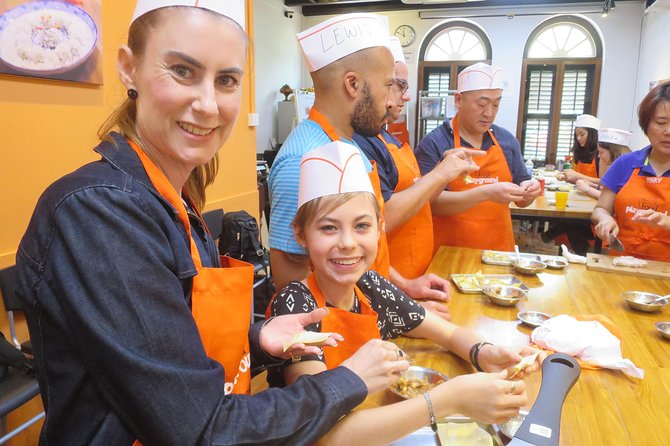
The core of the experience is simple: you learn to recreate Singapore favorites at home by making about three dishes with your instructors. The menu can change, but typical examples include laksa (noodle soup), Hainanese chicken rice, and dishes like chicken satay or curry-style options. You’ll also see desserts pop up in past class menus, including Ondeh Ondeh (a coconut and palm-sugar dessert).
Here’s why that matters for you: Singapore food can look complex if you only ever see finished plates. This format breaks recipes into steps you can repeat—prep, seasoning, timing, and the way different elements come together on the plate.
From wet market to wok, more sessions
How the class runs in real time
Expect a rhythm that goes like this:
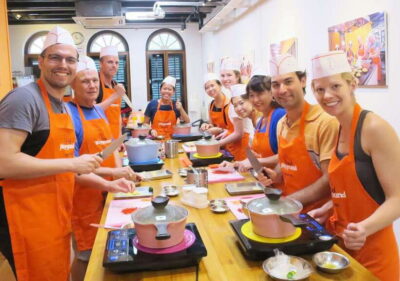
- You arrive, put on an apron, and get set up with equipment and ingredients.
- You get a guided, step-by-step lesson from an English-speaking local instructor.
- The class uses a mix of demonstration and hands-on cooking so you learn techniques, not just outcomes.
- At the end, you sit down to eat the dishes you made.
One thing I find especially helpful is that the instruction isn’t just for show. Guests describe clear guidance and supervision—important in a cooking class, because Singapore dishes depend on things like spice balance, texture, and small timing differences.
Grouping at the stations
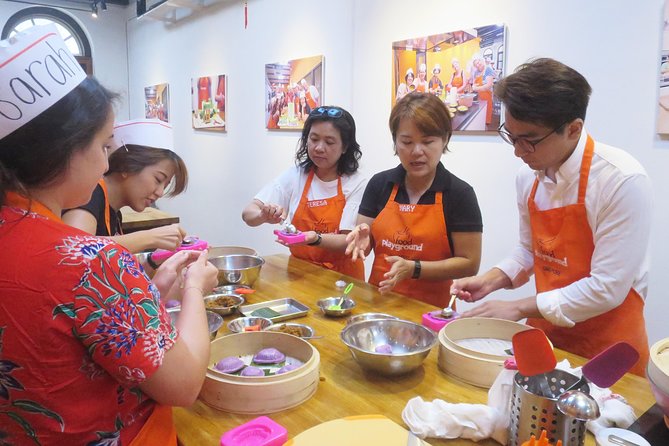
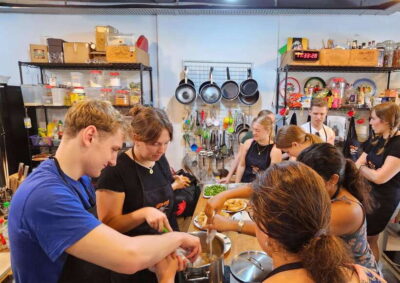
A common setup is group cooking with shared workstations. One past participant notes that the class splits people into cooking groups of two at each station after the initial guidance. If you’re solo, you might get your own station, but either way the goal is participation, not a spectator show.
Meet the instructors: why names keep coming up
This class stands out because instructors really shape the experience. You’ll see repeated praise for hosts and chefs such as Mary, Nur, Sara, Monica, and YY (with additional staff support credited in some notes, like Kiat and Cindy).
What that usually translates to in practice:
- Explanations that connect the dish to its cultural story
- Clear instructions during the prep and cooking stages
- A friendly, informal classroom vibe where questions are welcome
- Guidance that helps you finish your dishes successfully
If you’re the type who likes to learn why something works—rather than just being handed a recipe—this is the kind of class where the teaching style matters as much as the food.
Make something to carry home in hand luggage
- Local Cuisine Cooking Class in Singapore★ 5.0 · 86 reviews
- Private Local Cuisine Cooking Class In Singapore★ 5.0 · 84 reviews
- Singapore Night Photography Workshop★ 5.0 · 20 reviews
- Singapore Photography Masterclass – Private Photography Lesson★ 5.0 · 17 reviews
What you’ll actually learn about Singapore food (and why it’s more than seasoning)
Singapore cuisine is a mix of influences: Malay, Chinese, Indian, and British. In this class, that broad idea gets turned into something you can taste and cook.
You should expect discussion of:
- History and origins of the dishes you’re making
- Cultural differences in how dishes develop and get adapted
- Practical notes about key ingredients and techniques used in Singapore kitchens
Past guests also mention fun elements like a food quiz at the beginning. That’s not just entertainment. It’s a quick way to get everyone thinking like a diner—what you expect to taste, what spices signal, and how Singapore flavors land on the palate.
The value for cooking at home
The best part is that this class helps you move from eating Singapore food to cooking it. You leave with methods you can use again, especially if you’re trying to rebuild the flavors from your memory.
And yes, that includes curry work. One guest highlights learning curry paste from scratch, which is the kind of step that makes the difference between a dish that tastes close and one that tastes like a shortcut.
Stop-by-stop: the Food Playground flow from arrival to lunch
This experience is listed with one main stop: Food Playground. But inside that block of time, there’s a clear sequence.
1) Arrival, prep, and an easy start
You begin at 9:30 am. The early minutes typically focus on getting you organized—apron on, ingredients laid out, and a short kickoff that may include a quiz or food story.
This is also where you set expectations: the class you’re taking has a specific menu, and you’ll learn the dishes on that menu step-by-step. Some participants did note that the beginning can run long, especially when the instructor discusses dishes that won’t be cooked in your particular class session. If you prefer maximum hands-on time, keep that in mind.
2) Guided cooking: three dishes with real technique
During the main portion, the instructor demonstrates what to do, then you follow along. Expect plenty of moments where you’re actively stirring, chopping, mixing, and assembling—not just tasting.
Because dishes like laksa and chicken-based favorites involve different components (sauce, seasoning, cooking steps, and serving), you learn the logic behind each one. That’s what makes it useful later when you try again at home.
3) Lunch: you sit down and eat your work
When cooking finishes, you move to the dining area. You’ll eat the results in a relaxed, informal meal with your class members.
The included drinks help set the tone: water, coffee, and tea come with lunch. One practical advantage: you’re not left hungry while you search for lunch afterward in the middle of Singapore’s food chaos.
Timing and pacing: 3 hours that usually feel like enough
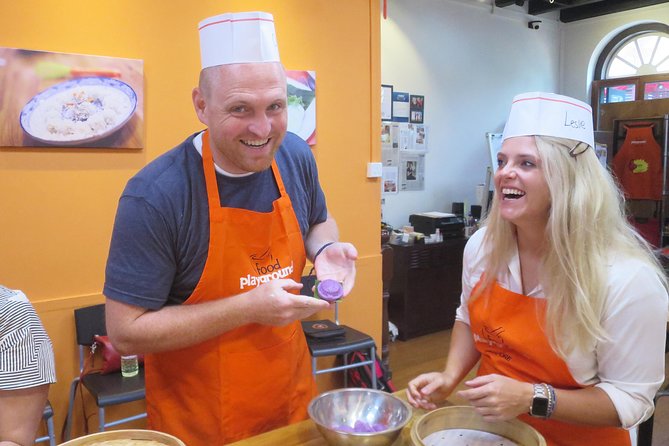
The class runs about 3 hours. For most people, that hits a sweet spot: long enough to learn three dishes properly, but short enough to still enjoy a full day after.
The small menu also helps. If you’ve ever taken a class that tries to cram five or six recipes into one session, it can start to feel like assembly-line cooking. Here, the focus stays on quality and learning.
That said, one drawback shows up in the feedback: if an instructor spends too long on extra dish talk before you start cooking, the pace can feel slightly slow. It’s a minor issue, but it’s worth mentioning so you show up with the right mindset: you’re here for both cooking and culture, not just action.
Price and value: $96.97 for food, instruction, and the stuff you take home
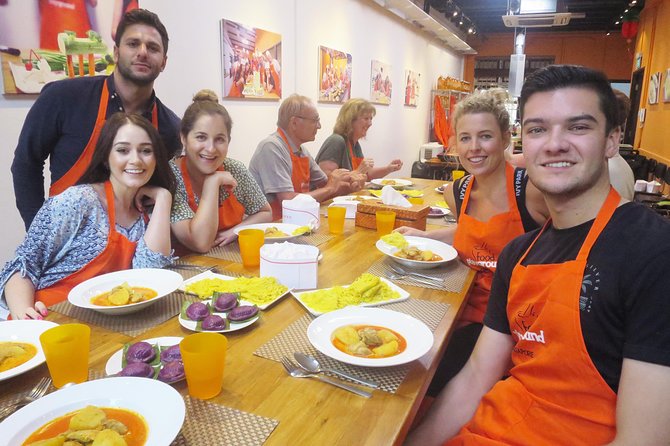
At $96.97 per person for around 3 hours, this class isn’t the cheapest thing you can do in Singapore. But it also isn’t just an expensive meal.
Here’s what you’re paying for, in clear terms:
- All equipment and ingredients (so you don’t need to buy anything extra)
- Lunch included, plus drinks
- Local English-speaking instructors guiding the process
- A small group format (max 12), which usually improves the quality of help you get
- Recipes and photos afterward, which makes the value stick beyond the day itself
When you compare that to buying ingredients and trying to build Singapore dishes from scratch, the class can actually feel like a fast route to correct techniques and flavor balance.
If your travel goal is learning—especially if you want to replicate flavors later—the price makes more sense. If you only want a quick food tasting with no cooking, you’d likely find better options elsewhere.
Who this class suits best
This is a strong fit if:
- You like cooking and want instructions you can follow at home
- You want Singapore food culture, not just street-food listicles
- You enjoy small group settings where you can ask questions
- You’re traveling as a couple, with a friend, or even solo and want a social morning
It’s also suitable for families since the minimum age is 7 years. That makes it easier to include kids who are curious about cooking rather than just eating.
If you’re a hard-core foodie who already cooks often, you may still enjoy it—especially if you want techniques like curry paste work or the logic behind sauces and seasoning.
If you hate spending time in the kitchen with any waiting at all, you may find the class start pace annoying. But the hands-on portion generally gets going soon enough for most people.
What to bring to get the most out of it
You don’t need anything fancy, because equipment and ingredients are included. Still, a few practical moves help:
- Arrive early enough to settle in before the class starts
- Let the instructor know about dietary requirements at booking time
- Pay attention to the steps for sauce and seasoning—those are the hardest parts to replicate later
- Ask questions when you see confusion in the process, not after
One more small tip: take mental notes on textures and smells. Singapore dishes are sensory. If you remember how the spice blend smells in the pan, you’ll recreate it better at home.
A couple of considerations before you book
The biggest potential downside is pacing at the beginning. A few people mention that instructors can spend time discussing dishes that aren’t part of the session, or that transitions between prep activities could be smoother.
Also, this is not hotel pickup and drop-off. You’ll handle your own way to 24A Sago St. If you’re staying far from Chinatown, give yourself extra time.
Finally, the menu can change. That’s normal for cooking classes, but it means you should treat specific dish expectations as examples, not a guarantee.
FAQ
How long is the Singapore Cultural Cooking Class?
It runs for about 3 hours.
How many people are in the class?
The class has a maximum of 12 travelers, and it operates with a minimum of 2 people.
What dishes will I cook?
You’ll cook three dishes. The exact menu can change, but examples mentioned include laksa, Hainanese chicken rice, and items like chicken satay or curry-style dishes. Dessert such as Ondeh Ondeh may also appear on some menus.
What’s included in the price?
All equipment and ingredients are included, along with lunch and drinks (water, coffee, and tea). You also get local English-speaking instructors.
What isn’t included?
Hotel pickup and drop-off are not included.
Is there a minimum age?
Yes, the minimum age is 7 years.
What if I need to cancel?
You can cancel for a full refund if you cancel at least 24 hours before the experience’s start time. If you cancel less than 24 hours before, the amount paid is not refunded.
Should you book this class?
I’d book it if you want Singapore food you can cook, not just photograph. The small group size, hands-on structure, and included lunch make it feel practical. Best of all, you leave with recipes and photos, which helps you recreate what you learned instead of forgetting it after the trip.
Skip it if your top goal is a quick food tasting with zero cooking time, or if you’re very sensitive to a slower start. Otherwise, for $96.97 and roughly three hours, it’s a strong way to connect Singapore’s culinary heritage to real skills you’ll use back home.
Classes with Take-Homes

From Rempah to Plate
Fresh Reviews from the Little Red Dot
- Night Safari Tickets with Tram Ride
★ 4.5 · 3 reviews - Singapore: Architecture and Food Tour with Tastings
★ 5.0 · 3 reviews - Singapore Private Full-Day Sightseeing Tour
★ 5.0 · 3 reviews - Private Chinatown Heritage Tour with Best 8 Local Tastings
★ 5.0 · 3 reviews
Cooking Classes & Wet Market Visits, compared.
 ★ 5.0Singapore Market to Table Culinary Experience (Wet Market Tour included)From $112479 reviews
 ★ 5.0Chinatown Hawker Market Food Tour with 7 Food TastingsFrom $146213 reviews
 ★ 4.9Hands-on Cooking Class with Cultural ImmersionFrom $94107 reviews
 ★ 5.0Local Cuisine Cooking Class in SingaporeFrom $14286 reviews
 ★ 5.0Private Local Cuisine Cooking Class In SingaporeFrom $27884 reviews
 ★ 5.0Singapore Chinatown Market Private Food Tour with 7 Food TastingsFrom $47519 reviews
 ★ 5.0Market-to-Table Experience and Cooking ClassFrom $10917 reviews
 ★ 4.5Private Market Visit and Cooking Class With A Professional ChefFrom $12610 reviews
Browse the lists this tour appears in