
Reviewed · CHINATOWN TOURS & TASTINGS
Singapore Chinatown Market Private Food Tour with 7 Food Tastings
Food and temples in one tight loop, in private.
This is the kind of Singapore tour that mixes real eating with quick culture context, without turning into a lecture. You’ll start at Bee Cheng Hiang on Pagoda Street, then work your way through Chinatown’s streets and covered food centres, with stops at major religious landmarks along the way. I especially like the private pacing: it’s built around your group, so you don’t spend the whole time squeezing past other people.
My second favorite part is the food lineup: you’re not just getting one theme, you’re hitting smoky-sweet, crispy, savory, and cold dessert, plus beer and water. The one drawback to keep in mind is that it involves a fair amount of walking and the itinerary can shift with weather and site availability, so comfy shoes and flexibility matter.
In This Review
- Key Things I’d Prioritize on This Tour
- Why a Private 11:30 Chinatown Walk Works Better Than a Big Group Crawl
- Bee Cheng Hiang Meet-Up: Your Launch Point Into Chinatown
- Restored Shophouses, Old Streets, and What to Watch For
- Temples in Chinatown: From 1827 Hindu Architecture to a Rooftop Calm Stop
- The Big Food-Centre Moment: How This Tour Keeps You Fed
- Chia Ann Siang’s One-Way Road Hill Story (and Why Street Names Matter)
- Marina Bay Red Dot Design Museum Stop: A Creative Detour That Makes Sense
- The Included 7 Tastings: What You’ll Actually Get
- What Private Guides Like Mr. Tang, Edwin, and Jinette Tend to Get Right
- Price and Logistics: Is $475 Per Person Good Value?
- Who This Tour Fits Best
- Should You Book This Private Chinatown Food Tour?
- FAQ
- What time does the tour start?
- Where do we meet, and where does the tour end?
- How long is the tour?
- How many food tastings are included?
- Is transportation included?
- Is this tour private?
- Does the tour accommodate dietary restrictions?
- Will the itinerary and menu always be the same?
- Is the tour dependent on weather?
- What is the cancellation window?
Key Things I’d Prioritize on This Tour
- Private group flow so you can ask questions without shouting over a crowd
- 7 included tastings that span hawker classics and snack staples, not just sweets
- Chinatown landmarks paired with food (temples, shophouses, and local street stories)
- Markets and food centres where you see how people actually eat day to day
- A Marina Bay design stop at the Red Dot Design Museum area to widen the day’s picture
- Easygoing start time at 11:30 am to dodge some of the morning rush
Why a Private 11:30 Chinatown Walk Works Better Than a Big Group Crawl
Singapore can be hot, crowded, and fast—especially in Chinatown. This private format helps because the guide can slow down when you want photos, regroup when you need a break, and keep questions from getting brushed aside.
The timing is also practical. Starting at 11:30 am means you’re usually past the early-morning drizzle risk but still in time to keep your afternoon open for other plans. And since you’re not coordinating with dozens of people, you tend to get a more natural rhythm as you move from historical lanes to food counters.
Bee Cheng Hiang Meet-Up: Your Launch Point Into Chinatown
You’ll meet at Bee Cheng Hiang 美珍香, 69 Pagoda Street, and the tour ends back at the same spot. That matters more than it sounds. A fixed starting point keeps the morning simple, and returning there helps you avoid “how do I get back?” stress at the end of a walking tour.
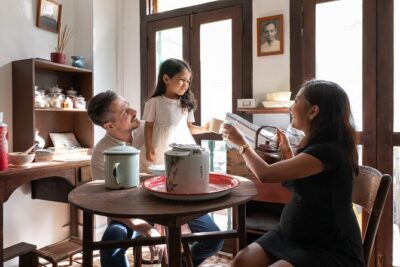
From this street corner, you’re in the right neighborhood to understand what Chinatown is physically made of: shophouses, shopfronts, and the mix of everyday life with religious and heritage sites. The tour begins with restored shophouses showing early Chinatown settlers’ living spaces, furnishings, and artifacts—so you’re grounded before you start eating.
One practical tip: if you hate carrying stuff, travel light for this one. You’ll be walking through markets and temple areas, and you don’t want to haul a bag that’s awkward in crowds or in tight lanes.
Chinatown holds more lanes than one afternoon
Restored Shophouses, Old Streets, and What to Watch For
The shophouse stop isn’t just for photos. It gives you a frame for why Chinatown feels the way it does: layered use of space, street-level commerce, and homes built into the urban fabric.
As you move along, pay attention to details like shopfront layouts, how space transitions from public to private, and what kinds of artifacts are displayed in the restored interiors. Even if you only catch a few moments of it, you’ll start noticing the architecture patterns that make Chinatown recognizable.
If you’re the type who loves to understand how cities work—how neighborhoods were planned and why certain districts developed the way they did—this early stop is a helpful anchor before the tour shifts into food-centre mode.
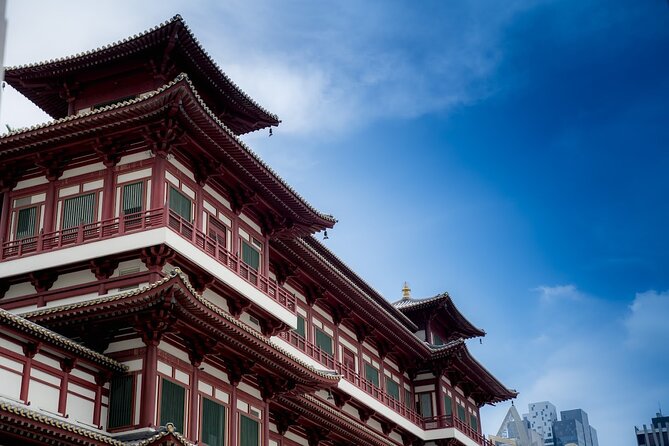
Temples in Chinatown: From 1827 Hindu Architecture to a Rooftop Calm Stop
Chinatown isn’t only about food. It’s also a multi-faith neighborhood, and the tour builds that story through a sequence of temple visits.
First up is a Hindu temple built in 1827, described with a tower densely ornamented with deities. This is one of those “look longer than you planned to” stops. The details are the whole point: you’ll see layers of religious iconography that don’t show up in simplified travel photos.
Next is a Tang dynasty–style temple housing religious relics, with ornate rooms and a tranquil rooftop garden. That contrast is smart. You get intense decorative architecture first, then a calmer rooftop moment that helps you reset before you head toward one of the bigger food-centre stops.
What I’d watch for here: time your photos. Temple areas can involve rules about movement and how you behave in worship spaces, so keep your pace respectful and don’t treat it like a theme park.
The Big Food-Centre Moment: How This Tour Keeps You Fed
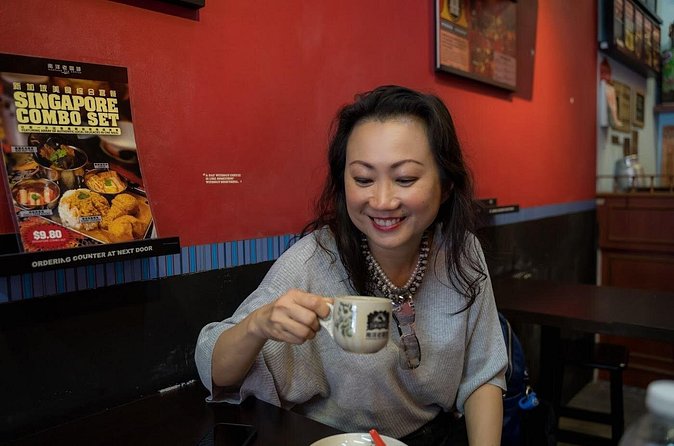
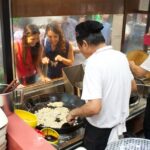
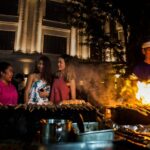
One of the stops is one of Singapore’s largest food centres—the kind of place where locals come for variety, fast ordering, and no-fuss meals. The tour uses this stop as a “fuel up” point so you don’t wander hungry while also learning.
The food strategy is clear from the included items. You’re getting a mix of snacks and mains, spread so your plate changes texture and flavor instead of repeating the same thing. You’ll also have a couple of choices baked in, like crispy popiah or golden oyster cake depending on what’s available.
A good move before you go: don’t overpack your breakfast. Even with a private group pace, you’re sampling enough that you’ll feel it. Come hungry, but not desperate—Singapore food is intense in the best way.
Still hungry? The hawker trail keeps going
- Small Group: Michelin and Local Hawker Food Tour with 9 tastings★ 5.0 · 1,890 reviews
- Small Group: Singapore Street Food & Night Tour with 9 tastings★ 5.0 · 1,240 reviews
- The Award-Winning PRIVATE Food Tour: 10 Tastings of 3 Cultures★ 4.5 · 1,017 reviews
- Singapore: Chinese, Indian & Arabic Quarters, Culture & Food Tour★ 5.0 · 789 reviews
Chia Ann Siang’s One-Way Road Hill Story (and Why Street Names Matter)
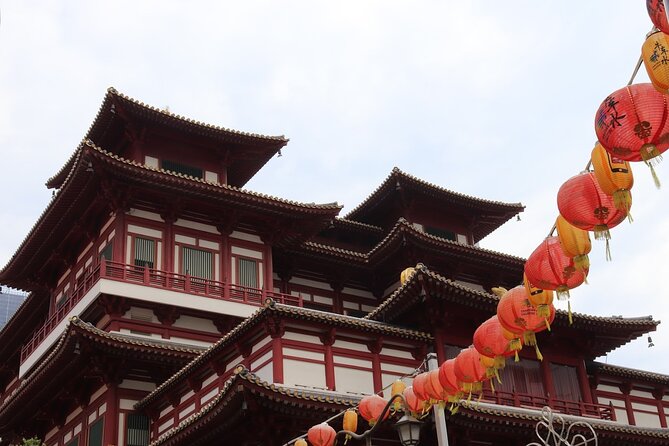
The tour includes a small hill and the name of a one-way road in Chinatown tied to Chia Ann Siang, a wealthy businessman. This is the kind of detail that’s easy to ignore while you’re walking, but it’s exactly what makes Chinatown feel lived-in rather than staged.
Street name stories like this add meaning to the route. Suddenly the lanes aren’t just “to the next stall,” they connect to people who built the neighborhood. If you like cities with layers, you’ll appreciate these brief waypoints that turn walking into a guided conversation.
Also, one-way road layouts can affect how you walk. Even if the tour route changes slightly due to weather or site access, the guide’s goal stays the same: keep you moving logically and keep the food stops on track.
Marina Bay Red Dot Design Museum Stop: A Creative Detour That Makes Sense
After Chinatown temple and food-centre rhythm, the tour reaches Marina Bay Waterfront Promenade, with a stop at the Red Dot Design Museum. The description ties the museum to the international Red Dot Design Award, so this isn’t random sightseeing—it’s a shift in focus from traditional streets to modern design culture.
This detour can be a relief if you’ve been looking at religious architecture and dense market streets for hours. It gives you a “Singapore today” perspective without pulling you far out of the overall flow.
Just note: the tour data doesn’t list what’s included for museum entry. Plan on this being a guided stop and look-around moment, not a guaranteed full museum ticket experience.
The Included 7 Tastings: What You’ll Actually Get
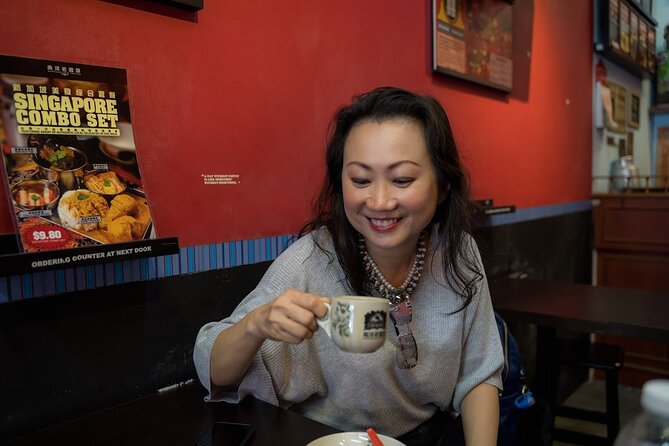
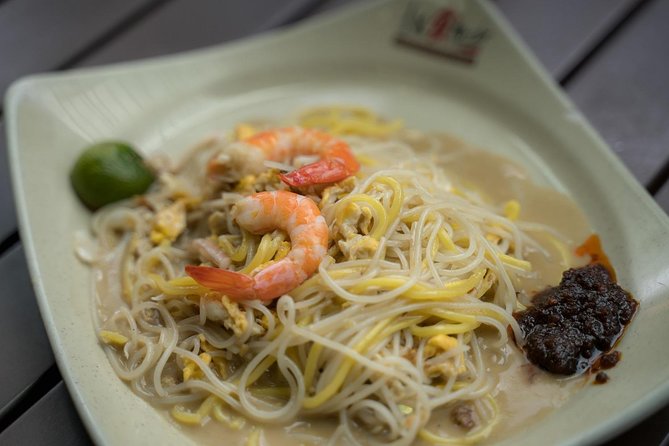
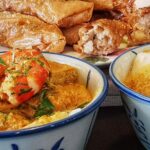
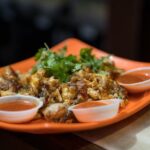
This tour includes 7 food tastings plus local beer and bottled water. Here’s what’s listed, and why the mix is a good idea:
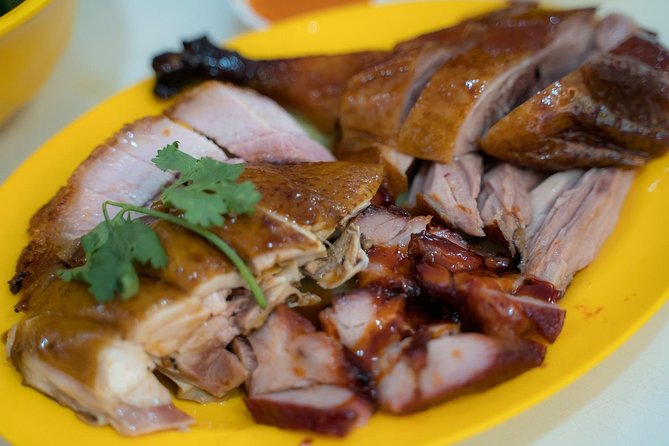
- Smoky, tender Bak Kwa (barbecued meat)
Sweet-smoke flavor is a Chinatown signature, and it’s a satisfying first bite.
- Nanyang coffee with kaya butter toast
Coffee here isn’t just caffeine—it’s part of the region’s taste profile. Kaya adds that distinctive coconut-egg- jam sweetness.
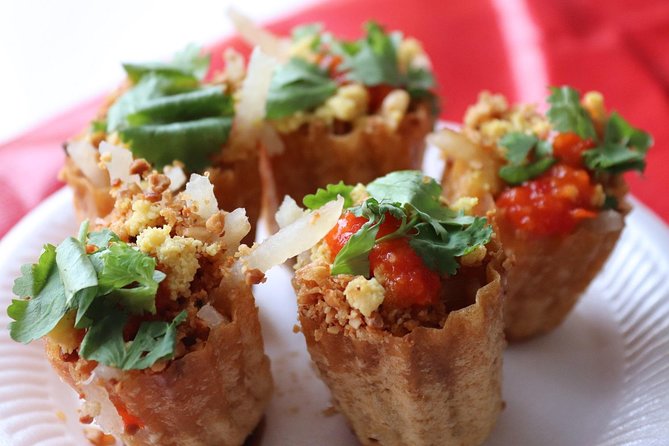
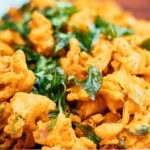
- Crispy Popiah or golden oyster cake snack
You get crunch and savory depth. The exact item depends on what’s available, so don’t plan on one specific choice.
- Authentic Hainanese chicken rice
This is Singapore’s icon. It’s also a palate reset between other heavier or spicier samples.
- Fluffy prata or thosai served fresh off the griddle
Warm, griddled starch with texture contrast. If you like food that arrives steaming, this is a highlight.
- Chendol dessert with coconut and gula melaka
Cold dessert rounds out the meal. Gula melaka is the key sweetness note here.
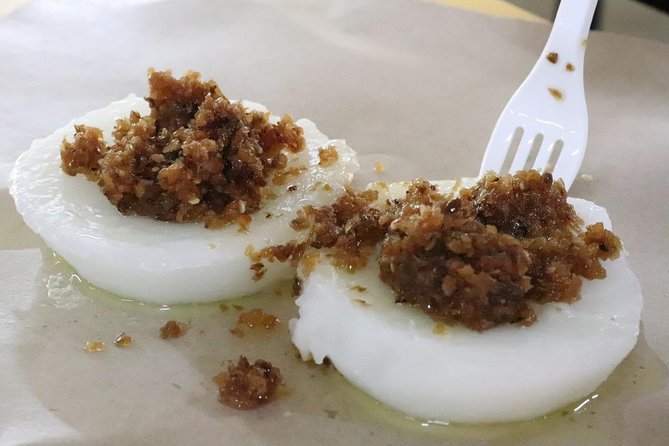
- Traditional chwee kueh topped with savory radish
This is a savory-sweet balance that doesn’t feel like just another snack. Expect it to be more comforting than flashy.
You’ll also get our mouthwatering Secret Dish—the tour keeps one item unnamed, which usually means it’s something seasonal or chosen for the best fit at the moment.
Pacing matters. You’re walking and tasting, not ordering a single big meal. If you’re sensitive to heat, take advantage of water whenever it’s offered and lean into slower chewing breaks between stops.
What Private Guides Like Mr. Tang, Edwin, and Jinette Tend to Get Right
The guides named with the strongest feedback—Mr. Tang, Edwin, and Jinette/Jeanette—show a pattern: history and food explained in a way that’s easy to follow, not overwhelming. You should expect clear context about the places you’re seeing, plus practical answers to food questions on the spot.
Because it’s private, the guide can also adjust when you want flexibility. In the experience descriptions, there’s mention of being able to try different options when interests shift, which is exactly what you want from a private food tour. You’re not stuck with one script for everyone.
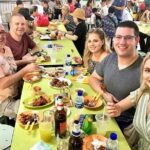
Also, the tour includes beer. If you’re traveling as a group, that small social element can make the end of the tour feel less like a checklist and more like a shared meal—especially after temple and market walking.
Price and Logistics: Is $475 Per Person Good Value?
At $475.00 per person, this isn’t a budget add-on. You’re paying for a few things at once: private guide time, multiple food tastings, and a route that links Chinatown heritage sites with food centres and a Marina Bay design stop.
The value argument is strongest if you want three outcomes together:
1) Food variety without decision fatigue
2) Walking with context so stops feel connected
3) A private pace that makes the heat and crowds less of a hassle
It also helps that transportation isn’t included, so your total cost depends on how you get there and back. The good news is the start point is near public transportation, which can make your planning simpler.
If you’re traveling with friends or family and you genuinely want a guided day (not just a grab-and-go meal plan), this price can feel more reasonable than it first appears. If you prefer self-guided wandering and already know your go-to hawker spots, you might find it pricey.
Who This Tour Fits Best
This tour suits you if:
- you want Chinatown food plus architecture and temple context in one loop
- you prefer a private, easier pace rather than a group scrum
- you enjoy both savory meals and classic Singapore desserts
- you can handle a fair amount of walking and want comfortable shoes ready
It’s also a decent fit for team-style outings, since the private format keeps things organized and social, with time for questions.
If you have strict dietary restrictions, check early. The tour data says many tours may not be able to accommodate certain restrictions, and you should contact the operator in advance to confirm what’s possible.
Should You Book This Private Chinatown Food Tour?
I’d book it if you want a Singapore-style day that mixes major landmarks and genuine eating without turning into a giant group event. The combination of Chinatown shophouses, temple architecture, big food-centre energy, and then Marina Bay design perspective is a smart way to see how Singapore stacks old and new.
Skip it (or at least think hard) if you’re on a tight budget, hate walking, or need guaranteed accommodations for dietary restrictions. Also, because it requires good weather and the itinerary can change, bring patience and flexibility—good shoes and a water plan help a lot.
If you’re deciding between doing Chinatown on your own versus with a guide, this tour is the “guided clarity” option. You’ll get fed, you’ll learn what to notice, and you’ll finish with a stronger sense of how the neighborhood works.
FAQ
What time does the tour start?
The tour starts at 11:30 am.
Where do we meet, and where does the tour end?
You meet at Bee Cheng Hiang 美珍香 (69 Pagoda Street), and the tour ends back at the same meeting point.
How long is the tour?
The duration is about 3 hours.
How many food tastings are included?
The tour includes 7 food tastings, plus local beer and bottled water.
Is transportation included?
No. Transportation is not included.
Is this tour private?
Yes. Only your group will participate, and it’s described as a private tour/activity.
Does the tour accommodate dietary restrictions?
The tour notes that many tours are unable to accommodate certain dietary restrictions, and you should contact in advance to see what can be catered for.
Will the itinerary and menu always be the same?
No. The tour states the itinerary and menu are subject to changes based on location availability, weather, and other circumstances.
Is the tour dependent on weather?
Yes. The experience requires good weather, and if it’s canceled due to poor weather, you’ll be offered a different date or a full refund.
What is the cancellation window?
You can cancel up to 24 hours in advance for a full refund. If you cancel less than 24 hours before the start time, the amount paid is not refunded.
From Rempah to Plate
Hawker Stalls Left on the List
Chinatown, Lane by Lane
Fresh Reviews from the Little Red Dot
- Night Safari Tickets with Tram Ride
★ 4.5 · 3 reviews - Singapore: Architecture and Food Tour with Tastings
★ 5.0 · 3 reviews - Singapore Private Full-Day Sightseeing Tour
★ 5.0 · 3 reviews - Private Chinatown Heritage Tour with Best 8 Local Tastings
★ 5.0 · 3 reviews
Chinatown Tours & Tastings, compared.
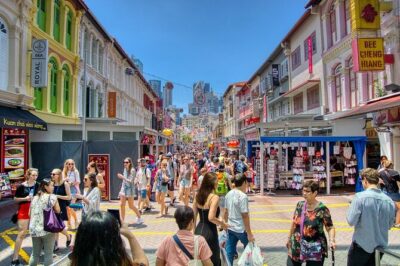 ★ 5.0Chinatown, Little India, Kampong Gelam City Highlights TourFrom $80224 reviews
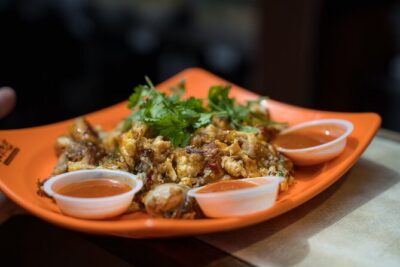 ★ 5.0Chinatown Hawker Market Food Tour with 7 Food TastingsFrom $146213 reviews
Chinatown, Little India, Arab Street Walking TourFrom $53207 reviews
★ 5.0Chinatown Hawker Market Food Tour with 7 Food TastingsFrom $146213 reviews
Chinatown, Little India, Arab Street Walking TourFrom $53207 reviews
 ★ 4.8Chinatown and Little India Guided Walking TourFrom $78190 reviews
 ★ 5.0Chinatown Historic Walking Tour with LunchFrom $54134 reviews
 ★ 5.0Chinatown Hawker Food Tasting TourFrom $8896 reviews
 ★ 4.5Kampong Glam, Little India & Chinatown with Local Street Food TastingsFrom $17770 reviews
 ★ 5.0Chinatown Heritage Centre (Admission Ticket)From $2065 reviews
Browse the lists this tour appears in