
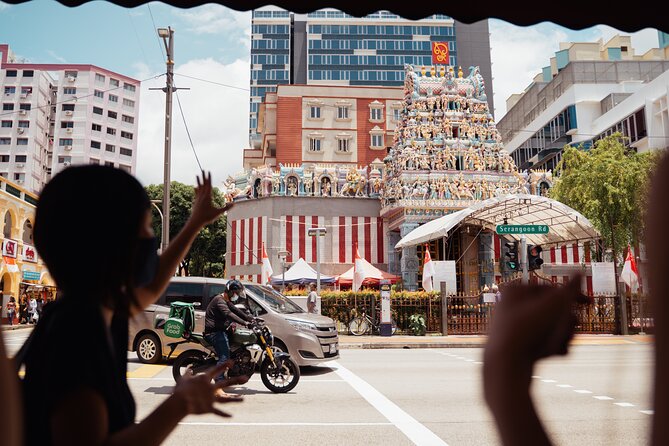
Reviewed · CHINATOWN TOURS & TASTINGS
Private Singapore Food Tour in Chinatown and Little India
A few streets in Singapore tell a whole story. This private walking tour strings together Chinatown + Little India with real food stops and quick lessons on culture and religion. You’ll walk, snack, and learn why hawker food is such a big deal here, even with temple visits along the way.
I really like the structure: you’re not just “sampling,” you’re getting a 9-tasting street-food sampler across both neighborhoods. I also like that the tour is private, so your licensed local guide can pace things for your group and answer questions as you go.
One thing to weigh: at $141.04 per person, you’re paying for guide time and the curated tasting stops. If you’re hoping for full meals instead of shareable bites, it may feel pricey.
In This Review
- Key things I’d circle before you book
- Three hours of hawker food and sacred streets
- What you’re really paying for at $141.04 per person
- How the walk is paced from Chinatown into Little India
- Chinatown start: alleyway street food stories you can picture
- Maxwell Food Centre: nine tastings in a half-hour
- Buddha Tooth Relic Temple and Museum: Tang-style architecture with context
- Tekka Centre in Little India: roti, prata, rojak, and more
- Serangoon Road: street snacks, shopfronts, and street art
- A Hindu temple with a Japanese War story
- The last surviving Chinese villa in Little India
- Campbell Lane: flower garland artisans and the Little India scene
- Dietary needs and allergy reality check
- What to bring (so the tour doesn’t feel like a chore)
- Guides who make the history stick (and why names matter)
- Who this private Chinatown and Little India tour is for
- Should you book this private Singapore food tour?
- FAQ
- How long is the private tour?
- Where does the tour start and end?
- What’s included in the tasting count?
- Is hotel pickup available?
- Is the tour suitable for vegan or gluten-intolerant guests?
- What should I bring for the tour?
Key things I’d circle before you book
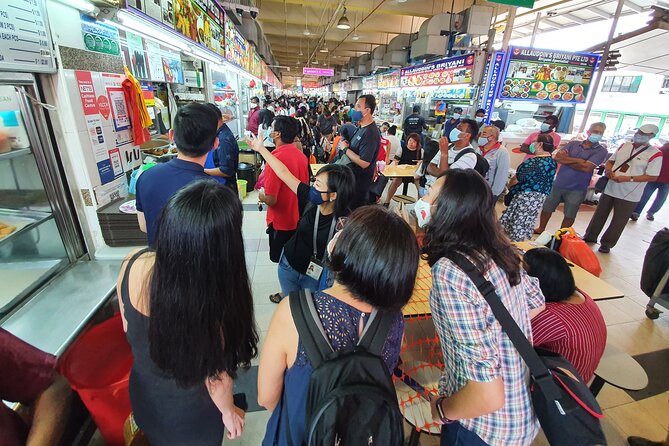
- 9 authentic tastings across two cultural districts, meant for sharing
- Maxwell Food Centre and Tekka Centre as the anchor stops for street-food comfort
- Temple visits that connect food culture to faith and community in Singapore
- Licensed local food guide with history, spice talk, and food-supply context
- Private walking format plus public transport included for practical cost control
- Diet limits matter because tastings include common allergens and meats
Three hours of hawker food and sacred streets
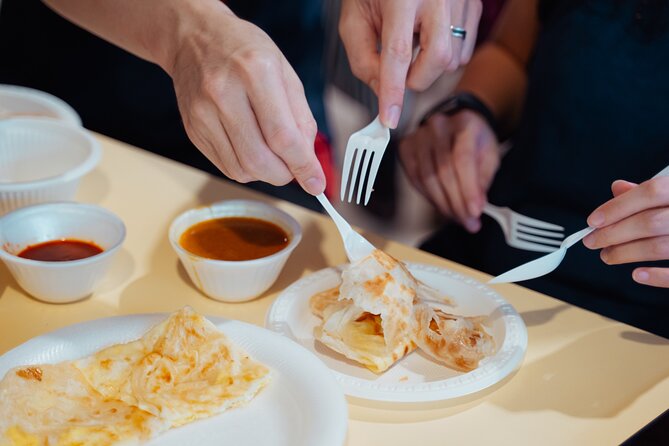
Singapore food doesn’t live in fancy tasting menus. It lives on footpaths, in hawker centres, and in markets where people show up hungry and stay for a while. This tour leans into that reality, pairing Chinatown and Little India so you get two big food worlds in one walk.
The tour also treats culture as something you can taste and see, not just read about. You’ll get guide explanations that connect foods to history, religion, and daily life. And you’ll also make stops that are about more than photos, including a major Chinese temple in Chinatown and additional religious-cultural moments in Little India.
That mix is why this tour works so well: you’re moving through neighborhoods that look and smell different block by block, while your guide gives you a simple mental map of what you’re seeing.
What you’re really paying for at $141.04 per person
Private tours in big cities can feel expensive until you break down what’s included. Here, your money buys you a licensed local food guide and a tight 3-hour route that takes you to places you might struggle to piece together on your own.
You’re also not expected to figure out everything solo. Public transportation is included, and the meeting points are easy to reach: you start at Chinatown MRT station and finish near Little India MRT station. That matters because it reduces the “hidden” costs of taxis or extra stops when your plan gets derailed.
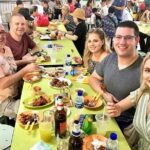
Most importantly, you get nine tastings plus refreshment. The tour food is described as “come hungry” sharing portions: a mix of 2 to 3 carb-based dishes, popular snacks, and heritage foods. In other words, you’re not paying for one or two bites and a lecture. You’re paying for a guided tasting circuit.
The downside is also clear: the tastings are not full restaurant meals. If your goal is to leave stuffed like you did a seven-course dinner, you may feel like the portions are more bite-sized than meal-sized.
Chinatown holds more lanes than one afternoon
How the walk is paced from Chinatown into Little India
This is designed as a walking tour with short, timed stops. Total duration is about 3 hours, and the schedule keeps the route from dragging. That’s a big deal in Singapore, where weather and foot traffic can change fast.
You’ll start in Chinatown (about 1 hour at the start area), then shift to Maxwell Food Centre for a compact food sprint, and continue into Little India for a longer market and street-snack section. Several stops include photo time, which helps break up the food rhythm without turning the tour into “look at buildings” only.
Because it’s a private group experience, you’re not stuck with a large crowd moving at a different speed than you do. Your guide can slow down when questions pop up, especially around food culture and religious context.
Chinatown start: alleyway street food stories you can picture
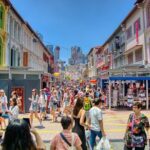
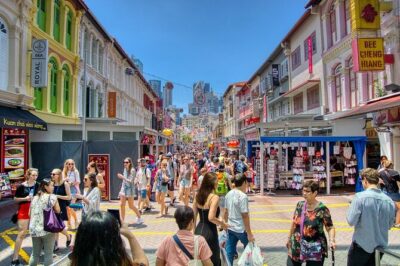
Stop 1 is Chinatown, and the time is built for walking. You’re taken through old streets and alleyways tied to the idea of traveling hawkers—food sellers who moved their goods to where people needed them. That context helps you understand why hawker culture in Singapore became such an everyday institution, not a tourist novelty.
You’re also told the bigger themes that connect to the rest of the tour: Singapore’s mixed cultures, how religion shows up in food habits, and how food systems developed over time. The tour description even points to topics like spices, slaughterhouses, and hawker centres—the kind of practical food history that makes the tastings land harder, because you know what you’re actually eating and why it’s part of local life.
One consideration: this portion is still a walk through streets, not a sit-down meal. Wear comfortable shoes, because you’ll want your feet to cooperate while the guide talks and you look for storefront clues.
Maxwell Food Centre: nine tastings in a half-hour
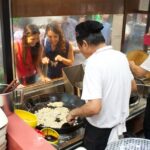
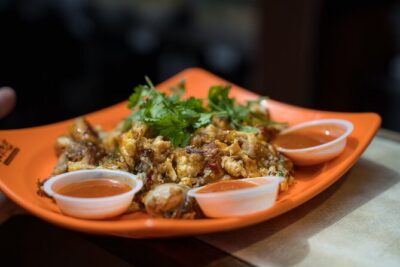
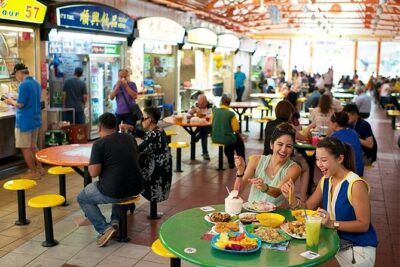
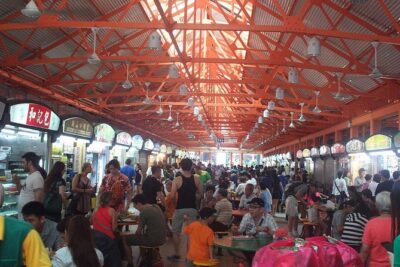
Stop 2 is the food centre moment most people remember: Maxwell Food Centre. The tour lays out a simple promise here—eating is a national pastime, and you’ll taste 9 different street-food tastings with multicultural influences.
Time is short here (about 30 minutes), which is a good thing. In a hawker setting, you can feel the energy quickly, and your guide keeps you moving between stalls so you get variety without losing your place in line or ending up with only one type of dish.
From a value standpoint, this is where the tour justifies its price. If you tried to build a similar tasting plan yourself, you’d likely spend extra time figuring out what to order, where to go next, and how to manage queues. This stop solves that for you.
If you have a sensitive stomach, plan to go steady. Singapore hawker food can be salty, spicy, and heavy on sauces. The guide will be making choices for you, but you’re still the one eating. Pace yourself between tastings so you can enjoy, not just survive.
From Tekka to the Sultan Mosque, more quarter time
- Singapore: Chinese, Indian & Arabic Quarters, Culture & Food Tour★ 5.0 · 789 reviews
- Singapore: Chinatown and Little India Guided Walking Tour★ 4.8 · 190 reviews
- #instawalk: Bugis, Waterloo, Kampong Glam★ 5.0 · 60 reviews
- Tasting Trails: Chinatown OR with Kampong Glam, Little India★ 5.0 · 59 reviews
Buddha Tooth Relic Temple and Museum: Tang-style architecture with context
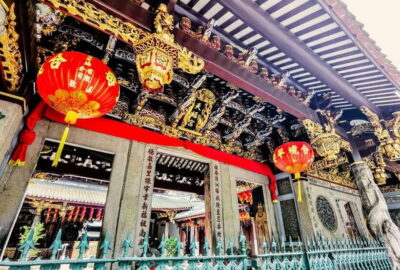
Stop 3 brings you into a standout Chinatown landmark: Buddha Tooth Relic Temple and Museum. You’ll see a Chinese temple designed in a Tang style, and you’ll also have time for photos.
What I like about including a temple stop on a food tour is that it connects food culture to place. Religion shapes daily habits—what people eat, when they gather, and how communities mark events. Even if you’re not religious, it gives your tasting route a stronger backbone.
This stop is also short (about 15 minutes), so it doesn’t derail the food focus. You get a sense of the scale and look of the temple, then you move on.
Quick note: temples usually mean dress codes. The tour asks for casual attire, but I’d still keep shoulders and knees covered enough to feel comfortable entering.
Tekka Centre in Little India: roti, prata, rojak, and more
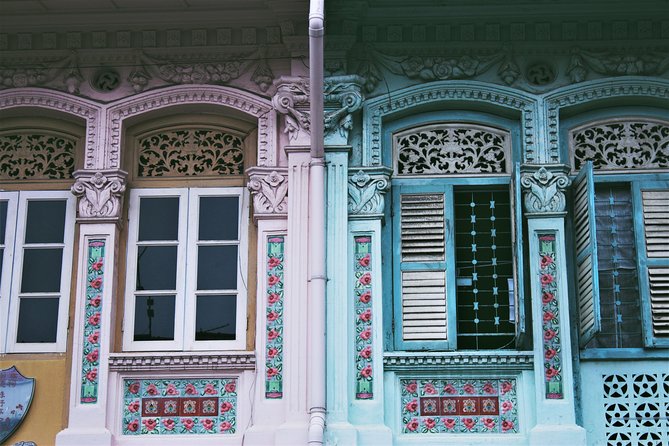
Stop 4 is Tekka Centre, and the timing (about 40 minutes) signals that this is one of the main food blocks. Here, you’re in Little India territory, where flavours can shift from sweet to tangy to spicy fast.
You’ll taste a selection of local foods such as roti prata (Indian flat bread) and rojak, plus other local favourites. Tekka Centre works well for tours because it’s a real food marketplace setting. You get the feeling of busy commerce, not just a curated tasting corner.
This is also the part of the tour where you’ll likely notice spice talk becoming practical. The tour overview specifically says you’ll learn about spices, and that kind of explanation makes sense here—you’re tasting flavours with clear ingredient logic, not abstract “Asian taste notes.”
One watch-out: this is not a food tour built for vegan or gluten-free needs. Tastings can include ingredients such as soy, gluten, wheat, chicken, pork, dairy, nuts, and spices. If you have allergies, you need to know what you can safely eat before you show up.
Serangoon Road: street snacks, shopfronts, and street art
Stop 5 moves along Serangoon Road for about 15 minutes. This is a quicker hop focused on atmosphere and snacks. The tour description highlights Indian street snacks, plus the chance to spot hidden street art and shops along the major thoroughfare of Little India.
Even in a short window, this stop helps you see the neighborhood as a living place rather than just a market with attractions. It’s the “walk and look” portion—less about a single signature dish, more about how street life feels as you transition from stall to stall.
If it’s hot or rainy (and it often is), this segment can feel like a lot of exposure. Bring water and keep the route in mind so you don’t feel rushed.
A Hindu temple with a Japanese War story
Later in Little India, you’ll visit another historic temple stop tied to a hard chapter of Singapore history. The tour notes that it was once a place of refuge during the Japanese War Occupation, and you’ll hear how it remains relevant to the Hindu community today, plus have photo opportunities.
I appreciate this kind of stop because it doesn’t get stuck on “religion as scenery.” It ties faith to continuity—how a space stays meaningful through time, even when the world around it changes.
The tour doesn’t give a specific temple name in the details you provided, so I’d just go in expecting a short, guided cultural moment rather than a museum-level deep history lecture.
The last surviving Chinese villa in Little India
Another photo-friendly stop is described as the last surviving Chinese villa in Little India, a hybrid of Malay, Chinese, and European architectural influences.
This matters for food-tour travellers because architecture often explains migration patterns. When communities cluster and build, you can see how “local” food culture forms from movement, adaptation, and mixing.
Again, this is a short stop focused on seeing and photographing. Don’t plan on it replacing your main food time.
Campbell Lane: flower garland artisans and the Little India scene
Stop 6 is Campbell Lane for about 15 minutes. This is local life in a nutshell: flower garland artisans, street markets, and nearby cultural space like the Little India Heritage Centre.
The best part of this section is that it’s not just about eating. It shows you the ingredients and traditions that feed into food culture—garlands for ceremonies, the rhythm of market streets, and the way Little India maintains a distinctive identity within a modern city.
If you’re trying to understand Singapore beyond hawker centres, this lane and its context help.
Dietary needs and allergy reality check
This tour includes food with ingredients like soy, gluten, wheat, chicken, pork, dairy, nuts, and spices, which is why it’s not suitable for travellers who are vegan, gluten intolerant, or have allergies.
That doesn’t mean the tour is useless if you have restrictions. It means you must treat it like a serious planning task. The reviews include positive comments about guides working with dietary restrictions, but the official guidance still says it’s not suitable for certain categories of needs.
My practical advice: if you fall into a restricted eating group, don’t assume you’ll be able to swap. Contact the operator with your exact needs early, and ask what can change in the tasting plan without putting you in unsafe territory.
Also remember: these are shareable tasting portions. That’s great for variety, but it can make it harder to keep one person’s allergies separate from shared plates. Plan accordingly.
What to bring (so the tour doesn’t feel like a chore)
Singapore’s weather and walking pace can turn comfortable plans into sweaty ones fast. The tour suggests you bring a poncho or umbrella and water to stay hydrated. That’s exactly what I’d do.
For clothes and shoes: casual attire and comfortable footwear is the smart baseline. Since you’ll be in public markets and near temples, shoes you can walk in for real distance matter more than style.
And bring a mindset of: come hungry. Tastings are meant for sharing and will include a mix of carb-based dishes and snacks. You’ll want room in your stomach and attention for the guide’s food explanations.
Guides who make the history stick (and why names matter)
One of the strongest signals from the high ratings is guide quality. In the reviews, people praised guides for two things: connecting the food to history and culture, and being practical about the experience.
Rachel is mentioned as a guide who shared a lot of Singapore history in addition to food stops and was described as caring and knowledgeable. Kelvin shows up in another review praising the variety of tastings and enjoyment of the private food and culture format. Corliss is mentioned for helping with navigation, including subway steps, and for making sure the walk worked even as dishes got spicier.
That matters because Chinatown and Little India aren’t just different menus. They’re different layouts, different crowds, and different “where do I go next” problems. A good guide reduces that friction so you spend your energy eating and learning instead of decoding streets.
Who this private Chinatown and Little India tour is for
This tour fits best if you want Singapore food with context and you like guided walks more than self-guided wandering.
I’d especially recommend it if:
- You want a structured plan across two neighbourhoods in a short time
- You like learning why foods exist here, including the cultural and religious links
- You’d rather let someone else handle ordering and switching stalls during busy hawker-centre time
- Your group values variety, so you’d enjoy multiple shareable bites instead of one big meal
It may not fit if:
- You need vegan, gluten-free, or allergy-safe choices
- You’re expecting restaurant-size portions
- You prefer quiet, minimal walking with lots of seated time
Should you book this private Singapore food tour?
Book it if you want a reliable, guided way to taste across Chinatown and Little India and you’re excited by the idea of food as history—spices, community, religion, and the hawker culture that Singapore is known for.
Skip or rethink if you’re allergy-restricted or gluten intolerant, because the tour includes common allergens and isn’t listed as suitable for those categories. Also consider value: you’re paying for a licensed private guide, transport support, and multiple tastings, not an all-you-can-eat feast.
If your group is flexible, hungry, and open to learning while you walk, this tour is a strong way to spend a half-day in Singapore—mixing temple sights, market energy, and enough street-food variety to leave you with real memories, not just one dish.
FAQ
How long is the private tour?
It runs for about 3 hours.
Where does the tour start and end?
It starts at Chinatown MRT station and ends near Little India MRT station.
What’s included in the tasting count?
You get 9 authentic street food tastings, along with refreshment and snacks meant for sharing.
Is hotel pickup available?
Yes, hotel pickup is available for the with pickup option. Private transportation and drop-off are not included.
Is the tour suitable for vegan or gluten-intolerant guests?
No. Tastings include ingredients such as soy, gluten, wheat, meats, dairy, nuts, and spices, so it’s not suitable for travellers who are vegan, gluten intolerant, or have allergies.
What should I bring for the tour?
Wear casual clothes with comfortable footwear, and bring a poncho or umbrella plus water.
Hawker Stalls Left on the List

Little India and Kampong Glam, Continued
Chinatown, Lane by Lane
Fresh Reviews from the Little Red Dot
- Night Safari Tickets with Tram Ride
★ 4.5 · 3 reviews - Singapore: Architecture and Food Tour with Tastings
★ 5.0 · 3 reviews - Singapore Private Full-Day Sightseeing Tour
★ 5.0 · 3 reviews - Private Chinatown Heritage Tour with Best 8 Local Tastings
★ 5.0 · 3 reviews
Chinatown Tours & Tastings, compared.
 ★ 5.0Chinatown, Little India, Kampong Gelam City Highlights TourFrom $80224 reviews
 ★ 5.0Chinatown Hawker Market Food Tour with 7 Food TastingsFrom $146213 reviews
Chinatown, Little India, Arab Street Walking TourFrom $53207 reviews
★ 5.0Chinatown Hawker Market Food Tour with 7 Food TastingsFrom $146213 reviews
Chinatown, Little India, Arab Street Walking TourFrom $53207 reviews
 ★ 4.8Chinatown and Little India Guided Walking TourFrom $78190 reviews
 ★ 5.0Chinatown Historic Walking Tour with LunchFrom $54134 reviews
 ★ 5.0Chinatown Hawker Food Tasting TourFrom $8896 reviews
 ★ 4.5Kampong Glam, Little India & Chinatown with Local Street Food TastingsFrom $17770 reviews
 ★ 5.0Chinatown Heritage Centre (Admission Ticket)From $2065 reviews
Browse the lists this tour appears in