
Reviewed · CHINATOWN TOURS & TASTINGS
Singapore Chinatown, Kampong Glam, Little India Cultural Tour
Three cultures, one easy walking route. This tour links Chinatown, Kampong Glam, and Little India so you can see how Singapore keeps different traditions side by side in real neighborhoods. I like that you get a licensed English/Chinese-speaking guide plus the big-name sights you’d otherwise pay to enter, since the temple and landmark admissions listed here are free.
The one thing to plan around is the pace. It runs about 4 hours and mixes temples, lanes, and shopping areas, so if you’re not comfortable with steady walking in a compact area, you may feel it.
In This Review
- Key Points You’ll Care About
- A 4-hour loop across Singapore’s Chinatown, Kampong Glam, and Little India
- Getting Started: Where to Meet and How to Stay Smooth
- Chinatown: Shophouses, Buddha Tooth Relic Temple, and Sago Lane murals
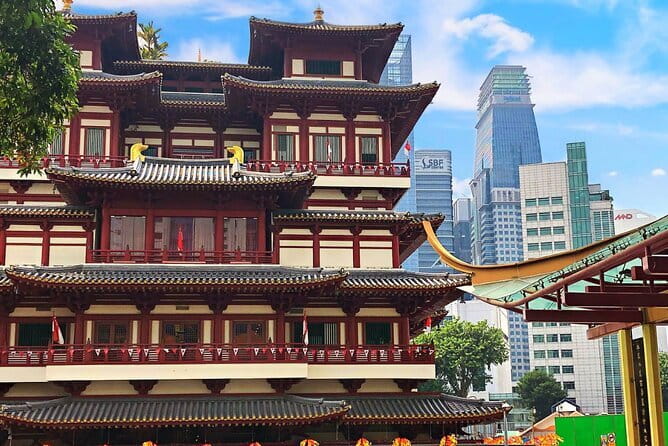
- Buddha Tooth Relic Temple: more than a photo stop
- Sri Mariamman Temple: where the colors explain the culture
- Sago Lane street murals: the urban storytelling you can’t ignore
- Kampong Glam: Sultan Mosque, Haji Lane, and the street-art mindset
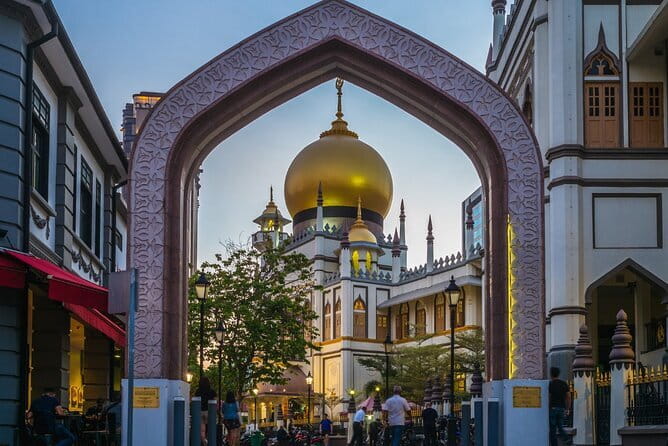
- Sultan Mosque: a landmark you can orient around
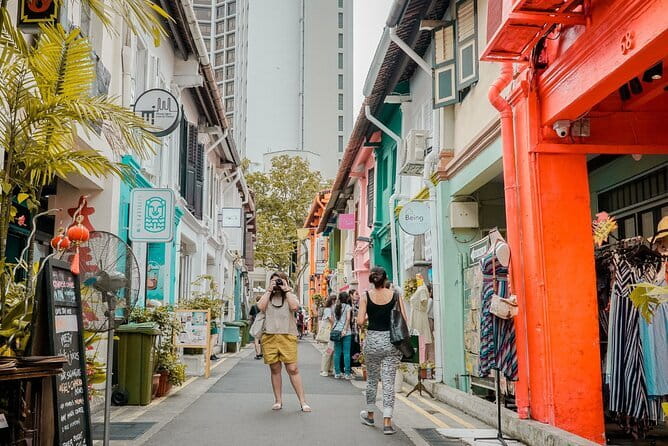
- Haji Lane: Instagram-friendly lanes with real character
- Shophouses and street art: the in-between details matter
- Little India: Tekka Centre, House of Tan Teng Niah, and Sri Veeramakaliamman Temple
- Tekka Centre: a market-style pulse point
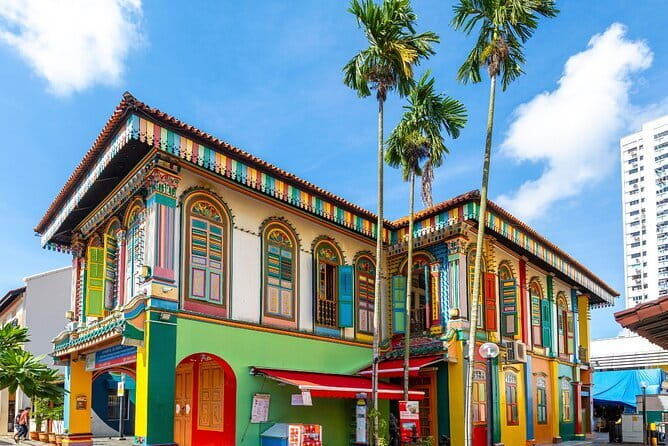
- House of Tan Teng Niah: the neighborhood’s architecture story
- Little India Arcade: shopping history and street-level variety
- Sri Veeramakaliamman Temple and street murals
- Where the tour ends: near Little India MRT
- Why the Three-Neighborhood Theme Works (And What You Learn Fast)
- Price and Value: What $88 Buys You
- What to Wear, Bring, and Plan for (So You Enjoy It)
- Who This Tour Is For (And Who Might Skip It)
- Should You Book This Cultural Tour?
- FAQ
- What is the duration of the Singapore Chinatown, Kampong Glam, Little India cultural tour?
- How much does the tour cost?
- Are tickets to the included attractions included in the price?
- What languages does the tour guide speak?
- Is transportation included?
- Where is the meeting point?
- Where does the tour end?
- Is this tour in a small group?
- What should I bring since bottled water is not included?
- What is the cancellation policy?
Key Points You’ll Care About
- Three neighborhoods in one half-day loop: You cover the main areas tied to Singapore’s Chinese, Malay, and Indian communities without spending the day commuting.
- Free admission at the included stops: Temples and major sights on the route are listed as ticket-free for the tour.
- Small groups (max 10): Easier questions, clearer navigation, and a better chance to adjust if your day needs flexibility.
- Bilingual, licensed guide: You’ll have a professional guide who can explain details in English and Chinese.
- Photo-friendly street art and lanes: Murals in Chinatown and colorful backstreets like Haji Lane are built into the route.
A 4-hour loop across Singapore’s Chinatown, Kampong Glam, and Little India
Singapore can feel orderly, even polished—but these three districts show the city’s social texture. I like the way this tour uses walking as the main tool: you don’t just look at landmarks, you move through the streets where people actually shop, pray, and hang out.
You’ll spend most of your time in older streets and shop-house areas, then connect to places with stronger visual identity. The result is a day that feels like a guided “map lesson,” not a checklist. It’s also designed for a moderate fitness level, so you’ll have enough movement to feel you went somewhere, without long-haul hiking.
Getting Started: Where to Meet and How to Stay Smooth
You start at Nanyang Old Coffee, 268 S Bridge Rd, Singapore 058817. The location is close to public transportation, which matters in Singapore because “getting there” can be the difference between an enjoyable morning and a stressful one.
You’ll also get a mobile ticket, so you’re not digging through printed vouchers. Keep your phone charged, especially since you’ll be bouncing between lanes, shopping streets, and temple areas across three neighborhoods.
One practical note: bottled water isn’t included. I’d plan to grab water near a stop if you feel thirsty—this keeps you from needing to hunt later when you’re already in temple queues or busy shopping corridors.
Chinatown holds more lanes than one afternoon
Chinatown: Shophouses, Buddha Tooth Relic Temple, and Sago Lane murals
Chinatown is where Singapore’s old storefront energy is easiest to understand. You’ll look at the historic shophouses, then shift into temple visits where architecture and symbolism do most of the talking.
Buddha Tooth Relic Temple: more than a photo stop
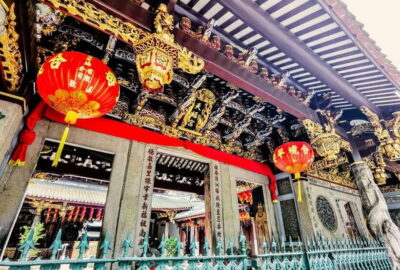
The Buddha Tooth Relic Temple is one of the included anchor sites. Even if you’re not a “temples on vacation” person, it’s a strong stop because it gives you a sense of how religious sites can be community landmarks, not just tourist sights.
What I like here is that you’re not treated like you’re passing through. A licensed guide can help you notice what you’d normally miss—things like how the space works, what to look for, and what the site represents in the neighborhood.
Sri Mariamman Temple: where the colors explain the culture
Next comes the Sri Mariamman Temple. This is the kind of place where details matter: the look of the entrance, the atmosphere, and the way the temple fits into its street setting.
For many visitors, this is where the tour shifts from “sightseeing” to “understanding.” You start to connect the visual style—colors, carvings, and iconography—to the lived culture around the temple.
From Tekka to the Sultan Mosque, more quarter time
- Singapore: Chinese, Indian & Arabic Quarters, Culture & Food Tour★ 5.0 · 789 reviews
- Singapore: Chinatown and Little India Guided Walking Tour★ 4.8 · 190 reviews
- #instawalk: Bugis, Waterloo, Kampong Glam★ 5.0 · 60 reviews
- Tasting Trails: Chinatown OR with Kampong Glam, Little India★ 5.0 · 59 reviews
Sago Lane street murals: the urban storytelling you can’t ignore
After temples, you’ll walk Sago Lane to see the colorful street murals. This is smart pacing: you move from formal religious spaces to street-level art where creativity is part of daily life.
It’s also a good moment to slow down and take photos. Murals are flat-out practical for travel memory—you can recreate the scene later and remember why it mattered.
Kampong Glam: Sultan Mosque, Haji Lane, and the street-art mindset
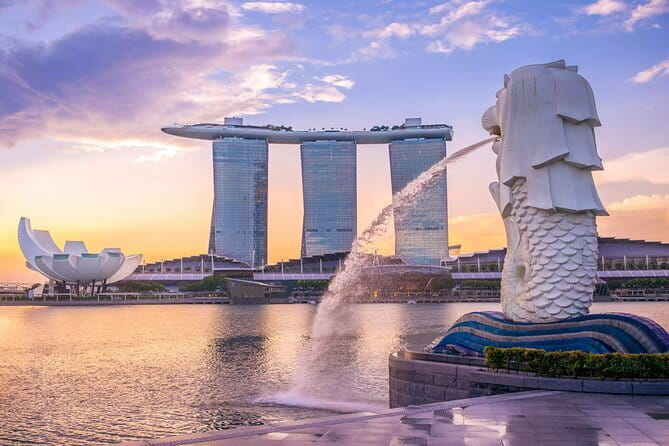
Kampong Glam is where you can feel the Malay-Muslim cultural center shift the mood of your day. The area is closely tied to the Sultan Mosque, and then it turns visual fast with lane scenes like Haji Lane.
Sultan Mosque: a landmark you can orient around
The Sultan Mosque gives you a clear “north star” for this district. Even if you’re just using it as an orientation point, it helps you understand where you are and why the neighborhood is shaped the way it is.
A guide also helps you move through with respect. In places like this, it’s not only about seeing; it’s about knowing what behaviors fit the setting.
Haji Lane: Instagram-friendly lanes with real character
Haji Lane is included for its photo power and style. It’s the kind of street where storefronts, murals, and small-scale architecture create that “Singapore, but not generic” feel.
I like that this stop isn’t only about images. When your guide explains the neighborhood identity, you start to notice the theme: how tradition and trend live close together here.
Shophouses and street art: the in-between details matter
You’ll also pass charming shophouses and street art in Kampong Glam. These in-between blocks are often where you get the best sense of local life—what shops look like, what streets people choose to linger in, and what kinds of signs show up repeatedly.
This section is a good reset before Little India. You end with a lot of visual input, which makes the next district feel like a new chapter.
Little India: Tekka Centre, House of Tan Teng Niah, and Sri Veeramakaliamman Temple
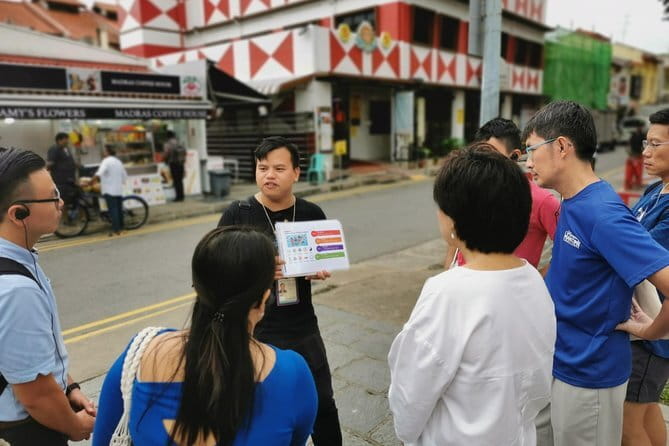
Little India brings a different rhythm: more spice-scent impressions, more market energy, and a wider mix of daily shopping with major temple landmarks.
Tekka Centre: a market-style pulse point
You’ll visit Tekka Centre, which works well as a practical stop. Markets aren’t only for shopping; they’re how you see what’s important right now—foods, produce, and everyday goods.
If you want to understand the neighborhood fast, this is a solid anchor because markets show you local demand in a way museums rarely do.
House of Tan Teng Niah: the neighborhood’s architecture story
Next is the House of Tan Teng Niah. This is the kind of stop that helps you see how historic Singapore wealth and design can still influence street character today.
It’s also a useful contrast to the temple and market stops. You get a sense of “people lived like this too,” not just “we have buildings from the past.”
Little India Arcade: shopping history and street-level variety
Then you’ll check Little India Arcade. Arcades are practical because they show how commerce moved and adapted. You get an enclosed-but-active feel, which can be a lifesaver when the weather changes.
Sri Veeramakaliamman Temple and street murals
You’ll also visit Sri Veeramakaliamman Temple, plus street murals around the district. The temple anchors the neighborhood in devotion and community life, while the murals let you see creativity as part of the public landscape.
This pairing makes Little India feel complete. You don’t just do one kind of cultural stop—you get both spirituality and street expression.
Where the tour ends: near Little India MRT
The tour ends at Little India, near the Little India MRT station. That matters because it gives you an easy off-ramp once the walking is done. If you’re heading to dinner or back to your hotel, you’ll already be close to transit.
Why the Three-Neighborhood Theme Works (And What You Learn Fast)
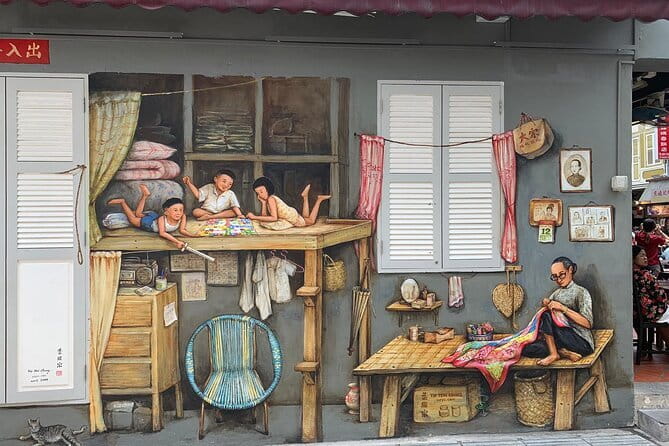
This tour isn’t only about temples and pretty lanes. Its core idea is how Singapore lets Chinese, Malay, and Indian communities live side by side with visible cultural markers.
That theme matters because Singapore can look uniform at first glance. By walking through districts with different architectural styles and religious landmarks—plus street art—you get a quick education in how diversity shows up physically.
You’ll also learn in a very practical way. A licensed bilingual guide can answer questions about what you’re seeing and how to interpret it. The names Ganesh and Joyce come up often in past group feedback for adding strong context and helping people connect details to the bigger story.
One more value point: this kind of tour works best when the guide can adjust. Some groups note guides helped them when they’d already seen part of Chinatown, and they even assisted with staying on track in crowded conditions like Deepavali.
Price and Value: What $88 Buys You
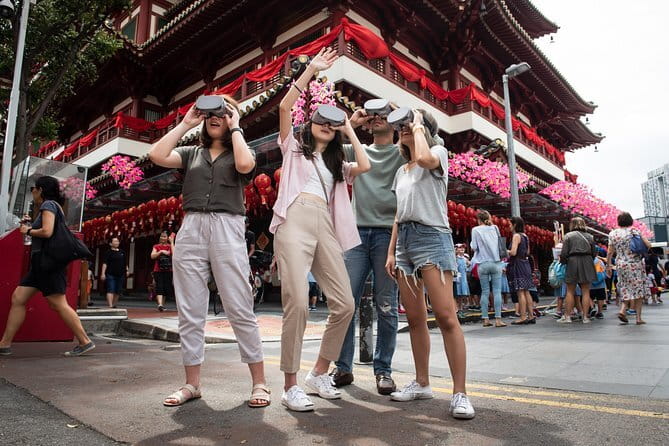
At $88 per person, you’re paying for a guided loop with multiple anchor sights across three neighborhoods. The “value” isn’t just that it’s guided—it’s that you’re getting structure around stops that would take planning on your own.
Here’s what stands out as value drivers:
- The included guide is professional and licensed, speaking English/Chinese.
- The admissions listed for the key stops are free, so you’re not building your day around surprise ticket costs.
- You’re getting a compact half-day plan that ends near transit, which reduces decision fatigue.
What’s not included is also clear: private transportation and bottled water. If you were thinking you need a driver or a car, you’ll want to plan on using public transit and grabbing water along the way.
What to Wear, Bring, and Plan for (So You Enjoy It)
Since this is mostly walking between temple areas and shopping streets, your comfort kit matters more than you’d think.
I’d bring:
- Comfortable shoes for street walking
- A light layer, since Singapore weather can shift
- Your phone for the mobile ticket
- Water on hand (since bottled water isn’t included)
As for timing, the tour runs about 4 hours, and it includes temple visits and neighborhood wandering. Plan your schedule after in a low-stress way. This is not the tour you stack right before a formal event unless you enjoy being rushed.
Who This Tour Is For (And Who Might Skip It)
This tour is a strong match if you want:
- A fast way to understand Singapore’s cultural districts
- Major landmark stops without ticket hassles
- A small group experience, capped at 10 travelers, with time for questions
It’s also good for visitors who want street-level culture. The route includes street murals in Chinatown, Haji Lane, and murals in Little India, so you’ll see the city’s visual personality, not just its monuments.
You might choose something else if you hate walking, or if you only want one neighborhood and don’t care about seeing cultural contrasts across the city. The route is compact, so it’s designed for people who like “see a lot, with context.”
Should You Book This Cultural Tour?
I think it’s an easy yes for first-timers or anyone who wants a focused introduction to Singapore’s cultural geography. The big reason is the blend: temples and architecture in three different districts, plus street art and everyday shopping scenes in between.
Book it if you’ll appreciate guidance through cultural landmarks, want a small-group feel, and like having a plan that ends near transit. If you’re sensitive to walking time, build in extra time for breaks and keep your expectations realistic for a 4-hour loop.
FAQ
What is the duration of the Singapore Chinatown, Kampong Glam, Little India cultural tour?
It runs for about 4 hours.
How much does the tour cost?
The price is $88.00 per person.
Are tickets to the included attractions included in the price?
The listed admissions for the stops are free.
What languages does the tour guide speak?
The tour includes a professional guide who speaks English and Chinese.
Is transportation included?
Private transportation is not included.
Where is the meeting point?
The start point is Nanyang Old Coffee, 268 S Bridge Rd, Singapore 058817.
Where does the tour end?
The tour ends at Little India, near Little India MRT station.
Is this tour in a small group?
Yes. The maximum group size is 10 travelers.
What should I bring since bottled water is not included?
Bring bottled water or be ready to buy water during the tour.
What is the cancellation policy?
You can cancel up to 24 hours before the experience for a full refund.
Old Singapore, Retold


Little India and Kampong Glam, Continued

Chinatown, Lane by Lane
Fresh Reviews from the Little Red Dot
- Night Safari Tickets with Tram Ride
★ 4.5 · 3 reviews - Singapore: Architecture and Food Tour with Tastings
★ 5.0 · 3 reviews - Singapore Private Full-Day Sightseeing Tour
★ 5.0 · 3 reviews - Private Chinatown Heritage Tour with Best 8 Local Tastings
★ 5.0 · 3 reviews
Chinatown Tours & Tastings, compared.
 ★ 5.0Chinatown, Little India, Kampong Gelam City Highlights TourFrom $80224 reviews
 ★ 5.0Chinatown Hawker Market Food Tour with 7 Food TastingsFrom $146213 reviews
Chinatown, Little India, Arab Street Walking TourFrom $53207 reviews
★ 5.0Chinatown Hawker Market Food Tour with 7 Food TastingsFrom $146213 reviews
Chinatown, Little India, Arab Street Walking TourFrom $53207 reviews
 ★ 4.8Chinatown and Little India Guided Walking TourFrom $78190 reviews
 ★ 5.0Chinatown Historic Walking Tour with LunchFrom $54134 reviews
 ★ 5.0Chinatown Hawker Food Tasting TourFrom $8896 reviews
 ★ 4.5Kampong Glam, Little India & Chinatown with Local Street Food TastingsFrom $17770 reviews
 ★ 5.0Chinatown Heritage Centre (Admission Ticket)From $2065 reviews
Browse the lists this tour appears in