
Reviewed · HAWKER & STREET FOOD TOURS
Pau Making Workshop With Dim Sum Tasting and Factory Tour
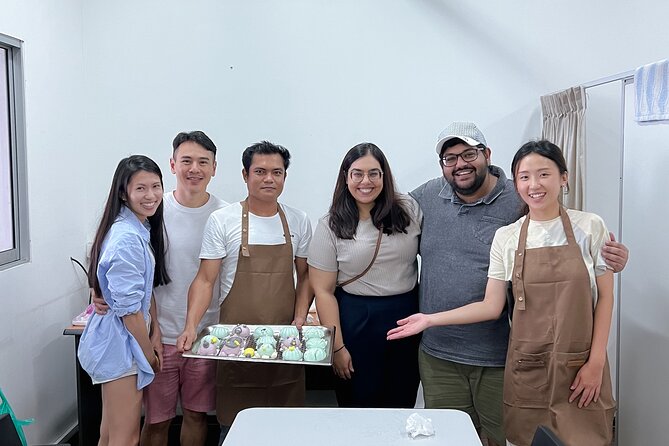
Paus get serious when you learn to pleat. In this hands-on pau making workshop, you’ll shape your own buns and then get to taste dim sum made for Singapore’s halal market. I also like how the session explains the process behind the food, not just the final bite. One possible drawback: the Food Xchange @ Admiralty location can be a little tricky to find at first, so give yourself a few extra minutes at the start.
You’ll spend about 2 hours with a private group while an instructor team (including Thu and Shi Min) helps you get the dough work and the pleating looking right. Then you’ll take a mini factory tour to see how paus are made and how the business handles accreditations, plus its efforts around food waste. If you’re vegetarian, plan ahead: you’ll need to contact the operator at least 24 hours before so they can prepare suitable options.
In This Review
- Key things you’ll enjoy most
- Where Chinese-style pau meets Singapore’s halal food world
- Price and group size: what you’re really paying for
- Finding Nury Dian Xin at Food Xchange @ Admiralty
- The 2-hour workshop flow: what happens once you arrive
- 1) Getting set up for pau pleating
- 2) Tasting halal dim sum during the workshop
- 3) Mini factory tour: how the food gets made
- Why the pleating lesson is more than a cute craft
- What you’ll learn about halal dim sum in Singapore
- Sustainability and compliance, explained without making it scary
- Who this workshop suits best
- A couple of realistic considerations before you book
- Should you book the Pau Making Workshop with Dim Sum Tasting and Factory Tour?
- FAQ
- How long is the pau making workshop?
- Is this a private tour or shared experience?
- What’s the group size limit?
- What’s included in the price?
- Do I need to bring anything?
- Where do we meet?
- Is it near public transportation?
- Do they offer vegetarian options?
- When do I get confirmation after booking?
- What are the cancellation rules?
Key things you’ll enjoy most
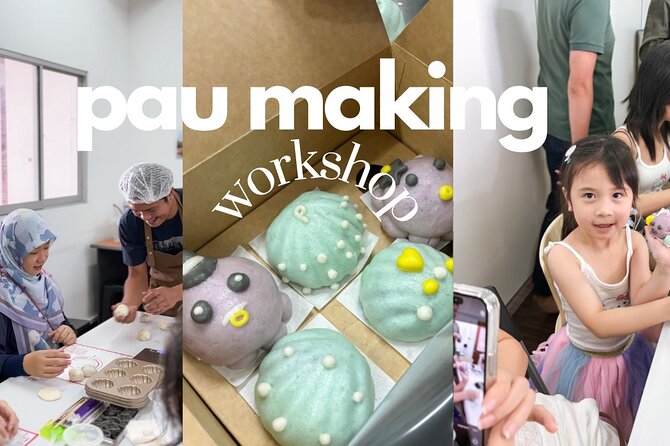
- Pau pleating practice with take-home packaging, so your work doesn’t end when class ends
- A dim sum platter included (siew mai, pau, lor mai kai), with a tastings focus on halal production
- A mini factory tour that shows how paus are manufactured and how compliance works
- Singapore’s halal dim sum blend in plain terms, pairing Chinese-style buns with Muslim-friendly Singapore flavours
- A guided private group experience, so you’re not stuck watching from the sidelines
Where Chinese-style pau meets Singapore’s halal food world
If you like food that tells a story, this is a smart choice. Singapore’s food scene is a mix of cultures, and this workshop shows that through Chinese dim sum traditions that have been adopted for the Muslim community here. You’ll get hands-on with pau making, then taste a small selection of dim sums, and finally walk through a factory-style tour that’s meant to explain how the work gets done at scale.
What I find most valuable is that you’re not just learning a craft for show. You’re also learning how the product is built, managed, and produced in a real Singapore food industry setting. That turns a fun class into something you can actually talk about later, especially if you enjoy food culture beyond just ordering off a menu.
Price and group size: what you’re really paying for
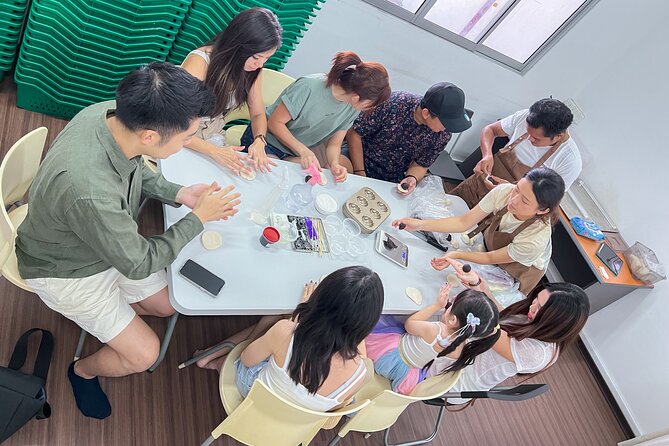
This costs $644.33 per group, and the listing says up to 15 people per group. At the same time, the experience is described as a private workshop where your group can be up to 24 pax. That mismatch matters, because it changes the effective per-person value.
Here’s how to think about it:
- If your group is closer to 15, the cost spreads out more, and you’re effectively paying for a private 2-hour class plus tasting plus a factory tour.
- If you’re traveling with a smaller group, you may feel the price more, since it’s still priced per group.
Either way, the class includes pau baking equipment, ingredients, packaging, and an included dim sum platter. Since drinks aren’t included, plan on buying your own afterward if you’re thirsty. For families, friend groups, or anyone who wants an activity with a clear endpoint and take-home food, the structure can feel like good value.
Still hungry? The hawker trail keeps going
Finding Nury Dian Xin at Food Xchange @ Admiralty
The meeting point is Nury Dian Xin Delight Pte. Ltd., 8A Admiralty St, #07-34 Food Xchange @ Admiralty, Singapore 757437.
Two practical notes that will save you time:
- It’s near public transportation, so you should be able to reach it without stress.
- It can be hard to locate using Google Maps at first, so aim to arrive early and use nearby building cues when you get close.
One nice thing: there’s ample parking near the lift lobby at the first floor, which helps if you’re arriving by car. Since your session is only about 2 hours, arriving a bit early is the simplest way to keep the day smooth.
The 2-hour workshop flow: what happens once you arrive
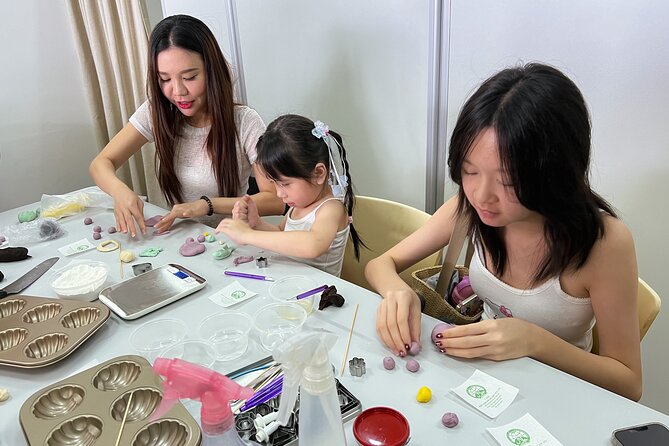
This is a private experience, so you’ll be with only your group. That matters because pau making is hands-on. You can actually ask questions, adjust your technique, and get help if your dough feels too sticky or too dry.
Even without seeing the exact minute-by-minute agenda, the workshop is clearly built around three phases:
1) Getting set up for pau pleating
You’ll get pau baking equipment, plus ingredients and packaging. Then the focus turns to pleating—those folds that make a pau look like it belongs on a dim sum table.
This part is fun because it’s a skill you can see instantly. If you’re starting from zero, you might be surprised how much technique affects the final shape. The goal isn’t just cutting into the dough; it’s learning how to make tight, even pleats that keep the bun looking neat.
From wet market to wok, more sessions
- Experience Singapore: Cultural Cooking Class★ 5.0 · 1,514 reviews
- Singapore Market to Table Culinary Experience (Wet Market Tour included)★ 5.0 · 479 reviews
- Singapore: Chinatown Hawker Market Food Tour with 7 Food Tastings★ 5.0 · 213 reviews
- Singapore: Hands-on Cooking Class with Cultural Immersion★ 4.9 · 107 reviews
2) Tasting halal dim sum during the workshop
You’ll be served a snacks platter that includes:
- Siew Mai
- Pau
- Lor Mai Kai
You’re also told you’ll taste the best-selling dim sums. Practically, this tasting slot works as both a break and a checkpoint. You get a chance to enjoy what you’re learning about, while also grounding the class in the real products Nury Dian Xin is known for.
One thing to plan for: drinks aren’t included. If you’re coming from sightseeing or you tend to get thirsty while cooking, you’ll want to pick something up nearby before class or grab it after.
3) Mini factory tour: how the food gets made
After you finish your making-and-tasting portion, you’ll get a mini tour around the premise. This isn’t presented as a distant viewing experience. It’s meant to help you understand the manufacturing process of paus and how the company handles required accreditation and compliance.
You’ll also hear about partnerships related to food waste reduction and community efforts. That’s important because it adds context. Food waste and compliance are easy words on a website, but watching the process helps you understand why those systems exist in the first place.
Why the pleating lesson is more than a cute craft
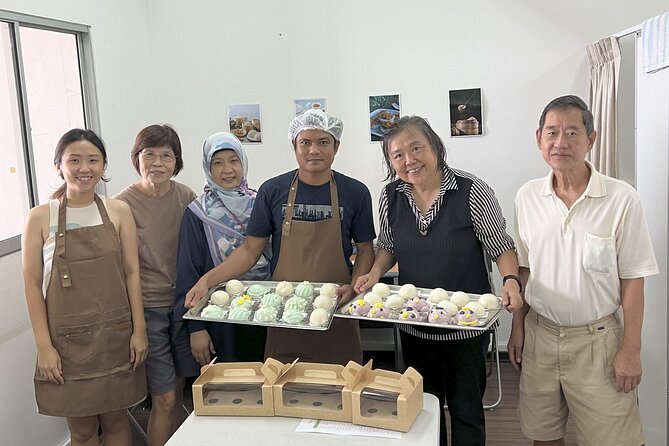
I like that the workshop treats pau making as a real technique, not just decoration. The dough handling and the pleating rhythm are the core skills. Once you get the hang of it, you’ll likely realize what makes a good pau look good: consistent folds, good dough tension, and a neat seal.
If you’re traveling with kids, this is also a strong pick because you get a visible result. In about two hours, you’ll walk out with something you made and can show people. It’s a rare souvenir that you can actually eat.
If you’re traveling solo or as a couple, it still works well. Private-group format means you won’t be stuck waiting your turn in a giant class. You’ll have enough room to focus on the skill without constantly sharing space with strangers.
What you’ll learn about halal dim sum in Singapore
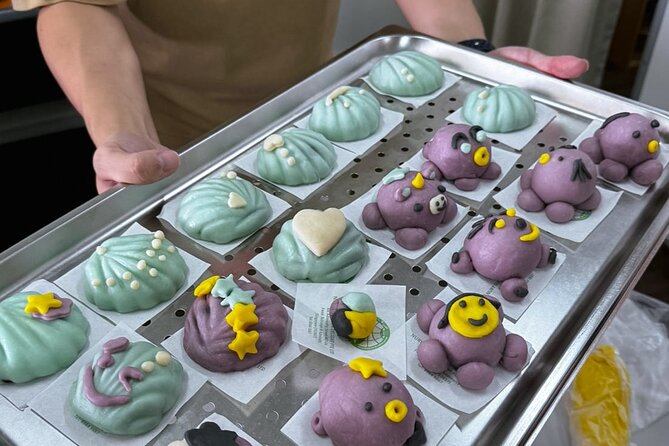
The description frames this as a blend: Chinese dim sum adopted for the Muslim community in Singapore. In a practical sense, that means you’re stepping into a version of Chinese dim sum culture that fits halal requirements in the local food ecosystem.
You don’t need a background in Singapore’s food history to get value from that. What you get instead is a clear, food-centered lesson: how a major halal dim sum producer builds products for this market, and how the workshop’s tastings connect to real production.
That “why this exists” layer is one reason this feels more meaningful than a basic cooking demo.
Sustainability and compliance, explained without making it scary
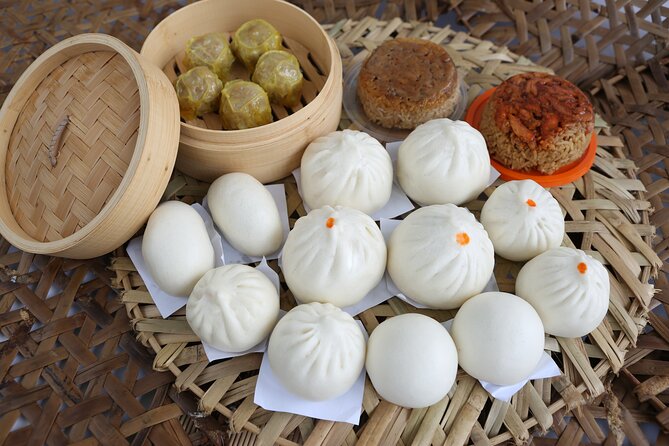
Some food workshops mention sustainability, but keep it vague. Here, you’re told there will be a better understanding of:
- the manufacturing process
- accreditation/compliance requirements
- partnerships and efforts aimed at combating food waste
The practical takeaway is simple: a food factory isn’t just about cooking. It’s about quality control, standards, and systems that keep output consistent. The tour gives you context for why those rules exist and why they matter to the people who buy and serve these products.
And if you care about sustainability, the fact that the tour points to food waste reduction efforts is a meaningful bonus. You learn that the business is thinking about the full lifecycle, not only the final tray.
Who this workshop suits best
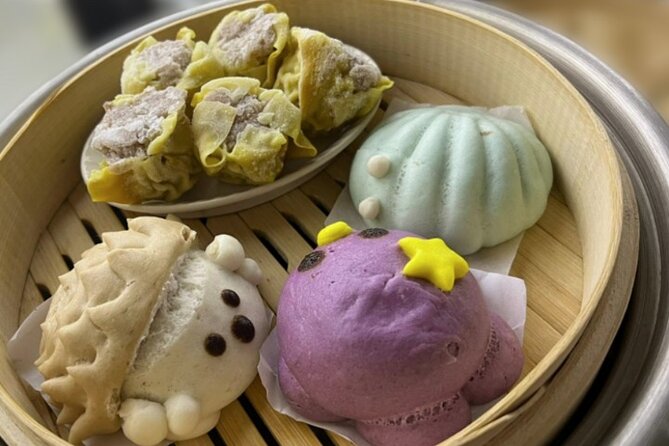
This is a strong fit for:
- Friend groups who want a hands-on activity plus a meal-like tasting
- Families looking for something more interactive than a typical sightseeing stop
- Food lovers who like learning how products get made in Singapore, not just eating them
- Anyone who wants a take-home edible souvenir that looks like a real skill
It’s especially good if you like dim sum enough that you’re willing to spend time on the craft behind it.
A couple of realistic considerations before you book
A few things to keep in mind so you’re not surprised:
- Location can be a bit awkward to find at first. Give yourself extra time to get your bearings.
- Drinks aren’t included, so plan for hydration.
- If you need vegetarian options, you must contact the operator at least 24 hours before so instructors can prepare suitable items.
Also, because it’s private and group-based, the value of the price depends on how many people are in your booking group.
Should you book the Pau Making Workshop with Dim Sum Tasting and Factory Tour?
Yes, you should book it if you want a hands-on Singapore food experience with an actual takeaway. The mix of pau pleating, an included dim sum platter, and a factory tour makes it feel like more than a one-skill workshop.
Skip it only if you’re looking for a lightweight, no-effort activity. This is fun, but it does involve learning dough handling and pleating, and you’ll want to participate. If you’re the type who enjoys cooking classes and likes understanding how food production works, this one fits the bill.
If you can coordinate your group size, you’ll likely feel the price as fairer. And if you’re visiting Northern Singapore, this is also a nice change from the usual museum-and-market routine.
FAQ
How long is the pau making workshop?
It lasts about 2 hours.
Is this a private tour or shared experience?
It’s a private experience. Only your group participates.
What’s the group size limit?
The experience is described as for a private group up to 24 pax. The price is listed as up to 15 per group, so it’s worth confirming the practical group limit for your booking.
What’s included in the price?
Included are pau baking equipment, a dim sum platter (siew mai, pau, lor mai kai), and pau ingredients and packaging. Drinks are not included.
Do I need to bring anything?
The ingredients, equipment, and packaging are provided. Drinks are not provided, so you may want to bring or buy something to drink.
Where do we meet?
Meet at Nury Dian Xin Delight Pte. Ltd., 8A Admiralty St, #07-34 Food Xchange @ Admiralty, Singapore 757437.
Is it near public transportation?
Yes, it’s near public transportation.
Do they offer vegetarian options?
If you’re vegetarian, you should contact the operator at least 24 hours prior so instructors can prepare suitable food.
When do I get confirmation after booking?
Confirmation is received within 48 hours of booking, subject to availability.
What are the cancellation rules?
You can cancel for a full refund if you cancel at least 24 hours before the start time. If you cancel less than 24 hours before, the amount paid is not refunded.
Souvenirs You Make Yourself


From Rempah to Plate
Hawker Stalls Left on the List
Fresh Reviews from the Little Red Dot
- Night Safari Tickets with Tram Ride
★ 4.5 · 3 reviews - Singapore: Architecture and Food Tour with Tastings
★ 5.0 · 3 reviews - Singapore Private Full-Day Sightseeing Tour
★ 5.0 · 3 reviews - Private Chinatown Heritage Tour with Best 8 Local Tastings
★ 5.0 · 3 reviews
Hawker & Street Food Tours, compared.
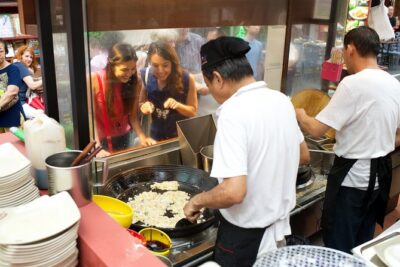 ★ 5.0Small Group: Michelin and Local Hawker Food Tour with 9 tastingsFrom $791,890 reviews
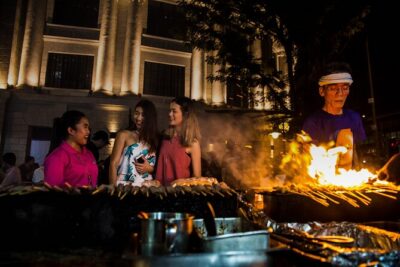 ★ 5.0Small Group: Singapore Street Food & Night Tour with 9 tastingsFrom $791,240 reviews
 ★ 4.5The Award-Winning PRIVATE Food Tour: 10 Tastings of 3 CulturesFrom $1521,017 reviews
 ★ 5.0Chinese, Indian & Arabic Quarters, Culture & Food TourFrom $148789 reviews
 ★ 5.0UNESCO Street Food & Cultural ExperienceFrom $161524 reviews
 ★ 5.0Singapore Market to Table Culinary Experience (Wet Market Tour included)From $112479 reviews
 ★ 5.0Small-Group Food Tour With Hawker Center: Eat Like A LocalFrom $161420 reviews
 ★ 5.0Singapore Private Food, Culture and Heritage Tour with 9 tastingsFrom $185394 reviews
Browse the lists this tour appears in