
Reviewed · KATONG & PERANAKAN HERITAGE TOURS
Learn to cook authentic Peranakan food with local market tour
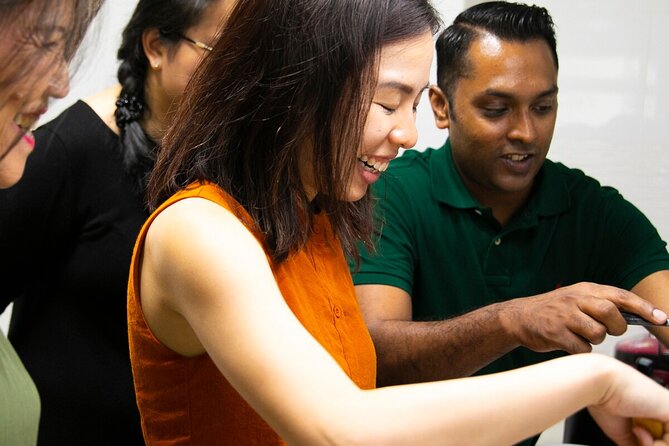
Peranakan food teaches you to taste Singapore’s mix. You’ll do a local market ingredient hunt, then cook two classic dishes from scratch with Chef Wei Qiang, and eat what you make afterward. You even get printed recipes to take home, so the class keeps paying off after the meal.
I love the private chef attention, because you’re not just watching—you’re chopping, stirring, and asking questions. I also love that you leave with printed recipes, which makes it easier to repeat the flavors later instead of relying on memory.
The main thing to consider is that the workshop needs at least 2 people to start, and scheduling details can matter. If your plan is tight, I’d make sure your confirmed time and meeting point info are crystal clear before you head over.
In This Review
- Key Peranakan Market-to-Kitchen Highlights
- Why Peranakan Cooking Feels Like Singapore in One Session
- Chinatown MRT Start: Getting Oriented Fast Before You Cook
- Market Shopping: The Ingredient Lesson You Usually Skip
- Cooking Station Setup: What’s Included So You Can Focus
- Assam Fishhead: Sour, Spicy, and Built on Peranakan Logic
- Ayam Pongteh: Chicken Stew with Fermented Soybean Depth
- Chef Wei Qiang: Teaching That Mixes Technique and Story
- Lunch at the End: Eat What You Cook, Not Just Learn It
- Time, Group Size, and Logistics for a 6-Hour Class
- Price Check: What $168.16 Buys You (And Why It Can Be Worth It)
- Who This Class Fits Best in Your Singapore Plan
- Should You Book This Peranakan Market-to-Kitchen Class?
- FAQ
- What dishes will I learn to cook?
- Does the class include a market tour?
- How long is the experience?
- Is this a private class?
- Where do I meet, and where does it end?
- What’s included in the price?
- Is there a minimum number of people required?
Key Peranakan Market-to-Kitchen Highlights
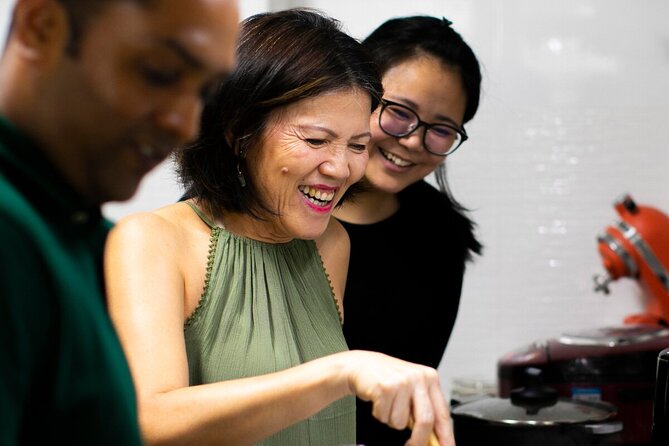
- Private-chef format focused on hands-on cooking, not a group demo
- Market shopping in the heartland area so you buy ingredients you can actually find again
- Two Peranakan signatures made from scratch: assam fishhead and ayam pongteh
- Fermented soybean appears in ayam pongteh for that deep Peranakan flavor base
- Everything supplied: ingredients, cooking equipment, apron, plus printed recipes
Why Peranakan Cooking Feels Like Singapore in One Session
Peranakan cuisine is the kind of food that explains a place. It blends Chinese ingredients and cooking habits with Malaysian and Indonesian spice styles, so the flavors feel both familiar and new. In this class, that story isn’t just talked about—it shows up in what you cook and the ingredients you choose.
I like that you start with the market part. It changes the whole cooking lesson from a generic cooking class into something practical. You’re learning how cooks build flavor using real pantry staples and aromatic herbs, not just following a step-by-step card.
And the food focus is very clear: assam fishhead and ayam pongteh. Those two dishes cover sour-spicy complexity and comforting stew depth, which is a great pair if you want to understand the range of Peranakan cooking.
Chinatown MRT Start: Getting Oriented Fast Before You Cook
Your meeting point is at Chinatown MRT Station (DT19), at 91 Upper Cross St, Singapore 058362. The class runs during opening hours listed as 7:00 AM to 1:00 PM, and the operator notes flexible class times to fit your schedule.
From a practical standpoint, I like this start location. Chinatown MRT is a major hub, so you can reach it from most areas without needing a complicated route plan. The activity also ends back at the same meeting point, which keeps the day simple.
For the best experience, arrive a little early and get your bearings fast. This isn’t a stop-and-go food crawl where you can wander for an hour and still catch up. You’ll need to be ready to shop and cook once the session starts.
Deeper into Katong tiles and Peranakan kitchens
Market Shopping: The Ingredient Lesson You Usually Skip
After you meet, you head out for a local market tour to purchase the ingredients for the workshop. The idea here is simple: you’re not only learning recipes—you’re learning what to buy and why it matters.
This part matters because Peranakan flavors often depend on specific spice blends and fermented or preserved ingredients. When you buy them in a real market setting, you can spot what looks right and what you can reasonably source later.
You’ll also get a chance to see more everyday Singapore than the standard postcard spots. The class is designed around the local heartland atmosphere, which can feel more grounded than a formal attraction. If you care about food culture, this is where the learning becomes real.
One practical note: you’re shopping as part of a structured class, so don’t plan a long walk that you might have to abandon mid-session. Treat the market time as part of the cooking timeline.
Cooking Station Setup: What’s Included So You Can Focus
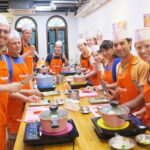
Once the ingredients are sorted, the cooking portion is where you do the heavy lifting. The class includes all ingredients and cooking equipment, and you’re provided an apron. That’s a big value point because it removes the most annoying part of cooking classes: figuring out where to buy tools and how to carry them.
You’ll also get printed recipes. Even if you’re not the type who cooks frequently, I find it helps you understand what you did and how it all connects. Later, when you cook at home, the recipe pages become your checklist for repeat flavor.
The workshop is capped at a maximum of 6 travelers. That small group size is important for two reasons. First, your chef can guide you without racing through instructions. Second, you’re less likely to spend the session waiting for utensils or counter space.
Assam Fishhead: Sour, Spicy, and Built on Peranakan Logic
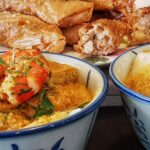
Assam fishhead is the first dish you’ll make. Assam style is known for its sour edge, and in Peranakan cooking that tang usually comes layered with heat and aromatic spice. The class structure has you preparing the dish from scratch, which means you’re learning the workflow rather than just adding ingredients at the end.
While you’re cooking, pay attention to how flavors get balanced. In many sour-spice dishes, the most important step is timing—adding key aromatics when they’ll release fragrance, then combining sour and spice so neither becomes overpowering. This is the kind of skill you can reuse even if you don’t cook this specific recipe again.
Fishhead can also sound intimidating if you’ve never cooked with it. A structured class helps because the chef can show you how to handle the ingredient and move through each stage confidently. You’re aiming for a sauce that tastes bold, not just sour or spicy for its own sake.
Still hungry? The hawker trail keeps going
- Small Group: Michelin and Local Hawker Food Tour with 9 tastings★ 5.0 · 1,890 reviews
- Small Group: Singapore Street Food & Night Tour with 9 tastings★ 5.0 · 1,240 reviews
- The Award-Winning PRIVATE Food Tour: 10 Tastings of 3 Cultures★ 4.5 · 1,017 reviews
- Singapore: Chinese, Indian & Arabic Quarters, Culture & Food Tour★ 5.0 · 789 reviews
Ayam Pongteh: Chicken Stew with Fermented Soybean Depth
Next comes ayam pongteh, a chicken stew that uses fermented soybean. That single ingredient changes the character of the dish. Fermented soy adds a rounded, savory depth that’s hard to imitate with plain soy sauce alone.
In this class, you prepare it from scratch, so you’ll see how that flavor base forms and how it clings to the chicken. Stews like this are also forgiving in a way that’s useful for home cooking later. Once your flavors are in place, the dish becomes about gentle cooking and getting the texture right.
This is also a nice contrast to assam fishhead. One is sour-spicy and lively; the other is savory-stew comfort with fermented richness. Together, they give you a clearer picture of how Peranakan cooking can swing from sharp and punchy to slow and satisfying.
Chef Wei Qiang: Teaching That Mixes Technique and Story
Your chef is Chef Wei Qiang. A standout here is the teaching tone—welcoming, clear, and focused on making sure you know what you’re doing. Instead of just watching someone else cook, you’ll be actively involved throughout the session.
One part I really value is the historical context built into the lesson. Chef Wei Qiang shares background on Peranakan cooking and the why behind the flavors, so the dishes feel tied to culture rather than being just recipes on a page. That kind of explanation helps you remember the steps, because you understand what each component is trying to do.
Also, there’s a practical perk: at least one version of this class has included time to cook more than the two named dishes. Your session still centers on assam fishhead and ayam pongteh, but the chef’s pacing can leave room for extra food learning. That’s a good sign if you want to come away feeling like you gained real hands-on confidence.
Lunch at the End: Eat What You Cook, Not Just Learn It
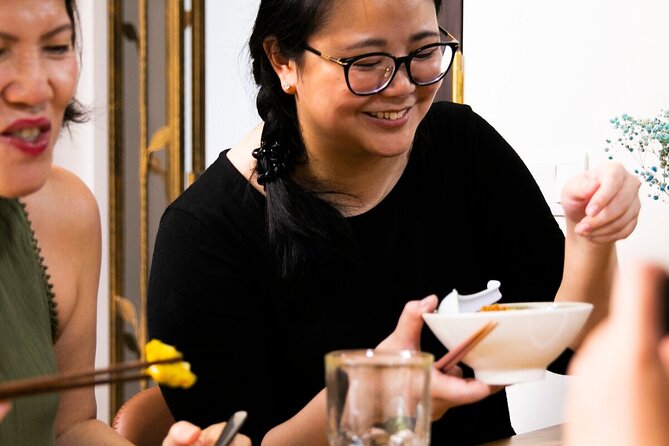
At the end of the workshop, you enjoy a homey lunch of the dishes you made. That matters more than it sounds. In a good cooking class, you don’t just collect skills—you taste the result right away, while everything about the process is still fresh in your head.
It’s also a natural moment to take photos. If you care about documenting your food journey, you’ll have a relaxed meal moment after the cooking rather than rushing out immediately at the end.
And because the group is small (up to 6), lunch time tends to feel like a real shared table rather than a flip-through, line-up meal.
Time, Group Size, and Logistics for a 6-Hour Class
The duration is about 6 hours. That’s a solid block that gives time for both market shopping and full cooking prep. It also means you should plan your day around it. Don’t schedule back-to-back plans that depend on you being free at a precise minute.
The class requires at least 2 people to start. This affects you in a practical way: if you’re traveling solo and want this class, you’ll need to check whether your booking is likely to meet the minimum. If you’re booking close to your travel dates, watch for confirmation timing and any adjustments.
For the day-of experience, the activity includes a mobile ticket. Keep it handy on your phone, and still treat the meeting address as your backup.
One more logistics point: a past issue involved confusion around rescheduling, so if your class time changes, ask for the updated time and exact address right away. Don’t assume you’ll automatically get the full details. Get it straight so you can show up once.
Price Check: What $168.16 Buys You (And Why It Can Be Worth It)
The price is listed as $168.16 per person. For Singapore, that isn’t the cheapest option, but it also isn’t paying for just entertainment or just a meal.
What you’re paying for is a bundle:
- A private chef-led cooking class
- A market tour where you buy the ingredients needed
- Two dishes made from scratch: assam fishhead and ayam pongteh
- All ingredients, cooking equipment, and an apron
- Printed recipes you can use again
- A sit-down lunch of what you cooked
If you break it down, you’re basically paying for three things at once: shopping guidance, hands-on technique, and an end meal. Cooking classes that only teach technique without the market step tend to leave you stuck later when you try to buy the same ingredients. Here, the market element supports the learning.
Is it perfect value for everyone? Probably not. If your goal is just a casual snack and quick taste of local food, this may feel too structured. But if you want to take control of flavors you can recreate, this price starts to look reasonable.
Who This Class Fits Best in Your Singapore Plan
This is a good match if you:
- Want more than a restaurant meal and prefer hands-on cooking
- Enjoy learning through ingredient shopping, not only watching demos
- Like Peranakan food, or you want to try it through two well-chosen classics
- Appreciate small group formats with time for questions
It may be less ideal if you:
- Are very short on time and can’t commit to about 6 hours
- Don’t want any market walking or shopping component
- Are traveling alone and need a sure thing that will run exactly as scheduled
Should You Book This Peranakan Market-to-Kitchen Class?
I’d book it if you want a practical Singapore food experience—one that connects culture, ingredients, and cooking technique. The combination of market shopping plus two from-scratch Peranakan dishes makes it feel like real skill-building, not just a one-time lesson.
Before you commit, do one simple thing: confirm your class time and meeting point details clearly after booking. Since this workshop needs at least 2 people to start, and schedules can shift, clarity helps you avoid day-of stress.
If you’re happy to spend half a day cooking and eating what you make, this is a strong way to go beyond the usual food stops and come home with recipes that actually match what you learned.
FAQ
What dishes will I learn to cook?
You’ll cook two Peranakan dishes from scratch: Assam Fishhead and Ayam Pongteh (chicken stew with fermented soybean).
Does the class include a market tour?
Yes. You’ll join a local market tour to purchase the ingredients needed for the workshop, including for tourists to experience a more local heartland setting.
How long is the experience?
It’s about 6 hours.
Is this a private class?
Yes. It’s described as a private Peranakan cooking class with a private chef. The group is capped at a maximum of 6 travelers.
Where do I meet, and where does it end?
You start at Chinatown MRT Station (DT19) at 91 Upper Cross St, Singapore 058362, and the activity ends back at the meeting point.
What’s included in the price?
All ingredients, cooking equipment, an apron, and printed recipes are included.
Is there a minimum number of people required?
Yes. The workshop requires at least 2 people to start.
From Rempah to Plate
Hawker Stalls Left on the List



The Peranakan Side of Town
Fresh Reviews from the Little Red Dot
- Night Safari Tickets with Tram Ride
★ 4.5 · 3 reviews - Singapore: Architecture and Food Tour with Tastings
★ 5.0 · 3 reviews - Singapore Private Full-Day Sightseeing Tour
★ 5.0 · 3 reviews - Private Chinatown Heritage Tour with Best 8 Local Tastings
★ 5.0 · 3 reviews
Katong & Peranakan Heritage Tours, compared.
 ★ 5.0Eat Snap Katong Walking Food TourFrom $76174 reviews
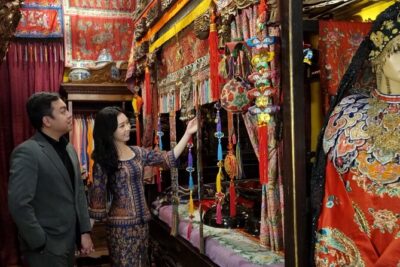 ★ 5.0The Peranakan Mansion – Experience Singapore’s Unique CultureFrom $30117 reviews
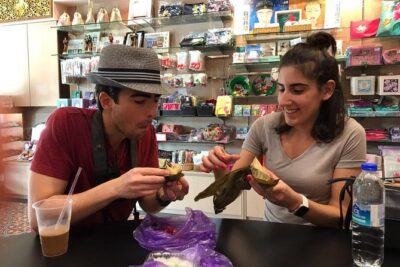 ★ 4.5Katong Evening Food TourFrom $10341 reviews
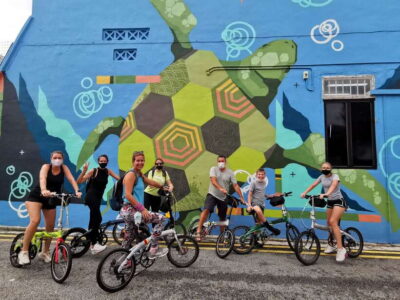 ★ 4.9Food and Bike Tour: Katong DistrictFrom $9438 reviews
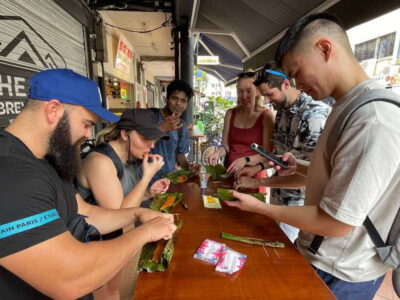 ★ 5.0Katong Local Food and City Highlights TourFrom $7518 reviews
 ★ 4.9Peranakan Museum Admission TicketFrom $611 reviews
 ★ 5.0Best Ever Katong Food Tour with Local Foodie – PRIVATE TOURFrom $954 reviews
Browse the lists this tour appears in